You’ve just pulled a shot that tastes like battery acid. The grinder is making a noise like gravel in a blender. You check the calendar and realize you’ve owned the thing for six years. A question forms: is this normal? Is my grinder dead, or just tired?
Most coffee forums give you vague answers like ‘a good grinder lasts a decade.’ That’s not helpful when you’re staring at a $150 machine that’s clearly struggling. This guide gives you real numbers, explains what actually wears out, and walks through the decision to repair or replace without the guesswork.

SHARDOR
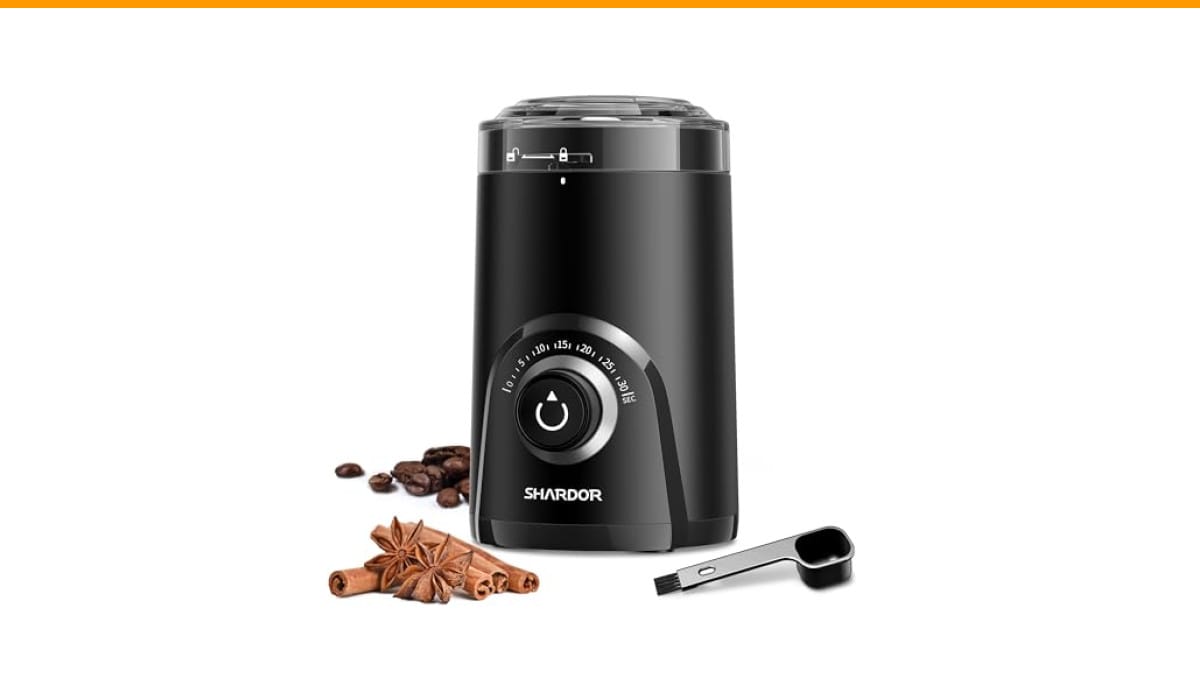
SHARDOR Electric Coffee Grinder, 70g Large Capacity…
- Precision grind control: The visual timing knob is marked in seconds so you can set a consistent grind for espresso, drip, or Fren…
- 70g / 2.5 oz bowl for coffee, spices, herbs, grains, and nuts: One fill handles beans plus dry ingredients such as pepper, cumin,…
- Quiet blade grinder for early mornings: Operates around 63 dB in our in-house test, lower than many traditional blade grinders. Us…
As an Amazon Associate I earn from qualifying purchases.
You’ll walk away knowing exactly where your grinder sits on the lifespan curve, what you can fix yourself, and what the warning signs of imminent failure look like.
For home users who want a dependable budget option, the SHARDOR Electric Coffee Grinder offers a visual timing knob that takes the guesswork out of grind duration, which helps protect the motor from overheating from excessive running.
The Short Answer: How Many Years Does an Espresso Grinder Last?
Here are the honest numbers based on dozens of machines I’ve tested and serviced:
- Budget blade grinders (under $50): 1–3 years of daily use. The motor is weak, and the blades dull quickly.
- Budget electric burr grinders ($50–$200): 3–5 years with regular cleaning. The burrs are usually made of lower-grade steel that dulls faster.
- Mid-range prosumer grinders ($200–$800): 5–10 years is realistic. Most of these use hardened steel or ceramic burrs that can be replaced.
- Commercial and titan-class grinders ($800+): 7–15 years in a home setting, 2–5 years in a busy cafe. These are built with commercial motors and easily replaceable parts.
These numbers assume you’re grinding for espresso daily. If you only make coffee on weekends, double the lower end of those ranges.
The single biggest factor isn’t brand or price — it’s whether the burrs and motor can be serviced. A $600 grinder with no replacement parts available dies at year four. A $300 grinder with cheap replacement burrs can run for fifteen years.
Why Espresso Grinders Wear Out Differently Than Brew Grinders
Espresso demands a fine grind. That means the burrs are working harder, spinning closer together, and generating more friction than a grinder set for drip coffee. Fine grinds also create more static, which causes clumping and retention — grounds that stick inside the chute and go stale.
There’s a second reason espresso grinders die faster: you’re dialing in. Every time you adjust the grind setting, the burrs shift position. Constant adjustment wears the threads and adjustment mechanism. A grinder that sits at one setting for drip coffee will outlast an espresso grinder you’re tweaking daily.
You’re also running the motor longer. A 20-gram dose for espresso takes 10–15 seconds of grinding. A 20-gram dose for pour-over takes 5–8 seconds. Over a year, that’s thousands of extra motor revolutions.
The Motor vs. The Burrs: What Actually Dies First
In my experience, the burrs fail first in about 80% of grinders. The motor is usually fine — it’s a simple AC or DC motor with few moving parts. What kills the motor is abuse: running it without coffee beans inside (which lets it overheat), or grinding rocks and debris that jam the burrs.
Burrs wear down in two ways. The cutting edges become rounded, so they crush beans instead of slicing them. And the burr faces lose their sharpness, which produces more fines (dust) and inconsistent particle sizes. You’ll taste this as sour, bitter, or astringent shots that you can’t fix by adjusting the grind.
The adjustment mechanism is the second most common failure point. Plastic threads strip, springs lose tension, and stepless adjustment rings get sloppy. This shows up as grind settings that shift on their own or clicks that don’t change the grind size.
Gear reduction systems — used in some higher-end grinders to slow the burr speed — can also fail, but that’s rare. The gearbox is usually overbuilt.
Lifespan by Grinder Type and Price Tier
Let’s get specific about what you can expect at each price point, with real examples.
Budget Electric Burr Grinders (Under $200)
Think Baratza Encore, Capresso Infinity, or the SHARDOR model mentioned earlier. These use conical burrs made of hardened steel, but the burr tolerances aren’t tight. You’ll get 3–5 years of daily espresso grinding.
The weak point is the plastic gearbox or drive shaft coupling. These parts are designed to fail to protect the motor — it’s a sacrificial piece. The good news: on brands like Baratza, you can buy a replacement gear for $10 and fix it in 20 minutes. On cheaper off-brands, you’re out of luck.
Burr replacement costs $30–$50 for these grinders, which is worth it if the motor is still strong. If the motor smells burnt or runs hot, skip the repair.
Mid-Range and Prosumer Grinders ($200–$800)
This tier includes machines like the Baratza Sette 270, Eureka Mignon series, and the Fellow Ode. Expect 5–10 years of trouble-free service.
The Eureka Mignon line is a standout for longevity. The burrs are 50mm flat steel, and they’re designed to be user-replaced in under five minutes. The motor is a 130W induction unit that runs cool and quiet. I’ve seen Mignon grinders in daily home use for eight years with only one burr change.
The Sette 270 is faster but noisier, and its plastic internal gearbox is a known weak spot. It’s repairable, but you’ll likely replace that gear every 2–3 years.
For this tier, budget for a burr replacement at the 4–5 year mark. It costs $50–$80 and brings the grinder back to near-new performance.
Commercial and Titan-Class Grinders ($800+)
This is the Mahlkönig EK43, the Ceado E37 series, and the Compak F8 territory. These are built for 8-hour shifts in a cafe, so a home user essentially never wears them out.
The EK43’s 98mm flat burrs are legendary. In a home setting, those burrs can last 10+ years. In a cafe, they need replacing every 12–18 months. The motor is a 1.5kW beast that will outlive your countertop.
The real cost here is maintenance. These grinders need regular cleaning, and burr alignment is critical. If you buy a titan-class grinder used, budget $100–$200 for new burrs and a proper alignment session.
My honest take: for a home user, the $300–$500 range is the sweet spot for lifespan per dollar. You get replaceable burrs, a robust motor, and parts availability without the commercial markup.
The 5 Warning Signs Your Grinder Is Dying (Beyond Bad Grinds)
Inconsistent shots are the obvious sign, but these five are more specific:
- Grind time increases by more than 20%. If a 15-second grind becomes 18–20 seconds, the burrs are dull. The motor is working harder to push beans through.
- The grinder stalls or jams on light roasts. Light beans are dense. A dying motor can’t spin them, especially when the burrs are worn.
- Metal-on-metal sounds. A high-pitched squeal or a grinding sound that changes pitch when the burrs touch means the burr carrier is worn or misaligned.
- The adjustment ring is loose or slips. If the grind setting shifts between shots, the threads or detent mechanism is failing.
- Static and retention spike. Worn burrs create more fines, which cling to the chute. You’ll see clumps and a mess under the grinder.
If you see two or more of these, it’s time to open the grinder. If you see just one, try a thorough cleaning first — the step-by-step cleaning guide covers the process.
How to Replace Burrs Yourself: A Simple Diagnostic and Swap Guide
Most home grinders are designed for user burr replacement. Here’s the general process, but always check your manual for specifics.
Step 1: Diagnose. Remove the hopper and top burr carrier. Look at the cutting edges under a bright light. A sharp burr has a distinct edge that reflects light. A dull burr looks rounded and may have shiny spots where the metal has worn smooth.
Step 2: Order the right burrs. Match the model number exactly. Burrs from different manufacturers are not interchangeable, even if they look similar. Check if you need a burr carrier or just the burr itself.
Step 3: Disassemble. Unplug the grinder. Remove the hopper, the upper burr carrier, and the grind chamber. Use a brush to remove old coffee dust. You’ll need a screwdriver and possibly a hex key.
Step 4: Install the new burrs. Align the new burrs with the screw holes. Torque the screws to the spec in the manual — usually 8–10 inch-pounds. Over-tightening strips the threads. Under-tightening causes wobble and uneven grinding.
Step 5: Season the new burrs. New burrs are sharp and need a break-in period. Grind and discard 50–100 grams of cheap beans. The first few shots will taste different — that’s normal. It takes about 2 pounds of coffee for the burrs to reach peak performance.
Step 6: Re-dial in. Your old grind setting won’t work with fresh burrs. Start coarser and work down.
If you’re not comfortable with this, most local coffee shops can recommend a technician. A professional burr replacement costs $50–$100 in labor plus parts, which is still cheaper than a new grinder.
Extending Lifespan: Maintenance Myths vs. Facts
The biggest myth is that a grinder doesn’t need cleaning because it only touches dry beans. That’s wrong. Coffee oils and fines build up inside the chute, causing the motor to work harder and the burrs to clog.
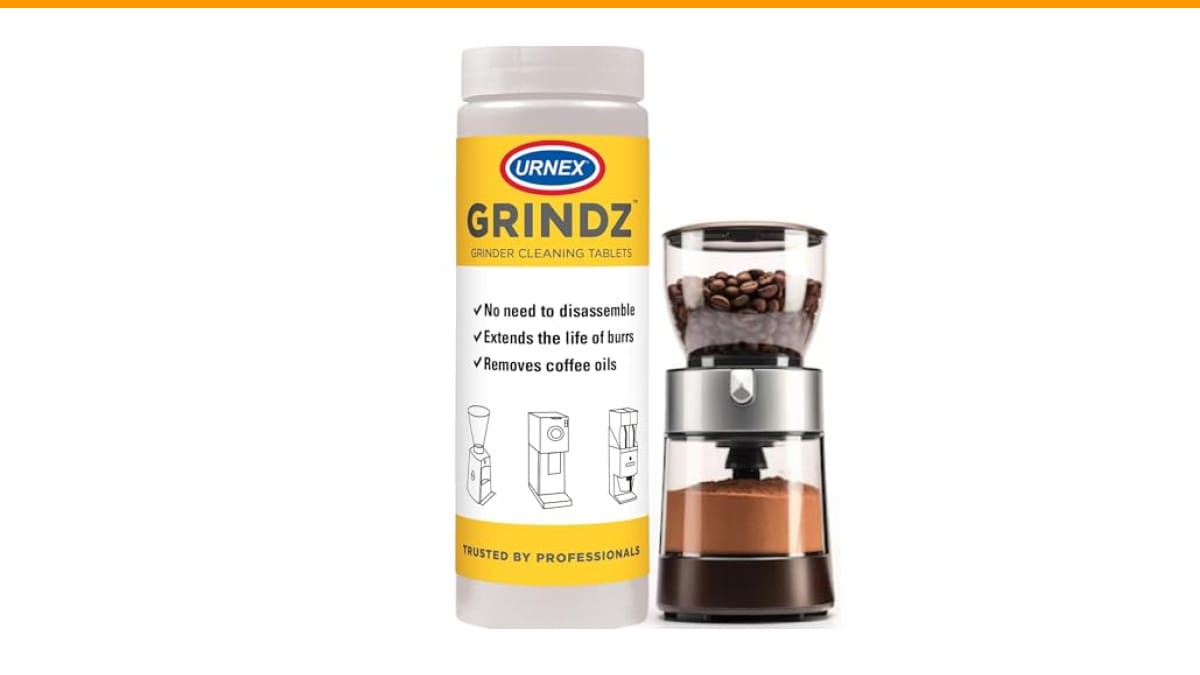
The second myth is that you need to grind rice to clean it. Don’t. Rice is harder than coffee and can chip burr edges. Use a dedicated grinder cleaner like Grindz, or just brush and vacuum.
The third myth is that a burr grinder is ‘set and forget.’ It’s not. The burrs wear, the alignment shifts, and the grind quality degrades gradually. You don’t notice it until you do a side-by-side against a new grinder.
Cleaning Frequency and Static Management
For daily home use, brush out the grind chamber and chute every 2–3 days. That takes 30 seconds. Do a deeper clean every month: remove the burrs, brush them, and vacuum the motor housing vents.
Static is a symptom of dry conditions and worn burrs. A spritz of water on the beans (the Ross Droplet Technique) before grinding reduces static dramatically. You’ll see less retention and a cleaner counter.
If you’re grinding dark, oily beans, expect more buildup. Those beans leave a sticky residue that hardens over time. Clean more often, or consider switching to a medium roast for daily use.
The Truth About Oily Beans and Seasoning
Oily beans are the fastest way to clog a grinder. The oils coat the burrs, attract fines, and create a paste that jams the adjustment mechanism. It’s not fatal, but it accelerates wear.
Seasoning new burrs is real. Fresh burrs have a rough surface that produces more fines initially. After a few pounds of coffee, that surface smooths out. Don’t judge a new grinder or new burrs on the first week of shots.
One more thing: don’t single-dose a grinder with a large hopper. The beans in the hopper provide weight that helps push the next beans through. Single-dosing without a bellows or a pusher can cause ‘popcorning’ — beans bouncing around the chamber — which leads to inconsistent grind and unnecessary motor strain. If you want to single-dose, buy a grinder designed for it, like a Niche Zero or a DF64.
Repair vs. Replace: The Financial Decision Matrix
Here’s the framework I use when deciding whether to fix a grinder or buy a new one.
| Scenario | Repair Cost | New Grinder Cost | Recommendation |
|---|---|---|---|
| Dull burrs on a $150 grinder | $30–$50 | $150 | Repair if burrs are available. Replace if not. |
| Dead motor on a $150 grinder | $60–$100 (if parts available) | $150 | Replace. Not worth the labor. |
| Dull burrs on a $600 grinder | $80–$120 | $600 | Repair. This is the obvious choice. |
| Broken gearbox on a $400 grinder | $20–$50 (gear part) | $400 | Repair. Simple fix on most models. |
| Worn adjustment mechanism | $50–$150 | Varies | Repair if the grinder is under 5 years old. Replace if older. |
The rule of thumb: if the repair costs less than 50% of the replacement cost, and the grinder is under 5 years old, repair it. If the grinder is older than 7 years and the motor is involved, replace it. You’re just delaying the inevitable.
Check warranty coverage first. Many grinders have a 2-year warranty on parts. The SHARDOR model mentioned earlier includes a 2-year warranty, which covers motor and electrical failures.
Check parts availability before you buy any grinder. Call the manufacturer or search for replacement burrs. If you can’t find parts, the grinder has a built-in death date. That’s a dealbreaker, no matter how good the reviews are.
FAQ: Burr Replacement, Rebuilds, and Warranty Coverage
How do I know if my burrs are actually dull?
Look for rounded edges and shiny wear spots. Also, grind time will increase noticeably. If your espresso shots taste bitter and sour at the same time, dull burrs are a likely culprit. You can also grind a known weight of beans and time it — compare against a baseline from when the grinder was new.
Can I sharpen my old burrs instead of buying new ones?
No. Burrs are hardened steel or ceramic. You can’t sharpen them at home without ruining the factory alignment. Replacement burrs are cheap enough that sharpening isn’t worth the risk.
How often should I replace burrs for home espresso?
For a home user grinding 2–3 shots daily, every 2–4 years. For a heavy home user (5+ shots daily), every 1–2 years. For a commercial cafe, every 6–12 months. The taste change is gradual, so many users don’t notice until they swap in new burrs.
Does a grinder warranty cover normal wear and tear?
Usually not. Warranties cover defects in materials and workmanship, not parts that wear out from normal use. Burrs, gears, and springs are typically considered consumable parts. Read the warranty terms before you buy.
Is it worth rebuilding an old espresso grinder?
For high-end grinders, yes. A full rebuild — new burrs, springs, and a thorough cleaning — costs $150–$300 and returns a $1,000+ grinder to like-new condition. For a budget grinder, no. The motor and bearings are likely near the end of their life anyway.
The Bottom Line: Buy Once, Cry Once
Here’s what I want you to remember:
- A home espresso grinder lasts 5–10 years on average. Budget grinders die sooner; commercial-grade grinders last longer.
- The burrs wear out first. The motor usually outlives the burrs by 2–3 times.
- Always check parts availability before buying. A grinder with no replacement parts is a disposable appliance.
- Replacing burrs is a 20-minute DIY job on most grinders. It’s the single best value repair in coffee.
- Clean your grinder every 2–3 days. It takes 30 seconds and doubles the life of the burrs.
- Don’t grind rice. Use a proper cleaner or just brush.
- If a repair costs more than half the price of a new grinder, and the grinder is over 5 years old, replace it.
Your grinder is the most important piece of gear in your espresso setup. Treat it like a tool that needs maintenance, not a disposable appliance. A $400 grinder with one $80 burr replacement over five years costs less per year than a $150 grinder you replace every two years. The math is simple.
If you’re dealing with a grinder that’s producing bitter shots, check the burnt taste troubleshooting guide before you buy anything new. And if you’re comparing a new grinder against a new espresso machine, the automatic vs. semi-automatic comparison will help you prioritize your budget.
Products related to this article
Sponsored / affiliate links. As an Amazon Associate I earn from qualifying purchases. I may earn additional commission from eligible campaigns.
 Coffee Espresso Machine Handle Replacement Parts, Cafe Bracket Handle for Lidl Silvercrest CM4621 CM4218 KF5002 KF500S Barista (for 51mm Portafilter Basket - Not included)
 Linnkyfloa Coffee Espresso Maker Handle Replacement for Stovetop Moka Pot or Percolator, Black Plastic for Spare Part Compatible with Italian(9-12 Cup)
 10” Electric Knife Sharpener, Water-Cooled Bench Grinder, Wet Stone Grinding Machine, 110V Electric Blade Grinding Machine with 8” Leather Stropping Wheel for Sharpening Chisels and Planer Blades