You just unboxed your Breville Barista Express. The stainless steel gleams, the portafilter feels heavy, and you’re ready to pull a shot that tastes like the café down the street. Then the first espresso comes out sour, the second one bitter, and the third one sprays coffee everywhere. You start Googling new tampers and naked portafilters, convinced the machine is holding you back. It isn’t.
Most beginners blame the gear when the real problem is technique. The Barista Express ships with everything you need to make excellent espresso, but the learning curve is steeper than the manual suggests. This guide walks through the specific mistakes that ruin shots in the first month of ownership, and how to fix them with the parts already in the box. You’ll also learn which upgrades are worth buying later, and which ones just drain your wallet.
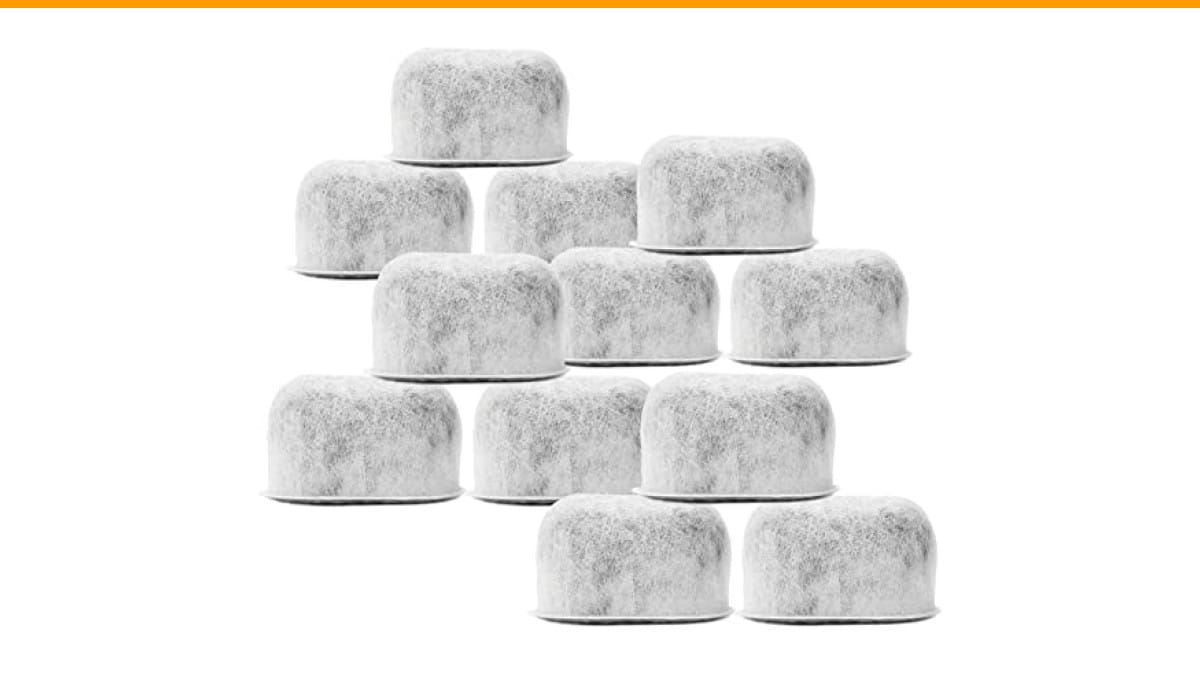
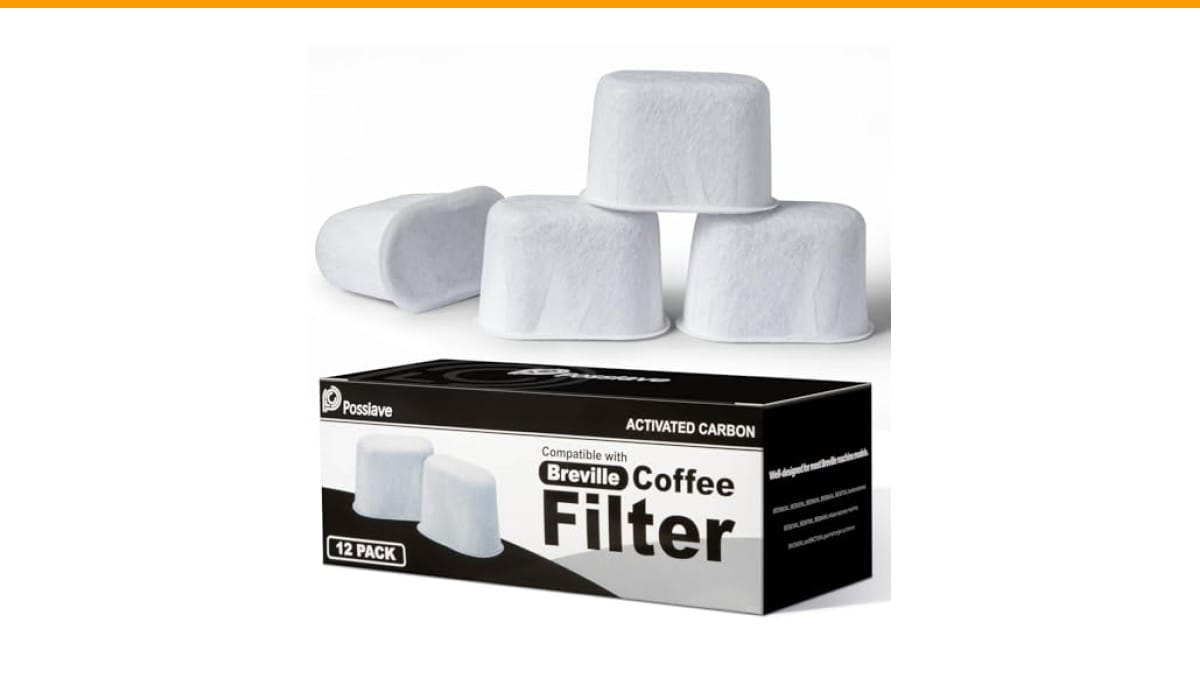
One accessory you should get early is a reliable water filter. The machine includes one, but it’s a consumable that needs replacing every two months. The Possiave 12-pack water filters are compatible with the BES870XL and most other Breville models. Having a dozen on hand means you never run out, and the coconut shell charcoal removes chlorine and impurities that affect flavor. It’s a simple swap that keeps your shots tasting clean.
Why Your First Shots Taste Bad (It’s Not the Machine)
The Barista Express is capable of producing café-quality espresso, but it demands precision. The built-in grinder is decent, not great. The stock tamper is plastic, but functional. The filter baskets are well-made. The weak link in the chain is almost always the person standing in front of it.
Beginners typically pull shots that run too fast (under 20 seconds) or too slow (over 40 seconds). Both extremes taste terrible. Fast shots are sour and thin. Slow shots are bitter and ashy. The fix isn’t a new gadget. It’s learning to dial in the grind size and dose weight until the extraction time lands between 25 and 30 seconds.
Your first ten pulls are practice, not failures. Use them to understand how the grind size dial changes the flow rate. Start at setting 5, pull a shot, then adjust one number at a time. Keep notes. You’ll be surprised how quickly you find the sweet spot for your favorite beans.
Before touching any accessory, read the Barista Express review on this site to understand the machine’s strengths and quirks. Knowing what’s adjustable and what’s fixed saves you hours of frustration.
Mistake #1: Skipping the Included Razor Tool and Dosing Funnel
The Razor tool looks like a tiny metal rake. It sits in a slot on the side of the grinder, and most owners never touch it. That’s a mistake. The Razor tool is a precision dosing tool that levels the coffee in the portafilter to the exact depth the basket was designed for.
Here’s how to use it correctly. Grind coffee into the portafilter until it mounds above the rim. Take the Razor tool and scrape it across the top, letting the excess coffee fall back into the grinder’s bin. You’re left with a perfectly level dose. Tamp once, and you have a consistent puck every time.
The dosing funnel—a plastic ring that sits on top of the portafilter—catches stray grounds during grinding. Without it, coffee spills onto the counter and, worse, onto the portafilter’s rim. That mess prevents a proper seal in the group head, causing channeling and weak shots.
Use both tools from day one. They are free, included, and solve two of the most common beginner problems: inconsistent dose and messy portafilter edges. Master these before you consider any aftermarket dosing accessories.
Mistake #2: Buying a New Tamper Before Mastering the Stock One
The plastic tamper that ships with the Barista Express feels flimsy. It flexes when you press down, and the size is a hair smaller than the basket. Many beginners immediately buy a heavy, calibrated metal tamper, thinking it will fix their channeling problems. It won’t.
The stock tamper is perfectly adequate for learning proper technique. The key variable isn’t the tool, it’s the pressure and consistency you apply. A 30-pound press with the plastic tamper beats a 10-pound press with an expensive one. What matters is that you tamp level and apply the same force every single time.
Spend your first month practicing with the stock tamper. Focus on keeping your wrist straight and the tamper base parallel to the counter. If you decide to upgrade later, choose a tamper that matches your basket size exactly—54mm for the Barista Express—and has a flat, not convex, base. A calibrated tamper that clicks at 30 pounds is a nice-to-have, not a necessity.
If you’re experiencing persistent issues with uneven extraction, check the grinder burrs first. The grinder problem guide covers common alignment issues that cause inconsistent grounds.
Mistake #3: Ignoring the Water Filter and Hardness Test Strip
Inside the water tank, there’s a small white filter cartridge and a test strip. Most beginners throw both away. That’s a costly error. The filter removes chlorine and calcium from your water, which directly affects taste and scale buildup inside the machine.
Hard water is the silent killer of espresso machines. Scale accumulates on the boiler and heating element, reducing efficiency and eventually triggering error codes. The Barista Express has a water hardness setting that you should program after testing your tap water with the included strip. This setting tells the machine when to alert you to descale.
Here’s the routine. Test your water hardness once, set the machine’s internal setting to match, and replace the filter every two months or after 60 liters of water. If you skip the filter, the descaling cycle will become your new monthly ritual, and that’s not a fun way to spend an afternoon.
When the filter runs out, the Possiave replacement filters are a practical choice. They fit the BES870XL and other models, and the individual packaging keeps them fresh until you need them. It’s a small purchase that protects a big investment.
Mistake #4: Using the Wrong Basket for Your Beans
The Barista Express comes with two filter baskets: single wall and dual wall. The single wall baskets have a fine mesh at the bottom. The dual wall baskets have a solid bottom with tiny holes in the sides. They are not interchangeable.
Dual wall baskets are for pre-ground coffee or very old beans. They artificially create pressure to produce a fake crema, masking poor extraction. Single wall baskets are for freshly ground beans. They rely on the grind size and dose to build pressure naturally, which produces real crema and complex flavor.
Beginners often use the dual wall basket because it’s more forgiving. That’s fine for the first few days, but you’ll never learn to dial in properly if you stick with it. Switch to the single wall basket as soon as you have whole beans and a grinder setting that produces a consistent shot.
One common issue with single wall baskets is the puck sticking to the shower screen. This happens when you under-dose or grind too fine. The Razor tool helps here too. A properly dosed puck should come out as a dry, solid disc that taps out cleanly.
Mistake #5: Forgetting the Steam Wand Purge and Wipe
Steaming milk is fun until you realize the cleanup. The steam wand on the Barista Express is powerful, but it’s also a magnet for milk residue. If you don’t purge and wipe it immediately after each use, the tip clogs and the wand becomes a breeding ground for bacteria.
The purge is simple. After steaming, point the wand into the drip tray and open the steam valve for two seconds. This clears milk from the inside of the wand. Then take a damp cloth and wipe the outside, including the tip. Do this every single time, no exceptions.
If the tip does get clogged, you’ll notice weak steam pressure and sputtering. The fix is to soak the tip in hot water and use the included pin tool to clear the holes. But prevention is easier than cure. A 10-second purge and wipe saves you a 20-minute descale later.
For more detailed troubleshooting, the frother not working guide covers common steam wand issues and their fixes.
Mistake #6: Storing Beans in the Hopper Overnight
The hopper on top of the grinder is convenient, but it’s not a storage container. Leaving beans in it for days exposes them to air and light, which accelerates staling. Stale beans produce weak, flat espresso with no crema, and they grind inconsistently.
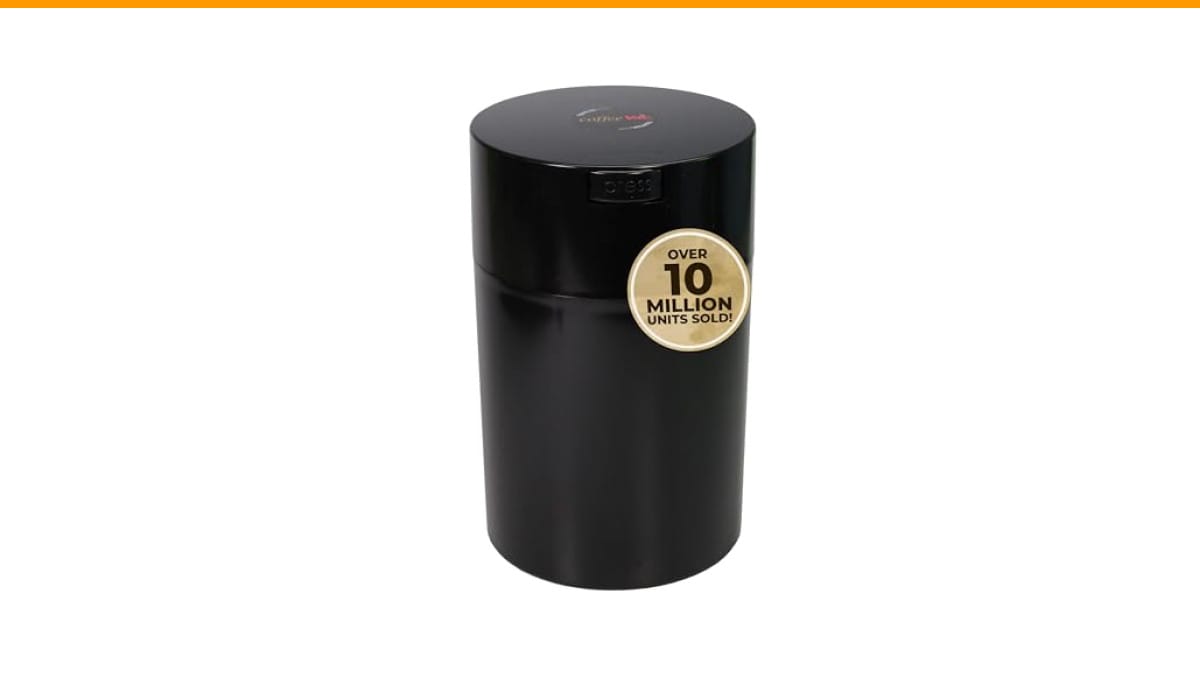
Here’s what to do instead. Weigh out the exact amount of beans you need for your next shot or two, and grind those. Store the rest of your beans in an airtight, opaque container away from sunlight. This keeps them fresh for weeks instead of days.
If you must leave beans in the hopper, only fill it with what you’ll use that day. A hopper full of beans that sits for a week is a waste of good coffee. The difference in flavor is dramatic—freshly ground beans produce a thick, golden crema, while stale beans produce a thin, watery layer that disappears in seconds.
Getting into the habit of weighing your dose also helps with consistency. A digital scale that reads in 0.1-gram increments is the one accessory worth buying early. It’s cheap, and it removes guesswork from your daily routine.
The 5-Minute Daily Maintenance Routine
Espresso machines are mechanical devices that need regular care. The Barista Express is no exception. A simple daily routine prevents most issues and keeps the machine running smoothly for years.
Here’s the routine I follow, and it takes under five minutes:
- Purge the group head by running water for a few seconds without a portafilter. This clears leftover grounds.
- Wipe the group head gasket and shower screen with a damp cloth.
- Purge and wipe the steam wand immediately after use (as covered above).
- Empty the drip tray and knock box. Don’t let coffee grounds sit and mold.
Once a month, you need to backflush. This involves using a blind filter basket and a cleaning tablet to scrub the internal lines. The Barista Express has a dedicated cleaning cycle for this. If the cleaning cycle doesn’t work, the cleaning cycle troubleshooting guide will help you get it running.
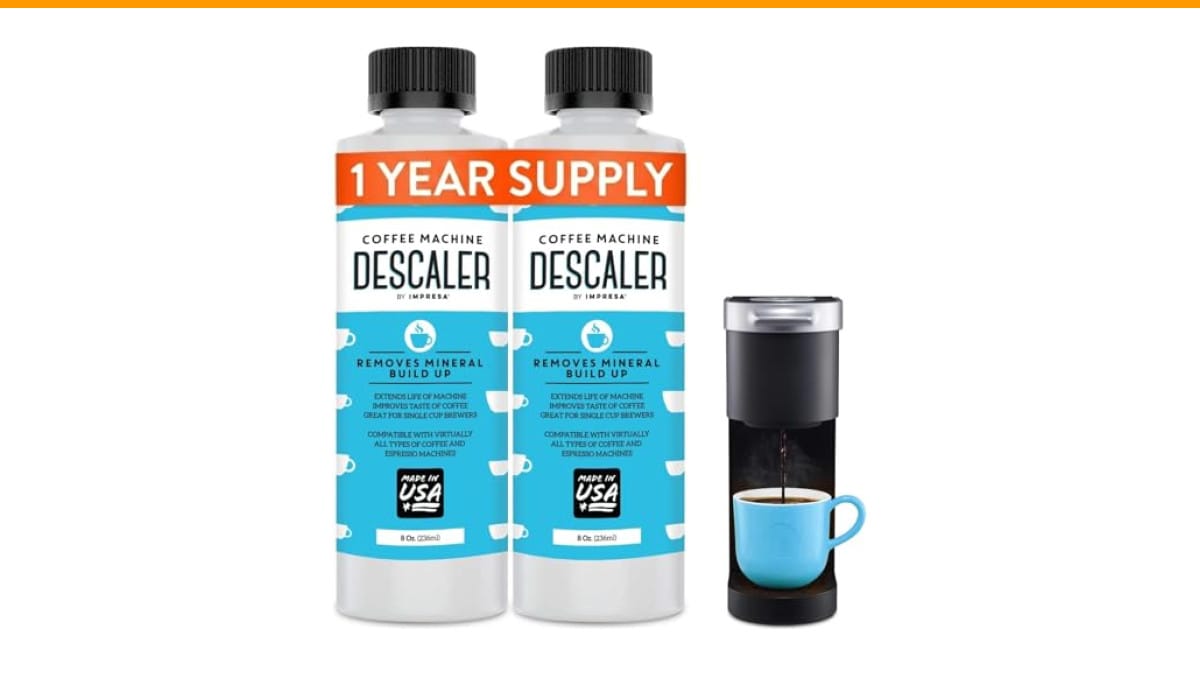
Descaling is a separate process that removes mineral buildup. The frequency depends on your water hardness, which is why setting the internal hardness level matters. If the clean and descale light stays on despite your efforts, check the light stays on guide for solutions.
When to Actually Buy Upgrades (And What to Skip)
After a month of consistent practice, you’ll have a feel for the machine. Some shots will be great, others will be good enough. At this point, you might want to upgrade. Here’s a realistic breakdown of what’s worth buying and what isn’t.
| Accessory | Worth It? | Why |
|---|---|---|
| Digital scale (0.1g) | Yes, first purchase | Consistent dose is the foundation of good espresso |
| WDT tool (distribution tool) | Yes, cheap and effective | Breaks up clumps and reduces channeling |
| Naked portafilter | Maybe, later | Great for diagnosing extraction issues, but not needed daily |
| Calibrated tamper | Maybe, later | Nice to have, but the stock one works fine once you learn |
| Bottomless filter basket | Skip initially | Messy and frustrating until your technique is solid |
| Expensive grinder | Skip | The built-in grinder is adequate; save for a future machine instead |
The biggest upgrade you can make is learning to use a WDT tool. It’s a simple wire whisk that you stir through the ground coffee in the portafilter to break up clumps. This promotes even extraction and reduces channeling. It costs a few dollars and makes a noticeable difference.
Skip the naked portafilter until you can consistently pull a good shot with the stock equipment. It’s a diagnostic tool, not a magic wand. When you do buy one, you’ll see exactly where the water channels through the puck, which is educational but also humbling.
FAQ: Quick Fixes for Common Beginner Errors
Why is my espresso sour no matter what I do?
Sour espresso usually means the shot is under-extracted. The water is moving through the coffee too fast. Grind finer, increase the dose slightly, or both. Aim for a 25-30 second extraction time. If it’s still sour, check your water temperature—the first shot after idle time is often cooler than the rest.
How often should I replace the water filter?
Replace it every two months or after 60 liters of water, whichever comes first. If you use soft water, you can stretch it slightly, but regular replacement is safer. The Possiave 12-pack makes this easy to track.
Can I use pre-ground coffee with the single wall basket?
Technically yes, but it won’t work well. Pre-ground coffee is too fine and inconsistent for the single wall basket. Use the dual wall basket for pre-ground, and switch to single wall when you grind fresh.
Why does my steam wand sputter and stop producing foam?
That’s a clogged tip. Milk residue has dried inside the holes. Soak the tip in hot water for 10 minutes, then use the pin tool to clear the holes. Purge and wipe the wand immediately after every use to prevent this.
My pressure gauge stays in the lower range. Is the machine broken?
Probably not. The gauge reads the pressure in the group head, which is affected by the grind size and dose. If the needle sits low, grind finer. If it spikes too high, grind coarser. The pressure gauge guide explains the normal operating range and what to check if it’s truly stuck.
What to Remember From All This
- Master the stock equipment before buying anything. The Razor tool, dosing funnel, and plastic tamper are capable of excellent results.
- Use the single wall basket with fresh beans. The dual wall basket masks problems and prevents learning.
- Replace the water filter every two months. Hard water is the #1 cause of premature machine failure.
- Purge and wipe the steam wand after every use. A clogged tip ruins milk texture and is annoying to fix.
- Store beans in an airtight container, not the hopper. Fresh beans make a bigger difference than any accessory.
- Backflush monthly and descale based on your water hardness. A clean machine pulls better shots.
- Buy a digital scale and a WDT tool first. They’re cheap, effective, and improve consistency immediately.
Products related to this article
Sponsored / affiliate links. As an Amazon Associate I earn from qualifying purchases. I may earn additional commission from eligible campaigns.
 Coffee Espresso Machine Handle Replacement Parts, Cafe Bracket Handle for Lidl Silvercrest CM4621 CM4218 KF5002 KF500S Barista (for 51mm Portafilter Basket - Not included)
 Stainless Steel Moka Pot Coffee Filter Disc for Espresso Brewing, Coffee Maker Replacement Filter Plate for Home Office Coffee Bar Cafe (FOR 4 Cups)
 Quick Heating Cup Warmer, Three Temperature Settings, Splashproof and Portable, for Coffee, Milk, Lightweight ABS Material