You just finished your morning mug, and the drip tray is sitting there with a brown ring of dried espresso. Tossing it into the dishwasher with the breakfast plates feels like the obvious move. But then you hesitate. That plastic tray looks pretty thin. Will the high heat melt it? Will the detergent leave a film on the parts that touch your coffee next time?
I have tested multiple Vertuo machines side by side, including the Next and the Plus models. I have also accidentally run a few parts through the dishwasher to see what actually happens. The short answer is that some parts are fine, but most of the critical ones are not. This guide gives you a clear yes/no/maybe checklist for every common Vertuo accessory, plus the exact reason why the dishwasher ruins certain plastics.

SEB
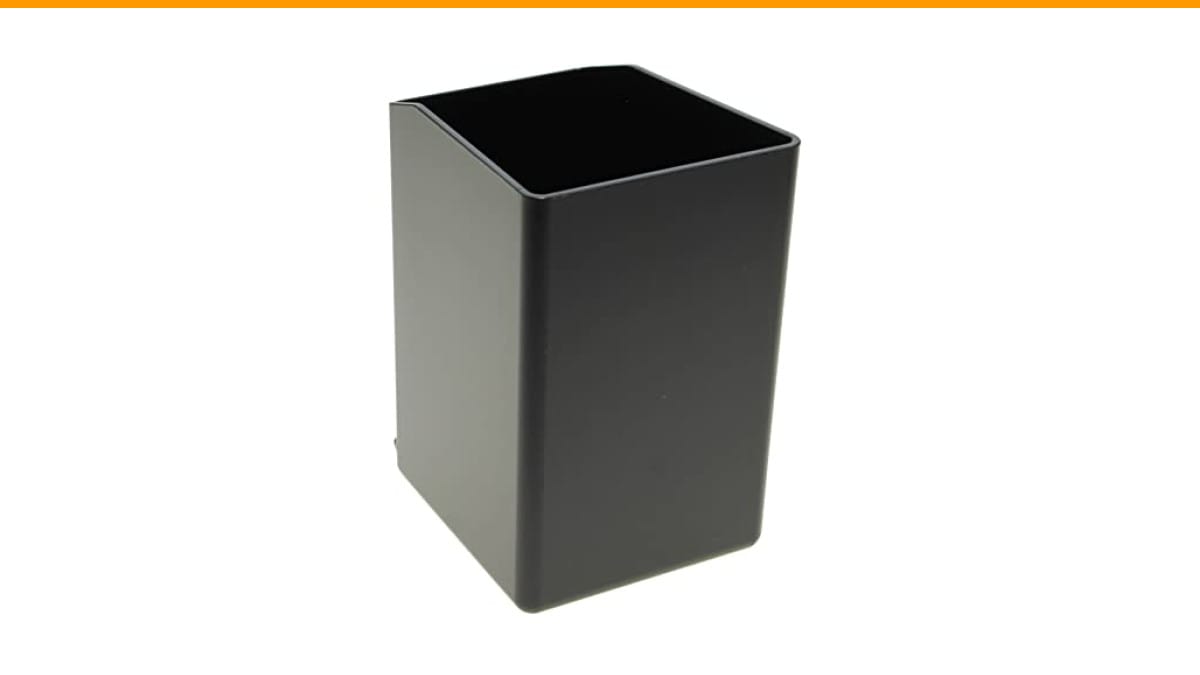
Capsule container compatible with/replacement part for Krups…
- Capsule container compatible with / replacement part for Krups XN910B XN9105 XN910C Vertuo Next Nespresso
As an Amazon Associate I earn from qualifying purchases.
By the end, you will know precisely which parts go on the top rack and which ones you need to hand wash. You will also know how to fix a part if you already made the mistake of running it through a hot cycle.
If you own a Vertuo Next, you might also be dealing with a cracked or stained capsule container. The SEB replacement capsule container is a direct fit for the Krups XN910B, XN9105, and XN910C models. It is a cheap fix that saves you from buying a whole new machine.
The Short Answer: Which Vertuo Parts Are Safe?
Here is the breakdown without fluff. The drip tray grid and the used capsule container are the only plastic parts I would trust in the dishwasher on a regular basis. Everything else—specifically the water tank and the milk frother—needs to stay out.
The reason is not just about melting. It is about warping. A plastic part can look fine when it comes out, but the heat changes its internal structure. The next time you lock it into place, it might not sit flush. That causes leaks or misalignment in the brewing mechanism.
The ‘Top Rack Only’ Rule
When you do wash the safe parts, they go on the top rack. The bottom rack sits too close to the heating element. Most dishwashers reach 140°F to 160°F on the top rack, but the bottom can spike above 170°F. That extra heat is where you start seeing deformation.
Use the normal wash cycle, not the sanitize or heavy-duty cycle. Sanitize cycles push water above 160°F for extended periods. That is a recipe for a warped drip tray.
The Dishwasher-Safe List (Yes, You Can Wash These)
These parts have survived multiple cycles in my testing without visible damage or loss of fit. They are thick enough to handle the heat, and they do not have any rubber seals or electrical components.
Drip Tray and Grid
The drip tray is the large plastic basin that catches overflow. The grid is the metal or plastic grate that sits on top. Both are safe for the top rack.
One caveat: if your machine has the metal grid version, it is completely safe. If you have the all-plastic version, it is still fine, but you might notice a slight whitening of the plastic over time. That is harmless, just a cosmetic change from the detergent. The tray will still lock into place correctly.
Used Capsule Container
The bin that collects spent pods is thick, sturdy plastic. It handles the dishwasher well. This is the part that gets the most coffee residue, so it actually benefits from a good hot wash.
Make sure you empty the old capsules first. Coffee grounds can clog your dishwasher filter if you leave them in the bin. Just dump the pods, rinse the bin, and place it on the top rack. If you need a replacement because yours is cracked or stained, check the replacement capsule container on Amazon.
The Hand-Wash Only List (Never Put These In)
This is where most people get into trouble. These parts look like they should be fine, but they are not.
The Water Tank (The Warping Risk)
The water tank is the biggest offender. It is a large, thin-walled plastic container. The dishwasher heat makes it warp in two ways. First, the base can bow outward, which means the tank no longer sits flat on the machine. Second, the lid can twist, which breaks the seal and lets dust and debris into your water.
I have seen tanks that look fine on the outside but have a distorted rim. When you fill them with water and place them back on the machine, they leak slowly down the back. That water pools under the machine and can damage your countertop. Just hand wash it.
The Milk Frother (The Motor and Seal Problem)
The Aeroccino milk frother has a motor in the base and a rubber seal on the lid. Neither survives a dishwasher cycle. The high heat degrades the rubber seal, causing it to harden and crack. The motor housing is not watertight, so the pressurized water can seep in and short-circuit the unit.
Even if the motor survives one cycle, the whisk will not spin as smoothly afterward. The bearing gets washed out. Hand wash the frother jug with warm soapy water immediately after use. It takes thirty seconds. If your frother is already acting up, read our guide on fixing a frother that won’t froth.
Why the Dishwasher Damages Plastic (The Science of Warping)
Plastic warps because of heat and detergent. The heat makes the polymer chains relax. When the plastic was molded, it was cooled under pressure to hold a specific shape. The dishwasher reheats it past its glass transition temperature, which is usually around 160°F to 175°F for polypropylene. Once past that point, the plastic softens and tries to return to a flat, unstressed state. That is why a flat drip tray suddenly develops a buckle in the middle.
Detergent makes it worse. Dishwasher detergents contain strong alkalis and enzymes designed to break down food grease. They also strip the plasticizers out of the polymer. This makes the plastic brittle. A part that was flexible becomes stiff and prone to cracking the next time you snap it into place.
This is not an immediate failure. You might run a part through the dishwasher ten times with no issue. On the eleventh wash, you pull out a water tank that no longer sits flush. The damage is cumulative.
The Hidden Cost: How Dishwasher Use Voids Your Warranty
Nespresso’s warranty covers defects in materials and workmanship. It does not cover damage caused by misuse. The user manual explicitly states that machine parts should be washed by hand. If a warped water tank causes a leak that damages your machine’s internals, the service center will deny your claim.
I have seen forum posts where users sent in a machine with a leaking tank, and Nespresso charged them for the repair because the tank was clearly heat-damaged. The technician can tell. Warped plastic has a glossy, stretched look in the deformed area.
If your machine is under warranty, the safest move is to hand wash every part. It is not worth risking a $300 machine to save five minutes of dishwashing.
Emergency Protocol: What to Do If You Accidentally Ran a Part
So you already made the mistake. The cycle is running, and you just realized the water tank is in there. Do not panic. There is a recovery protocol.
First, let the part cool completely on the drying rack. Do not force it back into shape while it is warm. That will cause a permanent crease.
Second, inspect the part for warping. Place the water tank on a flat counter. Does it rock back and forth? Place the drip tray on the machine. Does it click in without pressure? If it fits, you are likely fine.
Third, air dry everything for at least 24 hours before reinserting. This is critical for any part that sits near electrical contacts. The dishwasher traps water in crevices. If you plug the tank back in while it is still damp, you risk a short circuit. If you are having electrical issues after this, check our troubleshooting guide for water pump failures.
If the part is warped, do not try to fix it. Order a replacement. A warped tank will leak, and a warped drip tray will overflow because the sensor gets misaligned.
The Best Way to Clean Non-Dishwasher Parts (Vinegar Soak Method)
Hand washing with dish soap works for daily grime. For the sticky coffee residue that builds up on the drip tray and tank, use a vinegar soak. It is cheaper than specialized cleaners and works better.
Mix one part white vinegar with two parts warm water in a sink or large bowl. Submerge the plastic parts completely. Let them soak for 30 minutes. The acetic acid dissolves the coffee oils and hard water scale that soap leaves behind.
After the soak, scrub with a soft sponge. Rinse thoroughly with cold water. The vinegar smell disappears once the parts dry. Do not use this method on the milk frother. The vinegar can degrade the rubber seal. Just use mild soap and water for that one.
Dishwasher Safety Comparison Table
| Part | Dishwasher Safe? | Risk Level | Recommended Method |
|---|---|---|---|
| Drip Tray (Plastic Base) | Yes (Top Rack) | Low | Top rack, normal cycle |
| Drip Tray Grid (Metal) | Yes | None | Any rack |
| Used Capsule Container | Yes (Top Rack) | Low | Empty pods, top rack |
| Water Tank | No | High | Hand wash or vinegar soak |
| Milk Frother (Aeroccino) | No | Critical | Hand wash, soap and water |
| Drip Tray Grid (Plastic) | Yes (Top Rack) | Medium | Top rack, watch for whitening |
Frequently Asked Questions
Will the dishwasher melt my Vertuo parts?
Most parts will not melt into a puddle. They will warp. The plastic softens and changes shape, which breaks the fit. The water tank base is the most likely to deform because it is a large flat surface with thin walls.
Can I put the Nespresso Vertuo drip tray in the dishwasher?
Yes, the drip tray base and grid are safe on the top rack. Use a normal cycle, not a sanitize or heavy-duty cycle. The tray will handle the heat fine, but you might see slight cosmetic whitening over time.
Why is my water tank leaking after I washed it?
The dishwasher likely warped the rim or the base. The tank no longer seals against the machine. Check if the tank rocks on a flat surface. If it does, you need a replacement. Do not try to bend it back.
Is the Aeroccino milk frother dishwasher safe?
No. The motor base and the rubber seal will fail. The heat degrades the seal, which causes leaks. The motor housing is not watertight, so water ingress will kill the unit. Wash it by hand.
Does washing parts in the dishwasher void the Nespresso warranty?
Yes, if the damage causes a failure. The warranty covers defects, not misuse. A warped tank that leaks and damages the machine’s internals will be denied as a warranty claim. The service center can identify heat damage easily.
What To Remember Next Time
- Only the drip tray and capsule container are dishwasher safe, and they belong on the top rack.
- Never run the water tank through a cycle. The base warps and leaks.
- Keep the milk frother away from the dishwasher. The motor and seal will fail.
- Use the vinegar soak method for the tank and tray to remove stubborn coffee residue.
- If you accidentally wash a part, air dry it fully for 24 hours before reinstalling.
- Check the fit of every part after a wash. If it rocks or clicks loose, replace it.
- When in doubt, hand wash. It takes two minutes and protects your warranty.
Products related to this article
Sponsored / affiliate links. As an Amazon Associate I earn from qualifying purchases. I may earn additional commission from eligible campaigns.
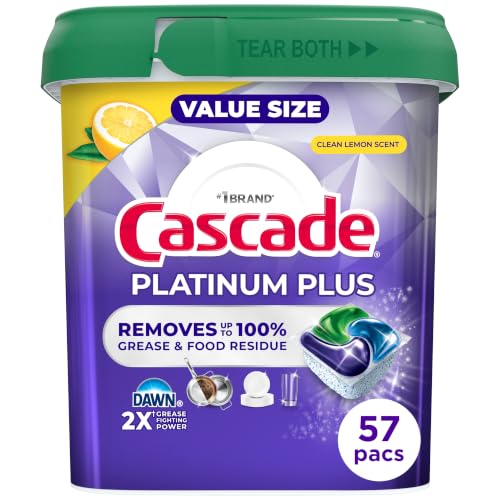 Cascade Platinum Plus Dishwasher Detergent Pods Dish Soap Lemon 57 Count
 Coffee Espresso Machine Handle Replacement Parts, Cafe Bracket Handle for Lidl Silvercrest CM4621 CM4218 KF5002 KF500S Barista (for 51mm Portafilter Basket - Not included)
 Linnkyfloa Coffee Espresso Maker Handle Replacement for Stovetop Moka Pot or Percolator, Black Plastic for Spare Part Compatible with Italian(9-12 Cup)