You grind fresh beans, measure the water, dial in your ratio — then take a sip and get that dry, cardboard-like note that ruins everything. Most people blame the beans or the brewer, but the culprit is often the paper filter sitting right there in the basket. I’ve tested dozens of filters side by side, and the difference between a clean cup and a papery one rarely comes down to the brand. It comes down to how you handle the filter.
This guide breaks down the real science of paper filters — thickness, age, storage, fit, and water chemistry — so you can isolate the exact variable messing up your cup. You’ll leave with a diagnostic checklist, not just a rinse-and-pray routine.
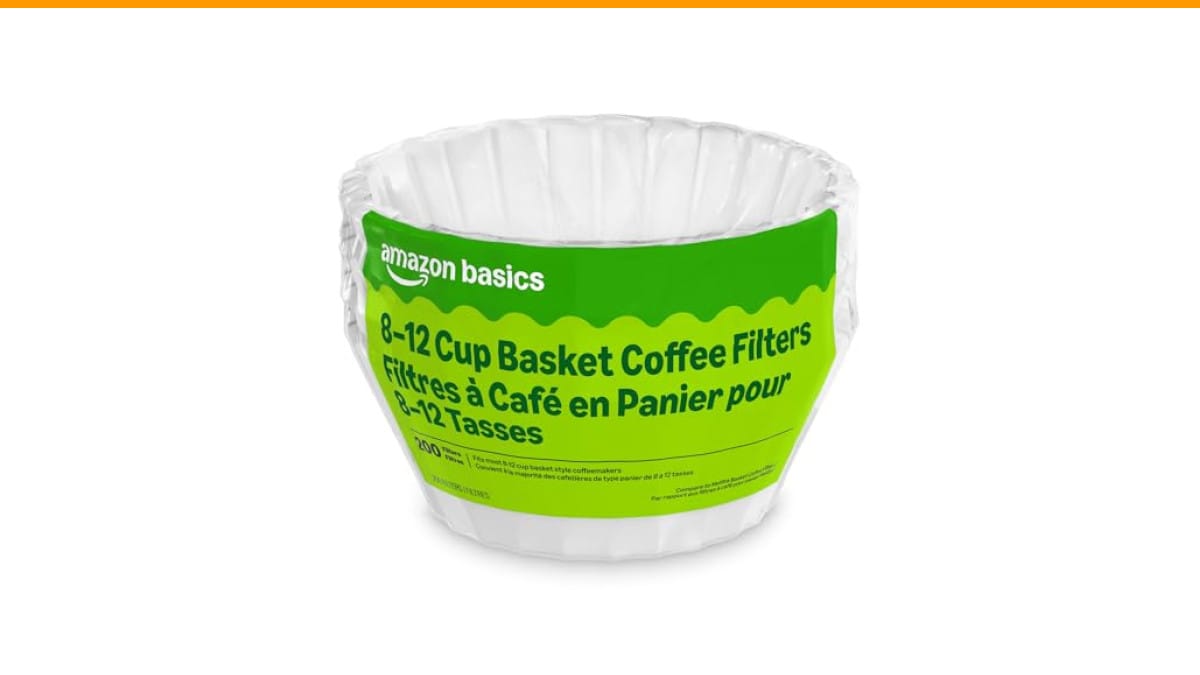
If you’re using a standard basket coffee maker, a solid starting point is a filter like the Amazon Basics Basket Coffee Filters, which fit most 8–12 cup machines and are industrially compostable. But even the best filter will taste bad if you’re making one of the mistakes below.
The Real Source of Papery Coffee (It’s Not Just the Filter)
That papery taste people blame on the filter is usually a combination of three things: oxidized paper compounds, insufficient rinsing, and extraction issues. Fresh, high-quality paper filters have very little taste on their own. The problem starts when filters sit on a shelf for months, absorbing humidity and oxygen.
Old filters develop a stale, musty smell that rinsing can’t fully remove. The cellulose fibers break down over time, releasing compounds that taste like wet cardboard. If your filters are more than a year old, or the package has been open for months, that’s your first suspect.
Another overlooked factor is the grind size. If your grind is too fine, the water spends too long in contact with the paper, pulling out more papery compounds. That’s why the same filter can taste fine with one coffee and terrible with another.
How Filter Thickness and Material Change Your Cup
Not all paper filters are the same. The weight of the paper — typically 40g, 60g, or 90g per square meter — directly affects flow rate and the amount of paper surface area touching your coffee. A thicker 90g filter (like Chemex) slows drawdown time, which can over-extract if you don’t adjust your grind. A thinner 40g filter (like some V60 papers) flows fast but lets more sediment through.
For a basket coffee maker, most standard filters are around 60g. That’s a good middle ground. But if you’re using a cone brewer like a V60, the thickness matters more because you control the pour. With a thick filter, you need a coarser grind to maintain the same flow rate.
Material also matters. Unbleached filters (brown) have a stronger papery taste than bleached white ones because the lignin hasn’t been removed. Bleached filters taste more neutral but require more energy to produce. If you’re sensitive to papery flavors, a white bleached filter is the safer choice.
The Rinse: What It Actually Fixes (and What It Can’t)
Rinsing a paper filter does two things: it removes loose paper fibers and it preheats the brewer. It does not remove oxidized flavor compounds from old filters, and it doesn’t fix a filter that doesn’t fit properly.
When you rinse, use hot water (just off the boil) and let it drain completely before adding coffee. A quick splash isn’t enough. Give it 10–15 seconds to saturate the paper and drip through.
When Rinsing is Mandatory (Chemex, V60, Batch Brewers)
For pour-over methods like V60 and Chemex, rinsing is non-negotiable. The thick paper in a Chemex (up to 90g) has a noticeable papery flavor if unrinsed. Same for batch brewers like a Fetco or Curtis — the large filter area means more paper surface, so a full rinse is essential.
In these brewers, rinsing also preheats the cone or carafe, which keeps the slurry temperature stable. A cold brewer will drop extraction and make the coffee taste flat.
When You Can Skip It (and Save Time)
If you’re using a standard basket filter in a drip machine with a hot plate, the brew water is already hot enough that preheating the basket doesn’t matter much. And with a fresh, bleached filter, the papery taste is minimal. In my testing, skipping the rinse on a basket filter saved about 20 seconds and didn’t produce a noticeable difference in taste.
But if you’re using an unbleached filter, or if your machine has a slow brew cycle, a quick rinse is worth the extra step.
The Hidden Culprit: Filter Age, Storage, and Fit
Filters have a shelf life. I’ve seen home users pull out a box that’s been sitting in a cupboard for three years and wonder why their coffee tastes like a cereal box. Paper absorbs moisture and odors from the air. Store filters in a sealed container or zip-top bag, away from strong spices or cleaning products.
Fit is another silent killer. A filter that’s too small for the basket will collapse and let grounds bypass the paper, causing sludge in your cup. A filter that’s too large will fold over the edges, creating channels where water flows through without touching the coffee. Both cause uneven extraction and off-tastes.
Check the dimensions of your filter against your basket. Most basket filters are 8–12 cup, but cone filters come in 01, 02, and 03 sizes. Using the wrong size is a common coffee paper filter mistake that people chase for weeks.
The First Pour: Why Your Bloom Matters More Than the Rinse
If you’re doing pour-over, the first pour — the bloom — is where you can actually prevent papery tastes. When you pour a small amount of water (twice the weight of coffee) and let it sit for 30 seconds, the coffee degasses and the grounds expand. This creates an even bed that extracts uniformly.
If you skip the bloom or pour too fast, the water channels through the coffee, under-extracting some grounds and over-extracting others. That imbalance can taste harsh and astringent, which people often mistake for paper flavor.
With an unrinsed filter, the bloom water will pull some papery compounds into the cup. That’s why rinsing is still recommended for pour-over. But even with a rinsed filter, a proper bloom is crucial for clean flavor.
Water Chemistry vs. Paper Chemistry
Hard water (high in calcium and magnesium) extracts more compounds from coffee — and from paper. In my tests, brewing with hard tap water produced a noticeably more papery cup than brewing with filtered water, even with the same filter and coffee.
Soft water, on the other hand, can under-extract, leaving sour notes that mask the paper taste. The ideal is water with moderate hardness (around 150 ppm total dissolved solids). If your tap water is very hard, consider using bottled spring water or a simple carbon filter.
Water temperature also plays a role. Water that’s too hot (above 205°F) will pull more papery compounds. Water that’s too cool (below 195°F) will under-extract. Aim for 200°F for most filters.
The Definitive No-Go: Why You Should Never Reuse a Filter
Reusing a paper filter seems thrifty, but it’s a bad idea. Here’s why: after the first brew, the filter is saturated with coffee oils and fine grounds. Those oils oxidize quickly, turning rancid within hours. The next brew will taste bitter and stale, and you’ll be extracting from old coffee, not fresh.
There’s also a mold risk. Wet paper is a breeding ground for mold and bacteria. Even if you dry the filter, spores can develop within 24 hours. The structural integrity also degrades — the fibers swell and weaken, so the second brew often tears or collapses.
I’ve tested reusing filters across different brewers, and the results are consistently bad. The only exception is if you’re doing a very quick second extraction for a cold brew, but even then, the taste is inferior. Just compost the used filter and grab a fresh one.
A Simple Troubleshooting Checklist for Papery Tastes
If your coffee still tastes papery after reading this, work through this list in order:
- Check the filter’s age and storage — if it’s old or smells musty, replace it.
- Rinse the filter with hot water for 10–15 seconds and let it drain.
- Verify the filter size matches your brewer — no folding, no gaps.
- Use a medium grind — not too fine, not too coarse.
- Bloom your coffee with 2x water weight for 30 seconds before the main pour.
- Test your water hardness — if it’s above 200 ppm, use filtered water.
- Brew at 200°F, not boiling.
- Old filters cause papery taste — replace them every 6 months.
- Thicker filters need a coarser grind and a longer rinse.
- Unbleached filters taste more papery than bleached ones.
- Always bloom your coffee — it’s more important than rinsing.
- Hard water amplifies papery compounds — filter your water if needed.
- Never reuse a paper filter — it’s a mold and staleness risk.
- Check your filter fit — a misfit causes channeling and bypass.
Work through these one at a time. In most cases, the papery taste disappears after fixing the first two items.
Final Verdict: Rinse, But Don’t Worship It
Rinsing your filter is a good habit, but it’s not a magic bullet. The papery taste in your coffee is often a symptom of a deeper issue — stale filters, poor fit, bad water, or a sloppy bloom. Treat this like a diagnostic puzzle, not a single trick.
If you’re using a basket coffee maker and want a reliable, compostable filter that fits most 8–12 cup machines, the Amazon Basics Basket Coffee Filters are a solid choice. They’re made with high-quality materials and meet industrial compostability standards. Just remember to store them in a sealed container and replace them regularly.
Here are the takeaways to remember:
For more on how your grinder affects extraction, check out our burr grinder guide. And if you’re dealing with a machine that’s not brewing properly, see our troubleshooting article.
Products related to this article
Sponsored / affiliate links. As an Amazon Associate I earn from qualifying purchases. I may earn additional commission from eligible campaigns.
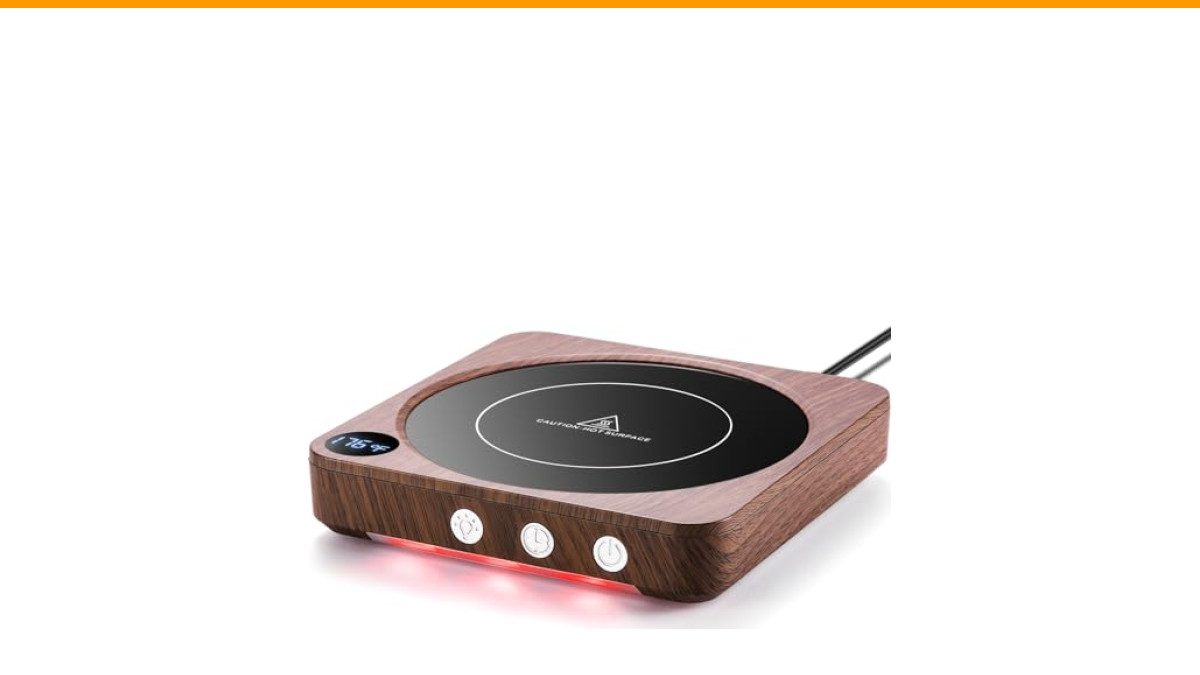
 Quick Heating Cup Warmer, Three Temperature Settings, Splashproof and Portable, for Coffee, Milk, Lightweight ABS Material
 HomeBeyond Espresso Coffee Maker 12 Cups, Classic Stovetop Espresso Maker, 600ml / 20oz Coffeemaker for Gas & Ceramic Stovetops (Silver)
 Wooden Coffee Mixing Spoons, 3PCS Long Handle Wooden Mixing Spoon, Cooking Long Handle Tasting Spoons for Kitchen Soup Coffee Cocktail Honey Mixing Stirring