Few things ruin a morning faster than a piercing shriek from your espresso machine. You are not alone in this. Most home baristas hear a loud noise from their espresso machine with milk frother at some point, and the immediate fear is a costly repair. More often than not, the fix is simpler than you think.
This guide acts as a mechanic’s diagnostic flowchart. We will walk through a logical sequence to isolate whether the sound comes from the pump, the boiler, or the steam wand. You will learn the specific differences between normal operation and warning signs, and I will tell you exactly which parts to check before you ever consider calling a technician. By the end, you will have a clear action plan and a maintenance schedule to keep things quiet.

Tillbrook
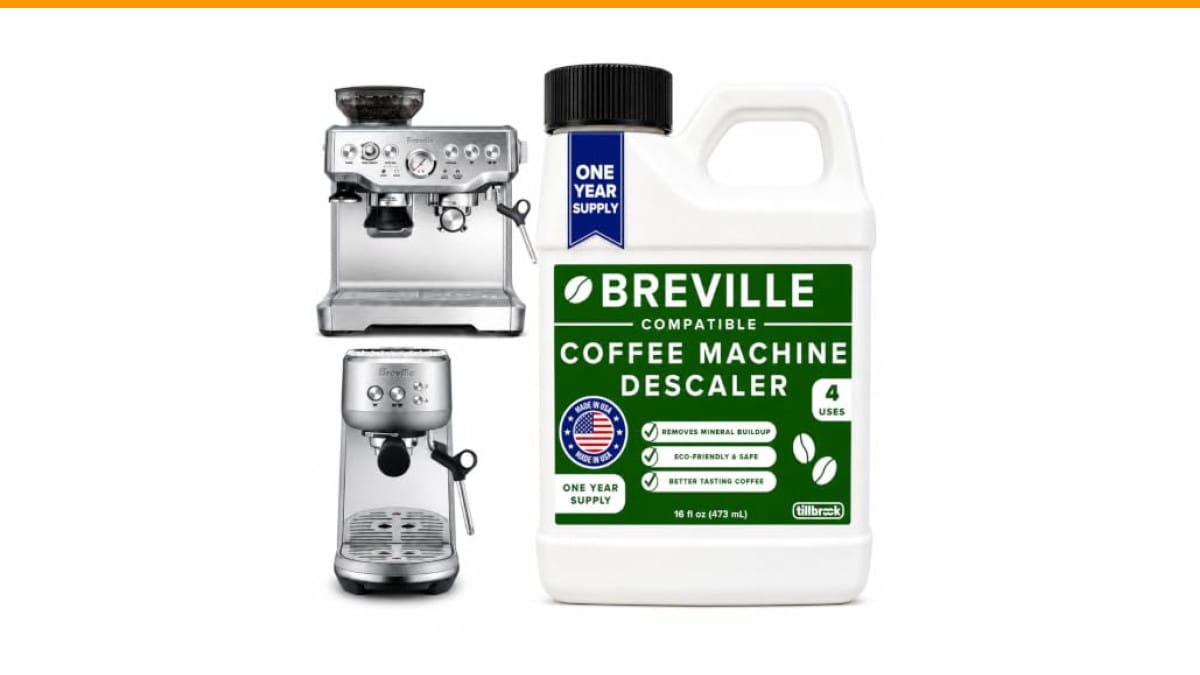
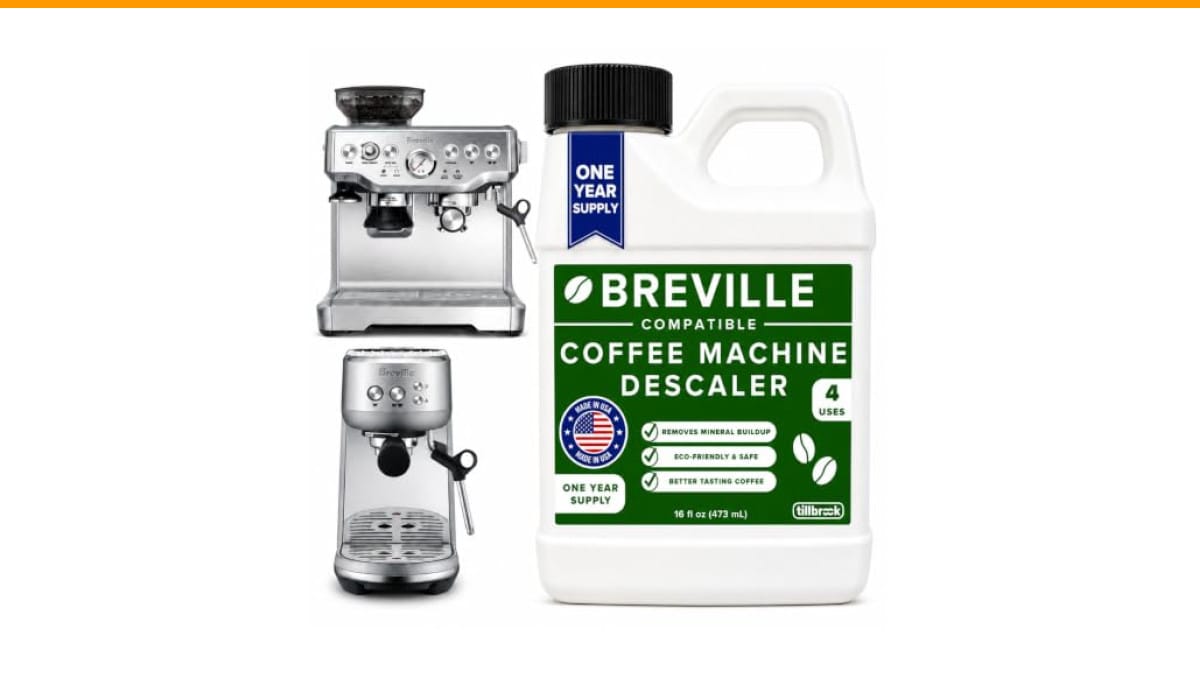
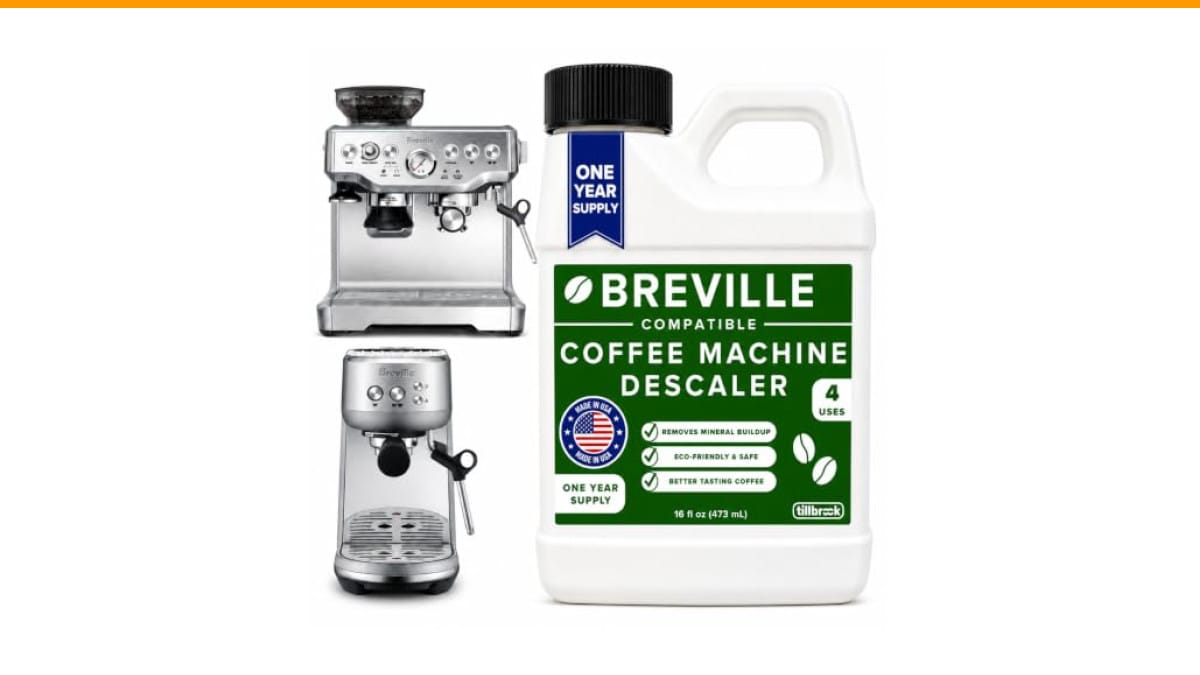
Breville Espresso Machine Compatible Descaler, 4 Uses,…
- EXCEPTIONAL RESULTS: Introducing Tillbrook Coffee Machine Descaler specifically formulated for Breville—the best choice for removi…
- 1 YEAR SUPPLY: Our concentrated formula is easy to use and provides remarkable value with 4 cleanings per bottle. Simply add 1/2 c…
- SCIENTIFICALLY ENGINEERED: Our advanced descaling solution is carefully crafted with powerful, all-natural ingredients that remove…
As an Amazon Associate I earn from qualifying purchases.
Before we dive into the mechanics, one quick note on upkeep. Regular descaling prevents many of the noises we will discuss. Hard water buildup is a primary culprit for loud buzzing and sputtering. A product like the Tillbrook Descaler for Breville handles this safely. It removes mineral buildup without damaging internal seals, and one bottle covers four cleanings, which is a solid year of maintenance for most households.
Quick Diagnosis: Is It Normal or a Problem?
All espresso machines make noise. A vibration pump hums, a steam wand hisses, and a grinder crunches. The trick is distinguishing the expected sounds from the ones indicating trouble.
A normal pump sounds like a steady, low hum. It might vibrate the counter slightly. A normal steam wand produces a soft hiss, like a kettle releasing pressure. These sounds are constant and rhythmical.
Problem sounds are different. Listen for a high-pitched whine, a metallic rattle, or a gurgling sputter. A sudden change in volume is your biggest clue. If your machine was quiet last week and screams today, something changed. That change is usually scale buildup, a dry pump, or a blocked valve.
Here is a quick reference for what you are hearing:
| Symptom | Likely Cause | Severity |
|---|---|---|
| Steady low hum during brew | Normal pump operation | None |
| High-pitched whine during pull | Pump struggling against blockage or scale | Medium |
| Loud rattling or knocking | Loose internal parts or empty water tank | High |
| Loud hissing from steam wand | Normal steam generation | None |
| Screaming or sputtering from wand | Blocked tip or air intake | Medium |
| Grinding sound during brew | Foreign object in pump or severe scale | High |
The “First Pull” Test: Isolating the Source of the Noise
Stop guessing and start testing. This diagnostic sequence takes five minutes and tells you exactly where the noise originates. You do not need any tools.
- Fill the water tank. Ensure it is full to the max line. Low water levels cause the pump to suck air, which creates a loud, sputtering noise.
- Run water through the group head. Place a cup under the portafilter (empty, no coffee). Start the brew cycle. Listen carefully. Is the noise coming from the machine body or the portafilter area?
- Stop the brew and activate the steam wand. Open the steam valve fully for five seconds. Listen to the pitch of the hiss. Is it smooth, or does it sputter?
- Compare the two. If the noise happens only during brewing, it is the pump or boiler. If it happens only during steaming, it is the steam circuit.
This test narrows your problem down by 50%. You now know which subsystem to focus on. Most people skip this step and start buying replacement parts blindly. Do not do that.
Pump Noises: Buzzing, Rattling, and Grinding Fixes
The pump is the heart of your machine, and it is the most common source of loud noises. The type of pump matters.
Vibration vs. Rotary Pump Sounds
Most home machines under $1,000 use a vibration pump. These are small, solenoid-driven devices that pulse rapidly. They are naturally louder than the rotary pumps found in commercial machines. A vibration pump creates a distinct buzzing or humming sound. That is normal.
Rotary pumps are quieter and use spinning vanes. They produce a smooth, low whir. If you hear a high-pitched whine from a rotary pump, it is likely cavitating, which means air is in the line. This is a priming issue.
Priming the Pump and Checking Water Flow
If your pump sounds like it is grinding rocks, check the water flow first. Remove the water tank and look at the intake tube. Is there a kink? Is the filter screen at the bottom of the tube clogged? A blocked intake starves the pump of water.
Run the pump with the portafilter removed. If the noise stops, the problem is back pressure, often caused by too-fine coffee grounds. If the noise continues, the pump itself may have scale buildup or a failing internal valve.
One specific fix: try priming the pump manually. Some machines have a prime button, but most do not. Instead, turn the machine on, open the steam wand, and run the pump for 20 seconds. This purges air from the system. Air bubbles cause a rattling sound that mimics a broken pump.
Steam Wand Screaming and Hissing Solutions
A steam wand that screams is annoying. It usually means the steam is escaping through a tiny gap, creating a whistle. This happens for two reasons.
Clearing Blockages and Adjusting the Tip
Milk residue dries and hardens inside the wand tip. This narrows the opening, increasing the pressure and creating a high-pitched sound. Soak the tip in hot water with a cleaning solution for 15 minutes. Use a pin to clear the tiny hole.
Another culprit is a loose connection where the wand attaches to the machine. Steam escapes through the threads, producing a whistle. Tighten the fitting gently with a wrench. Do not overtighten, as you can crack the plastic threads.
If the wand sputters instead of hissing, you have water in the steam line. This happens when you do not purge the wand before steaming. Open the valve for a few seconds before you put the pitcher under it. This clears the condensation and produces a clean, dry steam.
The Hidden Culprit: Scale, O-Rings, and Water Chemistry
Here is where most people get stuck. They clean the pump, clear the wand, and the noise persists. The issue is often internal scale buildup or worn seals.
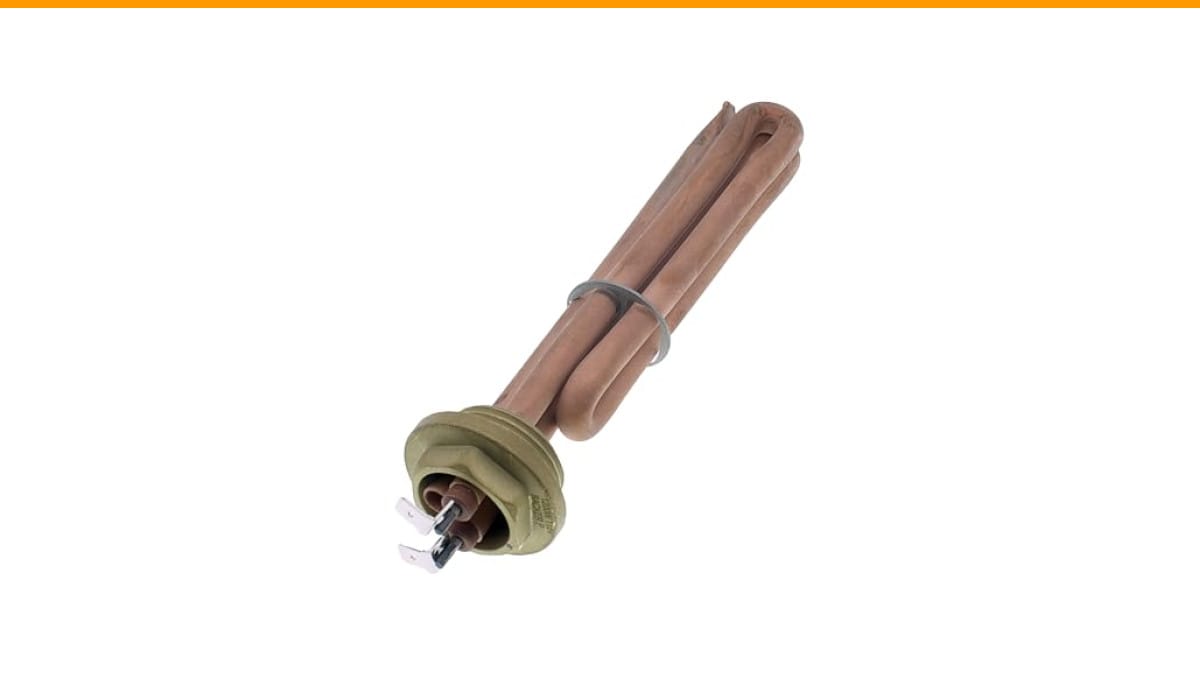
Scale acts like sandpaper inside your machine. It coats the heating element and the inside of the boiler. When the heating element heats up, the scale expands and contracts at a different rate than the metal. This creates a popping or ticking sound. Over time, scale restricts water flow, forcing the pump to work harder. That extra effort translates to a louder, higher-pitched whine.
Water chemistry matters more than you might expect. Calcium carbonate scale is hard and brittle. Magnesium scale is softer but more insulating. Both cause noise, but they require different cleaning approaches. A strong descaling solution, like the Tillbrook descaler, breaks down both types effectively.
O-rings and gaskets are another silent failure point. The group head gasket seals the portafilter. When it wears, it allows air to be sucked into the brew path. This causes a loud sputtering or screaming noise during the pull. Replacing a group head gasket is a 10-minute job and costs less than $15. It is the most overlooked fix for noise issues.
If you suspect scale is the issue, check out our guide on descaling at home for a step-by-step process.
Grinder Grumble vs. Machine Rattle: How to Tell Them Apart
Sometimes the noise is not coming from the espresso machine at all. If you have a built-in grinder, the burrs produce a distinct sound. Dull burrs create a higher-pitched whine because they struggle to cut the beans. Fresh, sharp burrs produce a deeper crunch.
Listen closely. A grinder noise stops the moment the grinding cycle ends. It is also intermittent, occurring only when you pull the portafilter lever or press the grind button. If the noise continues after grinding stops, it is the machine, not the grinder.
One common issue: beans stuck between the burrs. This causes a loud, repetitive clicking. Turn off the machine, unplug it, and remove the hopper. Inspect the burrs for obstructions. Clean them with a brush, never water.
If your grinder is separate, place it on a rubber mat. Vibration from the grinder can resonate through the counter and make the espresso machine seem louder than it is. Isolation mats solve this cheaply.
Noise by Machine Type: Single Boiler vs. Dual Boiler vs. Super-Automatic
Different machines have different noise profiles. Knowing yours helps you set expectations.
Single boilers switch between brewing and steaming. You will hear a loud clicking when the solenoid valve switches modes. This is normal. A persistent buzz after the switch indicates a stuck valve.
Dual boilers have two separate heating elements. They cycle on and off independently. You might hear a soft click every few minutes as one boiler turns on. This is normal. A loud bang or hammering sound is not. That indicates water hammer, which happens when air pockets collapse in the pipes.
Super-automatic machines are the noisiest. They contain a grinder, a pump, and a frother all in one unit. The sequence of sounds can be confusing. A grinding noise followed by a hiss is normal. A grinding noise followed by a high-pitched scream is not. Pay attention to the order of operations. If the sequence changes, something is wrong.
For a broader comparison of machine types, read our piece on automatic vs semi-automatic machines.
Sound Dampening: Safe DIY Vibration Reduction
You can reduce noise without opening the machine. Vibration is the main culprit for counter-rattling sounds.
Buy a silicone or rubber mat designed for espresso machines. Place it under the machine. This absorbs vibration and prevents the machine from physically vibrating against the counter. It is cheap and does not affect the machine’s performance.
Check the feet. Many machines have adjustable rubber feet that loosen over time. Tighten them with a wrench. If a foot is missing, replace it. A machine sitting unevenly will rattle.
One thing to avoid: don’t stuff foam or padding inside the machine casing. This traps heat and can cause overheating. The machine needs airflow. Stick to external dampening only.
Another trick is to check the cup tray. A loose drip tray vibrates loudly. Remove it, clean it, and re-seat it firmly. This solves a surprisingly high number of “loud noise” complaints.
When to Stop DIY and Call a Professional
Some noises indicate a serious problem. Do not attempt repairs on these:
- Grinding metal sound during brewing: This is often a shattered pump impeller or a foreign object in the line.
- Continuous clicking that doesn’t stop: This is a failing relay or control board issue.
- Loud bang followed by a burning smell: This is an electrical short or heater failure. Unplug immediately.
- Water leaking along with the noise: This indicates a cracked boiler or blown seal.
If you hit any of these, stop. Open the machine and you risk electric shock or voiding the warranty. A professional repair costs $100-$200 for these issues. It is cheaper than buying a new machine.
If the noise is accompanied by a complete failure to brew, see our troubleshooting guide for automatic espresso machine noise.
Preventive Maintenance Schedule to Keep It Quiet
Prevention beats repair. Follow this schedule to avoid most noise issues.
- Daily: Purge the steam wand after use. Wipe the group head. Empty and rinse the drip tray.
- Weekly: Backflush the machine with water (if it has a blind basket). Clean the portafilter and basket thoroughly.
- Monthly: Inspect the group head gasket for wear. Check the water tank filter and replace if dirty.
- Quarterly: Descale the machine. Use a proper descaler, not vinegar. Vinegar can damage internal seals over time.
- Yearly: Replace the group head gasket and shower screen. Check all hoses for cracks.
Sticking to this schedule prevents scale buildup, which is the root cause of 70% of loud noise complaints. It also keeps the pump lubricated and the valves moving freely.
FAQ: Sudden Noises and Post-Cleaning Sounds
Why is my espresso machine making a loud noise all of a sudden?
A sudden noise usually means a part failed or a blockage formed. Check the water tank level first. If it is low, the pump is sucking air. If the tank is full, run the First Pull test. If the noise is isolated to the brew cycle, scale is likely the culprit. If it happens on startup, the check valve might be stuck.
Why is my espresso machine making a loud noise after descaling?
This is common. Descaling loosens large chunks of scale. Those chunks can break free and clog the solenoid valve or the pump inlet. Run a few water-only cycles to flush out the debris. If the noise persists, you may need to disassemble and manually clear the valve. It is annoying, but it means the descaler worked.
Is it normal for a new espresso machine to be loud?
Some noise is normal. Vibration pumps are inherently loud. However, a new machine should not rattle or scream. If it does, check for shipping damage. Ensure the water tank is seated correctly and the drip tray is locked in. If the noise is a high-pitched whine, it might be air in the pump. Prime the system by running water through the steam wand.
Can I use vinegar to descale my espresso machine?
You can, but I do not recommend it. Vinegar is acetic acid. It is weaker than commercial descalers and leaves a residue that can taste like pickles. More importantly, it can degrade the rubber seals and O-rings over time. A dedicated descaler is safer and more effective. It is worth the small cost.
Why does my steam wand make a loud hissing noise when I turn it off?
This is the pressure relief valve venting. When you close the steam valve, the boiler pressure needs to escape. The machine releases it through a vent. A short hiss (1-2 seconds) is normal. A long, continuous hiss indicates the valve is stuck open or the boiler is over-pressurizing. If it lasts longer than 5 seconds, check the pressure stat.
What You Should Do Next
- Run the First Pull test before buying any parts. Isolate the noise to the pump, boiler, or steam circuit.
- Check the water tank level and the intake tube for blockages. Low water is the most common cause of sudden loud buzzing.
- Descale your machine if you haven’t in the last three months. Scale is the number one cause of whining pumps and popping boilers.
- Inspect the group head gasket. A worn seal causes air intake and sputtering noises.
- Place a rubber mat under the machine to eliminate counter vibration rattles.
- Call a professional if you hear grinding metal or smell burning. Do not open the machine yourself.
- Keep a descaling schedule. A clean machine is a quiet machine.
Products related to this article
Sponsored / affiliate links. As an Amazon Associate I earn from qualifying purchases. I may earn additional commission from eligible campaigns.
 Coffee Espresso Machine Handle Replacement Parts, Cafe Bracket Handle for Lidl Silvercrest CM4621 CM4218 KF5002 KF500S Barista (for 51mm Portafilter Basket - Not included)
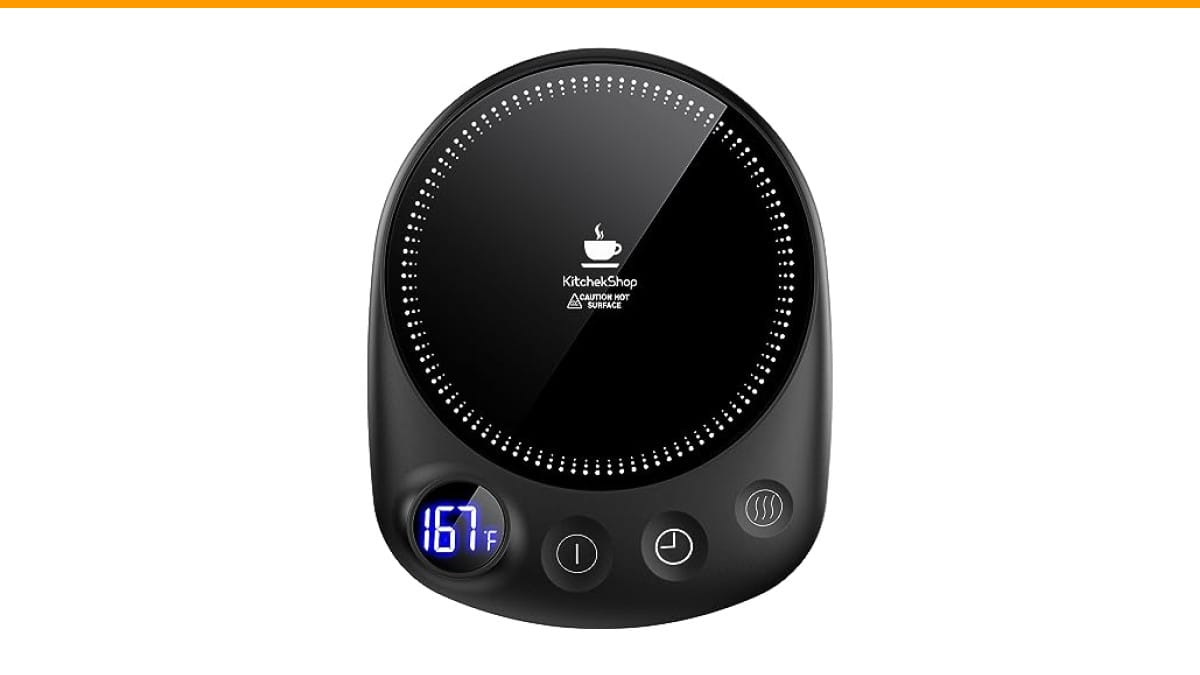
 Quick Heating Cup Warmer, Three Temperature Settings, Splashproof and Portable, for Coffee, Milk, Lightweight ABS Material
 Linnkyfloa Coffee Espresso Maker Handle Replacement for Stovetop Moka Pot or Percolator, Black Plastic for Spare Part Compatible with Italian(9-12 Cup)