You bought a super automatic espresso machine so your mornings could be effortless. You press a button, and espresso appears. Then, six months later, the shot runs slow, the crema looks thin, and that red light you ignored finally forces you to read the manual. The machine isn’t broken. It’s neglected.
Super automatics are brilliant, but they demand more care than a simple drip brewer. The grinder, brew unit, and steam wand all share one compact chassis, which means coffee oils, milk residue, and hard water scale accumulate fast. The good news: a solid routine takes about five minutes a day and an hour every few months. This guide covers exactly what to do, when to do it, and which mistakes to avoid.

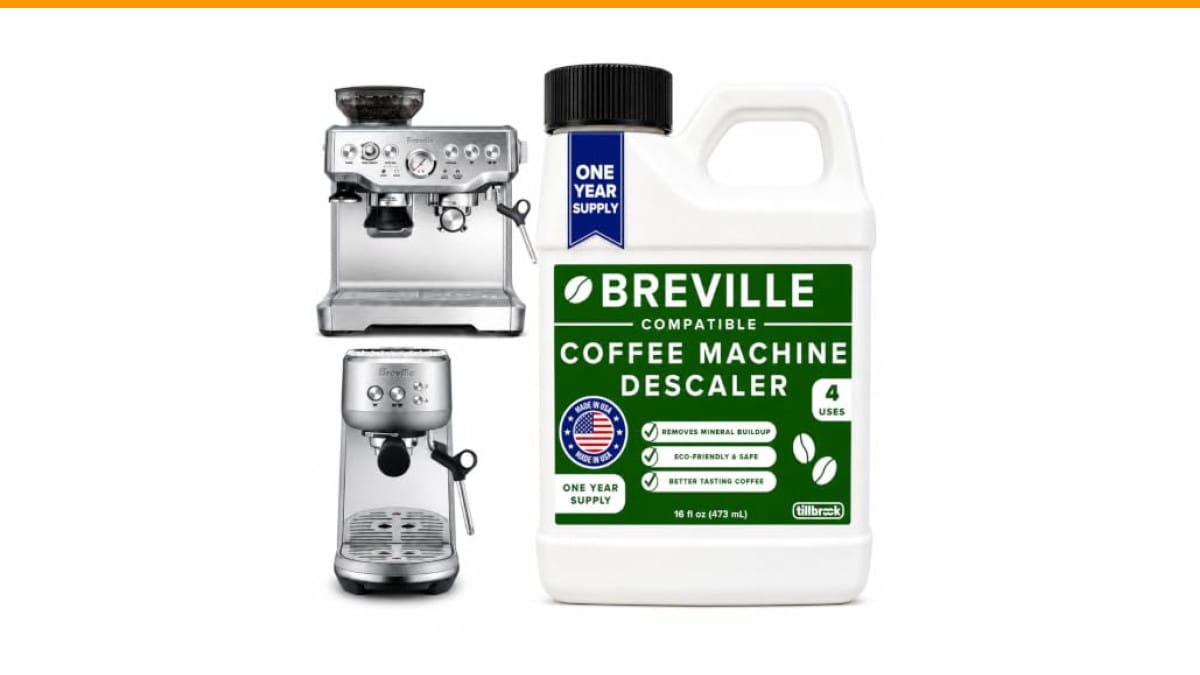
Tillbrook
Breville Espresso Machine Compatible Descaler, 4 Uses,…
- EXCEPTIONAL RESULTS: Introducing Tillbrook Coffee Machine Descaler specifically formulated for Breville—the best choice for removi…
- 1 YEAR SUPPLY: Our concentrated formula is easy to use and provides remarkable value with 4 cleanings per bottle. Simply add 1/2 c…
- SCIENTIFICALLY ENGINEERED: Our advanced descaling solution is carefully crafted with powerful, all-natural ingredients that remove…
As an Amazon Associate I earn from qualifying purchases.
You’ll walk away knowing the daily, weekly, and monthly steps, plus a clear descaling schedule that keeps your machine tasting like day one.
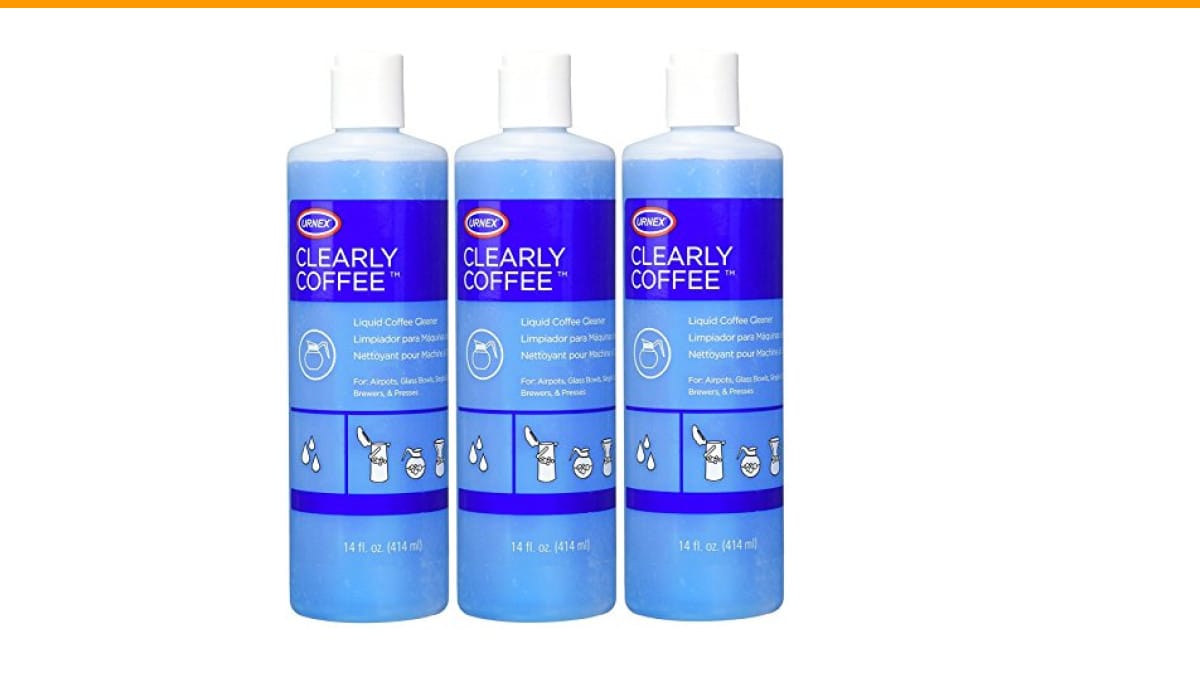
For descaling, a dedicated solution makes the job easier. The Tillbrook Breville-compatible descaler is a concentrated formula that tackles limescale and coffee residue in one pass. A single 16-ounce bottle delivers four cleanings, which works out to a full year of maintenance if you descale every three months. It’s tested on Breville, De’Longhi, and most other super automatic brands, so you don’t need to chase down a proprietary cleaner.
Why Super Automatics Need a Different Maintenance Approach
Your machine has three separate systems that all need attention: the brewing unit, the milk system, and the water path. Each fails differently if ignored.
The brewing unit is the heart. It grinds, compresses, and extracts every shot. Coffee oils cling to its plastic and metal parts, then go rancid. That rancid oil is why your espresso starts tasting bitter and muddy even with fresh beans. The unit needs a rinse after every few shots and a deeper clean weekly.
The milk system is worse. If you have a model with an automatic steam wand or milk carafe, you’re dealing with dairy residue that spoils in hours. Bacteria grow fast, and the taste transfers directly into your next cappuccino. Most manufacturers recommend purging the wand after every use and a full milk system cleaning weekly.
The water path is the silent killer. Hard water deposits limescale inside the boiler and pipes. Scale acts as insulation, so the machine works harder to heat water, uses more energy, and eventually the flow slows to a trickle. A machine that’s never descaled can die in under two years. One that’s descaled regularly can run for a decade.
Here’s a quick look at what each maintenance level involves:
| Frequency | What to Do | Time Needed | Products |
|---|---|---|---|
| Daily | Rinse brew unit, purge steam wand, empty drip tray | 2–3 minutes | Water only |
| Weekly | Clean brew unit, flush milk system, wipe exterior | 10–15 minutes | Mild detergent, soft cloth |
| Monthly | Deep clean group head, lubricate moving parts | 20 minutes | Brew unit grease, cleaning brush |
| Every 3–4 months | Descale entire water path | 30–45 minutes | Descaler solution |
The table is the skeleton. Now let’s talk about the actual routine, starting with what you should do before you even pour your first cup.
Daily Maintenance: The 3-Minute Habit
Most super automatics have a cleaning cycle you can run with a button press. Use it. Every single day.
Run a blank shot (hot water through the brew head without coffee) after your last espresso of the day. This flushes loose coffee grounds and oils off the group head before they dry into a crust. If your machine has a dedicated rinse cycle, use that instead. It takes 30 seconds.
Steam wand purging matters just as much. After frothing milk, wipe the wand tip with a damp cloth, then run steam for 2–3 seconds to blow out any milk that got sucked back inside. Milk that stays in the wand dries into a hard scale-like deposit that’s nearly impossible to remove later.
Empty the drip tray and knock box daily. Coffee grounds left sitting grow mold, and a full drip tray becomes a breeding ground for fruit flies. Pull the tray, rinse it under the tap, and let it dry while you’re at work.
One thing people skip: the bean hopper. If you don’t empty it daily, that’s fine, but give it a quick visual check. Whole beans don’t go stale as fast as ground coffee, but they still absorb humidity and odors from the kitchen.
That’s the whole daily routine. It takes less time than waiting for your kettle to boil. Skip it, and you’ll be dealing with the weekly clean that takes four times as long.
Weekly Cleaning: The Brew Unit and Milk System
Once a week, you need to go deeper. Most super automatics have a removable brew unit — the plastic block that holds the coffee grounds during extraction. Pop it out, and you’ll see what your daily rinse missed.
Rinse the brew unit under warm running water. Don’t use soap unless your manual says it’s safe; many manufacturers recommend water only because soap residue can affect the taste of your coffee. Use a soft brush to loosen grounds stuck in the crevices. Let it air dry completely before reinstalling — a damp brew unit can cause the machine to jam.
While the brew unit dries, clean the milk system. If you have an automatic milk carafe, disassemble it and soak the parts in warm soapy water. The rubber tubes inside the carafe collect milk film that you can’t see. Use a thin brush or pipe cleaner to scrub the inside of the tubes. Rinse everything thoroughly.
For machines with a steam wand, fill a small cup with water and run steam through it for 10 seconds. This flushes any milk residue from the internal steam path. Then wipe the wand exterior with a damp cloth.
Don’t forget the drip tray and its grid. These parts see the most mess, and they’re the easiest to clean. Wash them in the sink with dish soap, then dry them completely.
The exterior deserves attention too. Coffee splatter on the stainless steel attracts fingerprints and looks grimy. A microfiber cloth with a little warm water does the job. Avoid harsh cleaners; they can strip the coating on the control panel.
This weekly clean takes about 15 minutes. Do it on a weekend morning while your machine warms up.
Descaling: The Step Most People Get Wrong
Descaling is the maintenance task that separates a machine that lasts five years from one that lasts ten. Yet it’s also the one people skip because it feels complicated.
Here’s the truth: if your water is hard, you need to descale every 3–4 months. If you use softened water or a filtration system, you can stretch it to 6 months. The machine’s internal water hardness setting matters too. Set it correctly when you first install the machine, and the machine will tell you when descaling is due.
The process itself is simple. Empty the drip tray. Remove the water tank and fill it with a descaling solution mixed with water — the ratio depends on your specific product. The Tillbrook descaler uses a half-cup of concentrate per full tank. Run the descaling cycle as your machine instructs. This usually involves running the solution through the brew head and steam wand in stages, then letting it sit for a few minutes to dissolve scale.
After the solution runs through, you rinse. This is where people mess up. You need to run at least two full tanks of fresh water through the machine to flush out all descaler residue. If you skip the rinse, your coffee will taste like lemon-flavored cleaning product for weeks.
One mistake I see constantly: using vinegar instead of a commercial descaler. Vinegar is acidic enough to remove scale, but it’s also harsh on the rubber seals and internal gaskets. Over time, vinegar degrades these parts and can leave a lingering smell. Commercial descalers are formulated with the right acidity and corrosion inhibitors for espresso machines. Spend the few dollars on a proper product.
If you’re unsure whether your machine needs descaling, look for the signs: slow water flow, longer extraction times, louder pump noise, or a persistent white film on the drip tray. These all point to scale buildup. Catching it early means an easier descale.
For a deeper dive into the descaling process, check our descaling guide for step-by-step instructions that apply to most machines.
Monthly and Quarterly Deep Maintenance
Monthly, you should inspect the brew unit for wear. The moving parts — usually the piston and the plastic gears — benefit from a food-grade silicone lubricant. Most manufacturers sell a specific grease for this purpose. Apply a thin layer to the moving parts as shown in your manual. This prevents the brew unit from jamming, which is the most common mechanical failure in super automatics.
Also check the water filter. Many machines have a small charcoal filter in the water tank that softens water and removes chlorine. These filters typically last 2–3 months. Replace it on schedule, or your descaling interval shortens dramatically. A clogged filter restricts water flow and makes the pump work harder.
Quarterly, along with descaling, do a full exterior deep clean. Remove the top panel if your machine allows it, and vacuum out any coffee dust that settled on the grinder burrs and internal components. Use a soft brush to sweep away grounds around the chute. This is also a good time to inspect the power cord and check for any leaks around the boiler connections.
If your machine has a dedicated cleaning tablet cycle (many Breville and De’Longhi models do), run that quarterly as well. These tablets dissolve coffee oil residue inside the brew group that water alone can’t remove. It’s an extra step, but it directly impacts shot quality.
Finally, consider your water source. If you’re on municipal hard water, a simple inline water softener or using filtered water in the tank reduces scale buildup dramatically. This single change can double the life of your machine.
Common Mistakes That Kill Super Automatics
You’d think the machine itself would be the fragile part, but most failures come from user habits. Here are the ones I see most often in repair forums and from my own testing.
Ignoring the drip tray full indicator. When the tray fills, the machine stops working and shows an error. Some people pull the tray, dump it, and put it back without cleaning the grid. That’s fine for a day, but the tray and grid need a proper wash weekly. The float sensor inside the tray can get stuck if coffee residue dries on it, causing false full indicators.
Using oily or dark-roasted beans. Super automatic grinders are designed for medium-roast beans. Dark roasts and flavored beans leave a sticky oil residue inside the grinder chute that clogs the mechanism. If you love dark roasts, plan on cleaning the grinder area monthly.
Forgetting to prime the steam wand. Many machines require you to run the wand for a few seconds before it produces steam. If you skip this, the pump runs dry and can overheat. Always follow the startup sequence in the manual.
Putting milk in the water tank. It sounds absurd, but it happens. People confuse the water tank with the milk carafe on models that have both. Milk in the water path is catastrophic — it curdles, clogs the boiler, and requires a full teardown to clean. Label your tanks if you need to.
Skipping the cleaning cycle. The machine’s built-in cleaning cycle is designed for a reason. It flushes the group head with hot water and cleaner at the right pressure. If you never run it, the group head accumulates oils that affect every shot you pull. Run it at least weekly, and after descaling.
If your machine is already showing symptoms of neglect — like making loud noises or leaking water — our troubleshooting guides cover the common fixes before you call a repair shop.
Frequently Asked Questions
How often should I descale my super automatic espresso machine?
Every 3–4 months is the standard recommendation for machines used daily with average tap water. If you use a water filter or softened water, you can push it to 6 months. The machine’s display will usually tell you when descaling is due — don’t ignore it. Descaling takes about 30 minutes of mostly passive time.
Can I use vinegar to descale my espresso machine?
Technically yes, but I don’t recommend it. Vinegar’s acidity can damage rubber seals and gaskets over time, and the smell tends to linger even after multiple rinses. A commercial descaler like the Tillbrook solution is formulated to dissolve limescale without harming the machine’s internal components. The cost difference is a few dollars per cleaning.
Do I need to clean the brew unit every day?
No. A daily rinse cycle through the machine is enough to keep the group head from accumulating oils. The removable brew unit itself only needs a thorough cleaning weekly. Over-cleaning the brew unit with soap can strip its lubrication, so stick to water rinses unless the manual says otherwise.
Why does my espresso taste bitter even with fresh beans?
Most likely, old coffee oils are coating the group head and brew unit. These oils go rancid and add a bitter, burnt flavor to fresh coffee. Run a cleaning cycle with a group head cleaner tablet, and clean the brew unit thoroughly. If the taste persists, check your grind size and water temperature — but cleaning is the first fix to try.
What happens if I never descale my machine?
Scale builds up inside the boiler and pipes, reducing water flow and making the machine work harder to heat water. Eventually, the boiler can overheat, the pump can fail, or the flow can stop entirely. A machine that’s never descaled often dies within 2–3 years, while a regularly descaled machine can last 10+. The repair cost of a new boiler is usually more than the machine is worth.
What You Actually Need to Remember
- Run a rinse cycle daily — it takes 30 seconds and prevents oil buildup.
- Purge the steam wand after every milk drink to prevent dried milk deposits.
- Clean the removable brew unit weekly under warm water, and let it dry fully.
- Descale every 3–4 months with a proper descaler, not vinegar.
- Lubricate the brew unit moving parts monthly with food-grade grease.
- Replace the water filter every 2–3 months to reduce scale.
- Listen to your machine — slow flow, loud pump, or error lights mean it’s time for maintenance.
Your super automatic espresso machine is a workhorse, but it’s not self-cleaning. The daily routine takes minutes, the weekly clean takes a quarter hour, and the quarterly descale takes an afternoon. Skip them, and you’ll be shopping for a replacement in a few years. Do them, and your machine will keep making shots that taste as good as the day you unboxed it. That’s the trade-off, and it’s worth it.
Products related to this article
Sponsored / affiliate links. As an Amazon Associate I earn from qualifying purchases. I may earn additional commission from eligible campaigns.
 Coffee Espresso Machine Handle Replacement Parts, Cafe Bracket Handle for Lidl Silvercrest CM4621 CM4218 KF5002 KF500S Barista (for 51mm Portafilter Basket - Not included)
 Linnkyfloa Coffee Espresso Maker Handle Replacement for Stovetop Moka Pot or Percolator, Black Plastic for Spare Part Compatible with Italian(9-12 Cup)
 Cascade Platinum Plus Dishwasher Detergent Pods Dish Soap Lemon 57 Count