You bought a French press because you wanted rich, full-bodied coffee without spending espresso-machine money. Then your first cup tasted like mud, or worse, like battery acid. You’re not alone. The French press is brutally honest: it will amplify good beans and good technique, but it will also punish every shortcut.
Most beginners blame the equipment. The press is fine. The problem is almost always a handful of process errors. This guide walks through each mistake like a debugging session — you’ll see the symptom, the cause, and the exact fix. By the end, you’ll know how to brew a cup that’s clean, sweet, and strong, without the sludge or the bitterness.

Veken
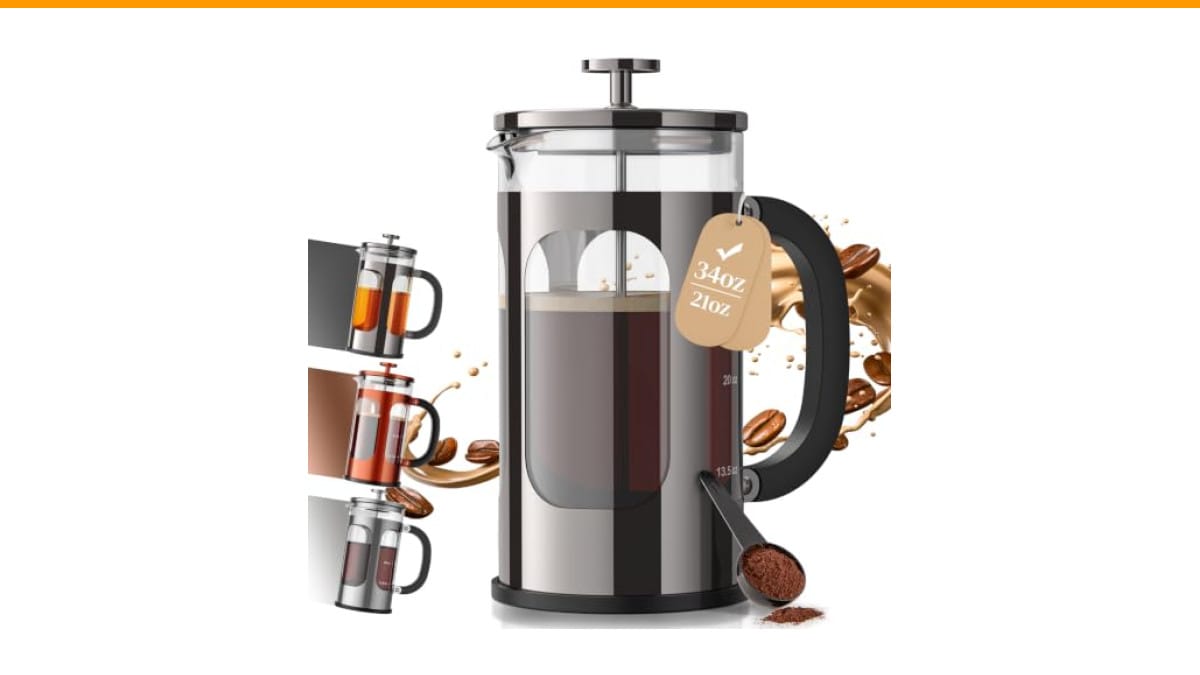
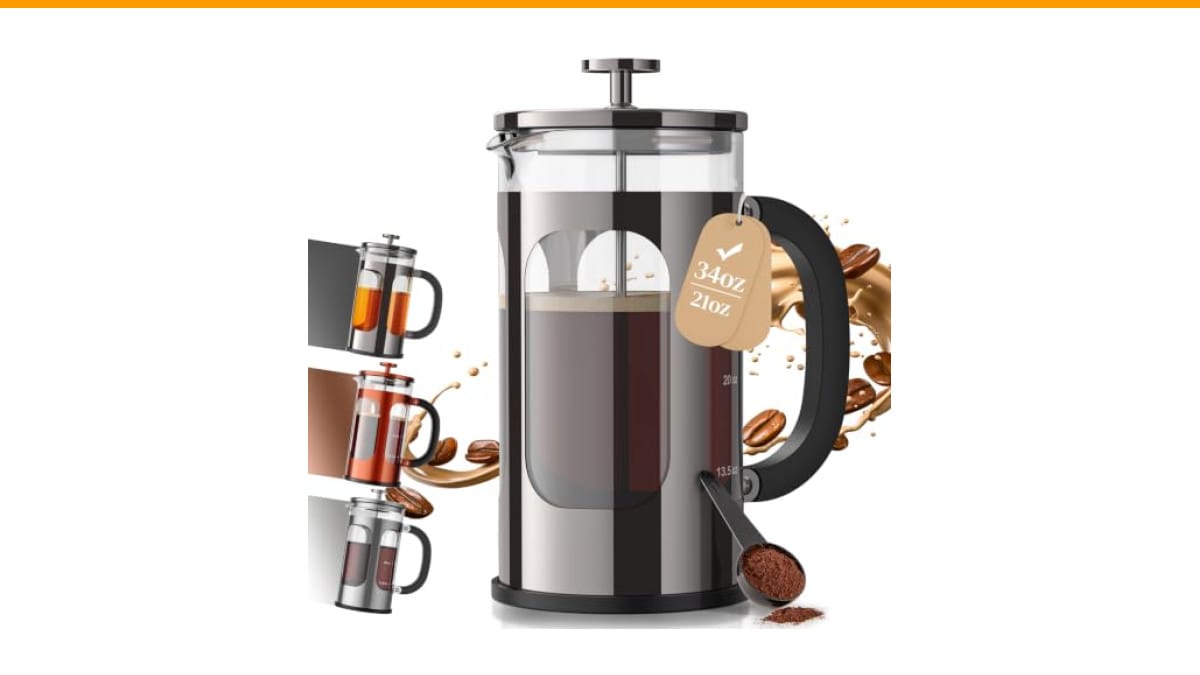
Veken 34oz French Press Coffee Maker, No…
- No Plastic Touching Food: Made with 304 stainless steel and food-grade silicone, our French press keeps all brewing surfaces plast…
- Thickened Glass and Versatile Brewing: Made of high borosilicate glass that resists thermal shock up to 302°F, this thick durable…
- 4-Level Filtration for Pure Coffee: This French press has a 4-layer stainless steel filter—spiral plate, cross plate, and two fine…
As an Amazon Associate I earn from qualifying purchases.
If you’re shopping for gear that won’t fight you, a solid starting point is the Check Price on Amazon. It hits the basics right: a 4-layer stainless steel filter that catches fine grounds, and a thickened glass carafe that won’t crack when you pour hot water in. But gear only gets you halfway. The technique is the other half.
Let’s fix your brew.
The #1 Mistake: Treating French Press Like a Drip Machine
Drip machines handle water temperature, saturation, and draining for you. A French press does none of that. It’s a full-immersion brewer, which means you control every variable. The biggest mental shift is understanding that the coffee sits in water for minutes, not seconds. That long contact time extracts more from the beans, so your grind and time need to be dialed back compared to drip.
Think of it like a teapot, not a coffee maker. You wouldn’t boil tea leaves for five minutes and expect a delicate cup. Same logic applies here.
Grind Size: Why “Coarse” Is Non-Negotiable
This is the root cause of 80% of bad French press coffee. If your coffee tastes bitter and has a thick layer of mud at the bottom, your grind is too fine. Fine grounds dissolve too quickly, over-extracting the bitter compounds. They also slip through the mesh filter, turning your cup into a silt smoothie.
You need a coarse grind — roughly the size of sea salt flakes or breadcrumbs. Each particle should be uniform, not a mix of dust and boulders. A burr grinder is the right tool. Blade grinders chop unevenly, which gives you both over-extracted fines and under-extracted chunks in the same cup.
How to Fix a Too-Fine Grind Without a New Grinder
If you only have a blade grinder, you can still improve things. Pulse it in short bursts, then shake the grinder and pulse again. This creates a more even chop than holding the button down. Sift the grounds through a fine mesh strainer to remove the powdery fines. It’s an extra step, but it saves the cup.
Another trick: reduce your steep time. If your grind is slightly too fine, cut the steep from 4 minutes to 3 minutes. That reduces the extraction and pulls back the bitterness. It’s a band-aid, not a cure, but it works in a pinch.
The Ratio: Ditch the Scoop, Use a Scale
Scoops are wildly inconsistent. Coffee density changes with roast level and bean origin, so a scoop of dark roast weighs less than a scoop of light roast. That means your strength varies cup to cup without you knowing why.
Use a scale. The golden ratio for French press is 1:15 — one gram of coffee for every 15 grams of water. For a standard 34oz press, that’s roughly 55 grams of coffee to 830 grams of water. That produces a strong, balanced cup. Prefer a lighter brew? Go 1:17. Want a bold, almost syrupy cup? Try 1:12. But start at 1:15 and adjust from there.
Weighing water is easier than measuring it. Put the carafe on the scale, zero it, add coffee, then zero it again and pour water until you hit the target weight. No math, no guesswork.
Water Temperature: Boiling Is Your Enemy
Boiling water (212°F) scalds the coffee. It burns the delicate oils and sugars, producing a harsh, ashy flavor that no amount of milk can fix. You want water between 195°F and 205°F. That’s the sweet spot for proper extraction without scorching.
No thermometer? Bring the kettle to a boil, then let it sit for 30 to 45 seconds. That naturally drops the temperature into the right range. If you’re using a gooseneck kettle with a temperature gauge, just set it to 200°F and move on.
The Altitude Adjustment
Here’s something most guides skip: altitude changes the boiling point. At 5,000 feet, water boils at 203°F, not 212°F. If you live in Denver or Mexico City, your boiling water is already in the right range — don’t wait 45 seconds, or you’ll under-extract. Brew immediately off the boil. At sea level, you need the wait. Know your elevation, because guessing wrong swings the extraction either too bitter or too sour.
The Steep: Time, Stir, and the Bloom
Pour the water, stir once, and walk away. The full steep time is 4 minutes for a standard brew. Some people do 3:30 for lighter roasts, but 4 minutes is a reliable baseline.
You’ll hear about “blooming” — pouring a little water, waiting 30 seconds, then adding the rest. In pour-over, the bloom is critical because it releases trapped CO2 and allows even extraction. In a French press, it matters less. The immersion method handles degassing naturally. If you want to do a quick bloom, it won’t hurt, but it’s not the make-or-break step that some influencers claim.
The one thing you must do is stir after pouring. A gentle stir with a chopstick or the back of a spoon ensures all grounds are saturated. Dry grounds floating on top extract nothing, which wastes coffee and weakens the cup.
The Press: Slow Down or Suffer the Sludge
Pressing the plunger is not a race. If you slam it down, you force fine particles through the mesh and stir up the sediment at the bottom. The result is a gritty, muddy cup.
Press slowly and steadily — aim for a 20-second descent. You should feel resistance but not a fight. If the plunger is hard to push, your grind is too fine. Stop, pull up, and adjust the grind for the next batch. Don’t force it, or you’ll bend the filter plate.
The Aftermath: Pour Out or Turn Bitter
Here’s the mistake that ruins a good cup 10 minutes later: leaving the coffee in the press. The grounds keep extracting as they sit in the water. Your perfect 4-minute brew becomes a bitter, over-extracted mess by minute 10.
Pour the coffee into a thermos or a separate carafe immediately after pressing. If you’re serving multiple cups, decant it all. Leaving it on the grounds is a slow-brewing disaster. A thermal carafe keeps it hot for hours without the bitterness. This is also where a dedicated coffee maker maintenance routine helps, since a clean thermos preserves flavor better than a stale one.
Cleaning: The Hidden Flavor Killer
Old coffee oils go rancid. If you rinse the carafe but ignore the plunger assembly, you’re brewing your next cup through a layer of stale, bitter residue. The mesh filter traps oils and tiny grounds that you can’t see, and they build up over time.
Take the plunger apart after every few uses. Rinse each piece under hot water. Use a soft brush to scrub the mesh screens. A drop of mild dish soap is fine, but rinse thoroughly — soap residue ruins coffee faster than dirt. The glass carafe is easy: hand wash with a sponge. Avoid the dishwasher, which can etch the glass and leave a film.
The Mesh Filter Maintenance Check
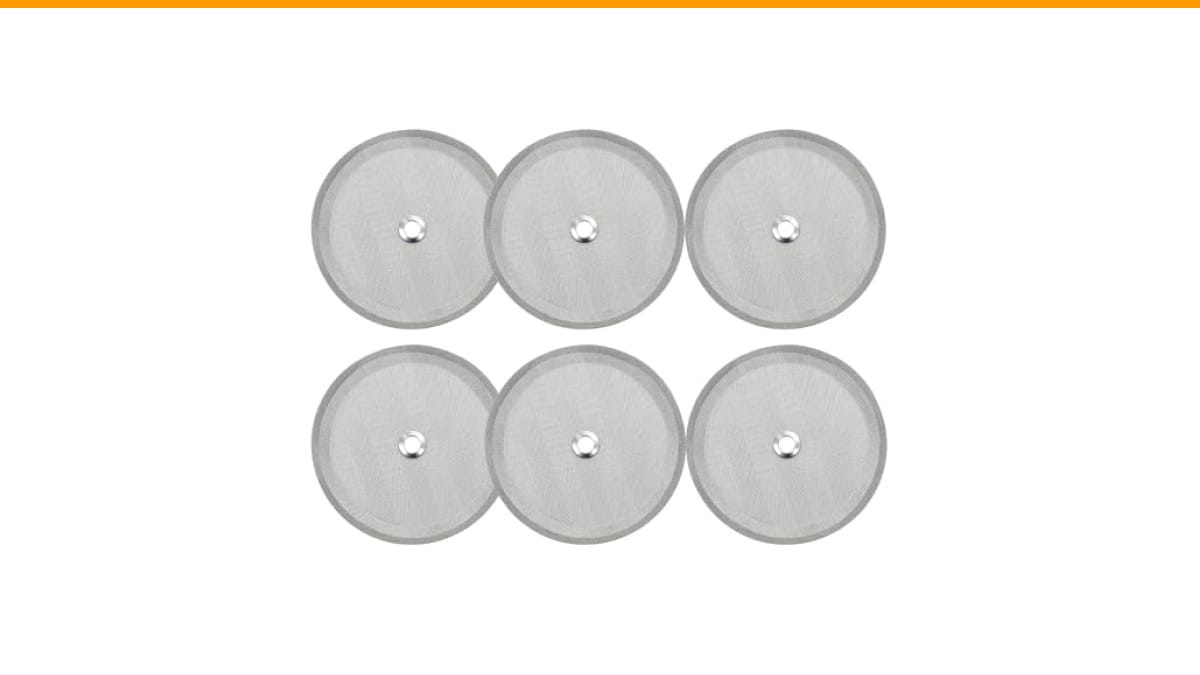
Over months, the mesh can stretch or clog permanently. If you notice grounds in your cup despite a coarse grind, inspect the filter. Hold it up to the light. If you see gaps around the edges or the mesh looks distorted, it’s time to replace it. Most presses have replacement filters available. A bent filter is the cause of “suddenly sludgy” coffee, and no amount of grinding coarser will fix it.
Water quality also matters more than people think. Hard water with high mineral content can leave scale on the mesh, blocking the pores. If you live in a hard-water area, use filtered water for brewing and descale the filter with a vinegar soak monthly. The minerals in hard water also alter extraction, making coffee taste flat or chalky. Proper cleaning habits extend the life of your gear and keep the flavor clean.
Troubleshooting Cheat Sheet: Bitter, Weak, Muddy
Here’s a quick diagnostic table for the three most common failure modes. Match your symptom to the fix.
| Symptom | Most Likely Cause | The Fix |
|---|---|---|
| Bitter, harsh, dry aftertaste | Water too hot, or steep too long | Drop temp to 200°F, cut steep time to 3:30 |
| Weak, sour, thin body | Grind too coarse, or not enough coffee | Grind finer (still coarse, not powdery), increase dose by 5g |
| Muddy, gritty mouthfeel | Grind too fine, filter damaged | Grind coarser, inspect mesh filter for gaps |
| No crema, flat flavor | Stale beans | Buy beans roasted within 3 weeks, grind right before brewing |
| Sludge in the last sip | Pressing too fast, or leaving coffee on grounds | Press slowly over 20 seconds, decant immediately |
If your coffee is consistently bitter, check your water temperature first, then your steep time. If it’s weak, you’re probably underextracting — either the grind is too chunky or the ratio is off. Buy a cheap kitchen scale; it fixes more issues than a new grinder.
Final Verdict: The 30-Second Rule for Better Coffee
Here’s the single habit that will improve your cup more than any gadget: wait 30 seconds after boiling before you pour. That one pause solves the bitterness problem for most beginners. Pair that with a coarse grind and a 1:15 ratio, and you’re 90% of the way to a great cup.
The last 10% is consistency. Use the same beans, the same water, the same timing, and adjust one variable at a time. That’s how you learn what your taste buds prefer. The French press is a forgiving brewer once you respect the basics.
For gear that supports good habits, the Veken French Press makes sense — the 4-level filter keeps fines out, and the borosilicate glass handles the temperature swings of hot coffee or cold brew. Check the current price on Amazon if you’re in the market.
Quick Fixes to Remember
- Use a coarse grind, like sea salt. If you see powder, it’s too fine.
- Weigh your coffee: 1:15 ratio (55g coffee to 830g water for a 34oz press).
- Wait 30 seconds after boiling before pouring. Target 200°F.
- Steep for exactly 4 minutes, stir once at the start, then leave it alone.
- Press the plunger down slowly — 20 seconds, not 5.
- Pour all the coffee out immediately. Don’t let it sit on the grounds.
- Disassemble and clean the plunger mesh weekly. Replace the filter if you see gaps.
If you’re dealing with a different brewer at home, the same cleaning principles apply — check out this guide on why regular cleaning matters to avoid stale flavors in any machine. And if your drip machine is acting up, a quick clogged coffee maker fix can save you from buying a new one.
Frequently Asked Questions
Why is my French press coffee bitter even with a coarse grind?
Water temperature is the usual culprit. If your water is boiling, it scorches the grounds. Wait 30 seconds after the boil. Also check your steep time — anything over 5 minutes will over-extract. And if you’re using a blade grinder, the fine dust it creates can cause bitterness no matter how “coarse” you set it.
Can I use regular drip coffee grounds in a French press?
You can, but it won’t taste good. Drip grind is much finer than French press needs, so it over-extracts and turns bitter, plus it clogs the filter and makes the cup muddy. If you’re in a pinch, reduce the steep time to 2 minutes to minimize the damage.
How long should I steep French press coffee?
Four minutes is the standard for a balanced cup. Go 3 minutes for a lighter, fruitier brew, or 5 minutes if you want it very strong. Just remember that longer steeping increases bitterness, so don’t push past 5 minutes unless you’re experimenting.
Why is there sludge at the bottom of my cup?
That’s fine coffee particles that slipped through the mesh. It happens with every French press, but excessive sludge means your grind is too fine or your filter is damaged. Check the mesh for gaps, and grind coarser. Pressing slower also reduces the amount of sediment that gets stirred up.
Is it safe to leave coffee in the French press overnight?
It won’t hurt you, but it will taste terrible the next morning. The coffee keeps extracting and becomes bitter and stale. If you want coffee ready in the morning, brew it, pour it into a thermos, and clean the press. Reheating leftover coffee also destroys the flavor — brew fresh.
Products related to this article
Sponsored / affiliate links. As an Amazon Associate I earn from qualifying purchases. I may earn additional commission from eligible campaigns.
 HomeBeyond Espresso Coffee Maker 12 Cups, Classic Stovetop Espresso Maker, 600ml / 20oz Coffeemaker for Gas & Ceramic Stovetops (Silver)
 Belly Moka Coffee Maker Stovetop Espresso Maker 9 Cup Aluminum Moka Pot Percolator 15oz 450ml Easy Brewing for Electric Ceramic Stoves Home Camping Italian Cuban Café Classic Black
 Belly Moka Coffee Maker Stovetop Espresso Maker 6 Cup Aluminum Moka Pot Percolator 10oz 300ml Easy Brewing for Electric Ceramic Stoves Home Camping Italian Cuban Café Classic Silver