You pull a shot every morning. One day the flow slows to a trickle. The machine groans louder than usual. You shrug it off. Three months later the boiler dies, and the repair quote is half the price of a new machine.
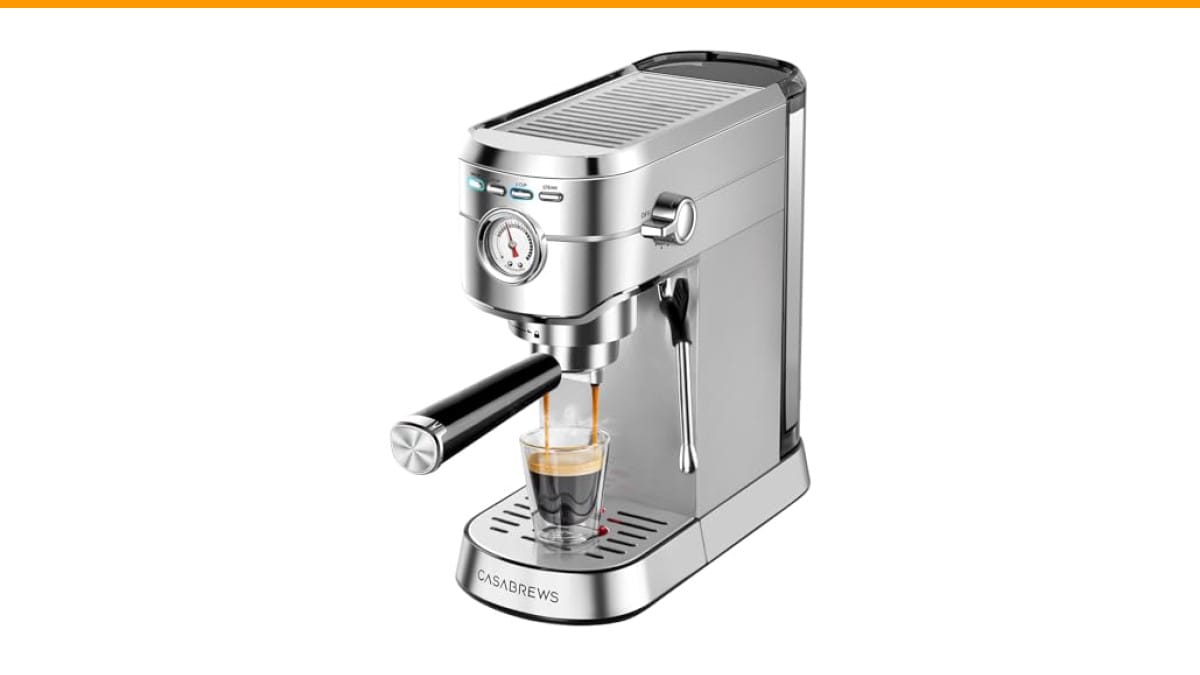
That sequence plays out constantly with compact espresso machines. The culprit isn’t poor manufacturing. It’s the water you feed it. Hard water effects on compact espresso machine performance start small, then compound quietly until something breaks.
This guide walks you through the chemistry, the costs, and the fixes. You’ll learn how to spot early scale symptoms, what hard water does to flavor, and how to protect your machine with simple changes. No chemistry degree required.
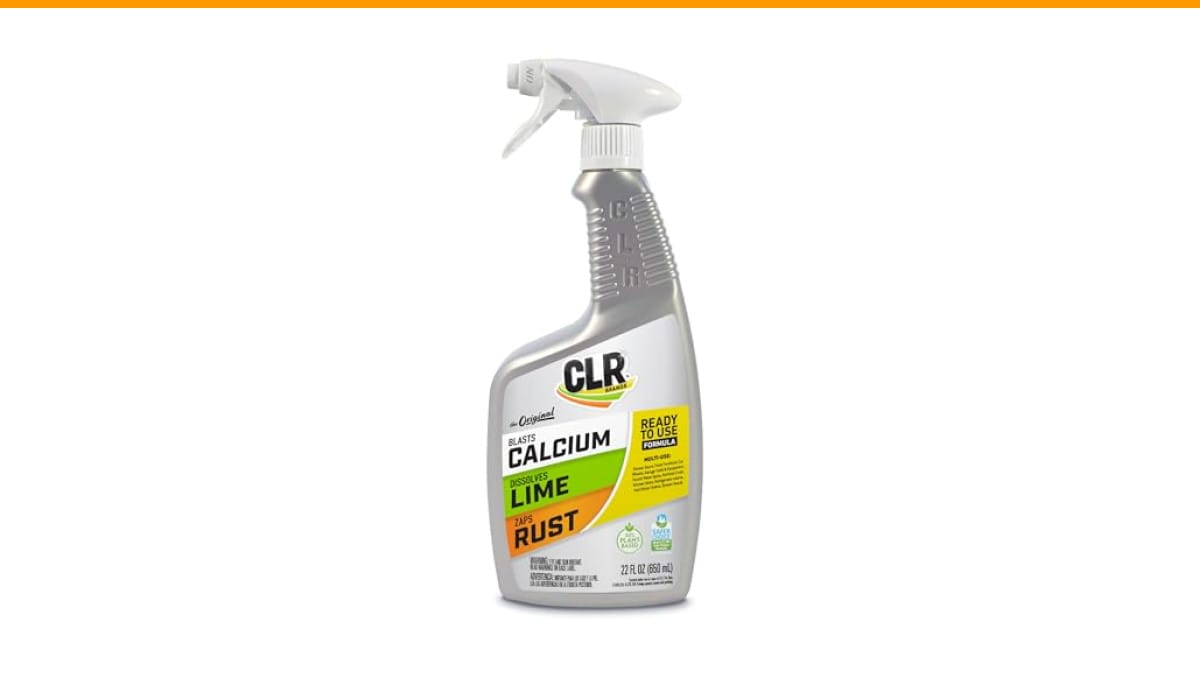
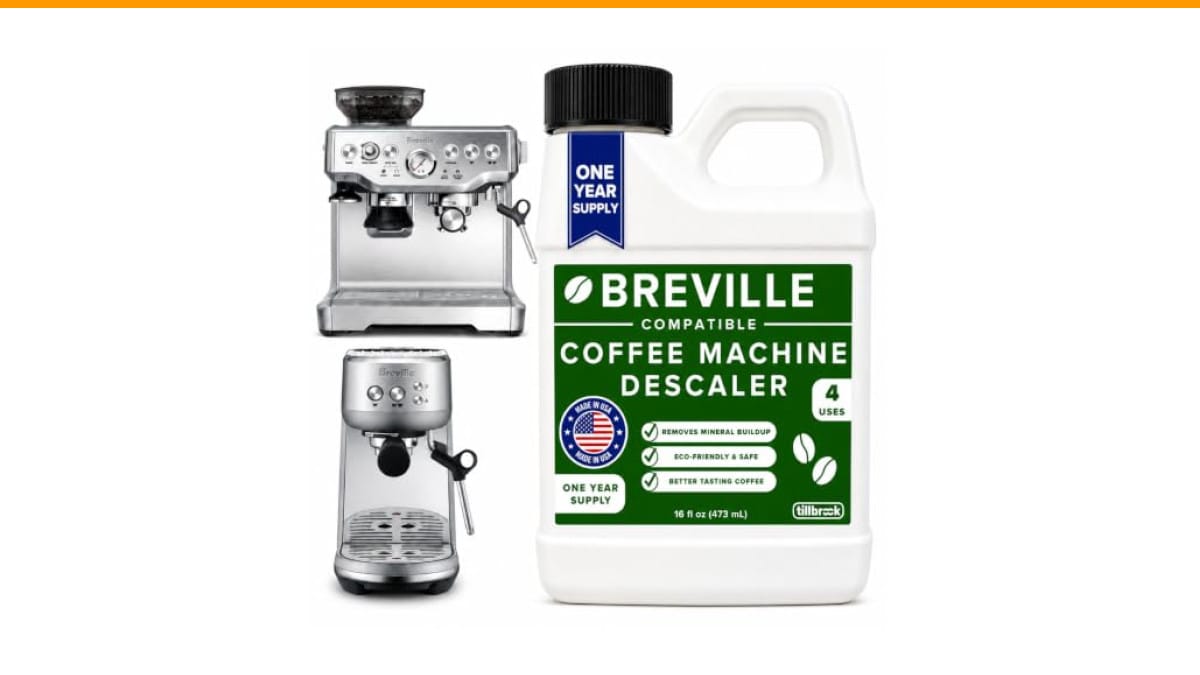
If you already suspect scale, a dedicated cleaner like the Tillbrook Breville Descaler handles the job. It’s formulated for Breville machines, uses natural ingredients, and comes with four treatments per bottle. That’s a full year of maintenance for most home users.
The Silent Killer: Why Your Machine’s Worst Enemy is in Your Tap
Hard water contains dissolved calcium and magnesium. When heated, those minerals precipitate out and form scale. Scale acts as an insulator. It coats the heating element, forcing it to work harder and hotter to heat the same amount of water.
The result is a slow death. The boiler overheats, the thermostat fails, and eventually the element burns out. On a compact machine, the boiler is often sealed. That means replacement, not repair.
Water hardness varies wildly by location. Some municipal supplies measure 50 parts per million (ppm). Others exceed 300 ppm. Even moderate hardness around 150 ppm will leave visible scale in a machine within six months.
Think about what you’re actually pouring into your machine. A 12-ounce cup of hard water at 250 ppm deposits roughly 0.02 grams of scale when heated. That sounds trivial. But over a year of daily shots, you’re looking at nearly 15 grams of rock-hard mineral buildup lodged in your boiler and pipes.
Hard Water vs. Soft Water: The 60-Second Breakdown
Water hardness is measured in grains per gallon (gpg) or parts per million (ppm). Here’s the scale:
- Soft: 0-60 ppm — minimal scale risk
- Moderately hard: 61-120 ppm — manageable with regular descaling
- Hard: 121-180 ppm — visible scale within months
- Very hard: 180+ ppm — rapid buildup, serious damage likely
Soft water sounds like the answer, but it brings its own problems. Water that’s too soft lacks the minerals that help extract coffee properly. You’ll get sour, flat shots because the water strips flavor compounds inefficiently.
The sweet spot for espresso sits between 80 and 150 ppm total dissolved solids (TDS). That range provides enough mineral content for good extraction without rapid scale formation.
Most tap water falls outside that range. Either it’s too hard and scales your machine, or it’s too soft and ruins your shots. That’s why water treatment matters more than most espresso enthusiasts admit.
The Real Damage: What Scale Does to Your Boiler, Pump, and Valves
Scale doesn’t just coat the heating element. It builds up inside the entire hydraulic system. The pump works harder to push water through narrowed passageways. The solenoid valves stick. The group head distribution becomes uneven.
Each component fails differently. The heating element burns out from overheating. The pump burns out from increased resistance. The valves leak because scale prevents proper seating. None of these are cheap fixes on a compact machine.
Chloride corrosion is another factor people miss. Some municipal water supplies add chlorine, which combines with scale to accelerate corrosion of brass and copper fittings. The combination of scale and chloride is far worse than either alone.
There’s also a taste component that gets overlooked. Scale buildup creates hot spots in the boiler. Water that passes through those spots can pick up a burnt, metallic flavor. You’ll notice your shots tasting bitter or ash-like even with fresh beans.
The Expensive Math: Repair Costs vs. Prevention Costs
Let’s put real numbers on this. A compact espresso machine in the $300-$600 range typically costs $150-$250 to repair when the boiler fails. That’s often 40-50% of the original purchase price. Many owners simply replace the machine.
A premium compact machine at $800-$1,500 can cost $300-$500 for a new boiler plus labor. That’s a painful bill for something that could have been prevented with a $20 water filter or a $15 bottle of descaling solution.
Compare that to prevention. A basic water pitcher filter costs $30-$40 and lasts three months. A proper descaling routine with a quality solution runs about $15 every three months. That’s roughly $80 per year for complete protection.
Over five years, prevention costs about $400. The alternative is one major repair at $300, possibly two, or a full replacement at $600-$1,500. The math isn’t close. Prevention wins by a wide margin.
Taste Test: How Hard Water Ruins Your Shot’s Flavor Profile
Hard water affects extraction chemistry directly. High mineral content binds with coffee acids, neutralizing them. The result is a dull, flat cup with muted brightness. Your Ethiopian single-origin starts tasting like generic commodity coffee.
The alkalinity of hard water also raises the pH of your brew. Coffee is naturally acidic, and that acidity provides the vibrant, fruity notes you pay extra for. Hard water’s alkalinity suppresses those acids, leaving behind only the heavier, bitter compounds.
You’ll notice this most with light roasts. They rely on acidity for their character. Hard water strips that away completely. Medium and dark roasts mask the problem somewhat, but they still lose clarity and sweetness.
Soft water has the opposite problem. It extracts too aggressively, pulling out harsh, woody flavors. The ideal water chemistry balances hardness for extraction while keeping scale potential low. That balance is achievable with simple treatment methods covered below.
The 3-Step Diagnostic: Is Your Machine Already Scaling?
You don’t need to open the machine to spot early scale. These three checks will tell you if it’s time to act.
- Time your shot. A standard double shot takes 25-30 seconds. If your flow rate has slowed noticeably, or you’re seeing thin, watery extraction, scale is narrowing the internal passages.
- Listen to the boiler. A healthy boiler heats quietly. If you hear popping, hissing, or rumbling sounds during heating, that’s steam trapped under scale deposits on the heating element. This is a classic early warning sign.
- Weigh your output. Pull a shot and weigh the liquid. If you’re getting significantly less coffee than expected in the same time frame, the water path is restricted. Scale is the most likely cause.
If any of these checks raise flags, run a descaling cycle immediately. Waiting only makes the problem worse. A machine with heavy scale may need two or three descaling passes to fully clear.
You can also test your water directly. A simple TDS meter costs $15 and gives you a number instantly. Test your tap water and your filtered water. The difference tells you exactly what your machine is dealing with.
The Fix: A Simple Water Strategy for Any Budget
You have three practical options for protecting your machine. Each works, but they differ in cost, effort, and results. Here’s the honest comparison.
| Method | Upfront Cost | Ongoing Cost | Scale Protection | Taste Quality | Best For |
|---|---|---|---|---|---|
| Bottled spring water | $1-$2 per gallon | $30-$60/month | Variable | Good | Casual users |
| Pitcher filter | $30-$40 | $10-$15/month | Moderate | Good | Budget-conscious |
| RO + remineralization | $150-$300 | $5-$10/month | Excellent | Excellent | Enthusiasts |
| DIY mineral recipe | $10-$15 | $5/month | Excellent | Customizable | Tinkerers |
Each method has trade-offs. Bottled water is convenient but expensive over time, and not all bottled water is low in minerals. Pitcher filters help but don’t fully remove hardness. RO systems give you complete control but cost more upfront.
The “Good Enough” Filter (Under $50)
A basic pitcher filter with ion-exchange resin reduces hardness significantly. It won’t give you lab-perfect water, but it will cut scale formation by 60-80% depending on your starting hardness.
Look for filters that specifically mention hardness reduction, not just taste improvement. Many standard pitcher filters focus on chlorine removal and leave minerals untouched. Read the specs before buying.
Replace the filter on schedule. A saturated filter stops working and can even release trapped minerals back into the water. Mark your calendar and stick to it.
The Pro Setup: RO + Remineralization
Reverse osmosis (RO) removes nearly everything from water, including beneficial minerals. That’s why remineralization matters. You add back a small amount of magnesium and calcium to hit the ideal 80-150 ppm range.
This setup costs more upfront but gives you consistent, repeatable water chemistry. Your shots will taste the same every day, and your machine will never see scale. It’s the standard for serious home espresso setups.
The downside is waste water. Most under-sink RO systems discard 3-4 gallons of water for every gallon of filtered output. That’s an environmental consideration, though countertop RO units with permeate pumps reduce waste considerably.
The DIY Emergency Recipe (Distilled + Minerals)
You can make excellent espresso water at home with two grocery store items. This recipe works in a pinch and costs pennies per gallon.
- Buy a gallon of distilled water (about $1.50).
- Add 1/4 teaspoon of Epsom salt (magnesium sulfate) for extraction.
- Add 1/8 teaspoon of baking soda (sodium bicarbonate) for alkalinity and buffering.
- Shake well and use within a week.
This mixture lands around 100-120 ppm TDS with a balanced hardness-to-alkalinity ratio. It’s not perfect, but it’s dramatically better than most tap water. Taste test and adjust the mineral amounts slightly to suit your beans.
Don’t use pure distilled water without minerals. It extracts poorly and can actually corrode metal components over time. The minerals are essential for both flavor and machine protection.
Your Water Action Plan: Test, Treat, and Protect
Here’s your practical checklist for this week.
- Test your tap water hardness with a TDS meter or test strip. Know your starting number.
- Decide on a treatment method based on your budget and how often you pull shots.
- Set a recurring reminder to descale every three months. Regular descaling prevents the worst damage.
- Use filtered or treated water exclusively. Tap water straight into the reservoir is the riskiest habit.
- Monitor shot time and boiler noise monthly. Early detection saves money.
If you’re already dealing with a slow flow or noisy boiler, don’t wait. A descaling cycle with a quality solution like the Tillbrook descaler for Breville can reverse moderate buildup. For heavy scale, you may need two or three passes.
If your machine is leaking or making unusual noises, check our guide on loud espresso machine issues before assuming the worst. Some problems are simple fixes.
And if you’re shopping for a new machine, read our best automatic espresso machine under 1000 guide to find a model that suits your water situation.
FAQ: Hard Water Myths, Bottled Water, and Descaling Frequency
Does bottled water prevent scale buildup?
Not automatically. Many bottled waters are just filtered tap water with similar hardness. Check the label for mineral content. Look for brands with low calcium and magnesium. Or use the DIY recipe above for guaranteed results.
How often should I descale my compact espresso machine?
Every three months is the standard recommendation for machines used daily. If you have very hard water (200+ ppm), descale monthly. If you use filtered water, every six months may suffice. When in doubt, descale more often than you think you need to.
Can I use vinegar to descale my espresso machine?
You can, but you shouldn’t. Vinegar is acetic acid, which is too weak to dissolve heavy scale effectively. It also leaves a lingering odor and can damage rubber seals over time. Use a purpose-built descaling solution formulated for espresso machines.
Will hard water void my espresso machine warranty?
Most manufacturers explicitly exclude scale damage from warranty coverage. They consider it a maintenance issue, not a defect. If a technician finds heavy scale during a warranty claim, they’ll likely deny it. Protecting your water quality protects your warranty.
Is softened water safe for my espresso machine?
Softened water from an ion-exchange softener replaces calcium and magnesium with sodium. The resulting water is low in scale-forming minerals, which is good for the machine. But the high sodium content can affect extraction and leave a slightly salty taste in your shots. It’s safe, just not ideal for flavor.
Three Mistakes That Will Cost You
People make the same errors repeatedly. Avoid these and you’re ahead of 90% of home espresso owners.
- Ignoring early symptoms. A slightly slow shot or a quiet hiss doesn’t fix itself. It gets worse. Act at the first sign.
- Using descaling solution too rarely. Once a year isn’t enough for most tap water. Stick to the three-month schedule.
- Rinsing insufficiently after descaling. Leftover descaling solution ruins your next shots and can irritate your stomach. Run at least two full tanks of fresh water through the machine after descaling.
Hard water effects on compact espresso machine performance are real, measurable, and expensive. But they’re also completely preventable. Test your water, treat it properly, and descale on schedule. Your machine will last years longer, and your coffee will taste noticeably better.
For more maintenance help, see our guide on how to descale coffee machine for a step-by-step walkthrough. And if you’re troubleshooting a specific issue like water flow, check the leaking water guide for common causes.
Products related to this article
Sponsored / affiliate links. As an Amazon Associate I earn from qualifying purchases. I may earn additional commission from eligible campaigns.
 Coffee Espresso Machine Handle Replacement Parts, Cafe Bracket Handle for Lidl Silvercrest CM4621 CM4218 KF5002 KF500S Barista (for 51mm Portafilter Basket - Not included)
 Bring It On Cleaner Hard Water Stain Remover for Shower Glass, 32 fl oz
 SOLUSTRE Electric USB Coffee Cup Warmer with Temperature Settings Portable Milk and Beverage Heating Coaster for Office Desk Small Lightweight Design Easy to Clean Surface Multi Functional