You pull a shot, turn around to grab a cup, and come back to a puddle spreading across the counter. Or worse, you wake up to a small lake around the machine’s base. An automatic espresso machine leaking water is one of the most common problems home baristas face, and it’s also one of the most fixable.
Most leaks are not catastrophic. They come from a handful of parts that wear out or loosen over time. The tricky part is figuring out which one is yours. This guide walks you through a quick diagnostic process that takes about a minute, then shows you the exact fix for each scenario. You’ll also learn when it’s smart to call a professional instead of opening the machine yourself.

Rancilio
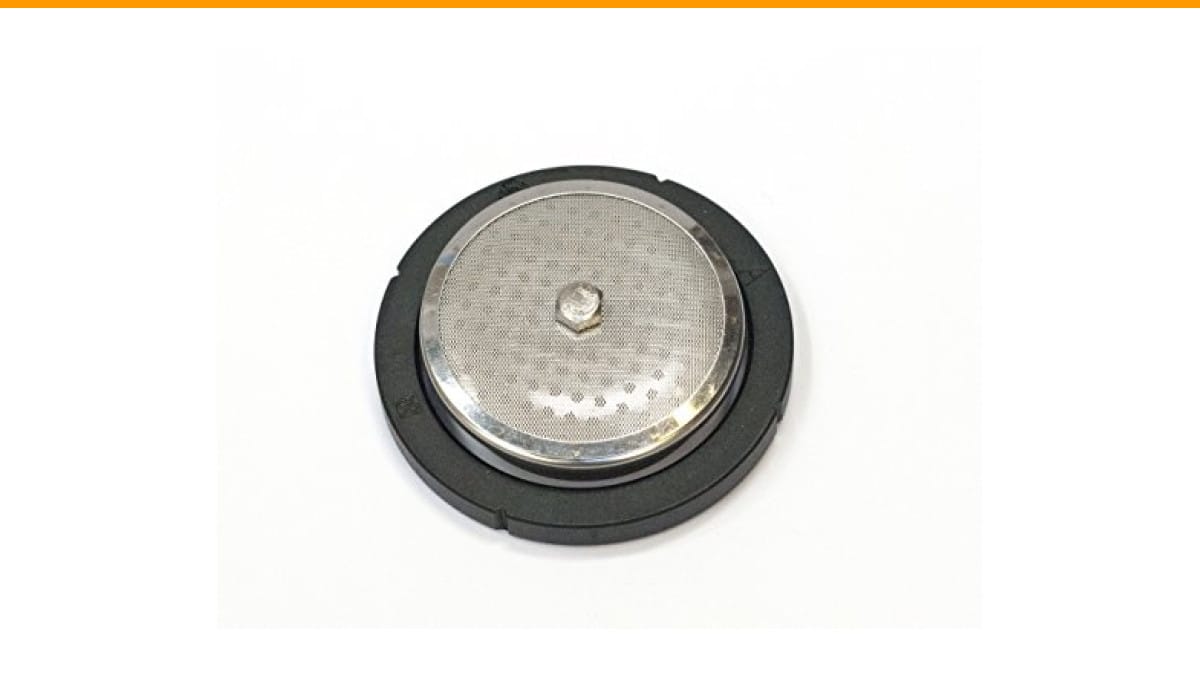
Rancilio Silvia Espresso Machine Repair Kit.
- This OEM repair kit can help you to fix some of the most common Rancilio Silvia problems.
- Water leaking around the portafilter: Usually the grouphead gasket needs to be replaced.
- Flow or no flow of water from grouphead. Your screen is probably clogged and needs to be replaced.
As an Amazon Associate I earn from qualifying purchases.
For owners of the Rancilio Silvia, a common culprit is the grouphead gasket. The Rancilio Silvia Espresso Machine Repair Kit includes the gasket and screen needed for the most frequent leaks, which saves you from buying parts separately.
First, Diagnose: Where and When Is It Leaking?
Grab a flashlight and look under the machine. Don’t just wipe up the water. You need to know if it’s coming from the top, the bottom, the side, or the front. Then, think about when it happens.
Cold Water vs. Hot Water Leaks
This distinction narrows things down fast. A leak that happens when the machine is off and cold points to a plumbing issue: a cracked water tank, a loose hose fitting, or a bad check valve. Water sits in the tank and lines, so any weak point will drip without heat involved.
A leak that only appears after the machine heats up points to a pressure issue. When the boiler heats water, pressure builds. That pressure pushes water through any weak seal or cracked component. If you see steam or hot water escaping during the warm-up cycle, you’re dealing with a boiler-related problem, not a tank problem.
Leaking During Brew vs. Leaking When Idle
Leaks during brewing usually happen around the grouphead or portafilter. The machine is under its highest pressure at that moment, typically 9 bars. Any weakness in the seal will show itself immediately.
Leaks when idle are different. The machine isn’t being forced to do anything. Water is just sitting there. If it drips while idle, the problem is likely a slow leak from a hose connection, a cracked tank, or a faulty solenoid valve that’s letting water pass when it shouldn’t.
Keep a mental note of which scenario matches. It will make the next section much easier.
The 5 Most Common Culprits (and How to Fix Them)
After years of working on espresso machines, these five issues account for about 90% of the leaks I’ve seen. Here’s how to spot each one and what to do about it.
Worn Group Head Gasket
This is the number one cause of water leaking around the portafilter. The gasket is a rubber ring that seals the portafilter to the grouphead. Over time, it hardens, compresses, and loses its grip.
The symptom is unmistakable: water seeps out from the sides of the portafilter while you pull a shot. You might also see the portafilter handle drift past the 6 o’clock position when you lock it in.
The fix is simple. Remove the old gasket with a flathead screwdriver or a pick, clean the groove, and press the new one in. It takes about five minutes. The Rancilio repair kit has the right gasket for Silvia machines. For other brands, check the manufacturer’s part number.
Loose Hose Clamps and Fittings
Inside the machine, silicone hoses carry water from the tank to the pump and from the pump to the boiler. These hoses are held on by small metal clamps. When the machine heats and cools, the hoses expand and contract. Over time, the clamps work loose.
You’ll notice water pooling at the bottom of the machine or dripping down the sides. Open the top cover and look for wet spots along the hose runs. Tighten the clamps with a screwdriver. If a hose looks cracked or brittle, replace it. This is a 15-minute job that requires no special tools.
Blocked Valves and Drain Lines
This one is sneaky. The three-way solenoid valve releases pressure after a shot and dumps excess water into the drip tray. If that valve gets clogged with coffee oils, water backs up and finds another way out.
The symptom is water leaking from the bottom of the machine during or right after brewing, but no visible leak from the grouphead. You might also hear a gurgling sound that seems stuck.
You can often clear a blocked valve by running a descaling cycle. If that doesn’t work, you’ll need to remove the valve and soak it in a descaling solution. Check our descaling guide for the proper procedure.
Cracked Water Tank or Boiler
A cracked tank is easy to spot. Fill the tank, place it on a dry paper towel, and look for a hairline fracture. Many tanks crack at the seam or where the float valve sits. Replacement tanks are usually cheap and snap right in.
A cracked boiler is a bigger deal. The boiler is the metal chamber that heats the water. If it cracks, you’ll get a slow, persistent leak that gets worse as the machine heats up. This is not a DIY fix for most people. It requires welding or replacing the entire boiler assembly, which often costs more than the machine is worth.
Failing Pump Seals
The vibration pump pushes water from the tank to the boiler. It has internal seals that keep water from escaping around the piston. When those seals wear out, water drips from the bottom of the pump.
You’ll see water pooling directly under the pump, which is usually mounted near the back of the machine. Replacing the pump is a straightforward job, but it’s a bit fiddly because you have to disconnect the inlet and outlet hoses. A new pump runs about $40 to $60. If you’re not comfortable with that, a service center can do it in under an hour.
Super-Automatic vs. Semi-Automatic: Key Differences
The fixes above apply mostly to semi-automatic machines like the Rancilio Silvia or Gaggia Classic. Super-automatic machines are a different animal.
Super-automatics grind, tamp, brew, and eject the puck automatically. They have more moving parts, more sensors, and more places for water to hide. The most common leak points are the brew unit gaskets and the internal tubing that connects the many components.
Before you open a super-automatic, check the drip tray and the area around the brew unit. Many super-automatics have a removable brew unit that you can rinse and re-grease. A dry or misaligned brew unit gasket will cause water to leak during the brew cycle. This is often the easiest fix.
If the leak is coming from the internal tubing, that’s a more involved job. Super-automatic machines are densely packed, and reaching the hoses often means disassembling half the machine. For most owners, this is a service center job. The cost of professional repair on a super-automatic is usually higher than a semi-automatic because of the labor involved.
If you are weighing your options, our comparison of automatic vs semi-automatic machines covers the maintenance trade-offs in detail.
| Issue | Semi-Automatic | Super-Automatic | DIY Difficulty |
|---|---|---|---|
| Group head gasket | Common, easy fix | Less common, brew unit gasket | Easy |
| Hose clamps | Common, accessible | Possible, hard to reach | Moderate |
| Blocked valve | Common, cleanable | Common, often needs service | Moderate |
| Cracked tank | Easy replacement | Easy replacement | Easy |
| Boiler / pump seals | Repairable | Often not worth it | Hard |
Safety First: What to Unplug and What to Never Touch
Before you stick a screwdriver anywhere, unplug the machine. That seems obvious, but people skip it all the time. An espresso machine has a heating element that draws significant current. You don’t want to be touching wet components while that’s live.
Wait at least 30 minutes after unplugging before you open the case. The boiler stays hot enough to burn you for a long time. The steam wand tip is especially dangerous. It holds hot water under pressure, and if you loosen the wrong fitting, you can get a burst of steam.
Never touch the capacitor. It’s a small silver cylinder near the pump that stores an electrical charge even after the machine is unplugged. Discharging it by accident gives you a nasty shock. If you see a capacitor and you’re not sure what you’re doing, stop and call a professional.
Also, be careful with the heating element wires. The terminals are exposed, and they carry full line voltage. If you’re replacing a boiler or working near the top of it, make sure the wires are pushed back out of the way before you start.
If you hear a hissing sound or see steam escaping from the boiler itself, that’s a pressure relief valve doing its job. Don’t block it. Don’t remove it while the machine is hot. Let the machine cool completely before you touch anything near the boiler.
When to Call a Professional (and What It Costs)
Not every leak is a DIY job. Here’s a simple rule: if you’ve replaced the gasket, tightened the hoses, and cleaned the valve, but the leak persists, stop. Further disassembly without a clear diagnosis will likely cause more damage.
Professional repair costs vary, but you can expect a service call to run $75 to $150 just for the diagnosis. That fee is usually applied to the repair if you authorize it. Parts are extra. A simple gasket replacement at a shop might total $120. A boiler replacement can run $250 to $400 plus parts.
Compare that to the cost of the machine. If you own a $300 espresso machine and the boiler is cracked, the repair bill will exceed the machine’s value. In that case, buying a new machine makes more sense. If you own a $1,500 machine, a $300 repair is worth it.
One more thing to consider: warranty. If your machine is still under warranty, opening it yourself voids it. Check the warranty terms before you touch anything. A free repair at the service center beats a DIY fix that costs you the warranty.
Preventative Maintenance to Stop Future Leaks
Most leaks are caused by neglect, not defective parts. A little routine care goes a long way.
Change the group head gasket every 12 to 18 months, even if it looks fine. The rubber degrades from heat and pressure, and a fresh gasket gives you a better seal and a more consistent shot.
Backflush your machine weekly if you use it daily. Backflushing cleans the solenoid valve and the screen, which prevents the blockages that cause pressure to build up in the wrong places. It takes two minutes and uses a blind basket and some cleaner.
Descale every 2 to 3 months, depending on your water hardness. Scale buildup inside the boiler can cause the heating element to overheat and crack the boiler. That’s the expensive leak you want to avoid.
Inspect the hoses and clamps every six months. Look for cracks, brittleness, or rust on the clamps. Replace anything that looks worn. A $2 hose clamp is a lot cheaper than a new boiler.
Use a soft water filter or filtered water in your tank. Hard water is the enemy of every espresso machine. It creates scale, which leads to the problems above. If you notice a lot of white residue in your drip tray, your water is too hard.
Finally, don’t ignore small leaks. A few drops a day will turn into a steady stream eventually. Catching it early means a $10 gasket fix instead of a $300 repair.
FAQ: Quick Answers to Urgent Leak Questions
Why is my espresso machine leaking from the bottom?
Water at the bottom usually means a loose hose clamp, a cracked tank, or a failing pump seal. Open the case and look for wet spots. If the water is under the pump, it’s the pump seals. If it’s under the boiler, it’s a boiler crack, which is serious.
Why is water leaking around the portafilter?
That’s almost always a worn group head gasket. The gasket has compressed or hardened, so it no longer forms a tight seal against the portafilter. Replace the gasket and clean the screen. If you’re using a bottomless portafilter, check that you’re locking it in straight.
Can I use my machine if it’s leaking?
No. A leak near electrical components is a shock hazard. A leak from the boiler can cause the heating element to fail. A leak from the grouphead will ruin your shot quality. Unplug the machine and fix the leak before using it again.
Is a leaking espresso machine dangerous?
It can be. Water and electricity don’t mix, and an espresso machine has both in close proximity. A leak that drips onto the heating element terminals can cause a short circuit or, in rare cases, a fire. Steam burns are also a risk. Treat any leak as urgent.
How much does it cost to fix a leaking espresso machine?
A DIY gasket replacement costs about $10 to $15 for the part. A professional service call runs $75 to $150 just for the diagnosis. A boiler replacement can cost $300 or more. If the repair bill is over half the machine’s value, consider replacing the machine. Check the current price of the Rancilio repair kit to see if a DIY fix is worth it.
What You Should Do Right Now
- Unplug the machine and wait 30 minutes before inspecting it.
- Figure out if the leak is cold or hot, and if it happens during brew or when idle.
- Check the group head gasket first—it’s the most common cause.
- Tighten any loose hose clamps you find inside the case.
- Run a descaling cycle to clear a potentially blocked solenoid valve.
- Call a professional if the leak persists after these steps, or if you suspect a cracked boiler.
- Start a regular maintenance routine: backflush weekly, descale quarterly, and replace the gasket yearly.
An automatic espresso machine leaking water is a nuisance, but it’s rarely a death sentence. With a few basic tools and a little patience, you can fix most leaks in under an hour. If you’re dealing with a noisy pump as well, check our guide on loud espresso machine issues for related troubleshooting. Take care of the small problems now, and your machine will reward you with years of reliable service.
Products related to this article
Sponsored / affiliate links. As an Amazon Associate I earn from qualifying purchases. I may earn additional commission from eligible campaigns.
 Coffee Espresso Machine Handle Replacement Parts, Cafe Bracket Handle for Lidl Silvercrest CM4621 CM4218 KF5002 KF500S Barista (for 51mm Portafilter Basket - Not included)
 Linnkyfloa Coffee Espresso Maker Handle Replacement for Stovetop Moka Pot or Percolator, Black Plastic for Spare Part Compatible with Italian(9-12 Cup)
 SOLUSTRE Electric USB Coffee Cup Warmer with Temperature Settings Portable Milk and Beverage Heating Coaster for Office Desk Small Lightweight Design Easy to Clean Surface Multi Functional