You bought a combo machine — grinder on top, brewer below. It made great coffee for a year. Now the grind is uneven, the brew cycle takes longer, and you’re wondering if it’s time to shop. I get it. I’ve tested these units side by side for years, and the honest answer is more complicated than a simple number.
Most manufacturers quote a lifespan, but that number means little. A $60 blade combo and a $400 burr combo age completely differently. This article breaks down the real math, the silent killers, and the exact signs that your machine is done. You’ll walk away knowing whether to fix, maintain, or replace.

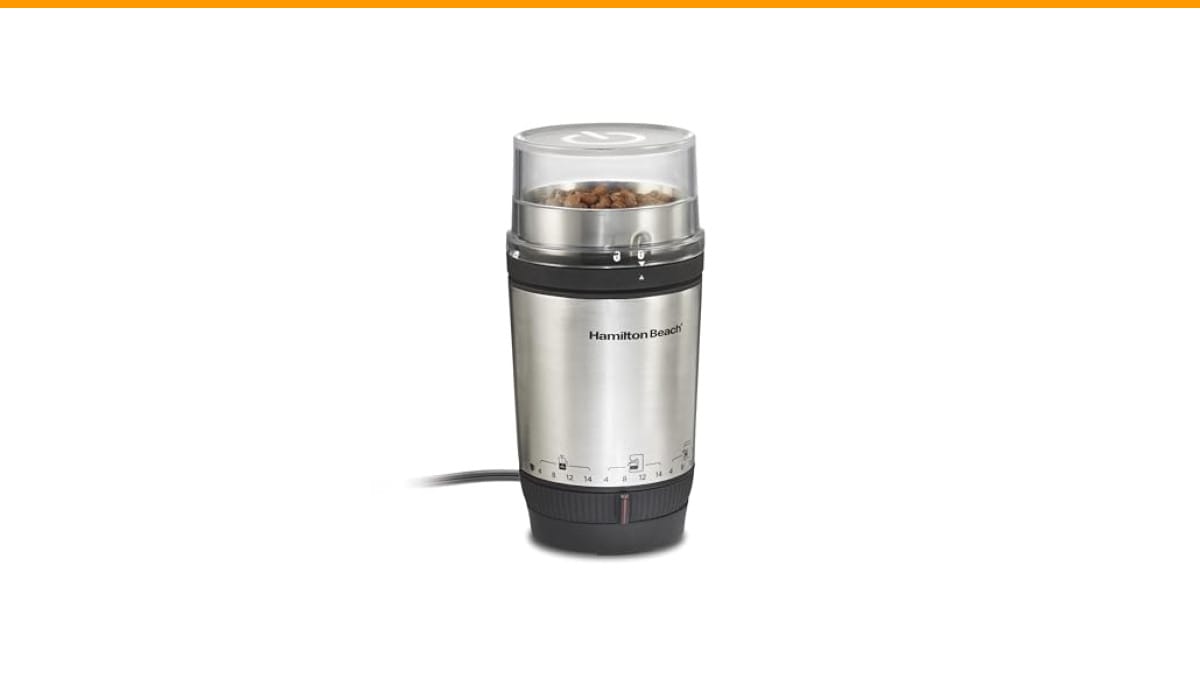
Hamilton Beach
Hamilton Beach Custom Grind Electric Coffee Grinder…
- EASILY SELECT GRIND SIZE AND CUPS OF BREWED COFFEE: Whether you need a fine grind size for espresso or a coarse grind for French p…
- GRIND COFFEE HANDS-FREE OR MANUALLY: Convenient push-down operation allows you to activate the grinder with one press. It grinds c…
- EASY TO POUR & CLEAN WITH REMOVABLE BOWL: Because the bowl removes, it's easy to fill with coffee beans and to pour coffee into yo…
As an Amazon Associate I earn from qualifying purchases.
If you’re using a separate grinder with your machine, the Hamilton Beach Custom Grind Electric Coffee Grinder handles up to 14 cups with a removable stainless bowl that pours straight into your brewer. It’s a solid option if your built-in grinder dies but the brewer still works.
The Short Answer: Why “5 to 10 Years” Is a Useless Number
Search results love to say a coffee maker with grinder lasts 5 to 10 years. That range is technically true and practically worthless. It’s like saying a car lasts 100,000 to 300,000 miles. Sure, both are possible. But the spread hides everything that matters.
The lifespan depends on three variables: the type of grinder, the water you feed it, and how often you clean it. A blade grinder combo used daily with hard water might die at 18 months. A quality burr combo with filtered water and a monthly descale can push past 8 years. Same category, completely different outcomes.
Here’s what nobody tells you: the grinder is almost always the weak link. The brewer’s heating element can last a decade. The grinder’s motor and burrs wear out much faster. When the grinder goes, the whole unit becomes a paperweight unless you can replace it separately. Most combo machines don’t let you do that.
The Real Math: How the Grinder Dictates the Maker’s Lifespan
Think of a combo unit as a chain. It’s only as strong as its weakest link. In my testing, the grinder fails first in roughly 8 out of 10 cases. The brewer keeps heating water fine, but the grinder produces dust or jams entirely. You can’t make coffee without grounds, so the unit is dead.
This changes your maintenance priorities. Most owners focus on descaling the brewer and ignore the grinder entirely. That’s backwards. The grinder needs attention more often because it handles friction, heat, and oily beans.
Blade vs. Burr: The Durability Divide in Combo Units
Blade grinders are cheap, and they die young. The motor spins a metal blade at high RPM, chopping beans randomly. Those motors burn out under load, especially with dark, oily beans that create resistance. Expect 1 to 3 years from a blade combo with daily use.
Burr grinders crush beans between two surfaces. They run slower, generate less heat, and produce consistent grounds. A decent burr set in a combo unit lasts 4 to 7 years. The trade-off is price — burr combos cost two to three times more. But the cost per year of use often works out cheaper.
Ceramic vs. Steel Burrs: Knowing Which One You Have
This distinction matters more than most people realize. Steel burrs dull gradually. You’ll notice the grind getting coarser over months, and the coffee tasting weaker. That’s a warning sign. You have time to replace the burrs or the machine.
Ceramic burrs stay sharp longer, but they’re brittle. When they fail, they shatter without warning. One day the grinder works, the next day it makes a crunching sound and stops. There’s no gradual decline. You just get sudden death. Check your manual to see which material you have — it changes how you plan for replacement.
The 4 Silent Killers of Your Combo Machine
Most machines don’t die from old age. They die from neglect. Here are the four things that actually kill them, ranked by frequency.
Hard Water Scale (The #1 Killer)
Hard water leaves calcium deposits inside the boiler and tubing. These deposits insulate the heating element, making it work harder and hotter. Eventually the element overheats and fails. This is the most common failure I see in repaired units. If you have hard water and never descale, your machine’s life shortens by half. Use filtered water or descale monthly.
The Over-Descaling Trap
Here’s the paradox: descaling too aggressively with harsh chemicals corrodes the internal seals and gaskets. I’ve seen machines die from over-descaling faster than from scale itself. The fix is to use a descaler designed for coffee machines, not generic citric acid at high concentration. Follow the bottle’s dilution ratio exactly. Once a month is plenty for moderate water hardness.
Thermal Stress on the Boiler
Running the brew cycle back-to-back without letting the machine cool stresses the boiler. The metal expands and contracts, weakening solder joints over time. If you brew multiple pots for a crowd, wait 10 minutes between cycles. This is a small habit that adds years to the machine.
Grinder Overheating (Burnt Bean Oil)
Grinding for too long in one burst heats the burrs and burns the oils in the beans. That burnt residue cakes onto the burrs, dulling them faster and adding a bitter taste to your coffee. Grind in short pulses, not one continuous 30-second run. Clean the burr chamber every few weeks — our grinder cleaning guide walks through it.
6 Warning Signs Your Machine Is Dying (Not Just Acting Up)
Every machine has a bad day. But these six signs mean the end is near.
- Inconsistent grind size — you see both powder and whole chunks in the basket. Burrs are worn or misaligned.
- Brew time stretches — a pot that took 6 minutes now takes 10. Scale is restricting water flow.
- Temperature issues — coffee is lukewarm or scalding hot with no setting change. The thermostat is failing.
- Leaks around the base — internal seals have cracked. This is usually terminal for a combo unit.
- Grinder jams on light roasts — the motor lacks torque, or the burrs are too dull to grip.
- Strange noises — grinding or rattling sounds that weren’t there before. Metal fatigue is setting in.
One or two of these signs might be fixable. Three or more, and you’re throwing good money after bad. If the grinder is the problem, check whether replacement burrs are available. If not, the unit is done.
The Financial Tipping Point: Repair vs. Replace Calculator
Here’s a simple rule I use: if the repair costs more than half the price of a new unit, replace it. But there’s a second factor most people miss — energy efficiency decline. A scaled-up machine uses more electricity to heat water. Over a year, that adds up.
Let’s do the math. A new combo unit costs $150. A repair for a heating element runs $80 plus labor. That’s over half, so you replace. But what if the repair is $40 for a new thermal fuse? That’s worth it if the machine is under 3 years old. Past 5 years, skip the repair. The other components are aging too.
Here’s a comparison of typical scenarios:
| Machine Age | Failure Type | Repair Cost | Smart Move |
|---|---|---|---|
| Under 2 years | Grinder motor | $30–$60 | Repair (warranty may cover) |
| 2–4 years | Heating element | $50–$90 | Repair if under half of new price |
| 4–6 years | Burrs worn out | $40–$70 | Replace burrs if available |
| 6+ years | Multiple issues | $100+ | Replace the whole unit |
One more consideration: a combo unit’s grinder is rarely user-serviceable. If you can’t find replacement parts online within 10 minutes, assume you can’t fix it. That’s the reality of integrated designs.
How to Make Your Combo Unit Last 10+ Years (A Realistic Routine)
Ten years is achievable, but only with discipline. Here’s the routine I recommend to anyone who wants maximum lifespan.
- Use filtered water — this alone eliminates the #1 killer. A simple pitcher filter works.
- Descale monthly — use a proper coffee machine descaler, not vinegar every time. Vinegar is fine occasionally, but check our vinegar cleaning guide for the right method.
- Clean the grinder weekly — run a few grams of rice through it to absorb oils, then brush out the residue.
- Grind in short bursts — 5 seconds on, 2 seconds off. This prevents overheating.
- Let the machine cool — 10 minutes between consecutive brew cycles.
- Replace the water filter — if your unit has one, change it every 60 days.
This routine takes about 15 minutes per week. It’s not perfect, and you’ll skip weeks sometimes. But consistency beats intensity. A machine that gets 80% of this routine will outlive one that gets zero.
For a deeper look at long-term care, read our coffee machine maintenance guide. It covers the brewer side in more detail.
FAQ: Combo Unit Longevity Questions
Does a burr grinder combo last longer than a blade grinder combo?
Yes, significantly. Burr grinders run slower and cooler, so the motor lasts longer. A burr combo averages 4 to 7 years versus 1 to 3 for blade units. The burr machine costs more upfront, but the cost per year is often lower.
Can I replace just the grinder on my combo machine?
Rarely. Most combo units are sealed units. If the grinder dies, the whole machine is dead. A few high-end models offer replaceable burrs, but not replaceable motors. Check your manual for ‘replacement burrs’ before assuming anything.
How often should I descale to protect the lifespan?
Once a month with soft or filtered water. Every two weeks if you have hard tap water. Over-descaling with harsh chemicals causes more harm than good, so stick to the recommended dilution ratio on the descaler bottle.
Does using dark roast beans shorten the grinder’s life?
Yes. Dark roasts are oilier, and those oils coat the burrs and attract dust. This creates a paste that dulls the cutting surfaces faster. If you drink dark roasts daily, clean the burr chamber twice as often.
Is it worth repairing a 5-year-old combo machine?
Usually not. At 5 years, multiple components are aging. A repair might fix one issue, but the next failure is often weeks away. Unless the repair is under $40 and the machine has been well-maintained, replace it.
Final Verdict: When to Walk Away and Buy New
Here’s the bottom line. A coffee maker with grinder lasts as long as its weakest component, and that’s almost always the grinder. Blade combos die in 1 to 3 years. Burr combos last 4 to 7 years with basic care. Push it to 10 years only if you use filtered water, descale monthly, and clean the grinder weekly.
Walk away when you see three or more warning signs at once, or when the repair cost exceeds half the replacement price. Don’t sentimentalize an appliance. A $150 new machine with fresh burrs will make better coffee than a repaired 6-year-old unit with worn parts.
Before you buy your next combo, consider whether you even need the grinder built in. A separate grinder like the Hamilton Beach Custom Grind lets you replace one component without trashing the other. That separation often saves money in the long run. Check the current price on Amazon if that route interests you.
One last thought: if you’re on your second combo unit in 4 years, the problem isn’t bad luck. It’s the design. Buy a burr model this time, and treat the grinder like the delicate component it is. Your coffee — and your wallet — will thank you.
Products related to this article
Sponsored / affiliate links. As an Amazon Associate I earn from qualifying purchases. I may earn additional commission from eligible campaigns.
 HomeBeyond Espresso Coffee Maker 12 Cups, Classic Stovetop Espresso Maker, 600ml / 20oz Coffeemaker for Gas & Ceramic Stovetops (Silver)
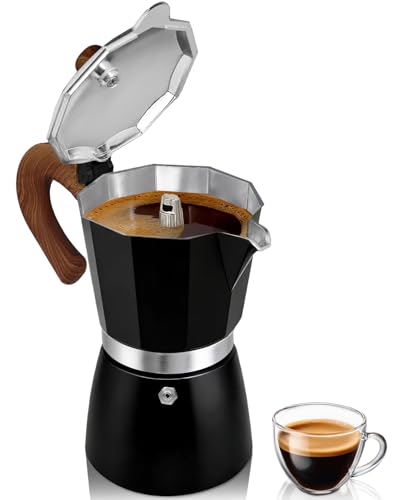 Belly Moka Coffee Maker Stovetop Espresso Maker 9 Cup Aluminum Moka Pot Percolator 15oz 450ml Easy Brewing for Electric Ceramic Stoves Home Camping Italian Cuban Café Classic Black
 Belly Moka Coffee Maker Stovetop Espresso Maker 6 Cup Aluminum Moka Pot Percolator 10oz 300ml Easy Brewing for Electric Ceramic Stoves Home Camping Italian Cuban Café Classic Silver