You press brew, and instead of a full cup, you get a trickle. Or the coffee tastes faintly of old plastic. Maybe the machine groans like it’s carrying a boulder. The first instinct is to blame the coffee maker itself, but the real culprit is often a small, cheap part you’ve never thought to replace.
Most people treat their Keurig like a single appliance. It’s not. It’s an ecosystem of consumable parts—a needle, a filter, a gasket—each with its own lifespan. The machine can run for years, but its accessories wear out at different speeds. Knowing which part fails first, and when, saves you money and a lot of frustration.

HAKANO
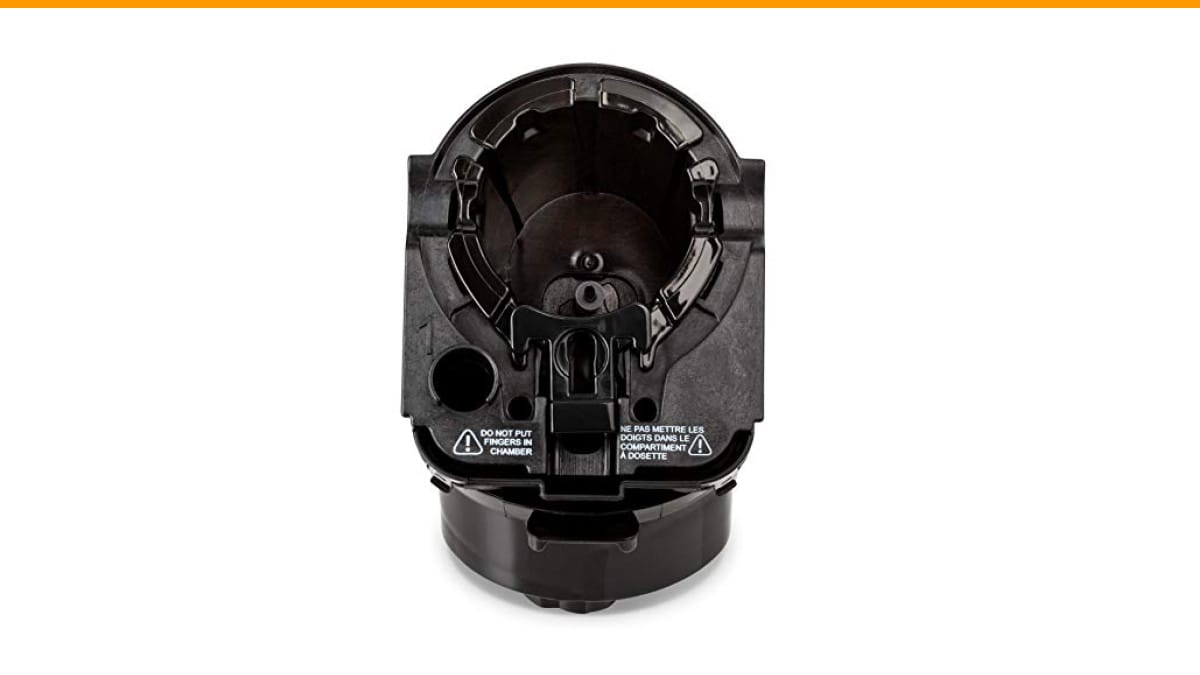
Replacement Pod Holder Needle Assembly For All…
- Designed for all Keurig 2.0 models such as K200, K225, K250, K300, K325, K350, K400, K425, K450, K500, K525, K550, K600, K650, K67…
- Made from high quality materials, 100% BPA free plastic, Helping produce the best brews you ever had!
- Part 1, 2 and 3 for all Keurig 2.0 Models (Full Assembly)
As an Amazon Associate I earn from qualifying purchases.
In this guide, I’ll break down the expected lifespan of every major Keurig accessory, explain the silent killers that shorten those lifespans, and help you decide whether to fix or replace. You’ll walk away knowing exactly what to check when your brew slows down or tastes off.
If your machine is already showing signs of a clogged or damaged needle, a replacement assembly like the HAKANO Replacement Pod Holder Needle Assembly can restore full flow without buying a new unit. It’s a full assembly for all Keurig 2.0 models, made from BPA-free plastic, and it covers parts 1, 2, and 3 in the brewing chamber.
The Short Answer: How Many Years (and Brews) to Expect
Here’s the honest math. A well-maintained Keurig machine itself lasts 3 to 5 years, which translates to roughly 2,000 to 3,000 brew cycles. But the accessories don’t all make it that far. Some fail at 6 months; others can outlive the machine.
Think of it like a car. The engine (heating element) can run for 200,000 miles, but the tires (needles) wear out every 40,000. You don’t scrap the car because the tires are bald. You replace the tires.
The breakdown below gives you concrete numbers based on average daily use—about 2 to 3 cups per day, which is what most households actually do.
The Real Lifespan Breakdown: Machine vs. Accessories
Let’s separate the permanent parts from the consumable ones. This is where most people waste money, either replacing parts that don’t need it or ignoring parts that are failing.
Water Filter Cartridges
The charcoal water filter is the shortest-lived accessory, and it’s also the most neglected. Most people forget it exists. The official recommendation is every 2 months or 60 tank refills, whichever comes first. In real-world testing, you’ll notice a difference at around the 10-week mark if you push it.
What happens when you ignore it? The filter stops removing chlorine and impurities. Your coffee tastes flat, and over time, scale builds up faster inside the machine because the filter isn’t catching the minerals. A 2-month replacement schedule is not marketing fluff; it’s tied to the actual absorption capacity of the charcoal.
One note: if you have a newer model with a filter that screws into the reservoir, the lifespan is the same. The design changed, the chemistry didn’t.
Drip Tray and K-Cup Holder
These are the workhorses. The drip tray is a plastic tray with a float indicator. It doesn’t wear out from use; it wears out from cleaning. If you put it in the dishwasher, the heat can warp the plastic over time, typically after 2 to 3 years. The float mechanism can also stick if you let coffee dry on it repeatedly.
The K-Cup holder (the pod holder basket) faces a different enemy: the exit needle. That small needle punctures the bottom of every K-Cup. Coffee grounds get packed into the needle’s opening. If you never clean it, the needle clogs, and the holder fills with wet grounds that start to smell. The holder itself is tough—it’ll last 5 years—but the needle inside it won’t.
The Exit Needle and Internal Tubing
This is the part that fails most often, and it’s the one people misunderstand. The exit needle is a thin metal tube with a small hole on the side. It needs to be cleaned every 1 to 2 months. If you don’t, coffee oils and grounds harden inside the hole.
Here’s the real killer: hard water scale. The heating element heats water to near boiling, which causes calcium and magnesium to precipitate out of the water. That scale doesn’t just coat the heating element; it travels through the internal tubing and narrows the diameter. The result is a slower brew time, then a trickle, then nothing.
A needle clog is a 5-minute fix. A tubing scale buildup is a descaling project. A completely scaled heating element is a dead machine.
5 Silent Killers That Shorten Lifespan (and How to Stop Them)
Most premature failures aren’t caused by heavy use. They’re caused by specific habits that slowly destroy the machine from the inside.
Hard Water Scale and the Heating Element
Hard water is public enemy number one. If your tap water has high mineral content, your heating element will develop scale deposits. These deposits act as an insulator. The heater has to work harder to heat the same amount of water, which stresses the electrical components.
The fix isn’t just descaling. It’s a preemptive filter. Use filtered water, not tap water, if your hardness is above 7 grains per gallon. You’ll know you have hard water if you see white flakes in your kettle or around your faucet aerator.
Descaling with a commercial solution every 3 months is the minimum. If you live in a hard water area, do it monthly. The descaling cycle dissolves the scale in the tubing and around the needle, which prevents the slow-brew problem before it starts.
Ignoring the “Add Water” Sensor
This sounds minor, but it’s a common cause of pump failure. When the reservoir is low, the pump can pull air into the line. Air in the pump causes it to run dry, which overheats the internal impeller and wears out the seals.
You’ll hear it as a louder, higher-pitched whine when the tank is nearly empty. That’s the pump struggling. The fix is simple: don’t run the machine with less than a quarter tank. Refill before you brew, not after the sensor beeps.
The 3 Warning Signs Your Keurig is Dying (Not Just Clogged)
Not every problem is a clogged needle. Here’s how to tell if the machine itself is failing versus just needing a part replacement.
- Sign 1: Brew time doubles overnight. If your brew goes from 45 seconds to 90 seconds suddenly, it’s usually a needle clog or a scale buildup. If it happens gradually over a month, it’s likely scale. A sudden jump is almost always a physical blockage.
- Sign 2: The pump is loud and vibrates. A healthy pump hums quietly. A loud, rattling pump means air is in the line or the pump is failing. Check the water level first. If the tank is full and it’s still loud, the pump needs replacing.
- Sign 3: The machine turns on but never heats. If the lights come on but the water stays cold, the heating element or its thermal fuse is dead. This is the expensive failure. It’s often caused by years of scale buildup that eventually overheats the fuse.
If you have one of these signs, don’t immediately buy a new machine. Check the needle assembly first—it’s the cheapest fix.
Repair vs. Replace: The Financial Decision
Here’s the cost-benefit breakdown that most guides skip. A new Keurig costs anywhere from $80 to $200 depending on the model. A replacement needle assembly costs around $15 to $25. A descaling solution costs $8 to $12. A set of water filters costs $15 for a 3-pack.
The math is simple. If your machine is under 3 years old and the problem is a needle clog, scale, or a dirty filter, repair it. You’ll spend under $30 and get another year or two of use.
If the machine is over 5 years old and the pump or heating element has failed, replace it. The cost of a new pump part plus labor (if you pay someone) often exceeds 50% of a new machine’s price. And the rest of the machine is likely near the end of its life anyway.
One exception: if you have a higher-end model like the K-Supreme or a 2.0 series with a large water reservoir, replacement parts are worth it because the machine itself is more expensive to replace.
Pro Maintenance Schedule to Maximize Longevity
Here’s the schedule I recommend based on years of testing coffee gear. It takes about 10 minutes a week total.
- Weekly: Rinse the K-Cup holder and drip tray with warm water. Wipe the exit needle with a damp cloth (unplug first).
- Monthly: Run a full descaling cycle with a commercial descaler. This clears mineral buildup from the internal tubing and the heating element.
- Every 2 months: Replace the water filter cartridge. Mark it on your calendar; you will forget otherwise.
- Every 6 months: Remove the needle assembly and soak it in white vinegar for 30 minutes. This dissolves any hardened coffee oil inside the needle hole.
- Annually: Check the internal tubing for scale by looking at the water line inside the reservoir. If you see white flakes, increase your descaling frequency.
If you’re dealing with a machine that won’t brew at all, our guide on Keurig won’t brew covers the exact troubleshooting steps. And if you’ve just descaled and the problem persists, you might be dealing with a stubborn descale light issue instead.
FAQs (Quick Answers)
How often should I replace the water filter in my Keurig?
Every 2 months or 60 tank refills. The charcoal stops absorbing impurities after that point, and your coffee quality drops noticeably.
Can I clean the exit needle instead of replacing it?
Yes, but only if the clog is soft coffee grounds. Use a paperclip or the cleaning tool that came with your machine. If the needle is bent or the hole is scratched, replace the assembly. A bent needle will tear the K-Cup and cause grounds in your cup.
Why is my Keurig brewing slower than it used to?
It’s almost always scale buildup or a clogged needle. Run a descaling cycle first. If that doesn’t help, clean the exit needle. If the brew time is still over 60 seconds, check the pump—it may be failing.
Is it worth repairing a Keurig that’s 4 years old?
If the repair costs under $30 (needle, filter, descaler), yes. If the pump or heating element needs replacing, no. A new machine will be more reliable and likely have a better warranty.
Does using bottled water make my Keurig last longer?
Yes, if your tap water is hard. Bottled water has lower mineral content, which means less scale on the heating element. But filtered tap water works just as well and costs less. Avoid distilled water—it can cause the machine to overheat because it conducts electricity poorly.
Bottom Line: What to Actually Do
You don’t need to replace your Keurig every time it acts up. You need to understand which part is failing and how much it costs to fix. The machine is a shell; the accessories are the organs.
- The water filter needs replacing every 2 months—set a reminder.
- The exit needle needs cleaning monthly and replacement when it clogs permanently.
- Scale from hard water is the #1 killer of heating elements—descaling every 3 months is non-negotiable.
- If your brew time doubles suddenly, check the needle before you check the pump.
- Repair is worth it if the part costs under $30 and the machine is under 3 years old.
- Replace the whole unit if the pump or heating element fails on a machine over 5 years old.
- Always keep a spare needle assembly on hand—it’s a $20 fix that saves you from a $150 replacement.
For a deeper look at keeping any coffee machine running longer, check our coffee machine maintenance guide. It covers the same principles for espresso machines and drip brewers.
Products related to this article
Sponsored / affiliate links. As an Amazon Associate I earn from qualifying purchases. I may earn additional commission from eligible campaigns.
 HomeBeyond Espresso Coffee Maker 12 Cups, Classic Stovetop Espresso Maker, 600ml / 20oz Coffeemaker for Gas & Ceramic Stovetops (Silver)
 Coffee Espresso Machine Handle Replacement Parts, Cafe Bracket Handle for Lidl Silvercrest CM4621 CM4218 KF5002 KF500S Barista (for 51mm Portafilter Basket - Not included)
 Long Handle Wooden Spoon For Mixing Coffee Tea Jam and Bath Salt In Kitchen, Environmentally Friendly Table Spoon, 8.6 Inches,4 Pieces…