You buy a tea infuser, use it daily, and one morning you notice tiny black flecks floating in your cup. Or the hinge feels loose, or the mesh has a tear you can’t unsee. That’s the moment you wonder: is this thing supposed to last this long?
Most people treat a tea infuser like a disposable item, but it’s not. With the right material and care, a good one can outlast your favorite mug. In this guide, I’ll break down realistic lifespans by material, explain why cleaning habits matter more than the product itself, and give you a clear checklist for when to toss it and buy a new one.
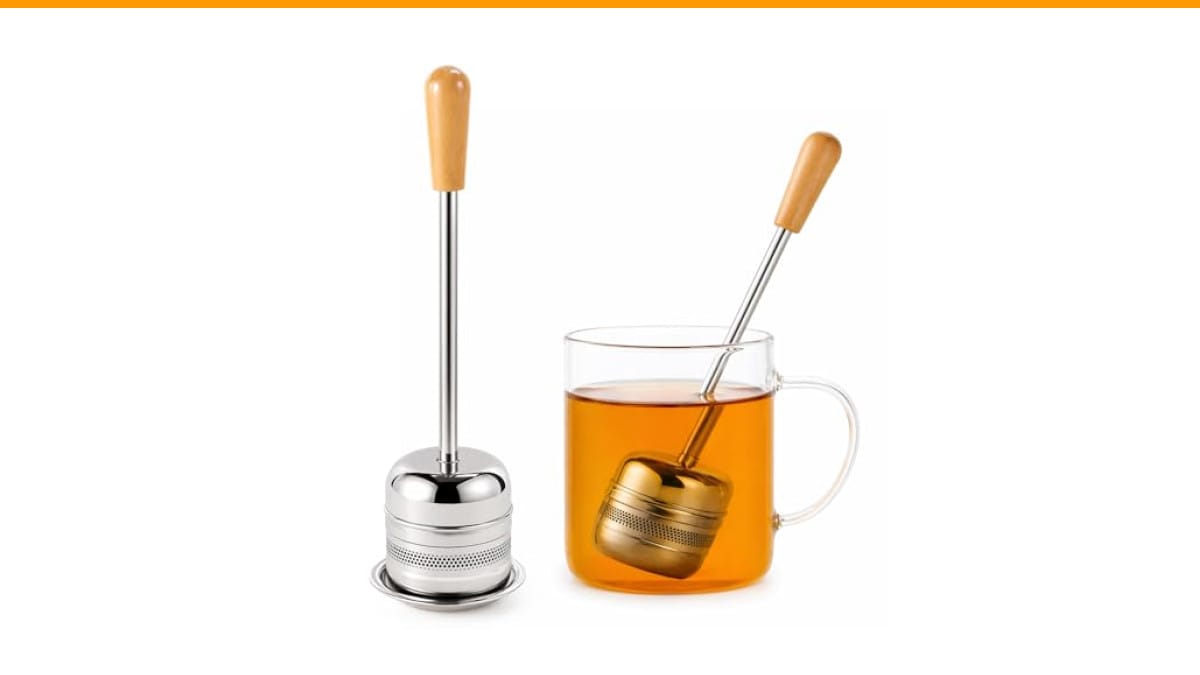
While you’re at it, a solid stainless steel option like the ZPUFAW tea infuser set takes the guesswork out of durability. The 18/8 stainless steel body and fine mesh resist rust and handle daily use without bending out of shape.
What Is a Tea Infuser and How Does It Wear Out?
A tea infuser is a simple device: a perforated basket, ball, or scoop that holds loose tea leaves while they steep. The hardware itself faces three main enemies: repeated thermal expansion, physical stress from opening and closing, and chemical attack from water and cleaning agents.
Every time you dunk it in boiling water, the metal expands slightly. Over hundreds of cycles, that expansion weakens the mesh where it attaches to the frame. The hinge on a clamshell design takes the most abuse. Open it, close it, rinse it, repeat. That hinge will fail before the mesh does in most cases.
The second wear factor is the finish. Cheap electroplated coatings flake off, exposing the base metal underneath. That base metal often isn’t food-grade, which leads to rust and metallic tastes in your tea.
Average Lifespan by Material
Not all infusers age the same. Here’s what you can realistically expect from each type, based on how they’re built and how they fail.
| Material | Typical Lifespan | Primary Failure Mode | Best Use Case |
|---|---|---|---|
| 18/8 Stainless Steel | 5-10+ years | Hinge wear or mesh tear | Daily hot tea brewing |
| Cheaper Stainless (201/430) | 1-3 years | Surface rust and pitting | Occasional use, cold brew |
| Silicone | 2-4 years | Staining, odor retention, tears | Kids’ cups, travel mugs |
| Plastic (Nylon/PET) | 6-12 months | Warping, cracking, chemical leaching | Single-season or disposable use |
| Fine Mesh (Single Layer) | 1-2 years | Stretched or punctured mesh | Fine tea like rooibos or matcha |
Stainless steel wins on longevity, but only if it’s genuine 18/8 or 304 grade. That’s the difference between a tool that lasts a decade and one that rusts in your drawer after a year.
The #1 Factor: How Cleaning Habits Affect Durability
You can buy the best infuser on the market and still ruin it in six months. The culprit is almost always the cleaning routine, not the material.
Dishwashers are the silent killer. The high heat, harsh detergents, and water pressure attack the mesh and any glued or welded seams. Over time, the detergent strips the protective layer on the metal, making it vulnerable to corrosion. Hand washing with mild soap and warm water is the single best thing you can do for your infuser.
Here’s the routine I follow and recommend:
- Rinse the infuser immediately after use to remove loose leaves.
- Use a soft sponge with dish soap and warm water. Never use steel wool or abrasive scrubbers.
- Pay attention to the hinge and the rim where leaves get stuck.
- Dry it completely with a towel before storing. Air-drying on a rack is fine, but standing water in the hinge will cause rust over time.
- For deep cleaning, soak it in a 50/50 white vinegar and water solution for 15 minutes once a month.
Pro tip: If you have hard water, the mineral buildup will clog the mesh faster than any tea leaf. That vinegar soak is not optional; it’s maintenance.
Functional Lifespan vs. Hygienic Lifespan: Know the Difference
There are two different clocks running on your infuser. The functional lifespan is when it physically stops working—the hinge breaks, the mesh tears, the handle snaps. The hygienic lifespan is when it’s no longer safe to use, even if it still looks fine.
Plastic infusers are the classic example. After a year, the plastic can develop micro-cracks that harbor bacteria. You can’t see them, but they’re there, and no amount of scrubbing will get them out. The same goes for silicone that has lost its flexibility and started to feel tacky or sticky.
Metal infusers have a longer hygienic lifespan, but not unlimited. If you see pitting on the surface, that’s a sign of corrosion. Those pits are breeding grounds for bacteria. The same goes for any rust, no matter how small.
My rule of thumb: if you have to scrub hard to get it clean, or if it smells even after washing, the hygienic lifespan is over. Replace it.
5 Clear Signs Your Infuser Needs Replacing
Don’t wait for a catastrophic failure. Look for these specific signs and act on them.
- Loose or wobbly hinge: If the two halves don’t close flush, tea leaves will escape into your cup. This also means the metal is fatigued and will snap soon.
- Stretched or torn mesh: Hold it up to the light. Any visible gap or bulge in the mesh is a failure point.
- Surface rust or pitting: Rust is not just ugly; it’s a health hazard. Once it starts, it spreads.
- Discoloration that won’t wash off: White or chalky buildup is mineral scale. Black spots on metal indicate oxidation. Neither is fixable.
- Plastic parts feel brittle or cracked: This includes the handle or any plastic rim. Brittle plastic can snap off into your hot tea.
One more sign: if the infuser leaves a metallic taste in your tea, that’s the metal breaking down. Stop using it immediately.
Can You Repair a Tea Infuser? (And When Not to Bother)
Some repairs are worth doing. A loose screw on a handle can be tightened. A chain that breaks on a tea ball can be replaced with a new one from a craft store. Those are five-minute fixes.
Most other repairs are not worth the effort. A bent hinge cannot be straightened back to its original tolerance. A torn mesh cannot be patched without creating a place for bacteria to hide. Gluing a cracked plastic handle is a temporary fix that will fail under heat.
The cost of a replacement infuser is low, typically under $15. Your time is worth more than trying to solder a mesh basket back together. If the structural integrity is compromised, replace it. If it’s just a cosmetic scratch, keep using it.
How Water Hardness and Mineral Buildup Shorten Lifespan
Hard water is the invisible enemy. It contains dissolved calcium and magnesium that precipitate out when heated. That white scale you see on your kettle is the same stuff building up on your infuser mesh.
That scale does two things. First, it clogs the tiny holes, making your tea weaker because water can’t circulate properly. Second, it creates a rough surface where tea tannins and bacteria cling. The combination accelerates corrosion, especially on cheaper metals.
If you live in an area with hard water, you’ll notice your infuser degrading faster than someone with soft water. The fix is simple: use filtered water for your tea, or at least do that monthly vinegar soak to dissolve the scale. I’ve seen infusers in hard-water homes fail in 18 months that would have lasted 5 years with soft water.
Storage Mistakes That Ruin Infusers Faster
How you store the infuser between uses matters as much as how you clean it.
Leaving it wet in the sink or on a damp dish rack is the fastest way to develop rust. The moisture sits in the hinge and the mesh, and the metal slowly oxidizes. Always dry it fully before putting it away.
Storing it in a closed drawer while still damp is worse. The trapped moisture creates a micro-environment that accelerates corrosion. If you must store it in a drawer, make sure it’s bone dry first.
Avoid storing it with metal utensils that can scratch or dent the mesh. Give it its own spot in the drawer or hang it on a hook. The ZPUFAW set comes with two infusers, which is handy because you can rotate them and let each one dry completely between uses.
Quick Checklist to Extend Your Infuser’s Life
Here’s what to do starting today to get the maximum lifespan out of your tea infuser.
- Hand wash with mild soap and warm water. Skip the dishwasher.
- Dry thoroughly before storing. No exceptions.
- Soak in a vinegar solution monthly to remove mineral scale.
- Use filtered water if your tap water is hard.
- Inspect the hinge and mesh monthly for signs of wear.
- Replace immediately if you see rust, pitting, or a torn mesh.
- Buy 18/8 stainless steel to start with a material that lasts.
Frequently Asked Questions
Does boiling water damage a tea infuser?
Boiling water alone does not damage a quality stainless steel infuser. The metal is designed to handle that temperature. The problem comes from the thermal cycling—heating and cooling repeatedly—which eventually fatigues the metal at stress points like the hinge. Plastic infusers are the exception; boiling water can warp them over time. If you have a plastic infuser, let the water cool for 30 seconds before steeping.
Are silicone infusers safer than metal?
Food-grade silicone is safe and won’t rust or corrode. However, it doesn’t last as long as stainless steel. Silicone absorbs odors and can stain permanently from strong teas like chai or hibiscus. It also degrades with repeated exposure to high heat. For long-term durability, stainless steel is the better choice. For a flexible, non-scratch option for travel mugs, silicone wins.
How often should I deep-clean my infuser?
I deep-clean my infuser once a month with a vinegar soak. If you use it daily, that’s the right cadence. If you use it only occasionally, clean it after every use with soap and water, and do the vinegar soak every other month. You’ll know it’s time when the mesh feels clogged or the water flow slows down.
The Bottom Line on Infuser Longevity
A tea infuser is a small investment, but it’s not a throwaway item. A good 18/8 stainless steel infuser should last you five to ten years with proper care. The key is to avoid the dishwasher, dry it completely, and watch for the early signs of wear.
Don’t overthink it. If the hinge is loose or the mesh is torn, replace it. The cost is minimal, and your tea will taste better for it.
Products related to this article
Sponsored / affiliate links. As an Amazon Associate I earn from qualifying purchases. I may earn additional commission from eligible campaigns.