You pull a box of filters from the back of the pantry. The cardboard is soft at the corners, and you can’t remember buying it. Maybe you moved twice since then. You tear one off, drop it in the basket, and brew. The coffee tastes flat. There’s a papery dryness at the back of your throat that wasn’t there last week. The filter is the culprit.
Paper filters don’t have a hard expiration date like milk or eggs. But they absolutely have a performance window. Most filters will brew a clean, neutral cup for roughly 2 to 3 years from the manufacture date. After that, the paper’s structure changes. You won’t get sick, but you will taste the difference. This guide covers the chemistry behind that degradation, how to store filters so they last, and what to do when you’re stuck with an old box.

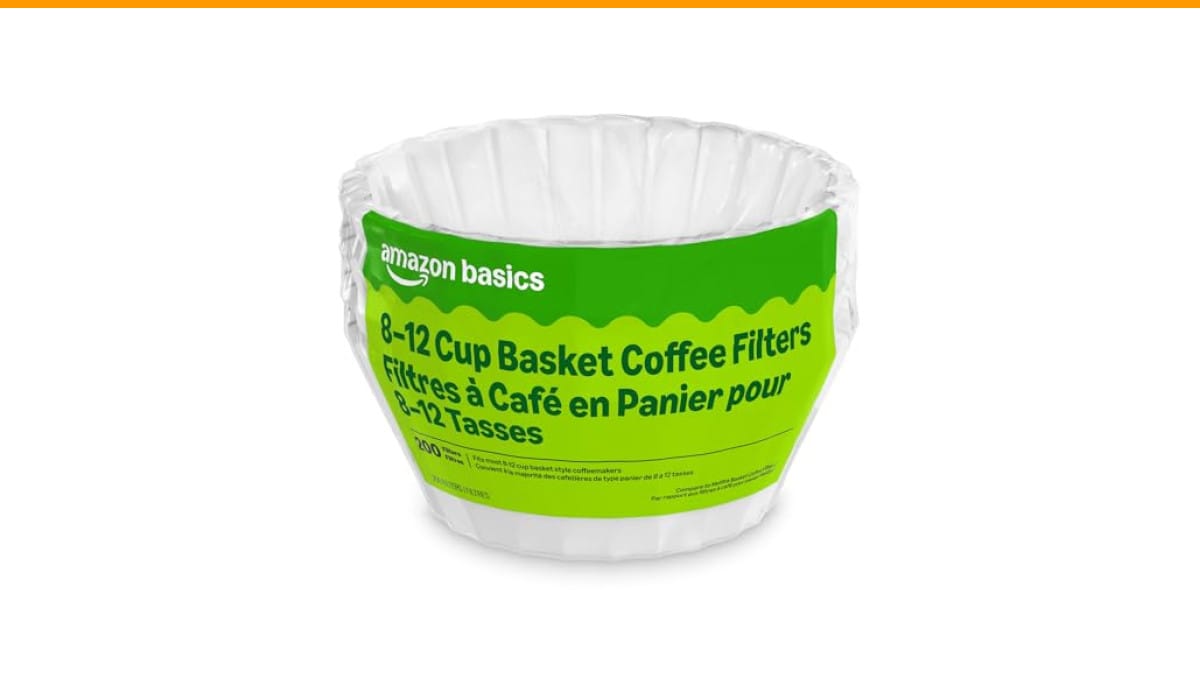
Amazon Basics
Amazon Basics Basket Coffee Filters for 8-12…
- SHIPMENT CONTAINS: 200 white basket coffee filters that fit most 8-12 cup basket coffeemakers
- SUPERIOR FILTRATION: Provides excellent coffee filtration that eliminates gritty sediment while allowing the great coffee taste to…
- INDUSTRIALLY COMPOSTABLE DESIGN: Filter meets ASTM D6868-11 standard and can be composted where municipal or industrial composting…
As an Amazon Associate I earn from qualifying purchases.
If you’re low on filters and need a fresh batch now, the Amazon Basics basket filters are a solid, affordable restock. They’re industrially compostable and certified by the Sustainable Forestry Initiative, so you’re not trading quality for conscience.
The Short Answer: Do Paper Filters Expire?
No, not in the food-safety sense. A dry paper filter won’t grow mold or become toxic. What it does do is oxidize and lose tensile strength. The fibers get brittle. The pore structure shifts. You’ll notice it as a change in brew time and taste, not as a health risk.
Think of it like a rubber band left in a drawer. It looks fine, but the moment you stretch it, it snaps. Old filters look identical to new ones. The failure happens under heat and water pressure.
Most manufacturers print a best-by date on the box. That date is conservative. It’s usually 2 to 3 years out. Filters stored poorly might fail before that date. Filters stored well can last a year or two beyond it, though the cup quality will slowly decline.
The Science of Degradation: What Happens to Paper Over Time
Paper is cellulose fiber. Cellulose is a polymer chain of glucose molecules. It’s tough stuff, but it’s not invincible. Two forces break it down: oxidation and hydrolysis.
How Oxidation and Humidity Alter Filter Porosity
Oxidation happens when oxygen in the air reacts with the cellulose. This breaks the polymer chains into shorter pieces. The paper becomes weaker and more brittle. You won’t see it, but the fibers lose their springiness. When hot water hits them, they collapse differently than fresh fibers.
Humidity is the bigger enemy. Cellulose is hygroscopic, meaning it pulls moisture from the air. When filters absorb even a small amount of water vapor, the fibers swell. As they dry out, they don’t return to their original shape. The pore size changes. Some pores get larger, letting coffee fines through. Others compress, slowing the draw-down.
In testing, a filter stored in a humid bathroom for 18 months brewed noticeably slower than a fresh one. The cup had visible sediment at the bottom. A filter stored in a sealed cabinet for the same period brewed almost identically to a new one.
There’s also the flavor absorption issue. Paper is porous. It will absorb odors from whatever sits next to it. Store filters next to ground coffee or spices, and the filter will transfer those aromas into your brew. It’s subtle, but it’s there.
How Old Filters Ruin Your Coffee (The Tasting Notes)
Old filters don’t just weaken structurally. They change the flavor profile of your cup. Here’s what to look for when you suspect your filters are past their prime.
- Papery or cardboard-like finish: The most obvious sign. Oxidized cellulose releases a musty, dry flavor when soaked. It coats your tongue and lingers after the sip.
- Flat acidity: A fresh filter lets the bright, fruity acids through. An old filter with compressed pores absorbs some of those acids. The cup tastes dull and one-dimensional.
- Slower draw-down: If your brew time jumps from 3 minutes to 4.5 minutes with the same grind size, the filter is the variable. The collapsed pores restrict flow.
- Visible sediment: Enlarged pores from fiber damage let fine coffee particles slip through. You’ll see grit at the bottom of your mug.
None of these are dangerous. They’re just disappointing. If you’re brewing a specialty single-origin bean, you’re throwing away the nuances that cost you extra money.
The 2-3 Year Rule: When to Toss Them
The practical answer: replace filters every 2 to 3 years from purchase. Not because they go bad, but because the performance window closes.
Here’s the honest breakdown. A brand-new filter has a consistent pore size and a neutral taste. At year one, stored properly, it’s still fine. At year two, you might notice a slightly longer brew time. At year three, the risk of off-flavors and structural failure climbs. At year four, you’re gambling.
If you’re a casual coffee drinker who uses a drip machine with pre-ground coffee, you might not notice the difference. If you’re dialing in a pour-over with a gooseneck kettle and a scale, you’ll taste it immediately.
One caveat: don’t trust the box date blindly. The manufacture date matters more than the best-by date. A box could sit on a warehouse shelf for a year before you buy it. Check the bottom of the box for a stamped code if you can find one.
How to Store Filters for Maximum Shelf Life
Storage is the single biggest factor in filter longevity. Get this right, and you can stretch the performance window to the full 3 years and beyond.
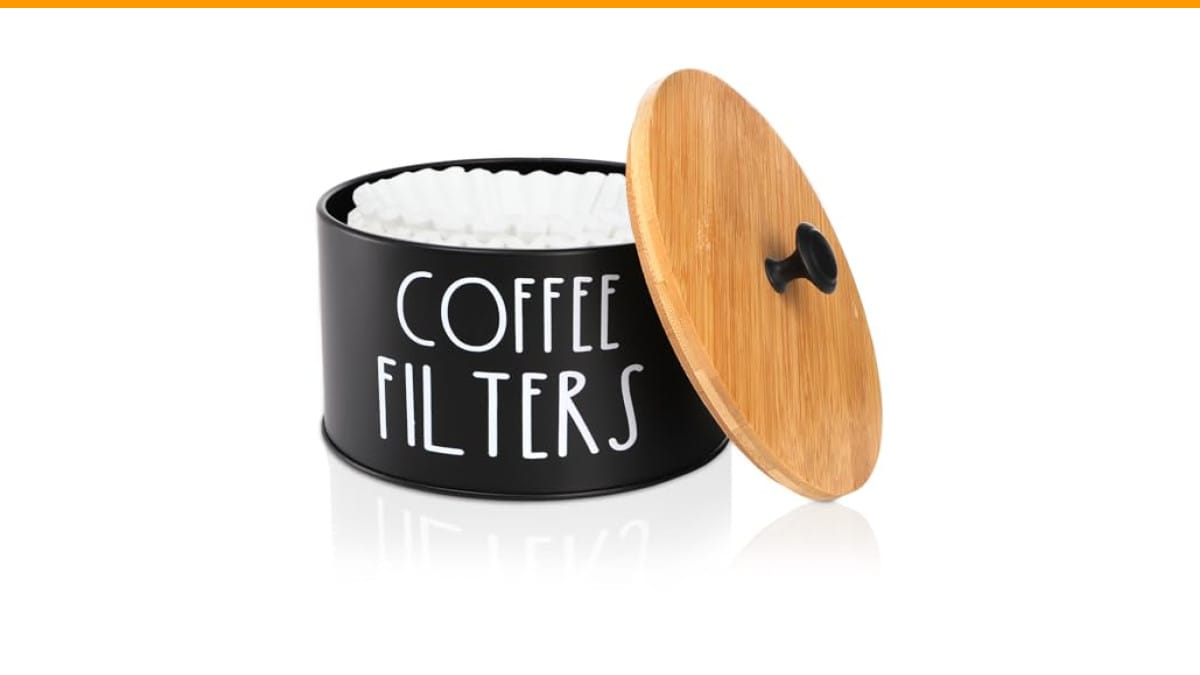
- Keep them in an airtight container. The original cardboard box isn’t enough. Transfer filters to a plastic or glass container with a sealed lid. This blocks oxygen and humidity.
- Store in a cool, dry place. A pantry or cabinet away from the stove and dishwasher. Avoid under-sink areas, which have high humidity swings.
- Keep them away from coffee and spices. Paper absorbs odors. A filter that smells like cumin will brew like cumin. Store filters in a separate cabinet or on a different shelf.
- Don’t freeze them. Freezing creates condensation when you open the container. That moisture damages the fibers faster than room-temperature air.
I keep my filters in a large mason jar on a high shelf in the pantry. It’s not fancy, but it works. I’ve had a box last 18 months with zero flavor transfer.
How to Salvage a Brew with Old Filters
You’re out of fresh filters and the store is closed. You have a box of questionable age. You can still brew a decent cup with two tricks.
Rinse the filter thoroughly with hot water first. Run clean, near-boiling water through the filter before adding coffee. This does two things: it washes away the oxidized surface fibers, and it pre-wets the paper so it doesn’t absorb your brew water. You’ll lose some of the papery taste. It won’t be perfect, but it’s drinkable.
Grind slightly coarser. Old filters often have compressed pores that slow the draw-down. A coarser grind keeps the flow rate closer to normal, preventing over-extraction and bitterness. You’re compensating for the filter’s failure rather than fixing it, but it works.
If the filter tears when you fold it or it disintegrates in the basket, stop. That filter is gone. Don’t try to patch it with a second filter. The double layer will choke the brew and produce a bitter, over-extracted mess.
Reusing vs. Aging: Why Reuse is a Different Problem
Reusing a paper filter is a separate issue from aging. A used filter has coffee oils, fines, and residue trapped in the fibers. That material goes rancid quickly. You can’t wash it out effectively.
Some people rinse and reuse a filter once or twice to save money. It’s not a health hazard, but the cup quality drops sharply. The residual oils go bitter and stale. You’re also risking a tear on the second use, which means sediment in your cup.
Compare that to an aged but unused filter. The aged filter is clean but structurally weak. The reused filter is structurally okay but full of rancid oils. Both are inferior to a fresh filter. Neither is worth the money you save.
If you’re really trying to cut waste, switch to a metal mesh filter. It’s a one-time purchase, and it doesn’t degrade the same way paper does. The trade-off is sediment in your cup, which some people prefer and others hate.
Fresh Filters vs. Old Filters: A Side-by-Side Comparison
| Factor | Fresh Filter (0-1 year) | Aged Filter (2-3+ years) |
|---|---|---|
| Brew time (standard drip) | Consistent, matches manufacturer spec | 10-30% slower due to collapsed pores |
| Sediment in cup | None | Visible fines if pores have enlarged |
| Flavor profile | Neutral, lets coffee’s character through | Papery, cardboard-like finish |
| Structural integrity | Holds shape under hot water | Prone to tearing at seams |
| Acidity extraction | Bright, fruity acids preserved | Flat, dull acidity |
| Best use case | Pour-over, drip, any method | Emergency only, with hot rinse |
Final Verdict: Fresh Filters for a Clean Cup
Paper filters are cheap. There’s no reason to push them past their prime. If your box is older than 2 years, toss it and buy a fresh one. The cost of a new box is less than the cost of one wasted bag of specialty beans.
- Filters don’t expire, but they do have a 2-3 year performance window.
- Humidity and oxygen are the enemies. Store filters in an airtight container.
- Old filters taste papery, slow your brew, and let sediment through.
- Rinse an old filter with hot water to salvage a single emergency brew.
- Grind coarser if you must use an old filter to avoid over-extraction.
- Never reuse a paper filter. Rancid oils ruin the cup.
- Check the box’s manufacture date, not just the best-by date.
Your coffee maker deserves a clean filter. Your palate does too. If your machine is due for a deeper reset, check our cleaning guide to make sure old oils aren’t also affecting your brew. And if you’ve been battling bitter shots, our piece on post-cleaning bitterness might save your next batch.
Products related to this article
Sponsored / affiliate links. As an Amazon Associate I earn from qualifying purchases. I may earn additional commission from eligible campaigns.
 Wooden Coffee Mixing Spoons, 3PCS Long Handle Wooden Mixing Spoon, Cooking Long Handle Tasting Spoons for Kitchen Soup Coffee Cocktail Honey Mixing Stirring
 HouseGem Large Candle Warmer Plate - Coffee Cup Mug Warmer for Desk, Candle Melter, Electric Mug Heater for Beverages, Milk & Tea, Coffee Accessories Ideal Gifts Keep Cup Warm (Black)
 8 Pcs Wooden Coffee Spoon, Long Handle Wwood Spoons for Eating