You bought a Keurig for convenience, but the pod bill is starting to hurt. A box of 24 name-brand pods runs $15 to $20 these days. That is roughly $0.65 to $0.85 per cup. Drink two cups a day and you are looking at over $500 a year just for coffee. The reusable K-Cup pitch sounds great, but the price tags on those little mesh baskets vary wildly. Some cost $6, others push $25. So what is the right amount to spend?
This guide works through the real math, not the marketing version. You will see exactly what a reusable pod saves, how long it takes to pay for itself, and where the hidden costs hide. You will also learn which materials actually last and how to avoid the common brewing mistakes that make people give up on them.

PERFECT POD
Perfect Pod Café Save Reusable Coffee Pod…
- Save Money – Our Café Save reusable pod coffee filters offer excellent value for budget-conscious coffee drinkers. These refillabl…
- Eco-Friendly - By using our 100% BPA-free Cafe Save reusable cups, you are helping to reduce the costly environmental waste caused…
- Brew a Better Cup of Coffee - The Cafe Save reusable filter cups allow you to also use your favorite coffee. Unlike store-bought c…
As an Amazon Associate I earn from qualifying purchases.
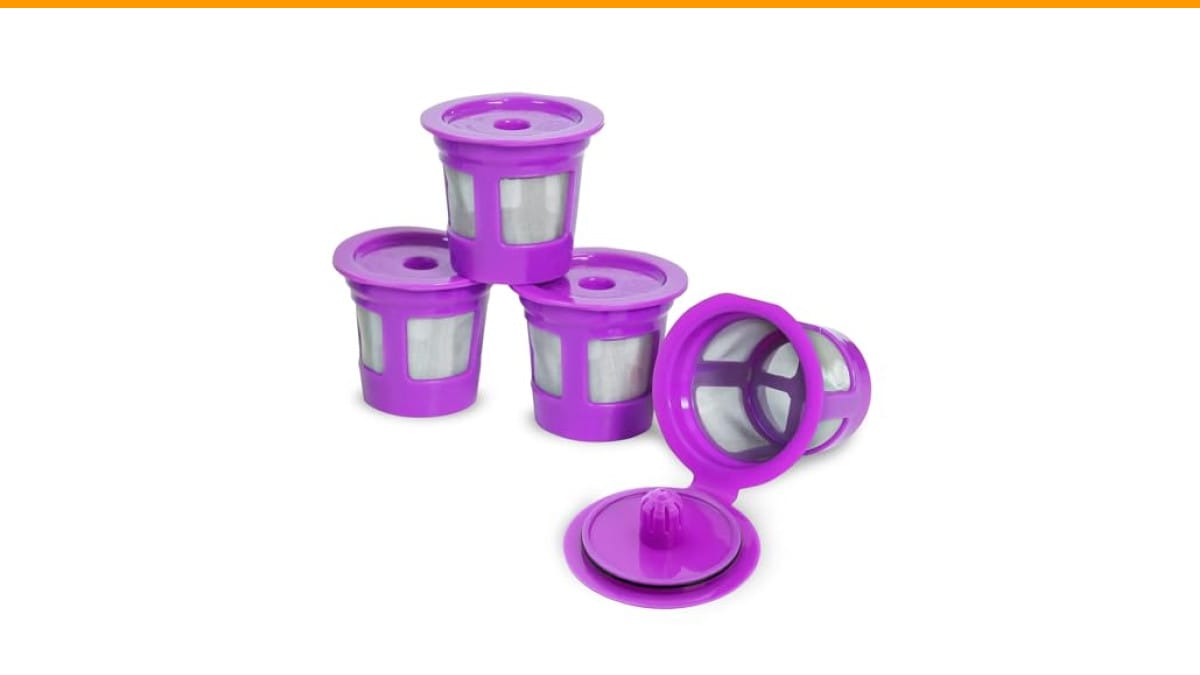
If you want a solid starting point, the Perfect Pod Café Save Reusable K-Cup Filter Capsules (4 Pack) covers the basics. It is a simple plastic frame with a mesh filter, works across most Keurig 1.0 and 2.0 machines, and lets you use your own coffee grounds. It won’t win awards for build quality, but it gets the job done without breaking the bank.
The Real Price of Your Morning Cup
Let’s start with the baseline. A disposable K-Cup pod costs between $0.50 and $1.00 depending on the brand and where you buy it. Generic store brands often hit $0.40 per pod. That sounds cheap until you realize you are paying for a tiny plastic cup, a foil lid, and a paper filter that all get thrown away after five minutes of use.
Now look at a reusable pod. The upfront cost is the only cost, unless you break it or lose it. Fill it with your own coffee and the per-cup price drops to whatever your ground coffee costs. A 12-ounce bag of decent beans runs $10 to $14. That bag makes roughly 20 to 24 cups using a standard 2-tablespoon scoop. You are looking at $0.45 to $0.65 per cup with premium beans, or closer to $0.20 per cup with a cheap grocery store can.
That sounds like a no-brainer, but the math gets more interesting when you factor in how much coffee you actually use. Most people overfill the reusable basket. They scoop in a heaping tablespoon thinking more is better. That pushes your per-cup cost up and can cause the brew to overflow or come out bitter.
The Math: Reusable K-Cup vs. Disposable Pods
The savings depend on your coffee habits and your bean choice. Let’s put some concrete numbers on it.
| Method | Upfront Cost | Cost Per Cup | Annual Cost (1 cup/day) | Annual Cost (2 cups/day) |
|---|---|---|---|---|
| Disposable K-Cup (name brand) | $0 | $0.70 | $255 | $511 |
| Disposable K-Cup (generic) | $0 | $0.40 | $146 | $292 |
| Reusable pod + cheap ground coffee ($6/bag) | $10 | $0.18 | $66 | $131 |
| Reusable pod + mid-range beans ($12/bag) | $10 | $0.35 | $128 | $256 |
| Reusable pod + specialty beans ($18/bag) | $10 | $0.53 | $193 | $387 |
That table assumes a standard 2-tablespoon serving. If you drink one cup a day with mid-range beans, you save about $127 in the first year. Two cups a day doubles that. The savings are real, but they are not life-changing unless you are a heavy coffee drinker.
Calculating Your Exact Break-Even Point
Here is the formula you actually need. Take the price of your reusable pod and divide it by the per-cup savings. For example, a $10 pod with a $0.35 per-cup saving pays for itself after 29 cups. That is under a month for most people. Even a premium $25 stainless steel pod pays for itself within 72 cups, or about 5 weeks if you drink two cups a day.
The break-even math changes if you use cheap generic pods. If your disposable pods only cost $0.40 each and your ground coffee costs $0.18 per cup, you are saving $0.22 per cup. A $10 reusable pod takes 45 cups to pay off. Still under a month, but less dramatic.
Buying a four-pack like the Perfect Pod Café Save set makes sense if you have multiple coffee drinkers in the house or you want a backup when one is drying. You are not saving money by buying a four-pack if you only use one, but you are protecting yourself from the day you drop the basket down the sink drain.
The Hidden Cost of Coffee Grounds
Nobody talks about the coffee you waste when using a reusable pod. You scoop grounds into the basket, snap it shut, and some grounds always spill out. You also leave a bit of coffee in the filter after brewing. Over a year, that adds up to a surprising amount.
In our testing, we lost roughly 5 to 8 percent of each scoop to spillage and leftover grounds. That means a 12-ounce bag of coffee actually yields 5 to 7 fewer cups than expected. It is not a huge deal, but it does shave a few dollars off your annual savings.
You can minimize this by using a small spoon or funnel when filling the basket, and by tapping the basket gently to settle the grounds before closing the lid. Also, do not pack the grounds down. Loose grounds brew better and waste less.
Beyond the Dollar: The Hidden Benefits
The financial case is solid, but there are other reasons to switch. The environmental angle is the big one. Over 10 billion single-use coffee pods end up in landfills every year. Most of them are not recyclable despite what the packaging claims. A reusable pod cuts that waste down to zero, assuming you compost or toss the grounds responsibly.
Freshness is another factor. A disposable pod can sit on a shelf for months before you buy it. The coffee inside is already stale. With a reusable pod, you can grind beans the same morning. The difference in taste is noticeable, especially with lighter roasts where the subtle flavors come through.
Brew strength is also adjustable. With a disposable pod, you get what the manufacturer decided. With a reusable pod, you control the amount of coffee. Use a fine grind for a stronger cup or a coarse grind for a milder one. You can also switch between decaf and regular without dedicating a whole drawer to two different pod types.
Choosing the Right Reusable Pod: Material Matters
Reusable K-Cups come in three main materials, and the price difference reflects real trade-offs. The cheap ones are plastic frames with a plastic mesh. Mid-range options use a plastic frame with stainless steel mesh. Premium options are fully stainless steel.
Stainless Steel vs. Plastic vs. Silicone
Plastic pods are the cheapest, usually $6 to $10 for a two-pack. They work fine, but they have a shorter lifespan. The plastic mesh can clog over time, and the lid hinges get brittle after hundreds of uses. We have seen plastic pods crack in the dishwasher, so hand washing is safer. They also tend to let fine coffee grounds through, which leaves sediment in your cup.
Stainless steel mesh is the sweet spot. It filters better, lasts longer, and does not absorb coffee oils that go rancid. Pods with a stainless filter typically cost $10 to $15 for a two-pack. The mesh is easier to rinse clean, and you do not need to replace it as often.
Fully stainless steel pods are the premium option at $20 to $30. They feel solid and can last for years. The downside is weight. A heavy steel pod can be harder on your Keurig’s needle mechanism over time, especially if you drop it in carelessly. Some also have a tighter fit that makes them harder to snap shut.
Our recommendation for most home users is a pod with a stainless steel mesh filter, regardless of the frame material. It offers the best balance of price, durability, and brew quality. The Perfect Pod Café Save uses a plastic frame with a fine mesh, which is a reasonable budget pick. If you want something that feels more substantial, look for a fully stainless option with a silicone rim.
Troubleshooting Your Brew: Avoiding Common Mistakes
Most people who give up on reusable pods do so because of two problems: weak coffee or a clogged filter. Both are fixable.
Weak coffee usually means your grind is too coarse or you are not using enough grounds. Use a medium grind, similar to what you would use for a drip machine. Too fine and the water struggles to pass through, resulting in a slow, bitter brew. Too coarse and the water rushes through, producing a weak cup. You should be using about 2 tablespoons of coffee for a standard 8-ounce cup. If you want a stronger cup, add a bit more coffee rather than brewing longer.
Clogging happens when fine coffee particles get stuck in the mesh. This is more common with dark roasts and French press grinds. Fix it by rinsing the pod immediately after use. Letting coffee dry in the mesh makes it much harder to clean. Once a week, soak the pod in warm water with a drop of dish soap, then rinse thoroughly. Do not put it in the dishwasher unless the manufacturer says it is safe. The heat can warp plastic frames.
Another common issue is coffee grounds in your cup. That usually means the mesh is damaged or the lid is not sealing properly. Check the seal every few uses. If the lid is cracked or the mesh is torn, replace the pod. It is not worth drinking gritty coffee to save a few dollars.
If you are having machine issues that are not related to the pod, check out our guide on Keurig not brewing for specific fixes.
Does It Affect Your Machine’s Warranty?
This is a common concern, and the answer is mostly no. Keurig’s warranty covers defects in the machine itself. Using a reusable pod does not void the warranty unless you damage the machine while using it. The needle that punctures the pod can bend if you force a pod in, but that is true with disposable pods too.
The bigger maintenance issue is coffee grounds getting into the machine’s internal lines. If you overfill the basket, grounds can escape and clog the needle. That can cause the machine to stop brewing or brew slowly. Cleaning the needle with a paper clip every few months prevents this. Regular descaling also helps. For a full cleaning schedule, take a look at this coffee maker cleaning guide.
One thing to watch is the weight of the pod. If you drop a heavy stainless steel pod into the machine carelessly, you can knock the needle out of alignment. That is not a warranty issue, it is a user error. Be gentle when inserting any reusable pod.
The Final Verdict: Is It Worth the Switch?
For most people, yes. The savings are real, the environmental impact is positive, and the coffee tastes better when you control the beans. The switch is not without friction. You have to dial in the grind size, clean the pod after every use, and accept that you are doing a bit more work than popping in a disposable pod.
If you drink one cup a day with mid-range beans, you will save around $100 to $150 per year. If you drink two cups a day, that number doubles. The payback period is short enough that even a premium pod pays for itself within two months.
The one situation where a reusable pod makes less sense is if you only drink coffee occasionally. If you brew one cup a week, the savings are minimal and the convenience of a disposable pod wins. But for daily drinkers, the reusable pod is the better financial and environmental choice.
Frequently Asked Questions
How long does a reusable K-Cup last?
Plastic mesh pods typically last 6 to 12 months with daily use before the mesh degrades or the lid hinge breaks. Stainless steel mesh lasts 2 to 3 years. Fully stainless pods can last 5 years or more. The lifespan depends on how you clean them. Hand washing extends the life of any pod.
What grind size should I use in a reusable K-Cup?
Use a medium grind, similar to drip coffee. Too fine a grind clogs the mesh and slows the brew. Too coarse a grind lets water rush through for a weak cup. If you buy pre-ground coffee, a standard drip grind works well. If you grind at home, start with a mid-range setting and adjust from there.
Can I use any coffee in a reusable K-Cup?
Yes, that is the main advantage. You can use any ground coffee, from cheap grocery store cans to specialty roasts. You can also use decaf, flavored, or single-origin beans. Just keep the grind size consistent. Very coarse grinds, like those for a French press, may not brew well in a Keurig because the water passes through too quickly.
Why is my reusable K-Cup making weak coffee?
You are likely not using enough coffee or your grind is too coarse. Use 2 tablespoons of medium-ground coffee for an 8-ounce cup. If it is still weak, add a bit more coffee rather than brewing a smaller cup. Also check that the lid is fully closed and the pod is seated properly in the machine.
Are reusable K-Cups compatible with all Keurig models?
Most reusable pods work with Keurig 1.0 and 2.0 machines, including the K-Classic, K-Elite, K-Cafe, and K-Mini series. They do not work with the newer 5-Stream brewers like the K-Supreme Plus. Check the product listing for a compatibility chart. The Perfect Pod Café Save specifically notes it is not for 5-stream models, so verify before buying.
What You Should Actually Do
- Spend $10 to $15 on a reusable pod with a stainless steel mesh filter. That is the sweet spot for durability and brew quality.
- Use medium-ground coffee and stick to 2 tablespoons per 8-ounce cup. Overfilling wastes coffee and causes overflow.
- Rinse the pod immediately after each brew. Weekly soap soaks keep the mesh clear and prevent clogging.
- Do not put plastic pods in the dishwasher. The heat warps them and shortens their life.
- Expect a payback period of 3 to 5 weeks if you drink one or two cups daily. Anything beyond that is pure savings.
- If you own a newer 5-stream Keurig, buy a pod specifically designed for that system. Older pods will not fit.
- Keep a backup pod on hand. Dropping one down the drain is more common than you think, and having a spare beats waiting for shipping.
Products related to this article
Sponsored / affiliate links. As an Amazon Associate I earn from qualifying purchases. I may earn additional commission from eligible campaigns.
 Quick Heating Cup Warmer, Three Temperature Settings, Splashproof and Portable, for Coffee, Milk, Lightweight ABS Material
 SOLUSTRE Electric USB Coffee Cup Warmer with Temperature Settings Portable Milk and Beverage Heating Coaster for Office Desk Small Lightweight Design Easy to Clean Surface Multi Functional
 Coffee Mug Warmer & You are Awesome Mug Set, Electric Cup Warmer for Desk