You are mid-pour, aiming for a perfect spiral in your V60, and you notice it: tiny white flakes floating in the water. That is limescale. It happens to every electric gooseneck kettle, especially if you live in an area with hard water. It is not dangerous, but it alters the taste of your water and makes your kettle heat slower.
This guide covers everything you need to know about cleaning and descaling your electric gooseneck kettle. You will learn the difference between routine rinsing and deep descaling, the best cleaning agents to use, and a step-by-step process that takes under an hour. These methods work on Fellow Stagg and Hario Buono kettles, so this advice is practical, not just theoretical.

JOYAONE
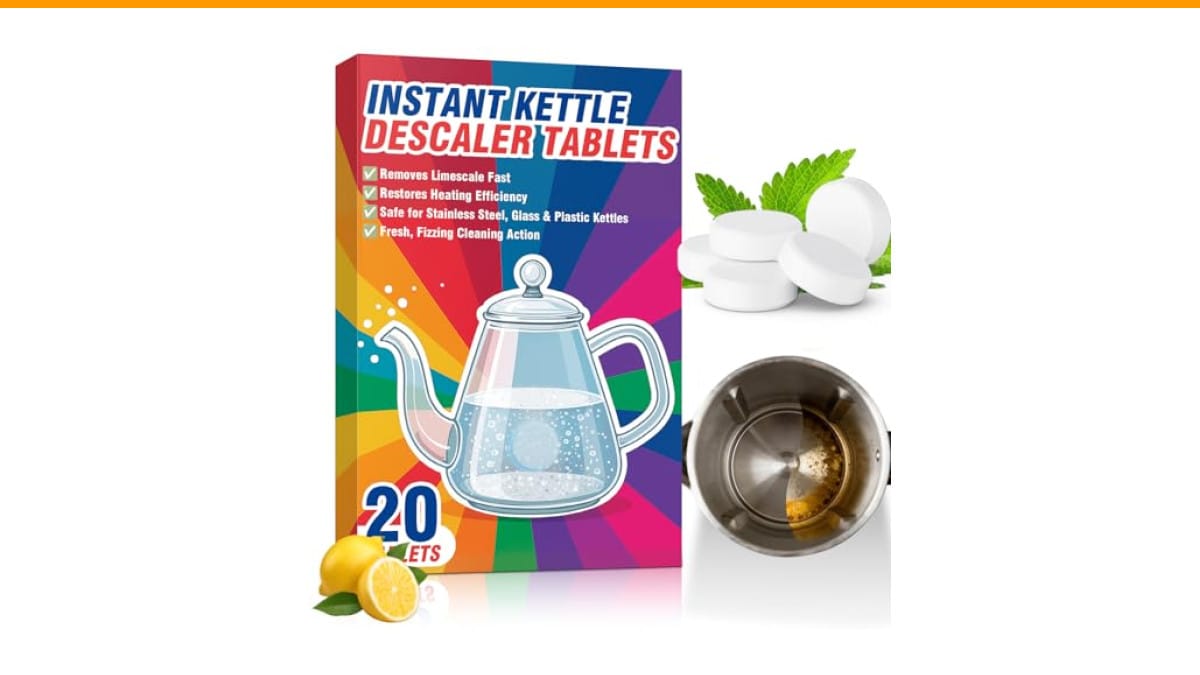
Kettle Descaler Tablets, 20 Pack Citric Acid…
- Easily Remove Stubborn Limescale: Our kettle descaler tablet uses citric acid as the main formula, so that it easily breaks down a…
- Simple Instructions: 1. Place the kettle cleaner tablet in the kettle and add about 70 ºC Hot (not boiling) water.2. Allow the tab…
- Restore Original Energy Efficiency and Extend Lifespan: Regular use of our citric acid for cleaning effectively eliminates built-u…
As an Amazon Associate I earn from qualifying purchases.
For most people, a simple citric acid solution is the most effective and cost-efficient route. A product like JOYAONE Kettle Descaler Tablets simplifies the process because the dosage is pre-measured. You drop one tablet in, add hot water, and wait. It does the heavy lifting without you having to measure powder or handle liquid acid.
Why Your Kettle Needs Regular Cleaning
Hard water contains calcium and magnesium. When you boil it, those minerals precipitate out and stick to the heating element and the interior walls. That crusty white or tan buildup is limescale. It is an insulator, so your kettle has to work harder and use more electricity to reach the same temperature. Over time, that also shortens the lifespan of the heating element.
Limescale also affects flavor. Even a thin layer can make your water taste flat or slightly metallic. For pour-over coffee, where water is the main ingredient, that off-taste goes straight into your cup. Cleaning your kettle monthly is the most effective way to keep your water neutral and your brewing consistent.
If you are also dealing with milk residue on your espresso machine, the same descaling principles apply. Check out our guide on steam wand cleaning for that specific chore.
Your Cleaning Toolkit
You do not need much. Here is what I keep on hand for all my kettles:
- White vinegar or citric acid (powder or tablets)
- Soft sponge or non-abrasive scrubbing pad
- Bottle brush or long-handled brush for the spout
- Clean water for rinsing
Do not use steel wool or harsh abrasive pads. Gooseneck kettles often have a painted or coated exterior, and the interior is usually stainless steel or a non-stick coating. Abrasives will scratch both. Scratches create places for bacteria and scale to hide.
For the spout, a narrow bottle brush is essential. The gooseneck design is great for pour control but terrible for cleaning. Scale builds up inside the bend where you cannot see it, and it will eventually break off into your cup.
Step-by-Step: How to Clean a Electric Gooseneck Kettle
Here is the process to use every time. It works for both citric acid and vinegar.
- Rinse the kettle. Empty any leftover water and give it a quick rinse under the tap to remove loose debris.
- Prepare your descaling solution. For citric acid tablets, follow the package instructions. For liquid vinegar, use a 1:1 ratio of water to white vinegar. For citric acid powder, dissolve one tablespoon in one liter of water.
- Fill the kettle. Pour the solution into the kettle. Do not overfill. Fill to the minimum line or just enough to cover the heating element. If you fill it to the max line, the boiling reaction can bubble over and make a mess.
- Boil the solution. Turn the kettle on and bring the solution to a boil. The heat accelerates the chemical reaction, breaking down the limescale faster than cold solution would.
- Let it sit. Once it boils, turn the kettle off and let the solution sit for 15 to 30 minutes. You will see fizzing and bubbling. That is the acid working. For heavy buildup, an hour is fine.
- Scrub gently. After soaking, dump the solution. Use your soft sponge or brush to gently scrub the interior walls and the heating element. Most of the scale should wipe away easily. Do not force it. If some stubborn spots remain, repeat the process instead of scrubbing harder.
- Clean the spout. Use your bottle brush to clean inside the gooseneck spout. Run it in and out a few times to dislodge any scale hiding in the bend.
- Rinse thoroughly. This is the most important step. Rinse the kettle three or four times with fresh, cold water. Fill it, swish it around, and dump it. Then boil a full kettle of plain water and dump that too. This removes any residual acid taste or smell.
- Dry it. Leave the lid off and let the kettle air dry completely before storing it. Trapped moisture encourages mold and rust.
That is it. The whole process takes about 45 minutes, mostly waiting time.
If you are dealing with a clogged machine, the same citric acid approach works for coffee makers. Read our guide on cleaning a clogged coffee maker for more specific steps.
Vinegar vs. Citric Acid vs. Tablets
All three methods are effective. Here is an honest comparison based on practical results.
| Method | Effectiveness | Smell | Cost | Ease of Use |
|---|---|---|---|---|
| White Vinegar | Good for light to moderate scale | Strong vinegar smell that needs thorough rinsing | Cheapest option | Easy, but you need to measure the ratio |
| Citric Acid Powder | Excellent for heavy scale | No smell | Inexpensive, but requires measuring | Easy, but can be messy |
| Descaling Tablets | Excellent for heavy scale | No smell | More expensive per use | Simplest, pre-measured dose |
My personal preference is citric acid tablets. The pre-measured dose removes the guesswork. With powder, I have accidentally used too much and had to rinse extra times. With vinegar, I hate the smell that lingers in the kettle for days. Tablets solve both problems. A pack like the JOYAONE descaler tablets is a solid choice for this purpose.
One caveat: never mix vinegar and baking soda in the kettle. It creates a foamy mess that can overflow and damage the heating element. Stick to one acid at a time.
How Often Should You Clean It?
It depends on your water hardness. I have moderately hard water, and I descale every four to six weeks. If you have very hard water, you might need to do it every two weeks. If you use filtered or distilled water, you can stretch it to every two or three months.
Here is a simple test: boil a kettle of water and pour it into a clear glass. If you see white flakes or a film on the surface, it is time to descale. If the heating element looks crusty when you peek inside, it is time.
For daily maintenance, just empty the kettle after each use and leave the lid open to dry. Do not let water sit in it overnight. That simple habit reduces scale buildup significantly.
If you are wondering about your coffee maker, the frequency is similar. You can read our detailed guide on coffee maker cleaning frequency for more specifics.
Three Common Mistakes to Avoid
I have made all of these mistakes so you do not have to.
Mistake 1: Using soap. Soap leaves a residue that is hard to rinse out of the gooseneck spout. It also breaks down the surface tension of water, which ruins your pour control. You only need acid for descaling and water for rinsing. Soap is not necessary.
Mistake 2: Overfilling the kettle with solution. When the acid reacts with the scale, it creates bubbles. If the kettle is full, those bubbles push out of the spout and make a sticky mess on your counter. Keep the solution level below the max line.
Mistake 3: Skipping the final boil. A quick rinse is not enough. Residual citric acid or vinegar will make your next cup of coffee taste sour. Always do a full boil of plain water and dump it before you brew.
Frequently Asked Questions
Can I use a descaler tablet in a gooseneck kettle?
Yes. Descaler tablets are specifically designed for electric kettles. They are safe for stainless steel and most non-stick coatings. Just follow the package instructions for water temperature and soak time. The JOYAONE tablets recommend 70°C water and a 15-30 minute soak, which works well for gooseneck kettles.
Will descaling damage the heating element?
No, not if you follow the instructions. Citric acid and vinegar are mild acids that dissolve limescale without attacking the metal. The danger is leaving the solution in the kettle for hours or overnight. That extended exposure can pit the metal. Stick to the recommended soak times.
Why does my kettle smell bad even after cleaning?
That is usually a sign of residual cleaning solution or a dry-burning issue. If you used vinegar, the smell can linger for a while. Boil a fresh batch of water with a few lemon slices to neutralize the odor. If the smell persists, you might have residue stuck in the spout that your brush missed.
Is it safe to use a kettle with limescale?
It is safe to drink, but it is not ideal. Limescale is mostly calcium carbonate, which is not toxic. The bigger issues are taste and efficiency. The scale makes the kettle slower and less energy-efficient, and it can flake into your cup. Cleaning is more about quality than safety.
Can I put the kettle base or exterior in water?
No. The base contains electrical components. Never submerge it. Wipe the exterior with a damp cloth. If you spill water on the base, dry it completely before using it again.
What to Remember for Next Time
- Descale every 4-6 weeks for hard water, less often for soft water.
- Use citric acid or vinegar, never soap.
- Boil the solution, then soak for 15-30 minutes.
- Clean the gooseneck spout with a bottle brush.
- Always do a final boil of plain water to rinse.
- Leave the lid open to dry after each use.
- Check the heating element periodically for crusty buildup.
Keep your kettle clean, and it will keep your coffee tasting clean. For more maintenance tips on your other gear, look at our guide on coffee grinder cleaning to complete your routine.
Products related to this article
Sponsored / affiliate links. As an Amazon Associate I earn from qualifying purchases. I may earn additional commission from eligible campaigns.
 SOLUSTRE Electric USB Coffee Cup Warmer with Temperature Settings Portable Milk and Beverage Heating Coaster for Office Desk Small Lightweight Design Easy to Clean Surface Multi Functional
 Quick Heating Cup Warmer, Three Temperature Settings, Splashproof and Portable, for Coffee, Milk, Lightweight ABS Material
 Coffee Mug Warmer & You are Awesome Mug Set, Electric Cup Warmer for Desk