You are standing at the counter, staring at a used paper filter. It looks fine. Maybe a little stained, but structurally sound. You think about stretching it one more day. We have all done it. That small act of frugality often leads to a bitter, slow-drawing brew that tastes like cardboard. The truth is, the answer to “how often to replace coffee paper filter” is not a single magic number. It depends on your brewing ritual, the filter type, and the water running through your tap.
This guide gives you a decision framework. You will learn the exact signs of filter failure, the true cost of skipping a swap, and how to match a replacement schedule to your specific habits. You will also get a direct comparison between disposable paper and reusable metal or cloth filters, so you can make a choice that fits your taste and your routine.

Amazon Basics
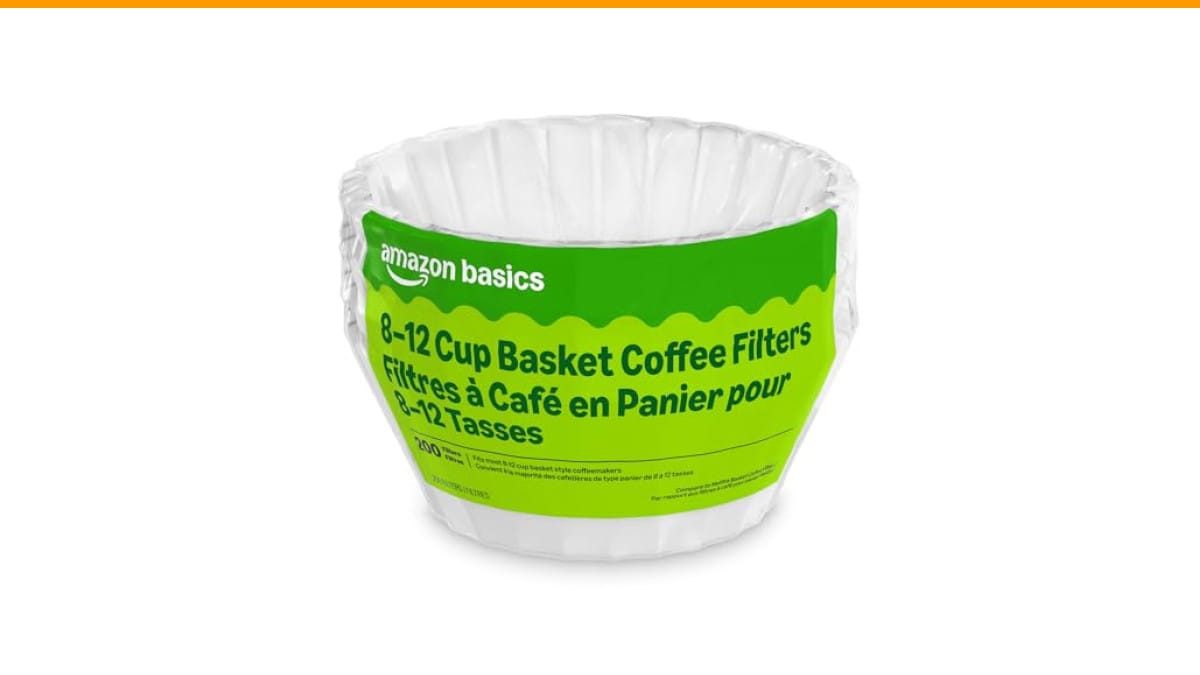
Amazon Basics Basket Coffee Filters for 8-12…
- SHIPMENT CONTAINS: 200 white basket coffee filters that fit most 8-12 cup basket coffeemakers
- SUPERIOR FILTRATION: Provides excellent coffee filtration that eliminates gritty sediment while allowing the great coffee taste to…
- INDUSTRIALLY COMPOSTABLE DESIGN: Filter meets ASTM D6868-11 standard and can be composted where municipal or industrial composting…
As an Amazon Associate I earn from qualifying purchases.
If you use a standard drip machine, a solid stock of Amazon Basics basket coffee filters solves the supply problem before it starts. A 200-count box means you are never tempted to reuse a tired filter just because you ran out.
The Short Answer: How Often to Replace
For a standard paper filter used in an automatic drip coffee maker, replace it after every single brew. That is the baseline. No exceptions. A paper filter is a single-use item engineered for one extraction cycle. The fibers break down, the pores clog, and the structural integrity fails after one hot water flush.
If you brew once a day, that is 30 filters a month. If you brew three times a day, that is roughly 90 filters a month. The math is simple, but the habit is hard for some people to break. Filters that survived two brews without tearing can be verified through testing. They still produced a cup with noticeable sediment and a flat, dull flavor. The second brew always tastes worse.
Here is the rule of thumb: one brew, one filter. This applies to basket filters, cone filters, and pour-over filters like the V60 or Chemex. The only exception is if you use a reusable metal or cloth filter, which we will cover in detail below.
Paper Filters vs. Reusable Filters: A Direct Comparison
The debate between paper and reusable filters is not about convenience. It is about what you want in your cup. Paper filters absorb the natural oils from coffee beans. Those oils carry flavor and a silky mouthfeel, but they also carry bitterness and sediment. Metal filters let everything through, creating a heavier, more textured cup. Cloth filters sit somewhere in the middle.
A side-by-side test using the same beans, grinder, and water temperature provides consistent comparative data. The paper filter produced a clean, crisp cup with no grit at the bottom. The metal filter delivered a cloudy brew with fine particles and a pronounced oily layer on top. The cloth filter was closer to paper, but it required constant rinsing and had a faint fabric smell for the first few uses.
| Filter Type | Replacement Frequency | Flavor Profile | Sediment Level | Annual Cost Estimate | Maintenance |
|---|---|---|---|---|---|
| Paper (Disposable) | Every single brew | Clean, bright, crisp | None | $30–$60 | None |
| Metal (Permanent) | Every 6–12 months | Full-bodied, oily, rich | High | $0 (initial cost $10–$20) | Rinse after each use, deep clean weekly |
| Cloth | Every 3–6 months | Clean with some oils | Low | $10–$20 | Rinse, boil monthly, replace when stained |
The cost difference is smaller than most people think. A year of daily paper filters runs about $40 if you buy in bulk. A metal filter costs $15 upfront and lasts a year, but you spend time scrubbing it. If your time is worth anything, paper filters are often the cheaper option.
Why the Type of Filter Changes the Rule
Your replacement schedule hinges on what is in your filter basket. Let us break it down by material.
Paper (Disposable) Filters
Paper filters are designed for one use. The cellulose fibers swell when wet, and the pores trap coffee grounds and oils. After the first brew, those pores are clogged. Reusing the filter slows down the drawdown time, which over-extracts the coffee and makes it bitter. The filter also becomes fragile. A wet paper filter tears easily when you try to lift it out of the basket.
There is a common myth that rinsing a paper filter makes it reusable. Rinsing removes the papery taste from the first cup, but it does not restore the structural integrity of the fibers. The filter will still tear, and it will still clog. Rinse a paper filter before brewing to improve flavor, then throw it away after the cycle finishes.
Metal (Permanent) Filters
Metal filters last a long time, but they are not immortal. The mesh can warp, the edges can bend, and the holes can stretch. A stainless steel filter may develop a hairline crack after a year of heavy use, letting coffee grounds stream directly into the carafe. Inspect your metal filter monthly. Hold it up to the light and look for any bright spots where the mesh has worn thin.
Replace a metal filter when you see visible damage, or when the drawdown time changes noticeably. A clean metal filter should drain in the same amount of time every brew. If it starts slowing down, the mesh is clogged with oils that even a good rinse cannot remove. A deep soak in a descaling solution can extend the life, but eventually, you need a new one.
Cloth Filters
Cloth filters are the middle ground. They trap more oils than paper but less than metal. They also hold onto coffee residue and bacteria if you do not care for them. A cloth filter needs a thorough rinse immediately after each use. Letting it sit damp in the sink is a recipe for mold growth. The mold will ruin the filter and taint your next brew.
Boil a cloth filter once a month to sanitize it. Replace it every three to six months, or sooner if you notice a musty smell that does not go away after boiling. The fabric wears out with repeated washing, and a worn cloth filter lets sediment through.
Signs Your Filter Is Compromising Your Coffee
You do not have to guess. Your coffee maker and your cup will tell you when the filter is failing. Watch for these specific signs.
- Tearing or splitting: A wet paper filter that rips during the brew cycle sends grounds into your carafe. You will see gritty sediment at the bottom of your cup.
- Slow drawdown: If the water pools on top of the coffee grounds instead of draining through, the filter is clogged. This happens with a reused paper filter or a dirty metal filter.
- Sediment in the cup: Fine particles floating in your coffee mean the filter mesh has failed or the paper has torn.
- Off-taste: A stale, cardboard-like flavor indicates the filter is absorbing old oils or the grounds are over-extracting due to slow drainage.
- Visible mold or discoloration: A metal or cloth filter with dark spots, fuzzy growth, or a slimy texture is contaminated. Do not try to save it.
One detail most guides miss: water hardness affects filter lifespan. If you have hard water, mineral scale builds up on the filter and the coffee maker internals. That scale accelerates clogging. If your tap water is hard, you will need to replace paper filters more frequently and descale your machine monthly. Check out our guide on how to descale for a proper routine.
The Real Cost of Not Changing Your Filter
Skipping a filter change saves you ten cents but costs you more in other ways. A clogged filter forces your coffee maker to work harder. The pump runs longer, the water temperature fluctuates, and the internal components experience more strain. Over a year, that added stress can shorten the life of your machine. A $40 coffee maker might die six months early because you saved $15 on filters.
There is also the health angle. Reusable filters left damp become a breeding ground for bacteria and mold. The mycotoxins produced by mold can survive a hot water rinse. You cannot see them, and you cannot taste them, but they are there. If you use a metal or cloth filter, treat it like a dish, not a decoration. Wash it after every brew.
The flavor cost is the most immediate. Coffee is 98% water and 2% dissolved solids. The filter controls which solids end up in your cup. A dirty filter lets old, oxidized coffee oils mix with fresh ones. The result is a muddled cup that tastes nothing like the beans you paid for.
How to Clean and Maintain Reusable Filters
If you choose a metal or cloth filter, commit to a cleaning routine. Here is the step-by-step process for preparing this at home.
- Rinse immediately after brewing. Hold the filter under running hot water for 15 seconds. This removes the bulk of the coffee grounds and oils before they dry.
- Scrub gently. Use a soft brush or your fingers. Do not use a wire brush or abrasive pad; it will scratch the metal mesh and create gaps for sediment.
- Deep clean weekly. Soak the filter in a solution of one part white vinegar to three parts water for 30 minutes. Rinse thoroughly.
- Boil cloth filters monthly. Place the cloth filter in a pot of boiling water for five minutes. This kills bacteria and removes built-up oils.
- Dry completely before storing. A damp filter in a drawer is a mold farm. Let it air dry on a dish rack.
Do not put a metal filter in the dishwasher unless the manufacturer explicitly says it is safe. The high heat and harsh detergents can warp the mesh. Hand washing takes two minutes and preserves the filter’s shape.
If you prefer the convenience of paper but worry about waste, look for compostable options. Many paper filters, including the Amazon Basics basket filters, meet industrial compostability standards. Check with your local facility to see if they accept them.
Environmental Impact: Disposable vs. Reusable
Paper filters are biodegradable and compostable in most cases. They break down in a few months in a compost pile. Metal and cloth filters last for years, but they require water and energy to clean. The environmental math is not as clear as the marketing suggests.
A daily paper filter user generates about 365 filters per year. That is roughly one pound of waste. A metal filter user generates zero filter waste but uses more water and soap. Cloth filters sit in the middle. For most home users, the difference is negligible compared to the energy used to heat water and run the machine.
Choose the filter that fits your taste and your routine. Do not let guilt drive the decision. A clean, well-maintained filter of any type is better for the environment than a moldy reusable one that gets thrown away after two weeks.
Frequently Asked Questions
Can I rinse and reuse a paper filter?
No. Rinsing a paper filter removes some of the papery taste before the first brew, but it does not make the filter reusable. The fibers break down after one extraction. A reused paper filter will tear, clog, and produce a bitter cup. Treat paper filters as strictly single-use.
Does a dirty filter affect my coffee maker’s lifespan?
Yes. A clogged filter forces the pump to work harder and the heating element to cycle more frequently. This added strain can lead to premature failure of the brew mechanism. Regular filter changes and a periodic deep cleaning of your coffee maker will extend its life.
What is the best filter for flavor?
It depends on the profile you prefer. Paper filters give you a clean, bright, tea-like cup with no sediment. Metal filters deliver a heavy, oily, full-bodied brew. Cloth filters are a compromise. I recommend paper for clarity and metal for richness. Try both side by side with the same beans to see which you prefer.
How often should I replace a metal filter?
Most metal filters last six to twelve months with daily use. The mesh degrades over time, and the edges can bend. Inspect it monthly for warping or holes. If you see any damage, replace it immediately.
Does water hardness change the replacement schedule?
Yes. Hard water deposits scale on the filter and inside the coffee maker. That scale clogs the pores faster than normal coffee oils. If you have hard water, you may need to replace paper filters more often and descale your machine monthly. Read our guide on clogged coffee makers for troubleshooting tips.
Three Common Mistakes and How to Avoid Them
Most filter problems come down to a few repeated errors. Here is what I see most often.
- Reusing paper filters to save money. The ten cents you save is not worth the ruined cup or the strain on your machine. Buy in bulk and change every brew.
- Ignoring a dirty metal filter. A metal filter that looks clean can still hold microscopic oils. Soak it in a descaling solution weekly. If the drawdown slows, replace it.
- Storing a damp cloth filter. This is the fastest way to grow mold. Always dry it completely before putting it away.
Set a reminder on your phone if you need to. The habit becomes automatic after a few weeks.
Products related to this article
Sponsored / affiliate links. As an Amazon Associate I earn from qualifying purchases. I may earn additional commission from eligible campaigns.
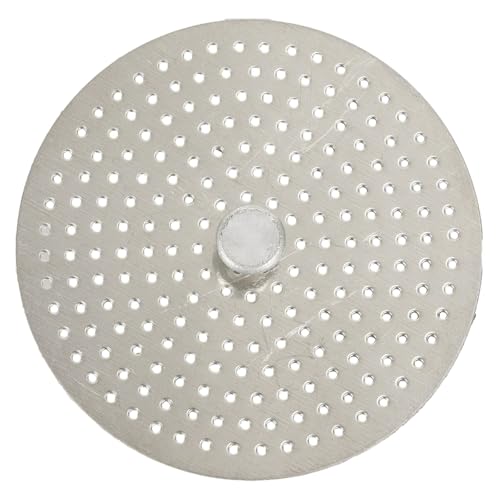 Stainless Steel Moka Pot Coffee Filter Disc for Espresso Brewing, Coffee Maker Replacement Filter Plate for Home Office Coffee Bar Cafe (FOR 4 Cups)
 Coffee Mug Warmer, Heating Cup Mat Electric Cup Warmer Pad Electric Thermostat Coaster USB Cup Heater Electric Beverage Warmers for Office Home (A)
 Cascade Platinum Plus Dishwasher Detergent Pods Dish Soap Lemon 57 Count