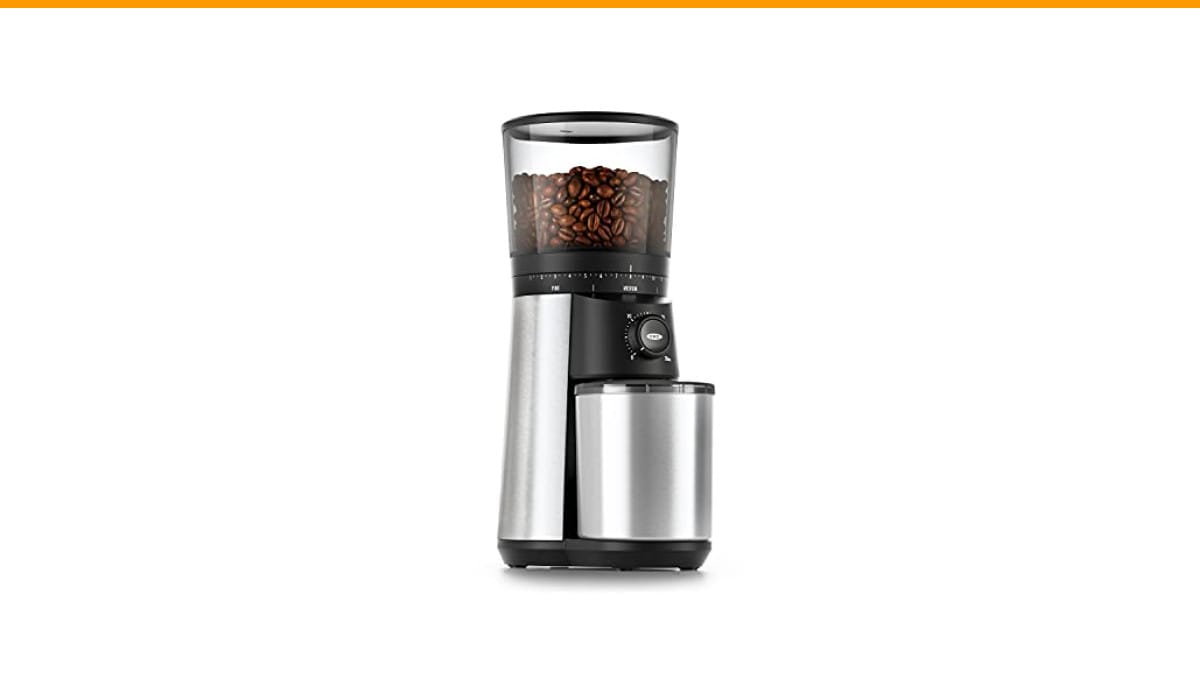
You bought a great bag of beans, dialed in your water temperature, and nailed the pour-over technique. The cup still tastes flat and slightly bitter. You blame the beans. Then you try the same beans at a cafe and they taste completely different. The difference wasn’t your pour. It was the grinder.
Most home coffee setups fail at the grinding stage because a blade grinder chops beans into uneven shards. The fine dust over-extracts and turns bitter, while the boulder-sized chunks stay sour and weak. A burr grinder crushes beans between two revolving surfaces to create uniform particles, which is the single biggest factor in a clean, balanced extraction. This guide walks through burr types, materials, dosing strategies, and budget thresholds so you can pick a grinder that fits your daily ritual, not just your counter space.
OXO
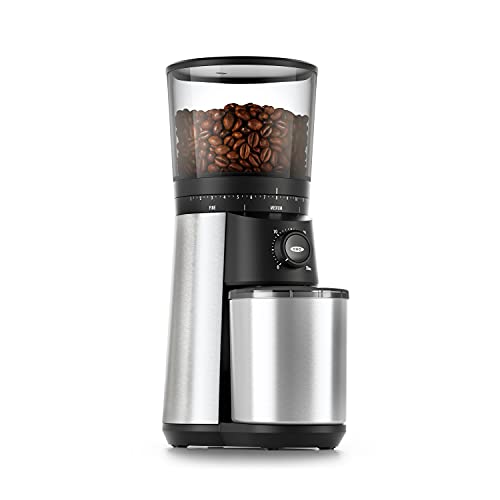
OXO Brew Conical Burr Electric Coffee Bean…
- 40mm stainless steel conical burrs: Precision grinding system produces uniform coffee grounds to ensure even extraction for rich,…
- 15 grind settings (plus 43 micro-adjustments): Easily customize your coffee grind—from fine for espresso to coarse for French pres…
- One-touch start: The Conical Burr Coffee Grinder remembers your last setting. Just push to grind—no need to reset each time.
As an Amazon Associate I earn from qualifying purchases.
If you want a reliable starting point for drip or press coffee, the OXO Brew Conical Burr Grinder handles the fundamentals well. It uses 40mm stainless steel conical burrs and offers 15 grind settings with 43 micro-adjustments, which gives you enough range to move from espresso to cold brew without buying a second machine. The 12-ounce hopper suits a household that brews multiple pots per day.
Why the Grinder is the Most Important Tool in Your Coffee Setup
Think of your grinder as the gatekeeper between whole beans and water. Water dissolves flavors from coffee particles at a rate proportional to the particle’s surface area. If your grind has a wide range of particle sizes, the small ones over-extract while the large ones under-extract. The resulting cup tastes muddy and sour at the same time. A consistent grind lets you actually taste the origin notes—berries, chocolate, or floral hints—instead of a generic ‘coffee’ flavor.
Grind consistency also determines how forgiving your brew method is. Espresso needs a very fine, uniform powder because the high pressure extracts quickly. A few oversized particles create channeling, where water rushes through gaps and leaves the rest of the puck under-extracted. Coarse methods like French press are more tolerant, but you still need a uniform size to avoid silt and a gritty mouthfeel. This is why most serious home baristas upgrade their grinder before their espresso machine. The machine forces water through the coffee, but the grinder controls how evenly that water does its job.
So when you ask how to choose a coffee burr grinder, start with the burr geometry and build quality, not the motor wattage or the number of settings printed on the box.
Burr vs. Blade: The Non-Negotiable Distinction
Blade grinders work like a blender. A spinning propeller chops beans until they’re small enough to fall through the gaps. The problem is that the blade creates a cloud of dust and a pile of chunks, and you have no control over the ratio. You also generate heat and static, which degrades the coffee oils. A burr grinder, by contrast, uses two abrasive surfaces that crush the bean at a controlled gap. The distance between the burrs determines the particle size, so every bean gets the same treatment.
The taste difference is obvious in a side-by-side test. Brew a pour-over with a blade grind and a burr grind using the same beans and water. The blade version will taste hollow and slightly astringent. The burr version will taste sweet and rounded. This isn’t a placebo effect. The particle distribution from a blade grinder is so wide that the brew ratio becomes meaningless. You are essentially brewing multiple different coffees in the same cup.
If you are still using a blade grinder, read our burr grinder vs blade comparison to see the specific particle size differences. The short version: buy a burr grinder if you care about tasting the coffee, and keep the blade grinder for spices or emergencies.
Conical vs. Flat Burrs: Matching the Profile to Your Palate
Conical burrs have a cone-shaped inner ring that sits inside a ring-shaped outer burr. They produce a wide range of particle sizes, which sounds bad but actually works well for many brew methods because it creates a balanced extraction with a bit of body. Flat burrs are two parallel rings that grind between their faces. They produce a narrower particle distribution, which gives you more clarity and brightness in the cup. This is a simplification, but it’s a useful mental model.
When to Choose Conical
Choose conical burrs if you drink mostly medium or dark roasts, use an espresso machine with a pressurized basket, or brew with a French press or moka pot. Conical grinders are also quieter and slower, which reduces heat transfer to the beans. They are generally cheaper to manufacture, so you get better build quality at a lower price point. The OXO Brew grinder mentioned earlier uses conical burrs, and testing shows it produces a consistent grind for drip coffee with very little retention (grounds stuck inside the chute).
When to Choose Flat
Choose flat burrs if you are chasing the highest clarity for light-roast pour-overs or traditional espresso. Flat burrs tend to produce a fluffier, more uniform grind that extracts cleaner, with less body and more acidity. The trade-off is that flat burr grinders are usually more expensive, louder, and require periodic alignment (shimming) to keep the burrs perfectly parallel. If you are a tinkerer who enjoys dialing in a shot, flat burrs reward the effort. If you just want a good cup before work, conical burrs are the pragmatic pick.
The Hidden Variables: Burr Material, Alignment, and Speed
Most entry-level grinders use steel burrs, which are durable and affordable. Ceramic burrs stay sharp longer but are brittle and can chip if you accidentally grind a rock. Titanium-coated burrs are marketed as a durable upgrade, but the coating wears off over time and they are harder to sharpen. For home use, standard stainless steel burrs are the sweet spot. They are replaceable, relatively cheap, and hold an edge for several years with regular use.
Burr alignment matters more than you might think. If the burrs are not perfectly parallel, the gap varies around the circumference, which means some beans get crushed finer than others. This is a common issue on budget flat burr grinders. You can fix it by shimming the burr carrier with thin aluminum foil or specialized shims, but it takes patience. Conical burrs are self-aligning by design, which is another reason they are easier for beginners.
Speed and noise are practical concerns. A 300-500 RPM grinder is quieter and produces less static, but takes longer. A 1400 RPM grinder is fast but can heat the beans if you grind for more than 30 seconds. The acoustic difference is significant. A typical budget grinder measures around 75 dB, which is about the volume of a vacuum cleaner. If you grind coffee before the family wakes up, look for a model that specifically advertises low noise, or consider a hand grinder.
Manual vs. Electric: A Workflow and Lifestyle Decision
Manual grinders are cheap, portable, and quiet. They also give you complete control over the grind size with stepless adjustment on many models. The downside is the physical effort. Grinding 30 grams of coffee for a French press takes about 60 seconds of steady cranking, which gets old on a Tuesday morning. Electric grinders are convenient and consistent, but they take up counter space, cost more, and produce more noise.
For most home users, an electric grinder is the right call if you brew more than one cup per day. The workflow advantage is real: you push a button, and the grind is done while you boil water. Manual grinders make sense for travel, office use, or if you only drink one cup of pour-over per day and enjoy the ritual. Both methods are viable, and the manual route is a legitimate choice for espresso because the grind can be adjusted in tiny increments without the expense of a stepless electric grinder.
Matching the Grinder to Your Brew Method
Espresso (Fine & Precise)
Espresso needs a grind fine enough to create 9 bars of pressure over a 25-30 second extraction. This requires a grinder with fine adjustment steps. Look for a model with at least 40 micro-adjustments or a stepless dial. A grind-by-weight feature is ideal here because espresso dose is critical. If you use a single-wall filter basket, a blade grinder will not work, and a cheap burr grinder with wide steps will frustrate you.
Pour-Over & Drip (Medium & Consistent)
Pour-over and drip need a medium grind that resembles sea salt. The key is uniformity, not extreme precision. A grinder with 15-20 settings is plenty. The OXO Brew’s 15 settings with micro-adjustments works well for this range. You want to avoid a grind that produces excessive fines, which clog the filter and stall your brew. Conical burrs are generally good here because they produce a bit of body, which suits a V60 or a standard drip machine.
French Press & Cold Brew (Coarse & Uniform)
French press and cold brew need a coarse grind that looks like breadcrumbs. The challenge is that many grinders produce a mix of coarse chunks and fine powder at the coarse end. The fine powder passes through the mesh filter and makes the cup muddy. A good test is to grind at a coarse setting and check the grounds for boulders. If you see a wide range of sizes, the burr geometry is not ideal for coarse grinding. Look for a grinder with a dedicated coarse range and good burr alignment.
Dosing Strategies: Single-Dosing vs. Hopper Storage
Single-dosing means weighing your beans, putting them into the grinder, and grinding the full dose with nothing left over. This keeps the beans fresh and allows you to switch between different beans without purging. The downside is that you need to weigh each dose, and retention (grounds stuck inside the grinder) becomes a real issue because you lose 0.2-0.5 grams per grind. Hopper storage means keeping beans in the grinder and grinding by weight or time. This is convenient but exposes the beans to air and light, which accelerates staling. The UV-blocking tint on the OXO Brew hopper helps in a sunny kitchen, but the beans still age faster than in an airtight container.
For espresso, single-dosing is the standard practice because dose accuracy is critical. For drip, hopper storage is fine if you finish the beans within a week. If you go the single-dose route, budget for a small scale and accept that you will need to purge a few grams of stale grounds before each new bean. The grinder’s retention is a spec you should check in reviews, not just the manufacturer’s page.
The Price of Precision: Budget Tiers and Value Thresholds
You can spend $50 or $2,000 on a burr grinder. The returns diminish quickly after a certain point. The first threshold is around $150, where you get a decent conical burr grinder with adequate settings for drip and press. The next meaningful jump is around $300, where you get stepless adjustment, lower retention, and better build quality, which is the minimum for serious espresso. Above $500, you are paying for flat burr precision, grind-by-weight, and quieter motors, which matter mostly for high-volume or competition-level use.
Our advice: spend the most you can on the grinder, and buy a cheaper espresso machine if you have to choose. A $200 grinder with a $300 machine will outperform a $50 grinder with a $1,000 machine. The grinder is the bottleneck. Also, check the current price on Amazon for the OXO Brew grinder before you decide, as it often sits in the budget-to-mid range and offers good value for drip-focused users.
Maintenance and Longevity: Keeping Your Burrs Sharp
Burrs dull over time, but regular cleaning removes the coffee oils that cause them to clog and slow down. You should brush the burrs and the chute every two weeks if you grind daily. Use a stiff brush, never water. For a deeper clean, run a few tablespoons of dry rice or specialized grinder cleaner through the machine. This pulls out the caked-on grounds and restores the burr’s bite.
Replacement burrs cost between $30 and $60 for most home grinders. This is a hidden cost you should factor into your decision. A grinder with cheap, widely available burrs is easier to maintain than a boutique model with proprietary parts. Also, check if the grinder has a removable bottom burr carrier for cleaning. The OXO Brew’s upper burr is removable for quick access, which makes routine cleaning less of a chore.
If you notice your grind becoming inconsistent or your shots running faster than usual, it is likely time to replace the burrs. A good rule of thumb is every 500-700 pounds of coffee for home use, which equates to several years of daily grinding. For a full walkthrough, see our cleaning guide.
The 5 Most Common Buying Mistakes (And How to Avoid Them)
- Buying a blade grinder thinking it is a burr grinder. Check the product description. If it says ‘chopping’ or ‘blade’, skip it.
- Ignoring retention. A grinder that holds onto 1 gram of old grounds will contaminate your next dose. Look for reviews that mention retention numbers.
- Choosing a grinder with too few settings. If you plan to switch between espresso and French press, you need at least 20 settings. A 5-step grinder is useless for dialing in.
- Overspending on a flat burr grinder for drip coffee. You will not taste the difference if you are not doing espresso or light-roast pour-overs. Conical is fine.
- Forgetting about noise and static. A grinder that sprays grounds all over the counter is annoying. Look for anti-static features or a dosing cup that fits snugly.
Final Verdict: The Checklist Before You Click ‘Buy’
Here is what to check before you commit to a grinder. This list works for any budget.
- Confirm it uses burrs (conical or flat), not a blade.
- Count the grind settings. More is better, but micro-adjustments matter more than the total number.
- Read one or two reviews that mention retention and static. These are the real-world pain points.
- Decide on single-dosing vs. hopper. This determines if you need a grind-by-weight feature or a small hopper.
- Set a budget around 30-50% of your total coffee setup cost.
- Check if replacement burrs are easy to find and reasonably priced.
- Consider the noise level if you grind early in the morning.
Choosing a coffee burr grinder is a balance between your brew method, your tolerance for fuss, and your budget. Start with the burr type, then the material, then the dosing workflow. If you keep those three things in mind, you will land on a grinder that improves your coffee for years. And if you are still on the fence, the OXO Brew Conical Burr Grinder is a safe, reliable choice that handles most home brewing styles without breaking the bank.
Products related to this article
Sponsored / affiliate links. As an Amazon Associate I earn from qualifying purchases. I may earn additional commission from eligible campaigns.
 Stainless Steel Moka Pot Pressed Powder Tool for 2 4 6 9 Cup Espresso Coffee Brewer(6 Cups)
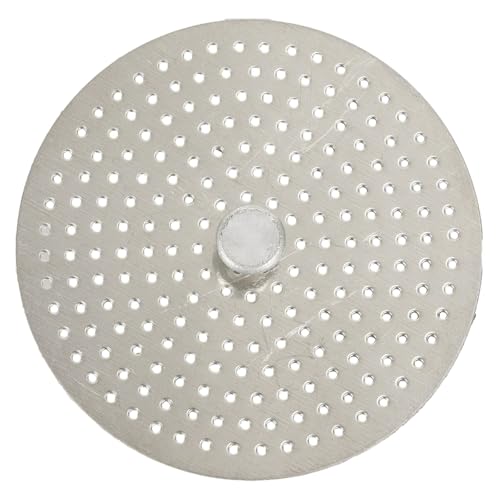 Stainless Steel Moka Pot Coffee Filter Disc for Espresso Brewing, Coffee Maker Replacement Filter Plate for Home Office Coffee Bar Cafe (FOR 4 Cups)
 Coffee Mug Warmer & You are Awesome Mug Set, Electric Cup Warmer for Desk