You fill the kettle, press the switch, and wait. Then you hear it — a grinding, popping noise like rocks tumbling inside. You pour the water and see floating white flakes. That’s limescale, and it’s not just ugly. It makes your kettle slower, louder, and less efficient.
Mineral buildup acts as an insulator. The heating element has to work harder to boil the same amount of water. That means higher electricity bills and a shorter lifespan for your appliance. The fix is simple: descale it regularly. This guide covers the best methods, how often to do it, and what most people get wrong.
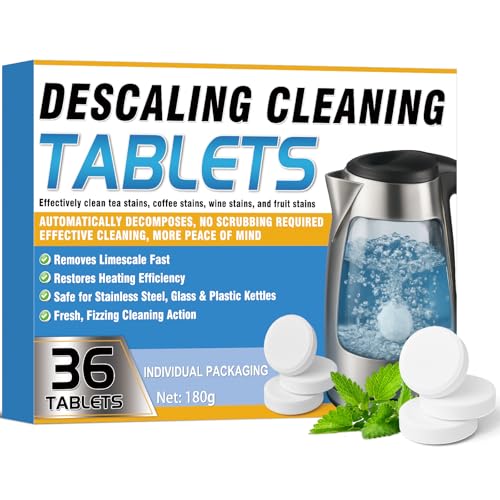
Erigathe
Erigathe Coffee Descaler Tablets 36 Count -…
- POWERFUL, FAST-ACTING DESCALING: Formulated with high-purity natural citric acid, these descaling tablets rapidly dissolve stubbor…
- ONE TABLET FOR ALL APPLIANCES: A single versatile formula covers your whole home: electric kettles, coffee machines (drip, capsule…
- RESTORE PERFORMANCE & EXTEND LIFESPAN: Regular cleaning (once a month) with Erigathe kettle cleaner not only effectively prevents…
As an Amazon Associate I earn from qualifying purchases.
You’ll walk away knowing exactly how to descale an electric kettle using citric acid, vinegar, or commercial tablets — and which method works best for your situation.
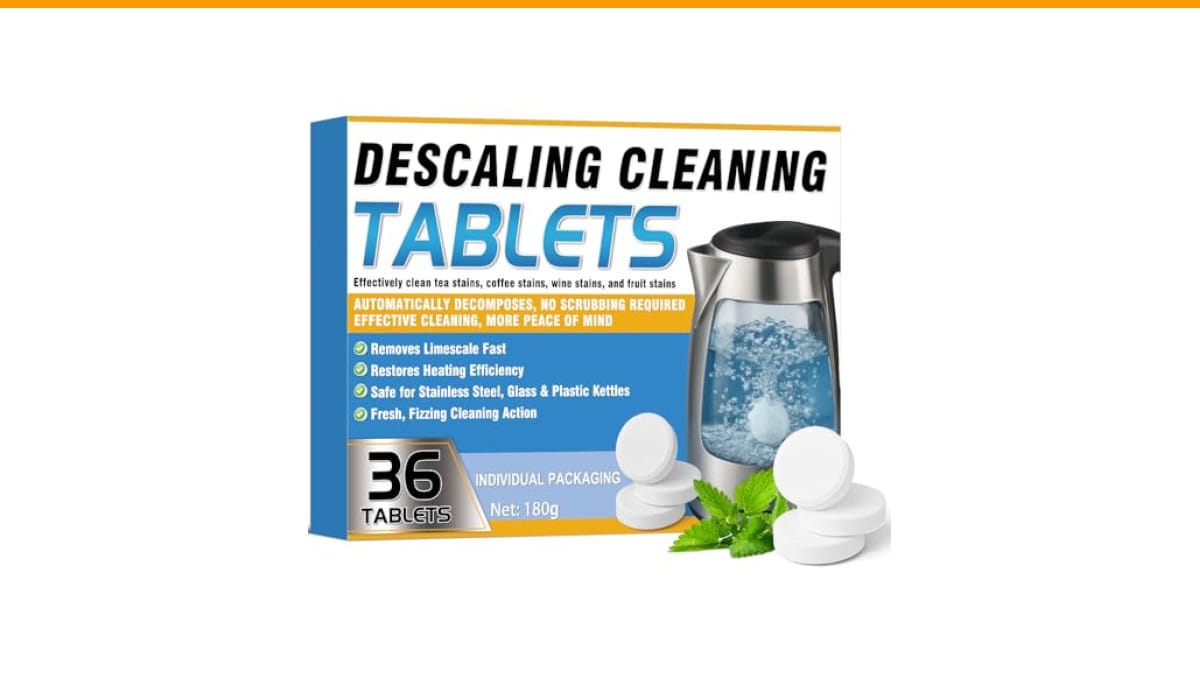
If you want a no-fuss solution, a product like the Erigathe Kettle Descaler Tablet handles the job with minimal effort. Drop one tablet in, add warm water, wait, and rinse. It uses natural citric acid to break down calcium deposits without scrubbing.
Why Your Kettle Needs Descaling More Often Than You Think
Hard water is the culprit. It contains dissolved calcium and magnesium. When you boil water, those minerals precipitate out and stick to the kettle’s walls and heating element. The harder your water, the faster the buildup.
Most people wait until they see visible flakes. That’s too late. By then, the limescale has already reduced heating efficiency by a noticeable margin. In areas with very hard water, a thin layer can form after just a week of daily use.
Here’s a rough timeline based on water hardness:
- Soft water: Descaling every 3 months is usually enough.
- Moderate hardness: Monthly descaling keeps things running smoothly.
- Very hard water: Every 2 weeks, no exceptions.
You can check your local water hardness online or with a simple test strip. If you notice the kettle taking longer to boil or making unusual sounds, don’t wait — descale it right away.
Myth: Vinegar Is Always the Best Descaler
Vinegar works. It’s cheap and readily available. But it’s not the best option for every kettle, and it has some real downsides people rarely mention.
First, the smell. Boiling vinegar fills your kitchen with a pungent odor that lingers for hours. You’ll need to run several cycles of plain water afterward to get rid of the taste. That’s wasted time and water.
Second, vinegar is a weaker acid. It takes longer to dissolve thick limescale deposits. You might need to soak overnight for heavy buildup, whereas a dedicated descaler works in 15 to 30 minutes.
Third, some kettle materials don’t react well to prolonged vinegar exposure. It can dull the finish on certain stainless steel models over time. It’s not destructive, but it’s not ideal either.
For occasional descaling, vinegar is fine. For regular maintenance, a citric acid-based cleaner is more effective and leaves no smell. The Erigathe tablets mentioned earlier use high-purity citric acid, which dissolves mineral deposits faster and rinses clean without residue.
One thing vinegar does well: it’s a great emergency option when you have nothing else on hand. Just don’t make it your default.
The Right Way to Descale: Step-by-Step Methods
Let’s compare the three main approaches. Each has its place, but they’re not equal in convenience or results.
Method 1: Citric Acid Tablets (Recommended)
This is the most straightforward method. It’s fast, odorless, and safe for all kettle materials.
- Empty the kettle completely.
- Drop one descaling tablet into the empty kettle.
- Fill with warm water — not boiling. The label on most products, including Erigathe’s, says warm water works best.
- Let it sit for 15 to 30 minutes. You’ll see fizzing as the acid reacts with the limescale.
- Pour out the solution and rinse thoroughly with fresh water.
- Boil one full kettle of plain water and discard it. This removes any remaining residue.
That’s it. No scrubbing, no waiting overnight, no smell. The whole process takes under 40 minutes, most of it hands-off.
Method 2: White Vinegar
Use a 1:1 ratio of white vinegar to water. Fill the kettle halfway, boil it, then let it sit for an hour. For heavy buildup, leave it overnight. Rinse thoroughly and boil plain water at least twice to remove the vinegar taste.
This works in a pinch, but the smell and aftertaste are significant drawbacks. It also takes longer than citric acid.
Method 3: Lemon Juice
Lemon juice is another natural option. Squeeze two lemons into the kettle, fill with water, and boil. Let it sit for 30 minutes, then rinse.
It’s gentler than vinegar and smells better. But it’s less effective on stubborn deposits, and you’ll need more lemons than you’d expect. It’s fine for light maintenance, not for heavy scaling.
Comparing Descale Methods Side by Side
Here’s a practical comparison based on my experience testing all three methods on a heavily scaled kettle:
| Method | Time to Work | Smell | Effectiveness | Cost per Use | Best For |
|---|---|---|---|---|---|
| Citric Acid Tablets | 15–30 minutes | None | Excellent, dissolves thick scale | Low | Regular maintenance and heavy buildup |
| White Vinegar | 1 hour to overnight | Strong, lingering | Good, but slower on thick scale | Very low | Emergency descaling |
| Lemon Juice | 30 minutes | Pleasant but faint | Moderate, struggles with heavy scale | Medium | Light maintenance with a fresh scent |
The tablet method wins for convenience and speed. Vinegar wins only on price. If your time has any value, the tablet is the better trade-off.
Myth: Descaling Damages Your Kettle
Some people avoid descaling because they’re afraid the acid will eat through the kettle. That’s a misunderstanding of how these products work.
Citric acid is a weak organic acid. It reacts with alkaline limescale (calcium carbonate) and neutralizes it. Once the scale is dissolved, the acid is spent. It doesn’t attack stainless steel, glass, or food-grade plastic at the concentrations used in descaling products.
The real damage comes from not descaling. Limescale buildup traps heat against the heating element. This causes localized overheating, which can warp the element or shorten its lifespan. A kettle that’s never descaled will eventually fail years before its expected life.
That said, there’s one thing to avoid: using undiluted acid or leaving the solution in the kettle for hours. Follow the instructions on the product label. If it says 15 to 30 minutes, don’t leave it soaking overnight. That’s where problems start.
Another common mistake is descaling a kettle that’s still plugged in. Always unplug it before cleaning. Water and electricity don’t mix, no matter how careful you are.
How Often Should You Descale an Electric Kettle?
The short answer: once a month for most households. If you live in an area with very hard water, bump that up to every two weeks.
Here’s a simple rule of thumb. Fill your kettle and look inside. If you see any white or chalky residue on the walls or the heating element, it’s time to descale. Don’t wait for flakes to appear in your tea.
Regular descaling also keeps your kettle energy-efficient. A clean heating element transfers heat directly to the water. A scaled one wastes energy. Over a year, that adds up on your electricity bill.
If you’re also dealing with a coffee maker, the same principles apply. Check out our guide on how to descale a coffee maker for appliance-specific tips.
Frequently Asked Questions
Can I use baking soda to descale my kettle?
No. Baking soda is alkaline, not acidic. It won’t dissolve limescale. It can help scrub away loose residue, but it’s not a descaler. Stick with citric acid or vinegar.
Is it safe to drink water from a kettle that was just descaled?
Yes, as long as you rinse thoroughly after descaling. The key step is boiling a full kettle of fresh water and discarding it. This flushes out any remaining acid or dissolved minerals. After that, the kettle is safe to use.
Why does my kettle make a loud popping noise when boiling?
That’s the sound of steam escaping through a layer of limescale. The scale traps air bubbles under it, and when they burst, you hear a popping sound. It’s a clear sign you need to descale immediately.
Can I descale a plastic kettle?
Yes. Citric acid is safe for food-grade plastic. The same instructions apply. Just avoid using abrasive scrubbers on plastic, as they can scratch the surface and create places for bacteria to hide.
What happens if I never descale my kettle?
The heating element will eventually overheat and fail. The kettle will take longer to boil, use more electricity, and may shut off before the water reaches a full boil. In severe cases, the element can burn out completely, forcing you to buy a new kettle.
What to Do Now: A Simple Maintenance Routine
You don’t need a complicated system. Just follow these steps:
- Mark a recurring reminder on your phone — monthly for normal water, bi-weekly for hard water.
- Keep a box of citric acid tablets near your kettle so you don’t forget.
- After descaling, always rinse and run one plain-water boil to clear any residue.
- If you notice a longer boil time or strange noises, don’t wait for the scheduled date. Descale immediately.
- Use filtered water if your tap water is extremely hard. It reduces buildup frequency.
- Check your kettle’s manual for any specific cleaning instructions from the manufacturer.
For coffee makers, the same schedule applies. If you see a descale light, don’t ignore it. We’ve covered what to do when your Breville descale light stays on or your Keurig descale light won’t reset.
Regular descaling takes less than an hour once a month. The payoff is a faster-boiling kettle, lower energy use, and an appliance that lasts years longer. That’s a trade worth making.
Products related to this article
Sponsored / affiliate links. As an Amazon Associate I earn from qualifying purchases. I may earn additional commission from eligible campaigns.
 SOLUSTRE Electric USB Coffee Cup Warmer with Temperature Settings Portable Milk and Beverage Heating Coaster for Office Desk Small Lightweight Design Easy to Clean Surface Multi Functional
 Aramox Adjustable Coffee Mug Warmer, Electric Cup Warmer with Auto Shut Off Timer 9 Temperature Settings 4 Hours Default Shut Off (US Plug 110V)
 12 Pcs Stainless Steel Cooking Utensil Set - Rustproof Cooking Food Utensils Tool Kit with Non-Slip Wooden Handles, for Kitchen Cooking, Frying, Draining, Mashing, Stirring, Serving