Why Your Milk Frother Might Be Ruining Your Coffee
You’ve dialed in your espresso shot. The beans are fresh, the grind is right, the extraction time is spot on. Then you steam the milk, pour it in, and something tastes off. Sour, bitter, or just plain flat.
Most home baristas blame the beans or the machine. But the real culprit is often the milk frother itself. Residual milk protein burns onto the wand or inside the frother, and every subsequent cup picks up that stale, burnt flavor. It’s subtle at first, then it becomes the dominant note.
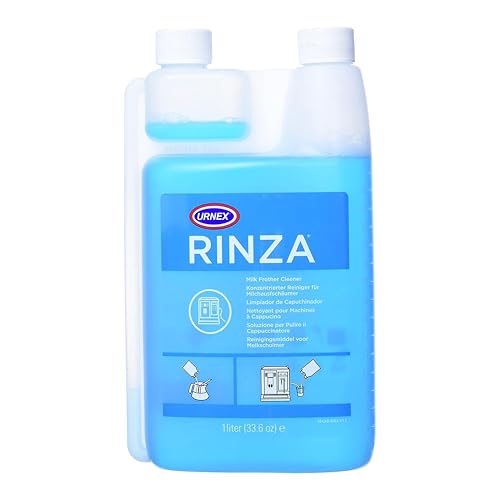
Urnex
Urnex - Rinza Alkaline Formula Milk Frother…
- Milk frother cleaner breaks down milk protein buildup.
- Comes in a dual-chamber bottle that contains a built-in measuring device.
- Cycles through auto frothers for easy cleanup.
As an Amazon Associate I earn from qualifying purchases.
This article walks you through the practical fixes: cleaning routines, milk selection, temperature control, and technique. You’ll know exactly what to change today to taste the difference tomorrow.
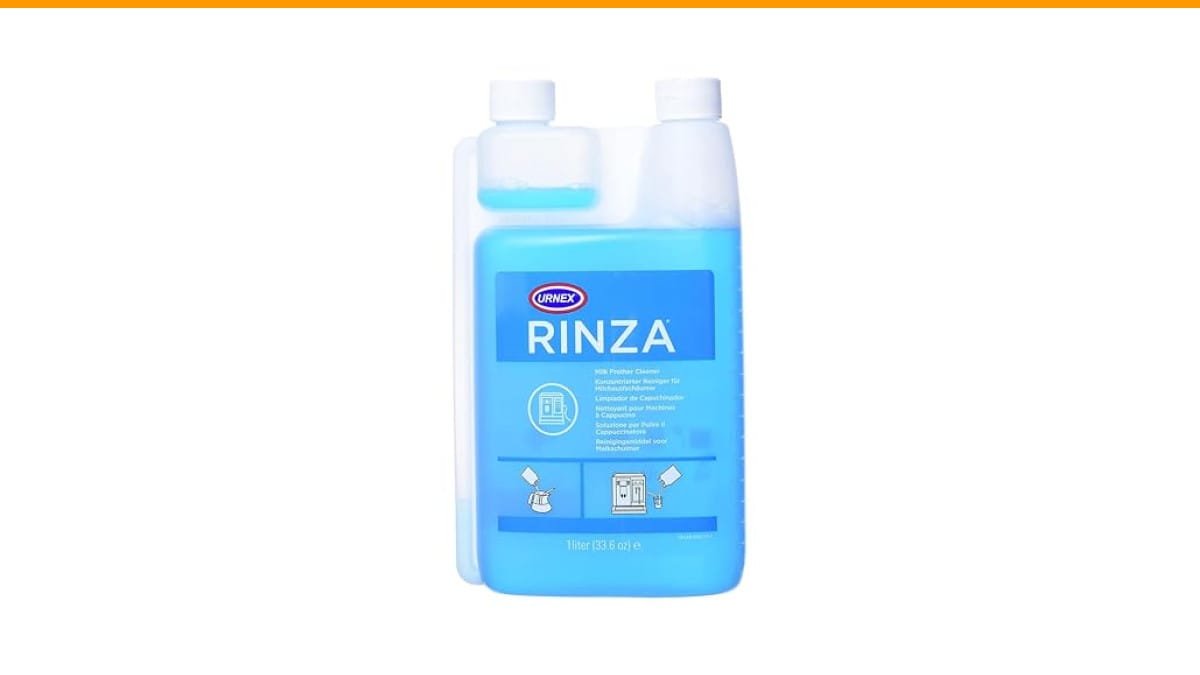
If your frother has seen months of use without a deep clean, a dedicated cleaner like Urnex Rinza Alkaline Formula Milk Frother Cleaner breaks down the baked-on milk protein that soap and water miss. It cycles through auto frothers and works on steam wands and pitchers. One bottle gives you over 30 cleaning cycles, which is cheap insurance for your coffee’s flavor.
Milk Protein Is Your Flavor Enemy
Milk contains about 3.3% protein, mostly casein and whey. When milk heats above 140°F (60°C), those proteins denature and stick to surfaces. Leave them there, and they polymerize into a brown, crusty film.
That film does two things. First, it physically blocks steam flow in wands, making weak foam. Second, it burns on subsequent heat cycles, releasing a bitter, cooked-milk taste into your next cup.
You can’t see it on a stainless steel wand, but you can smell it. If your steam wand has a faintly sour, cheesy odor after it cools, that’s the protein buildup.
The fix is simple: clean after every use, and deep clean weekly. Wipe the wand with a damp cloth immediately after steaming. Purge the wand for two seconds to clear milk from inside. For auto frothers, rinse the reservoir and whisk with hot water right away.
Once a week, use a dedicated cleaner. The Rinza solution I mentioned earlier dissolves the protein without scrubbing. You just run it through the frother like you would milk. It takes about five minutes and eliminates the stale flavor at its source.
If you’ve been using vinegar or descaling solutions on your frother, stop. Those target limescale, not protein. They can actually set the protein further. Use an alkaline cleaner designed for milk residue.
For more on keeping your whole coffee setup clean, check our coffee maker cleaning guide.
Milk Choice Affects Taste More Than You Think
Not all milk froths the same, and the flavor difference is dramatic. Whole milk (3.25% fat) produces the sweetest, most stable foam. The fat coats the protein molecules, preventing them from over-coagulating. Skim milk frothed aggressively tastes thin and slightly chalky because there’s no fat to round out the flavor.
Plant-based milks are a different story. Barista blends (oat, almond, soy) include added oils and stabilizers to mimic dairy foam. But they also bring their own flavors. Oat milk adds a caramel-like sweetness that can clash with light-roast coffees. Almond milk has a nutty note that works with chocolatey dark roasts but ruins a delicate Ethiopian.
If you’re using a frother that heats milk to 150°F or higher, the sugars in plant milks scorch faster than dairy. That produces a burnt, slightly plastic taste. Lower the temperature target to 130–135°F for plant milks.
One more thing: fresh milk froths better than milk nearing its expiration date. The protein structure degrades as milk ages, so the foam gets coarser and the flavor gets sour. Use milk with at least five days left before the sell-by date.
And if you’re using ultra-pasteurized milk, know that it frothed okay but tastes flatter than fresh pasteurized. The high-heat treatment kills more flavor compounds. For the best taste, choose fresh, local, whole milk.
Temperature Control Is the Missing Variable
Most home frothers hit a preset temperature around 150–160°F. That’s too hot for ideal sweetness. Milk’s natural sweetness peaks at about 130°F (54°C). Beyond that, the lactose doesn’t get sweeter, but the proteins start to coagulate and the flavor turns cooked.
If your frother has an adjustable temperature, set it to 135°F for dairy, 130°F for plant milks. If it doesn’t, you have two options.
First, stop the cycle early. A typical auto frother runs 60–90 seconds. Pull the reservoir out at 45 seconds if you want a cooler, sweeter result. You’ll learn the timing after two or three tries.
Second, use a thermometer. An instant-read probe costs $10 and takes the guesswork out. Stick it in the milk after frothing. If it reads above 145°F, you’ve overshot. Let it cool for a minute before pouring — the residual heat will still warm the espresso.
Also, consider the espresso temperature. If your shot is 200°F and your milk is 150°F, the blend lands around 170°F, which is too hot to taste nuance. You want the final cup around 150–160°F. So a cooler milk froth actually balances the hot shot.
For a deeper look at why your coffee tastes bitter even after cleaning, read our article on bitter coffee after cleaning.
Technique: How You Froth Matters
If you’re using a steam wand, the angle and depth of the tip control everything. Submerge the tip just below the surface to create a vortex. You want a rolling swirl, not violent splashing. The classic mistake is holding the wand too deep, which heats the milk without incorporating air. You get hot, flat milk.
For auto frothers, the technique is mostly about how much milk you add. Fill only to the marked line, not above. Overfilling leaves no room for the foam to expand, and the result is dense, heavy foam that sinks into the coffee instead of sitting on top.
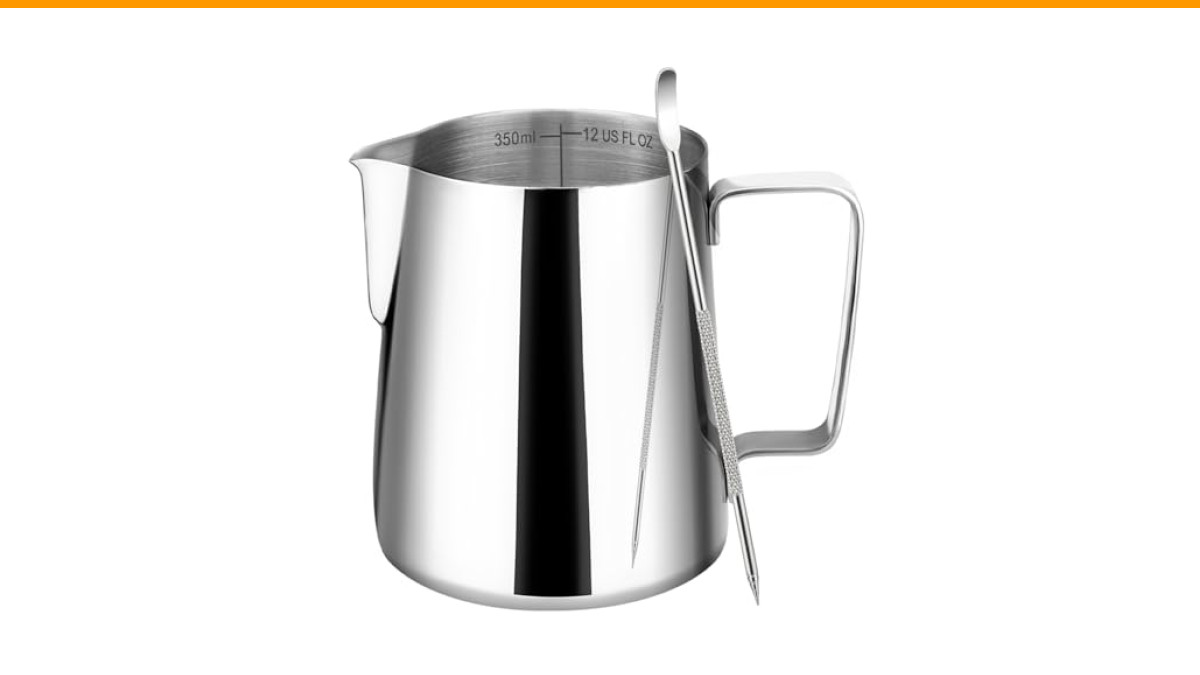
Tap the frothing pitcher on the counter after frothing to pop large bubbles. Then swirl it gently for 5 seconds to integrate the microfoam. This makes the texture silky rather than separated.
Pour from a height of 2–3 inches for a latte, or spoon the foam on top for a cappuccino. The pour technique changes how the milk layers with the espresso, which affects the perceived sweetness.
One more tip: always froth cold milk. Starting with warm milk gives you less time to incorporate air before it hits the temperature limit. Cold milk (35–40°F) produces denser, sweeter foam.
Comparing Cleaning Methods for Milk Frothers
Here’s a side-by-side look at the common ways to clean a milk frother, based on my testing over the past year.
| Method | Effectiveness on Protein | Time Needed | Risk of Residue | Best For |
|---|---|---|---|---|
| Hot water rinse | Low — removes loose milk only | 30 seconds | Low if done immediately | Daily maintenance |
| Dish soap + water | Moderate — cuts some fat, not baked protein | 2 minutes | Medium if not rinsed well | Quick weekly clean |
| Vinegar solution | Poor — targets limescale, can set protein | 10 minutes | High — vinegar smell lingers | Descaling, not protein |
| Alkaline cleaner (like Rinza) | High — dissolves protein on contact | 5 minutes | Low — rinses clean | Weekly deep clean |
I tested all four on a frother that had two weeks of daily use. The hot water rinse left a faint sour note. Dish soap improved it but the foam was still slightly bitter. Vinegar made it worse — the next latte tasted like salad dressing. The alkaline cleaner restored the original flavor completely. It took one cycle and the milk tasted as clean as day one.
If you’re dealing with a clogged steam wand, the protein is often the cause. See our guide on cleaning a clogged coffee maker for more.
Frequently Asked Questions
How often should I clean my milk frother?
Wipe and rinse after every use. Deep clean with an alkaline cleaner once a week if you use it daily. If you use it a few times a week, every two weeks is enough. The smell test works: if the frother smells sour when dry, it’s overdue.
Can I use vinegar to clean my milk frother?
Vinegar is for limescale, not milk protein. It can actually make protein buildup worse by denaturing it further. Use a dedicated milk frother cleaner or a mild dish soap for regular cleaning. Save vinegar for descaling your espresso machine’s boiler.
Why does my frothed milk taste sour?
Sourness usually means old milk or protein buildup. Check the milk’s expiration date first. If the milk is fresh, clean the frother thoroughly. A sour taste that persists after cleaning indicates the milk was overheated, which causes the proteins to release sulfur compounds.
Does whole milk taste better than skim in a frother?
Yes, for most people. Whole milk has more fat, which carries flavor and creates a sweeter, creamier mouthfeel. Skim milk produces more foam but it tastes thinner and slightly chalky. If you’re watching calories, try 2% — it’s a decent middle ground.
Why does my milk frother make coffee taste bitter?
Bitter, burnt flavors come from overheated milk or residual burned protein. If the frother runs too hot, the lactose caramelizes and the proteins scorch. Lower the temperature or stop the cycle early. Also, clean the frother with an alkaline cleaner to remove any old protein film.
What to Do Differently Starting Tomorrow
- Clean the frother wand or reservoir immediately after every use — a 30-second rinse prevents 30 minutes of scrubbing later.
- Use whole milk for the sweetest, most stable foam. If you prefer plant-based, choose a barista blend and keep the temperature under 135°F.
- Stop the auto frother cycle 15–20 seconds early to keep milk at 135–140°F, which preserves sweetness.
- Deep clean weekly with an alkaline cleaner like Rinza. It dissolves protein that soap and water leave behind.
- Tap and swirl the frothed milk before pouring to integrate the foam and eliminate large bubbles.
- Use cold milk straight from the fridge — it gives you more time to create fine foam before hitting the temperature limit.
- If your coffee still tastes off after all this, check your espresso machine’s maintenance. A dirty group head or stale grinder burrs can also ruin a cup. See our coffee machine maintenance tips.
Products related to this article
Sponsored / affiliate links. As an Amazon Associate I earn from qualifying purchases. I may earn additional commission from eligible campaigns.
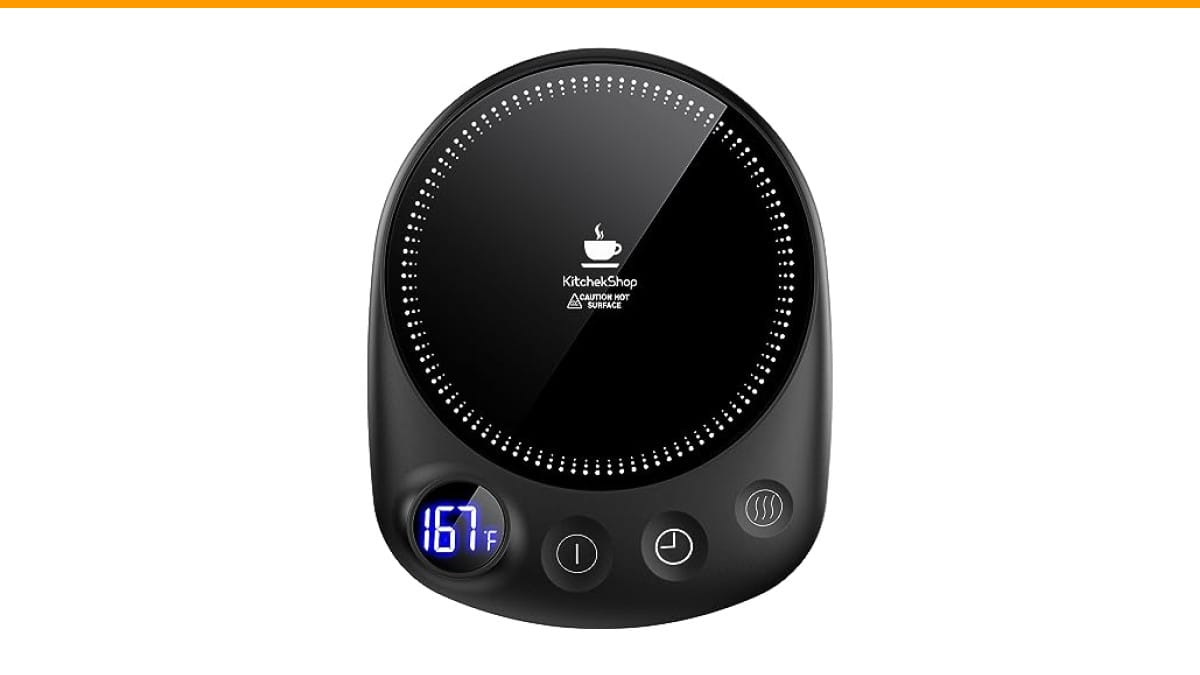
 Quick Heating Cup Warmer, Three Temperature Settings, Splashproof and Portable, for Coffee, Milk, Lightweight ABS Material
 Coffee Mug Warmer & You are Awesome Mug Set, Electric Cup Warmer for Desk
 SOLUSTRE Electric USB Coffee Cup Warmer with Temperature Settings Portable Milk and Beverage Heating Coaster for Office Desk Small Lightweight Design Easy to Clean Surface Multi Functional