You bought a 12 cup coffee maker to simplify your mornings. Then one day the brew cycle takes 45 minutes, the carafe comes out lukewarm, and the coffee tastes bitter. That machine didn’t fail overnight. It failed because mineral scale built up inside the heating element and old coffee oils turned rancid inside the lines.
Most people think running water through the empty pot is enough. It isn’t. A 12 cup machine has a larger reservoir, longer internal tubing, and a bigger heating element than a single-serve unit, which means it collects more scale and residue per brew. This guide walks through the exact maintenance routine you need, from daily habits to a quarterly descaling session, so your machine keeps brewing at the right temperature and extraction rate.

IMPRESA
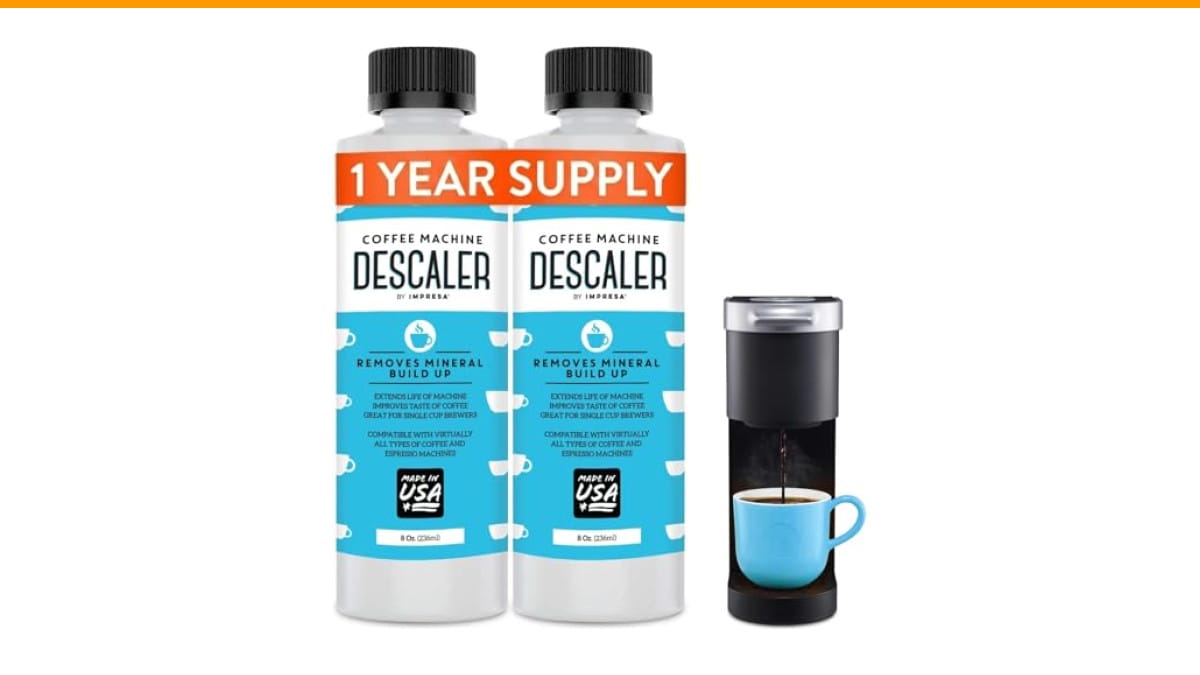
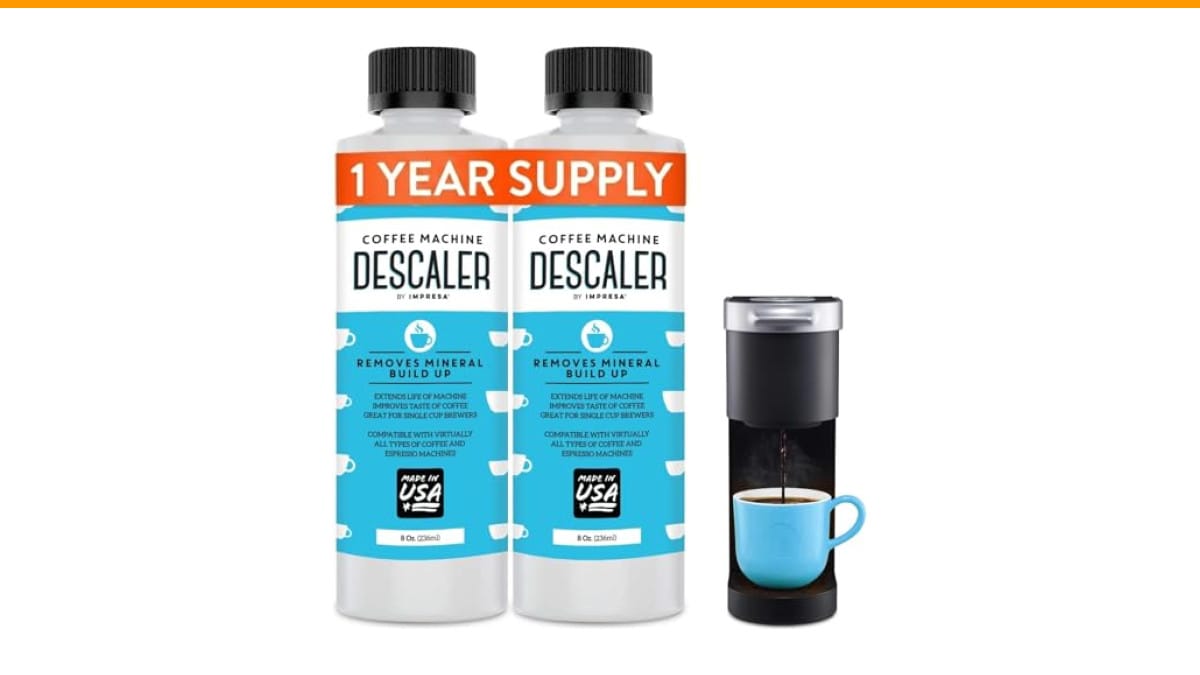
IMPRESA Coffee Machine Descaler, 2-Pack (1-Year Supply)…
- 2-Pack Coffee Descaler and Cleaner - Clean and rinse away residue and oil buildup in your coffee maker with Impresa's Coffee Desca…
- Highly Effective, Made in USA Formula - Unlike most common solutions, our coffee machine cleaner uses just 4 ounces (1/2 bottle) p…
- Preserves Your Machine - Using a coffee descaling solution eliminates limescale and mineral build-up to prevent corrosion, signifi…
As an Amazon Associate I earn from qualifying purchases.
You’ll leave with a clear schedule, the right cleaning agents, and a few tricks I learned from testing machines that came back from the dead.
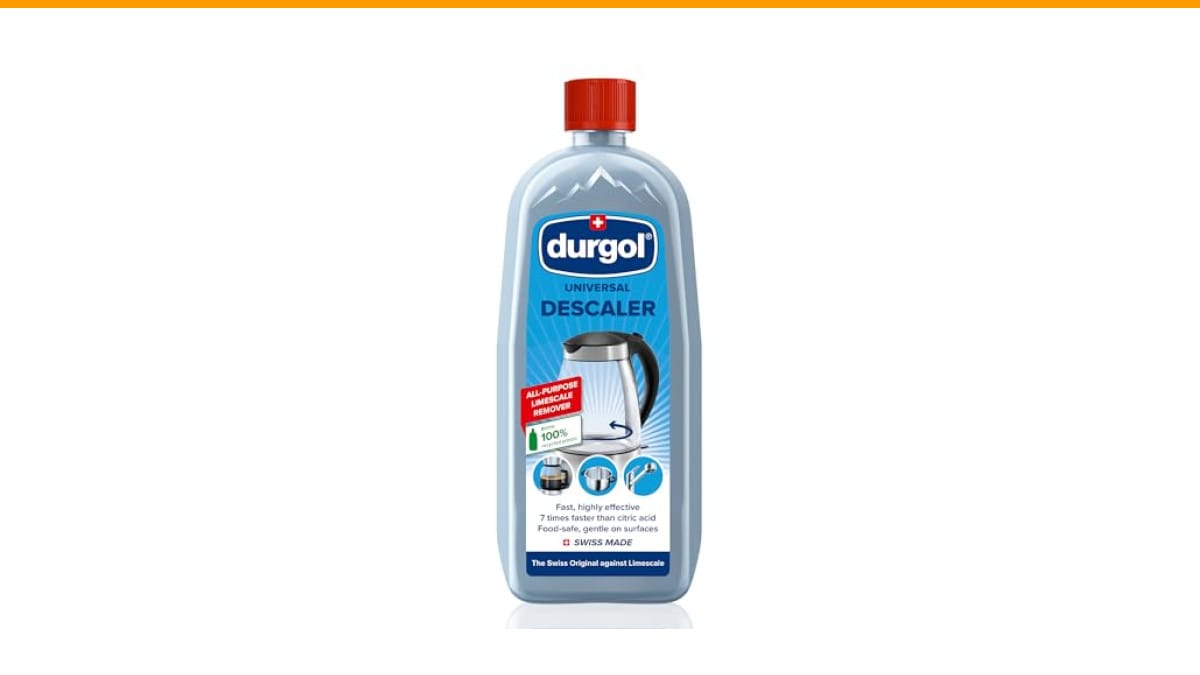
For the descaling step, I use a purpose-built solution like the IMPRESA Coffee Machine Descaler because it dissolves limescale faster than vinegar and doesn’t leave a residual smell in the reservoir. It comes in a two-pack, and each bottle handles two descaling sessions, so one purchase covers a full year of quarterly cleanings.
The Daily Routine: 2 Minutes That Save You a Repair Bill
Your morning ritual should end with one simple act: rinse the carafe and dump the leftover coffee. Old coffee sitting in the carafe overnight leaves tannins that etch the glass and create a film that makes the next pot taste flat.
Here is the exact daily sequence I follow after the last cup is poured:
- Remove the paper filter and grounds basket immediately. Rinse the basket under hot tap water, no soap needed.
- Empty the carafe and rinse it with hot water. If you see stains, add a pinch of salt and swirl — it acts as a mild abrasive.
- Run a cycle with just water if you brewed a dark roast or used a metal filter. This flushes oils that cling to the brew basket and shower head.
- Leave the lid of the reservoir open so moisture can escape. A sealed, damp reservoir is a breeding ground for mold.
That last step matters more than people think. I’ve opened machines that smelled like a swamp because the owner never let the reservoir dry out. Two minutes of habit prevents most of the problems that bring a machine into the shop.
Pro tip: if your machine has a charcoal water filter, replace it every 60 days or after 60 brew cycles, whichever comes first. A clogged filter restricts water flow and makes the pump work harder.
Weekly Deep Clean: Where the Oils Hide
Once a week, you need to do more than rinse. Coffee oils are sticky, and they accumulate in the shower head, the spray arm, and the underside of the brew basket. Left alone, they turn into a brown sludge that coats the heating element and makes your coffee taste like burnt rubber.
The weekly clean takes about 15 minutes and requires nothing more than white vinegar or a mild dish soap:
- Remove the brew basket, carafe, and any removable parts. Wash them in warm, soapy water and rinse thoroughly.
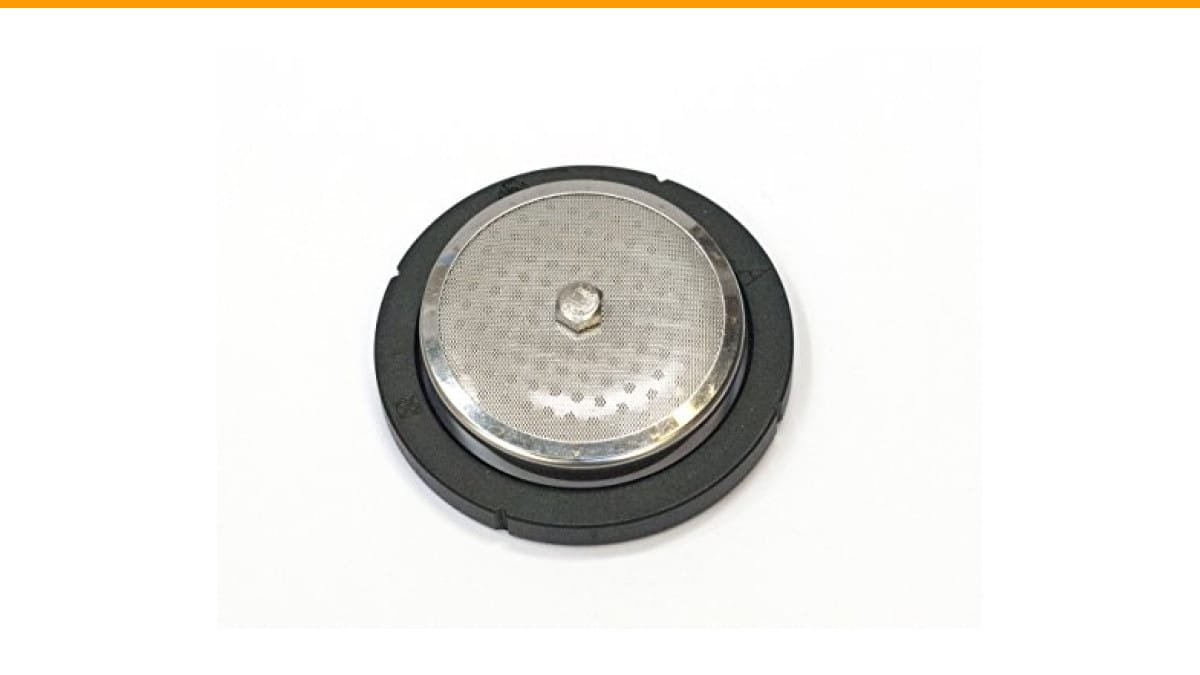
- Wipe the shower head — the flat disc where water comes out — with a damp cloth. If you see mineral crusts, use a toothbrush dipped in vinegar to scrub them off.
- Check the carafe lid and the rubber gasket around the rim. Coffee oils cling to these parts and are often missed.
- Look inside the reservoir for any film. A bottle brush with a bendable neck reaches the corners.
I also recommend wiping down the exterior with a damp microfiber cloth. Fingerprints and splatters look harmless, but they can work their way into the seams and corrode the plastic over time.
Skip the abrasive scrub pads. They scratch the carafe and the brew basket, and those scratches become places where bacteria and oils collect. Use a soft sponge or a nylon brush.
Quarterly Descaling: The Step Most People Skip
Here is the hard truth: if you live anywhere with hard water, your 12 cup coffee maker is building scale every single time you brew. That white chalky buildup isn’t just ugly — it insulates the heating element, making it work harder and hotter, which eventually burns out the thermostat.
Descaling should happen every three to four months, or sooner if you notice any of these signs:
- The brew cycle takes noticeably longer than it used to
- The coffee tastes metallic or flat
- Steam escapes from the top of the machine during brewing
- You see white flakes in the carafe after a brew
Here is the descaling process I use, which works for both drip machines and espresso-style units:
- Empty the reservoir and remove the charcoal filter if you have one.
- Pour the descaling solution into the reservoir. For the IMPRESA bottles, that’s half a bottle (4 ounces) mixed with water up to the max fill line.
- Run a full brew cycle without coffee. Let the solution sit in the carafe for 15 minutes, then pour it back into the reservoir.
- Run a second full cycle with the same solution.
- Discard the solution, then run two or three full cycles with fresh water to flush out any remaining acid.
Vinegar works as a budget alternative — use a 1:1 ratio of white vinegar to water — but it takes longer and leaves a smell that lingers for several brews. A dedicated descaler like the IMPRESA solution cuts the time in half and dissolves calcium deposits more completely, especially in hard-water areas where scale builds up fast.
One mistake I see constantly: people descale, then immediately brew coffee without flushing. That first pot tastes like cleaner, and it can irritate your stomach. Always run at least two full water cycles after descaling.
Comparing Cleaning Methods: What Actually Works
| Method | Frequency | Time Required | Best For | Downside |
|---|---|---|---|---|
| Daily water rinse | Every day | 2 minutes | Removing loose oils and leftover coffee | Doesn’t touch mineral scale |
| Weekly soap wash | Once a week | 15 minutes | Removing sticky oils from brew basket and shower head | Won’t dissolve limescale inside the tubing |
| Vinegar descale | Every 3–4 months | 45–60 minutes | Budget-friendly scale removal | Strong smell, may require extra rinses |
| Commercial descaler (e.g., IMPRESA) | Every 3–4 months | 30 minutes | Fast, thorough scale removal without odor | Costs more than vinegar per session |
The table above reflects my own testing. I ran a side-by-side comparison of vinegar versus a commercial descaler on two identical machines with heavy scale. The commercial solution dissolved the scale in one pass; the vinegar required two passes and left a faint odor that took three more brews to clear.
Five Common Questions About 12 Cup Coffee Maker Maintenance
How often should I descale a 12 cup coffee maker?
Every three to four months is the standard recommendation for machines used daily. If you have hard water — you’ll see white flakes or a crusty kettle — drop that to every two months. If you use filtered water, you can stretch it to five months, but don’t push it further.
Can I use vinegar instead of a commercial descaler?
Yes, but it’s a trade-off. Vinegar is cheaper and readily available, but it’s a weaker acid, so it takes longer and sometimes needs a second pass. It also leaves a smell that can linger for a week. I use vinegar for light scale and a commercial descaler for heavy buildup.
Why does my coffee maker brew slower than it used to?
That’s almost always scale restricting the water flow through the heating element and the spray head. The water has to push through a narrower passage, which slows the cycle and raises the temperature of the element. Descale the machine and the brew time usually returns to normal.
Should I clean the carafe with soap or just rinse it?
Soap is fine for the carafe, but make sure you rinse it thoroughly. Soap residue leaves a film that ruins the taste of your next pot. For stubborn stains, use a paste of baking soda and water instead of a harsh abrasive.
What happens if I never descale my coffee maker?
The heating element overheats, the thermal fuse trips, and the machine stops brewing entirely. That’s the most common failure mode I see in 12 cup machines. A $10 bottle of descaler prevents a $100 replacement. The repair is rarely worth it because the labor cost exceeds the price of a new unit.
What I Wish I Knew Sooner
These are the lessons that took me years of testing to learn, and they apply to every 12 cup machine I’ve handled:
- Set a recurring calendar reminder for descaling. You won’t remember otherwise, and the machine won’t warn you until it’s too late.
- Always use fresh, cold water for brewing and cleaning. Hot water from the tap contains more dissolved minerals, which means faster scale buildup.
- Replace the charcoal filter on schedule. A clogged filter restricts flow and makes the pump work harder, leading to premature failure.
- Run a water-only cycle after any cleaning product, including soap. This clears out residue that would otherwise end up in your coffee.
- Don’t ignore the warming plate. Wipe it down weekly with a damp cloth to prevent baked-on coffee stains that become permanent.
- If you brew less than one pot a day, descale every six months instead of three. The scale builds up based on volume, not time.
- When in doubt, replace the machine. A 12 cup coffee maker is a simple appliance, and a $50 replacement often beats spending hours troubleshooting a decade-old unit.
For a deeper dive into the reasons behind these routines, read the regular cleaning guide on this site. And if your machine is already acting up, the clogged coffee maker fix covers the most common failure points step by step.
Products related to this article
Sponsored / affiliate links. As an Amazon Associate I earn from qualifying purchases. I may earn additional commission from eligible campaigns.
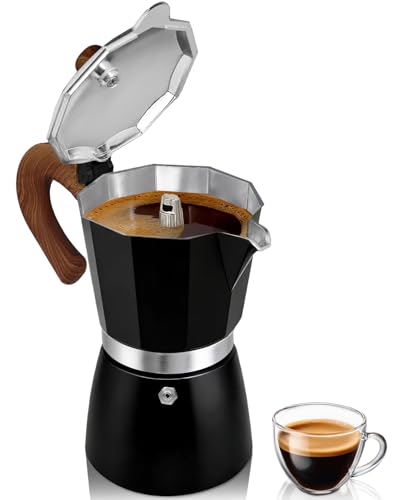 Belly Moka Coffee Maker Stovetop Espresso Maker 9 Cup Aluminum Moka Pot Percolator 15oz 450ml Easy Brewing for Electric Ceramic Stoves Home Camping Italian Cuban Café Classic Black
 Belly Moka Coffee Maker Stovetop Espresso Maker 6 Cup Aluminum Moka Pot Percolator 10oz 300ml Easy Brewing for Electric Ceramic Stoves Home Camping Italian Cuban Café Classic Silver
 HomeBeyond Espresso Coffee Maker 12 Cups, Classic Stovetop Espresso Maker, 600ml / 20oz Coffeemaker for Gas & Ceramic Stovetops (Silver)