You know the feeling. You pour a cup from a machine you haven’t cleaned in weeks, and the coffee tastes flat, bitter, or just weird. The machine sputters. It takes forever to brew. You wonder if it’s time for a new one.
Most drip coffee makers don’t die from old age. They die from neglect. Hard water minerals, coffee oils, and stray grounds accumulate inside the water lines and heating element. That buildup ruins the flavor of every single cup and eventually blocks the machine’s ability to brew at all.

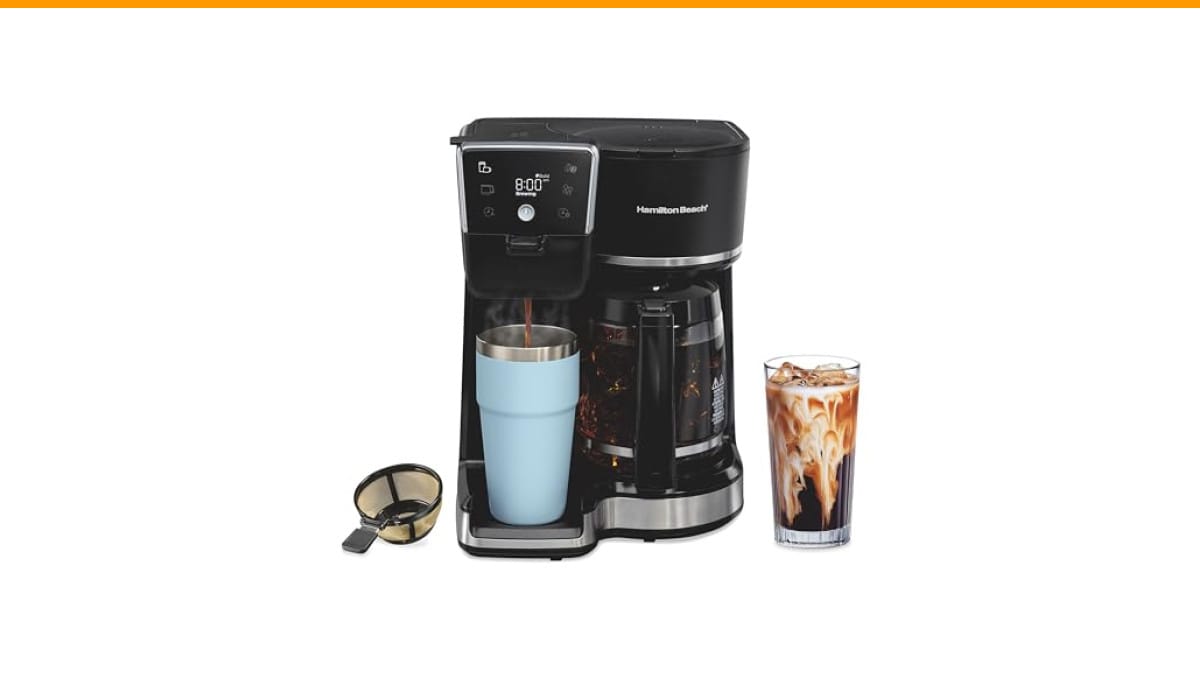
Hamilton Beach
Hamilton Beach 2-Way Drip Coffee Maker &…
- BREW RICH, FLAVORFUL COFFEE: The unique AquaFlow showerhead of the drip coffee maker directs water over the entire brew basket for…
- 2 WAYS TO BREW – GRAB A CUP TO GO OR ENJOY A FULL POT: Brew a single-serve cup or a full coffee carafe with your favorite ground c…
- BREW YOUR WAY WITH 6 SETTINGS INCLUDING ICED COFFEE: The 2-in-1 coffee machine lets you customize your cup of coffee or the full p…
As an Amazon Associate I earn from qualifying purchases.
This guide walks you through a complete maintenance routine. You’ll learn the daily habits, the weekly checks, and the monthly deep-cleaning steps that keep a drip coffee maker working like new. No vague advice here—just specific instructions and the reasoning behind them.
If you’re in the market for a machine that makes maintenance easier, the [Hamilton Beach 2-Way Drip Coffee Maker & Single Serve Coffee Machine](Check Price on Amazon has a removable brew basket and a showerhead design that distributes water evenly. That means fewer dry pockets of grounds and less residue left behind after each brew cycle.
Why Your Coffee Tastes Bad (And It’s Not the Beans)
Let’s get one thing straight: the coffee oils from your last brew are still inside the machine. Every time you run a new cycle, hot water passes over those old oils. They turn rancid, and that rancidity goes straight into your fresh cup.
Mineral scale is the second culprit. If you have hard tap water, calcium and magnesium deposit themselves on the heating element and inside the tubes. This scale acts as an insulator, so the machine has to work harder to heat the water. It also breaks off in tiny flakes that end up in your mug.
Here’s the practical impact. A machine with visible scale takes 20 to 30 percent longer to brew a full pot. The water temperature drops because the heating element can’t transfer heat efficiently through the mineral crust. Coffee brewed at lower temperatures extracts less flavor, which is why your coffee tastes weak and sour even with fresh beans.
So the maintenance routine isn’t about keeping the outside shiny. It’s about keeping the internal water path clean and clear.
Daily and Weekly Habits That Take 30 Seconds
You don’t need a chemistry lab to maintain a drip coffee maker. You need consistency. The single most important habit is rinsing the carafe and the brew basket immediately after you finish your coffee.
Don’t let the used grounds sit in the basket for hours. They dry out, stick to the mesh, and release more bitter compounds into the machine’s plastic parts. Rinse the basket under hot running water, wipe it with a sponge, and let it air dry. The carafe gets the same treatment—a quick rinse with hot water and a wipe with a soft cloth.
Once a week, do a slightly deeper clean. Fill the carafe with a solution of one part white vinegar to three parts water. Pour it into the reservoir and run a full brew cycle without coffee grounds. Then run two full cycles with plain water to flush out any vinegar taste.
This weekly vinegar rinse breaks down the thin film of coffee oil that builds up on the internal surfaces. It’s not a substitute for a full descale, but it keeps things fresh between deep cleans. If you skip this, you’ll notice the difference within a month—the coffee starts tasting slightly dull, and the machine’s aroma isn’t fresh anymore.
One more habit worth building: empty the used grounds into the trash, not the sink. Coffee grounds clog drain pipes fast, and they’re a pain to clear out.
The Monthly Descaling Procedure (This Is the Real Deal)
Once a month, you need to descale the machine properly. This removes the mineral scale that a weekly vinegar rinse can’t touch. If you live in an area with very hard water, do this every three weeks.
Here’s the full procedure, step by step:
- Mix a descaling solution according to the manufacturer’s instructions. For most machines, this is a 1:1 ratio of white vinegar to water.
- Pour the solution into the water reservoir.
- Place a clean carafe in position and start a brew cycle.
- When the cycle finishes, let the solution sit in the carafe for 30 minutes.
- Discard the solution and fill the reservoir with fresh water.
- Run a full brew cycle with just water.
- Repeat step 6 at least two more times. The vinegar smell should be completely gone.
This process takes about an hour, but it’s the difference between a coffee maker that lasts five years and one that dies after eighteen months. The heating element is usually the first thing to fail, and scale buildup is the primary cause.
Don’t use more vinegar than recommended thinking it’ll work better. Excess vinegar can degrade the rubber seals and plastic tubing inside the machine. Stick to the ratio.
If you’d rather use a commercial descaling powder, that works too. Just follow the package directions and rinse thoroughly. The key is the rinsing—incomplete rinsing leaves a chemical aftertaste that ruins your next pot.
Replacing Parts and Handling Common Issues
Some parts of a drip coffee maker wear out and need replacement. The most common is the charcoal water filter, if your machine has one. These filters should be replaced every 60 days or after every 40 brews, whichever comes first. A clogged filter restricts water flow and makes the machine work harder.
The brew basket’s mesh filter can also wear out over time. If you notice grounds in your cup, inspect the mesh for tears or warping. A damaged basket costs a few dollars to replace, and it’s worth it—grounds in your cup ruin the whole experience.
If your machine stops brewing or brews very slowly, check for a clogged water line. This often happens when scale flakes break loose and get stuck in the narrow tubing. The [descaling process](https://cafenfood.com/how-to-clean-clogged-coffee-maker/) usually clears it, but you may need to run a second descaling cycle if the flow doesn’t improve.
Another common issue is a machine that turns on but doesn’t heat the water. This is almost always a failed heating element, which is not worth repairing on a budget drip machine. If you’ve been descaling regularly and this happens, it’s just age. If you’ve never descaled, that’s likely the cause.
For machines with a warming plate, check the plate for burnt-on coffee stains. These come from spills that weren’t wiped up. A paste of baking soda and water scrubs them off without scratching the surface.
Comparing Maintenance Approaches
Different cleaning methods work for different situations. Here’s a breakdown of the main options so you can pick what fits your routine.
| Method | Frequency | Time Required | Best For | Drawbacks |
|---|---|---|---|---|
| Daily rinse (water only) | Every use | 30 seconds | Removing loose grounds and oils | Doesn’t remove mineral scale |
| Weekly vinegar flush | Once a week | 15 minutes | Maintaining fresh flavor between descalings | Light vinegar smell if not rinsed well |
| Monthly full descale | Once a month | 1 hour | Removing hard water scale and deep oil buildup | Requires planning and multiple rinse cycles |
| Commercial descaler | Monthly | 45 minutes | Heavy scale in hard water areas | Costs more than vinegar, needs careful measuring |
| Filter replacement | Every 60 days | 5 minutes | Improving water taste and reducing scale | Ongoing cost, easy to forget |
You don’t have to do all of these every week. The daily rinse is non-negotiable. The weekly flush is highly recommended. The monthly descale is essential for long-term health. If you only do one thing, do the daily rinse—it prevents most of the buildup from ever happening.
Frequently Asked Questions
How often should I actually descale my drip coffee maker?
Every four to six weeks is the sweet spot for most households. If you brew multiple pots a day, move to every three weeks. If you use filtered water, you can stretch it to every two months. Your water hardness is the deciding factor—hard water means more frequent descaling.
Is vinegar safe for all drip coffee makers?
Yes, for most machines. White vinegar is mild enough to break down scale without damaging plastic parts. The exception is machines with aluminum components—vinegar can corrode aluminum. Check your owner’s manual. If it says not to use vinegar, buy a citric acid-based descaler instead.
Why does my coffee taste like vinegar after cleaning?
You didn’t rinse thoroughly enough. After a vinegar descale, you need at least two full cycles with fresh water to flush the lines completely. Run a third cycle if you can still smell vinegar when the water heats. A quick trick: brew a small pot of plain water and discard it before making your next real pot.
Can I put the carafe and brew basket in the dishwasher?
Check the bottom of the carafe and the basket for a dishwasher-safe symbol. Many glass carafes are dishwasher-safe, but the plastic brew baskets often warp in the high heat. Hand washing is safer for the plastic parts. If you do use the dishwasher, place them on the top rack only.
What’s the best water to use in a drip coffee maker?
Filtered tap water is the best balance of taste and practicality. Distilled water has no minerals, which sounds great for scale prevention, but it can actually leach minerals from the machine’s metal parts over time. Spring water works too, but it’s expensive for daily brewing. Just avoid straight tap water if you live in a hard water area.
What to Do This Week (A Simple Plan)
You don’t need to overhaul your entire coffee routine today. Start with these steps and you’ll notice the difference within a few days.
- Rinse the brew basket and carafe after every single use. Make it a habit, not a chore.
- Run a vinegar flush this weekend. It takes 15 minutes and costs pennies.
- Check your water filter cartridge. If it’s older than two months, replace it.
- Inspect the brew basket mesh for tears or warping. Replace it if you see any damage.
- Set a monthly reminder on your phone to do a full descale. Put it on the same day you pay your rent or utility bill.
- If your machine has been acting sluggish, run a descaling cycle today—not next week.
- Wipe down the warming plate and exterior with a damp cloth to prevent baked-on stains.
That’s the entire routine. It’s not glamorous, but it’s what separates a coffee maker that lasts five years from one that dies in eighteen months. The machines that fail early are almost always the ones that never got a single descale.
If you’re dealing with a machine that’s already clogged or brewing slowly, the [clogged coffee maker guide](https://cafenfood.com/how-to-clean-clogged-coffee-maker/) walks you through the fix. For a complete breakdown of the entire cleaning process, the [proper cleaning guide](https://cafenfood.com/how-to-clean-coffee-maker-properly/) has you covered. And if you want to know exactly why this all matters, the [importance of regular cleaning](https://cafenfood.com/why-regular-cleaning-of-coffee-maker-is-important/) explains the science in plain terms.
Your coffee maker is a simple machine. It heats water and pushes it through grounds. Keep that water path clean, and it will keep making good coffee for years. Skip the maintenance, and you’ll be shopping for a replacement sooner than you’d like.
Products related to this article
Sponsored / affiliate links. As an Amazon Associate I earn from qualifying purchases. I may earn additional commission from eligible campaigns.
 Belly Moka Coffee Maker Stovetop Espresso Maker 9 Cup Aluminum Moka Pot Percolator 15oz 450ml Easy Brewing for Electric Ceramic Stoves Home Camping Italian Cuban Café Classic Black
 Belly Moka Coffee Maker Stovetop Espresso Maker 6 Cup Aluminum Moka Pot Percolator 10oz 300ml Easy Brewing for Electric Ceramic Stoves Home Camping Italian Cuban Café Classic Silver
 HomeBeyond Espresso Coffee Maker 12 Cups, Classic Stovetop Espresso Maker, 600ml / 20oz Coffeemaker for Gas & Ceramic Stovetops (Silver)