You bought a pour over because you wanted better coffee, and for a while, it delivered. Then one morning, your brew tastes a little bitter, or the glass carafe looks cloudy, or the water drips through slower than it used to. The culprit isn’t your beans or your technique. It’s a coffee maker that hasn’t been maintained.
Pour over gear is simple, but simple doesn’t mean maintenance-free. Coffee oils, minerals from your water, and stray grounds build up quietly. They cling to the glass, lodge in the mesh filter, and coat the inside of the dripper. Over time, they turn your clean, bright cup into something muddled. This article walks you through a realistic maintenance routine, from the quick daily rinse to the deeper weekly and monthly cleaning, so your brewer keeps performing like it did on day one.

Bodum
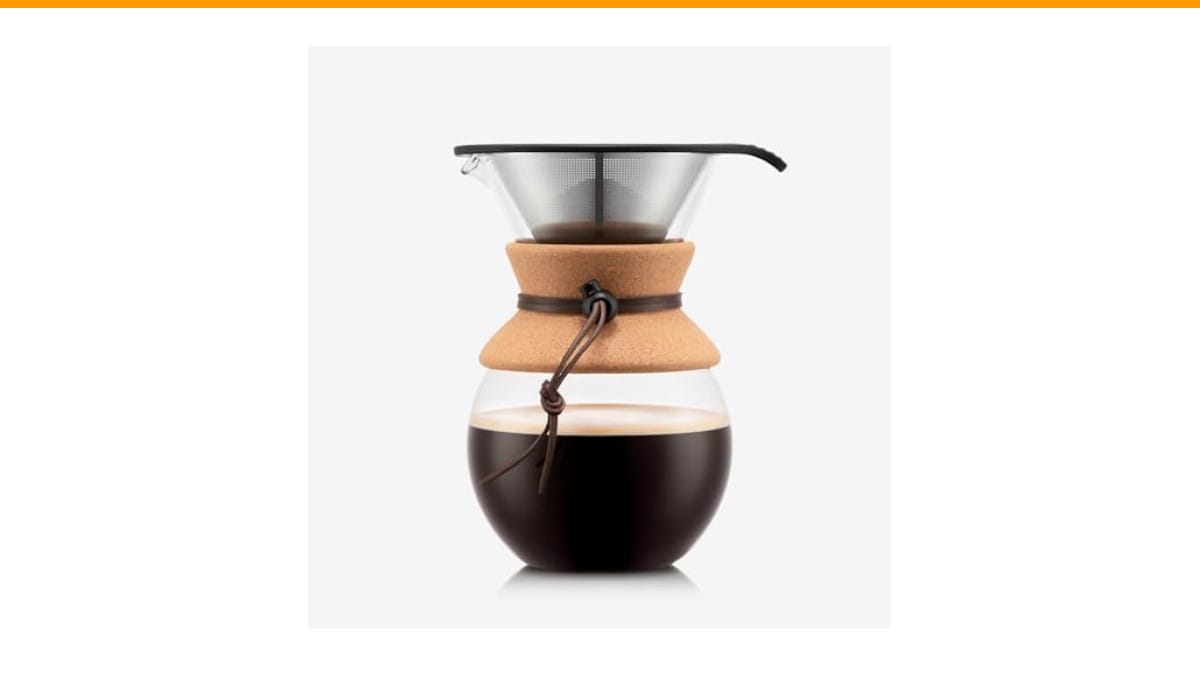
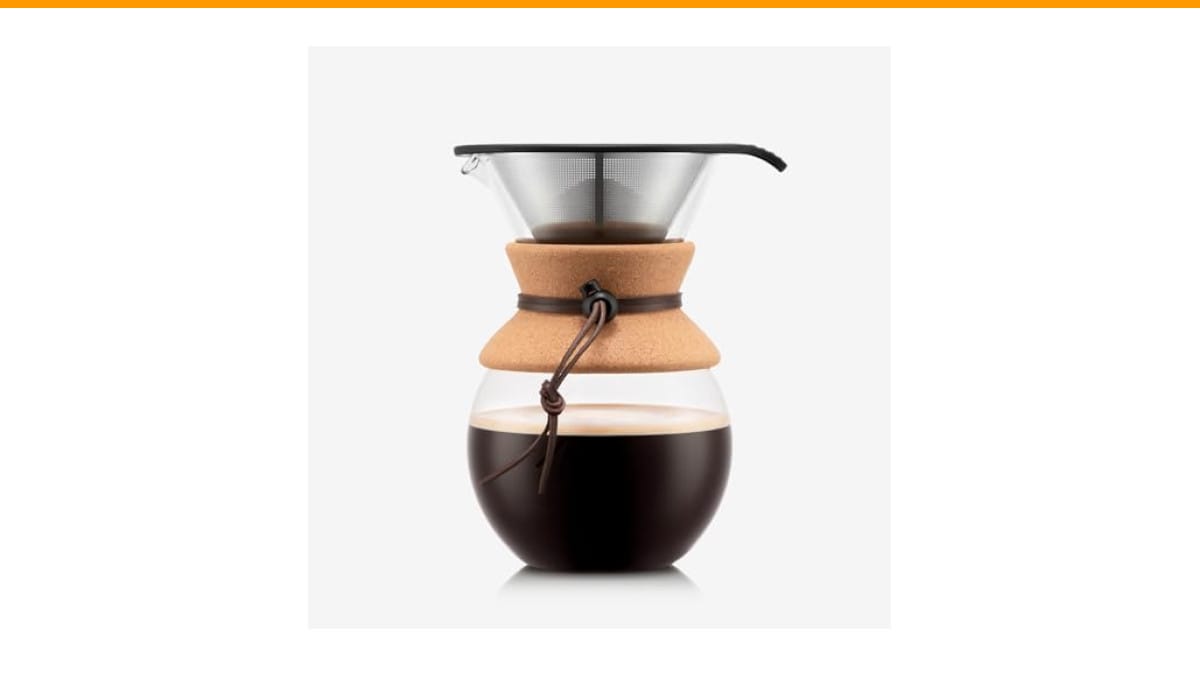
Bodum 34oz Pour Over Coffee Maker, High-Heat…
- Pour Over Coffee: Manual Pour Over Coffee Maker allows you to brew an excellent cup of Coffee in minutes
- Stainless steel: Includes a new and improved permanent, stainless steel mesh filter that helps extract your coffee's aromatic oils…
- Coffee Carafe: Made of durable, heat-resistant borosilicate glass with Cork Band detailing that is both functional and elegant; si…
As an Amazon Associate I earn from qualifying purchases.
You’ll learn exactly what to clean, how often to clean it, and which products to use (and which to avoid). You’ll also get a straight answer on whether that plastic or steel dripper needs different care than glass. No vague advice here, just the steps that keep your gear working.
If you’re using a glass pour over like the Bodum 34oz Pour Over Coffee Maker, the maintenance is straightforward. Its borosilicate glass carafe resists thermal shock, and the reusable stainless steel mesh filter means you never buy paper filters. The cork band needs a quick wipe, but the rest is standard care. It’s a solid choice if you want a single-wall carafe that brews directly into the serving vessel, and it handles eight 4-ounce cups at once.
The Daily Routine: 60 Seconds That Prevents 90% of Problems
Most pour over problems start with neglect after the brew. Coffee oils are sticky. Left to dry, they oxidize and turn rancid, which is exactly the stale flavor you’ll taste in tomorrow’s cup. You don’t need soap for the daily clean, but you do need to be thorough.
Right after you finish your coffee, do this:
- Dump the spent grounds into the trash or compost.
- Rinse the filter holder and carafe under hot running water. Hot water, not warm, because it cuts the oils better.
- Use your fingers or a soft sponge to wipe the inside of the carafe and the mesh filter. You’ll feel a slick film. That’s the oil. Keep rinsing until the slickness is gone.
- Shake the mesh filter and check the holes. If you see grounds stuck in the mesh, hold it under the tap and rub the surface with your thumb in a circular motion.
- Let everything air dry on the drying rack. Don’t towel-dry glass, because towels leave lint and can harbor bacteria.
That’s it. Sixty seconds. If you do this every day, you will rarely need a deep clean. The one exception is the cork band on the Bodum. Cork is porous, so it absorbs water and coffee splashes. Wipe it with a damp cloth and let it dry completely. Don’t soak it, and don’t put it in the dishwasher, even though the carafe itself is dishwasher safe. The heat and moisture will crack the cork over time.
I’ll be honest: I skipped this daily rinse for a week once, and the difference was noticeable. The next brew had a dull, almost cardboard-like aftertaste. A quick rinse fixed it, but it taught me that the daily habit isn’t optional.
Weekly Deep Clean: Removing the Oil Film You Can’t See
Even with daily rinsing, a thin layer of oil builds up on the glass and the mesh. You can’t see it, but you can feel it. Run your finger inside the carafe after a rinse. If it feels slightly tacky, it’s time for a weekly clean.
You have two good options: dish soap or a dedicated coffee cleaner. Both work, but they’re not equal.
Dish soap method: Use a mild, unscented dish soap. Add a drop to the carafe, fill it halfway with warm water, and swirl. Use a soft sponge or a bottle brush to scrub the inside, especially the bottom corners where oils settle. Rinse thoroughly until there’s no soapy residue. For the mesh filter, put a drop of soap in your palm, rub the filter between your hands, then rinse under hot water until the water runs clear. Soap residue will ruin the taste of your next brew, so rinse longer than you think you need to.
Baking soda paste: If the glass looks cloudy or has a white film, that’s mineral scale, not oil. Dish soap won’t touch it. Make a paste of three parts baking soda to one part water. Apply it with a soft cloth and scrub gently. The mild abrasiveness lifts the scale without scratching the borosilicate glass. Rinse thoroughly.
For the dripper itself (the part that holds the filter), check the bottom holes. If you see buildup, use a cotton swab dipped in white vinegar to clean each hole. This is especially important for plastic drippers like the classic Hario V60, where oils can get baked into the ridges. For the Bodum, the dripper is part of the carafe top, so just wipe the whole piece.
One product I recommend for the weekly clean is Cafiza, a coffee equipment cleaner. It’s a powder you dissolve in warm water. It’s designed to break down coffee oils that dish soap misses. Soak the mesh filter and the carafe for 15 minutes, then rinse. It’s not expensive, and it’s the same stuff cafes use. I keep a small jar under the sink for when the soap method feels like it’s not keeping up.
Monthly Descaling: Fighting Hard Water Minerals
If you live anywhere with hard water, you will eventually see white scale inside your carafe. It looks like a chalky film, and it builds up on the mesh filter too, clogging the tiny holes and slowing your brew time. This is not a cleaning issue, it’s a mineral deposit issue, and you need an acid to dissolve it.
White vinegar is the standard choice. Mix one part white vinegar to two parts water. Fill the carafe, and if your brewer has a separate dripper, place the dripper in a bowl and pour the solution through it. Let everything soak for 30 minutes. If the scale is heavy, let it soak for an hour. Then rinse thoroughly with hot water. You might need to run the rinse twice to get the vinegar smell out.
Citric acid is a better option if you dislike the vinegar smell. You can buy food-grade citric acid powder online or at a grocery store. Dissolve one tablespoon in a quart of warm water and soak the same way. It works faster than vinegar and leaves no odor.
Here’s the trade-off: vinegar is cheaper and you probably have it in your pantry. Citric acid is more pleasant to work with and doesn’t linger. Both are safe for borosilicate glass and stainless steel mesh. Do not use bleach, chlorine-based cleaners, or abrasive scrub pads like steel wool. They’ll scratch the glass and corrode the mesh.
How often you descale depends on your water. If you see scale, do it monthly. If you use filtered water or soft water, every two to three months is fine. The mesh filter on the Bodum is stainless steel, which resists corrosion, but the holes are fine enough that scale will clog them. A clogged filter does two bad things: it slows the drip rate, which over-extracts your coffee and makes it bitter, and it lets coffee oils sit longer, which adds staleness. If your brew time has crept from 3 minutes to 4 or 5, check the filter first.
Filter Care: The Difference Between Paper and Permanent Mesh
Your filter choice changes your maintenance routine significantly. If you use paper filters, you’re throwing away the oils with the paper. That means your carafe stays cleaner, and you mostly worry about mineral scale, not oil buildup. But paper filters absorb some of the coffee’s aromatic oils, which some people say flattens the flavor.
If you use a permanent stainless steel mesh filter, like the one that comes with the Bodum, you get more oils in your cup, which means more body and flavor. The cost is maintenance. That mesh needs to be cleaned properly, or it will clog and carry stale flavors.
Here’s the key difference: you cannot just rinse a mesh filter and call it done. The oils get trapped in the weave. You need to scrub it with a soft brush (a dedicated coffee brush or a clean toothbrush works) and soap at least once a week. Some people put mesh filters in the dishwasher, but I don’t recommend it. The high heat and detergent can warp the mesh over time, changing the hole size and affecting your brew. Hand washing is safer.
Also, inspect the mesh monthly. Hold it up to a light. If you see any tears, warps, or areas where the weave looks stretched, replace it. A damaged filter will let fine grounds through, making your coffee gritty and your carafe harder to clean. A good mesh filter should last a couple of years with proper care, but it’s not a lifetime part.
There’s also a middle ground: use a paper filter inside the mesh filter. Some people do this to get a cleaner cup while keeping the mesh as a backup. It’s a valid approach, but it defeats the purpose of the permanent filter. You’re back to buying paper. I’d rather commit to one method and maintain it well.
| Maintenance Task | Frequency | Method | Time Needed |
|---|---|---|---|
| Rinse carafe and filter | After every brew | Hot water, hand rub | 1 minute |
| Deep clean with soap | Weekly | Mild dish soap, brush, thorough rinse | 5 minutes |
| Remove mineral scale | Monthly or as needed | Vinegar or citric acid soak | 30-60 minutes |
| Clean cork band (if applicable) | Weekly | Damp cloth wipe, air dry | 30 seconds |
| Inspect mesh filter for damage | Monthly | Visual check against light | 1 minute |
Common Mistakes That Shorten the Life of Your Brewer
Most people don’t ruin their pour over maker through lack of cleaning. They ruin it through the wrong cleaning habits. Here are the mistakes I see most often, and I’ve made a few of them myself.
Putting the carafe in the dishwasher every day. The Bodum carafe is labeled dishwasher safe, and technically it is. But the high heat and harsh detergents will eventually cloud the borosilicate glass and degrade the cork band. If you use the dishwasher, use the top rack, skip the heated dry cycle, and expect the cork to wear out faster. Hand washing is better for longevity.
Using abrasive scrubbers. Steel wool and green scrubby pads will scratch glass. Scratches give coffee oils and minerals a place to hide, making future cleaning harder. Once glass is scratched, you can’t fix it. Use a soft sponge or a nylon brush.
Ignoring the dripper holes. If your dripper has small holes in the bottom, they clog. You might not notice until the water stops flowing. Then you’re stuck with a stalled brew and a mess. Clean the holes with a toothpick or a cotton swab weekly.
Storing the brewer wet. Putting the carafe and filter away while they’re still damp invites mold and mildew. It’s not just gross, it’s a health issue. Always air dry completely before storing. If you brew daily, leave it on the drying rack. If you brew occasionally, make sure it’s bone dry before it goes in the cabinet.
Forgetting the grinder. Your pour over maker is only as clean as your grinder. Burr grinders collect coffee dust and oils that go rancid. If your grounds smell stale, your coffee will taste stale, no matter how clean your brewer is. Check out this grinder cleaning guide for the full routine. It’s a critical piece of the puzzle that most people overlook.
When to Replace Parts Instead of Cleaning Them
Cleaning fixes most problems, but not all. There comes a point where a part is worn out, and no amount of scrubbing will bring it back. Knowing when to replace saves you frustration and bad coffee.
Replace the mesh filter when you see tears, stretched weave, or if it’s permanently clogged even after a vinegar soak and a good scrub. A clogged filter that won’t clear is trapping oils and slowing your brew. A replacement mesh filter is inexpensive.
Replace the carafe if it’s chipped or cracked. Borosilicate glass is tough, but it’s not unbreakable. A chip on the rim is a safety hazard and a place for bacteria to grow. Don’t try to patch it. Replace it.
Replace the cork band if it’s cracked, moldy, or falling apart. Cork can be cleaned, but once it’s damaged, it’s done. The Bodum cork band is replaceable, so you don’t have to buy a whole new brewer.
If you’re troubleshooting a specific issue, like slow flow or weird taste, and cleaning doesn’t fix it, you might have a different problem. Check our clogged coffee maker guide for targeted fixes. And if your brewer uses a heating plate or has electrical parts, the maintenance is different entirely. Those machines need a different approach, which you can read about in our coffee machine maintenance guide.
Frequently Asked Questions
Can I put my pour over glass carafe in the dishwasher?
Most borosilicate glass carafes, including the Bodum, are labeled dishwasher safe. But I recommend hand washing. The dishwasher’s harsh detergents and high heat will eventually cloud the glass and degrade any cork or wooden parts. If you must use the dishwasher, put the carafe on the top rack, skip the heated dry cycle, and remove it while it’s still hot so it dries quickly. The mesh filter and cork band should always be hand washed.
Why does my coffee taste bitter even though I clean the maker?
Bitter taste usually comes from over-extraction, not a dirty brewer. Over-extraction happens when the water is too hot, the grind is too fine, or the brew time is too long. Check your water temperature (aim for 195-205°F), coarsen your grind, and watch your timer. If your brew is taking longer than 4 minutes, your filter might be clogged, which slows the drip and over-extracts the coffee. Clean the filter and try again.
How do I clean the mesh filter without damaging it?
Rinse it under hot water immediately after brewing to remove the bulk of the oils. Once a week, scrub it gently with a soft brush and mild dish soap. For a deeper clean, soak it in a solution of warm water and a coffee cleaner like Cafiza for 15 minutes. Avoid steel wool, harsh chemicals, and the dishwasher, which can warp the fine mesh.
Is white vinegar safe for my stainless steel filter?
Yes, white vinegar is safe for stainless steel. The acetic acid dissolves mineral scale without corroding the steel. The key is to rinse thoroughly afterward. Vinegar left to dry on stainless steel can leave a film. For routine cleaning, use a 1:2 vinegar-to-water ratio. For heavy scale, you can use a stronger mix, but don’t soak for more than an hour.
Do I need to descale if I use filtered water?
Filtered water has fewer minerals than tap water, but it’s not mineral-free. If you use a standard pitcher filter, you’ll still get some scale buildup, just slower. You should descale every 2-3 months as a preventative measure, or when you see a white film. If you use reverse osmosis or distilled water, you won’t see scale, but you’ll need to add minerals back for good coffee flavor. Distilled water actually extracts coffee poorly.
Your Maintenance Cheat Sheet
Here’s the short version you can stick on your fridge. Do these things, and your pour over maker will outlast your patience for buying new gear.
- Rinse the carafe and mesh filter with hot water immediately after each brew. Do not let coffee oils dry on the glass.
- Deep clean with mild dish soap and a soft brush once a week. Focus on the mesh filter and the bottom corners of the carafe.
- Descale monthly (or every 2-3 months with soft water) using a vinegar or citric acid soak. This prevents clogged filters and cloudy glass.
- Wipe the cork band or any wooden parts with a damp cloth and let them air dry. Never soak them.
- Inspect the mesh filter monthly for tears or warping. Replace it if damaged or permanently clogged.
- Hand wash everything. The dishwasher is convenient, but it shortens the life of the glass and the cork.
- Clean your grinder regularly. Stale grounds in the grinder will ruin a clean brewer’s output. A clean machine starts with clean beans.
Products related to this article
Sponsored / affiliate links. As an Amazon Associate I earn from qualifying purchases. I may earn additional commission from eligible campaigns.
 HomeBeyond Espresso Coffee Maker 12 Cups, Classic Stovetop Espresso Maker, 600ml / 20oz Coffeemaker for Gas & Ceramic Stovetops (Silver)
 Stainless Steel Moka Pot Coffee Filter Disc for Espresso Brewing, Coffee Maker Replacement Filter Plate for Home Office Coffee Bar Cafe (FOR 4 Cups)
 Cascade Platinum Plus Dishwasher Detergent Pods Dish Soap Lemon 57 Count