You press the button for your morning brew. The grinder whirs for a second, then stops. Or maybe it grinds fine, but the coffee comes out weak and watery. Or the machine flashes a red light and refuses to do anything at all. If you own a combo coffee maker with a built-in grinder, you know these frustrations. They are common, and most of them are fixable at home without a service call.
This guide walks through the most frequent failure points on these machines—the grinder mechanism, the brew basket, the water path, and the control board. You will learn what causes each problem, how to diagnose it in under five minutes, and the exact steps to fix it. We will also cover when a part replacement makes more sense than a new machine.

ERETOW
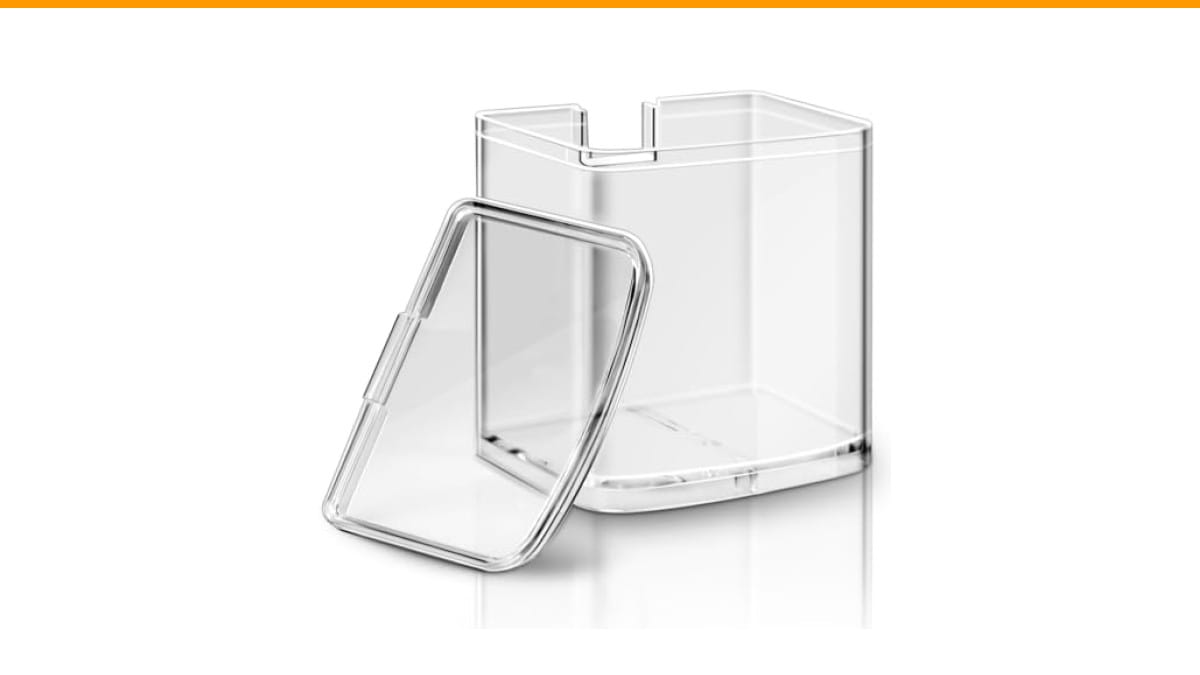
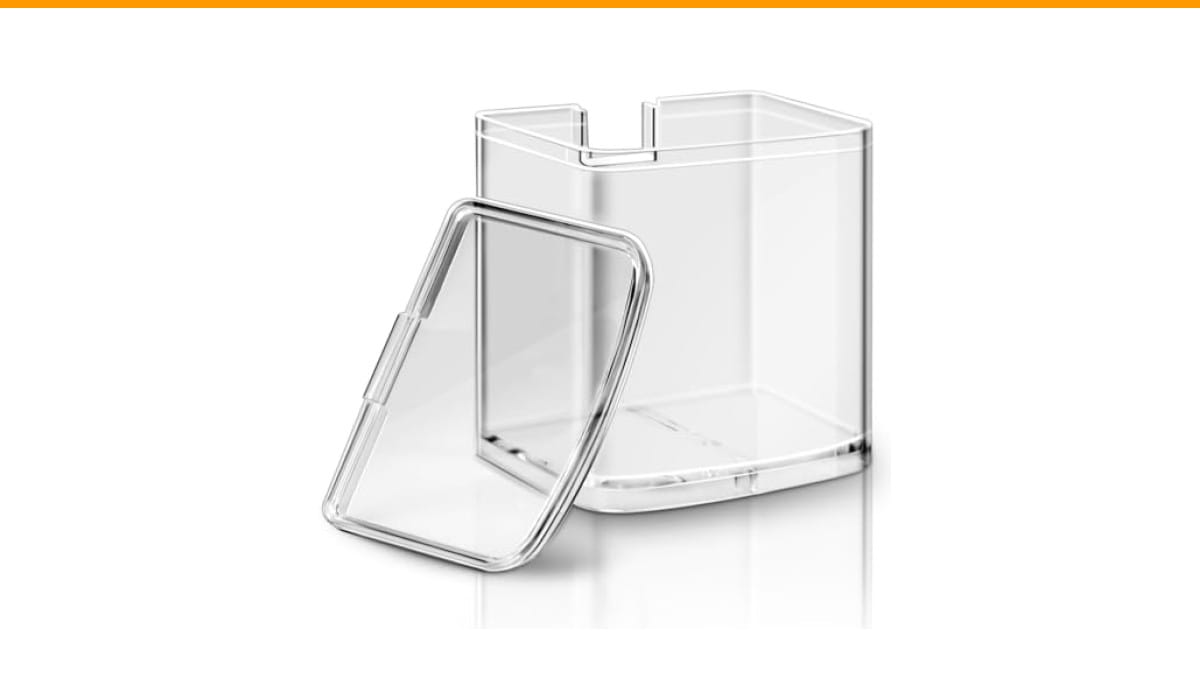
DBM-8GC Grind Chamber With Lid for Cuisinart…
- Fits for Cuisinart Burr Coffee Grinder Parts- Part Number DBM-8GC, this grind chamber with lid is compatible with Cuisinart coffee…
- Storage Function - This replacement coffee grind chamber is ideal for storing coffee grounds, effectively replacing worn or cracke…
- Premium Material - Crafted from lightweight and durable polystyrene(PS) material, this food processor parts for Cuisinart automati…
As an Amazon Associate I earn from qualifying purchases.
Most combo units fail for boring reasons: stale coffee oils, hard water scale, or a small piece of bean stuck in the wrong place. None of those require a technician. What they require is a logical approach and a few basic tools. You will have both by the end of this article.
If your grinder chamber is cracked or the lid no longer seals, that is a common culprit for grounds spilling into the mechanism. A replacement like the DBM-8GC Grind Chamber With Lid for Cuisinart Burr Coffee Grinder DBM-8P1 from ERETOW fits Cuisinart DBM-8P1 models and solves exactly that issue. It is a direct swap—no tools needed—and the transparent plastic lets you see the beans churning, which helps you spot jams early.
Start With the Grinder: Jammed Burrs and Clogged Chutes
The grinder is where most combo machines fail first. The reasons are mechanical. Whole beans carry tiny rocks and debris. A single pebble can stop a burr set cold. Even without rocks, oily dark roasts can coat the burrs and the chute, making the grounds stick and pack into a hard cake.
Before you do anything else, unplug the machine. Then remove the hopper and the grind chamber. Look at the burrs. If you see coffee residue packed between the cutting teeth, that is your problem. Use a stiff brush—a clean toothbrush works—to sweep the burrs clean. Run the brush in the direction of the teeth, not against them.
Check the chute that carries grounds from the burrs to the brew basket. This tube is narrow, often less than half an inch wide. It clogs easily with oily grounds. Use a pipe cleaner or a straightened paper clip to push through it. You will likely pull out a dark, compacted plug of coffee. That plug was your issue.
One thing I have learned in testing: the grind size setting matters more than people think. If you set the grinder to its finest setting for espresso but your machine is a drip brewer, the fine grounds will clog the chute and the basket. Use a medium grind for drip. It flows better and brews faster.
Water Flow Problems: Weak Coffee and Long Brew Times
If the grinder works but the coffee tastes weak, or the brew cycle takes twice as long as it should, the water path is restricted. Scale from hard water is the number one cause. It builds up inside the boiler tube and the spray head, reducing water flow to a trickle.
You can test this easily. Run a brew cycle with no coffee and no filter. Time how long it takes to produce one cup of water. A healthy machine should deliver about 4 ounces in 30 to 45 seconds. If it takes over a minute, you have a scale problem.
Descaling is the fix. Use a commercial descaler or a 50/50 white vinegar and water solution. Run a full cycle with the solution, then run two full cycles with clean water. This dissolves the calcium carbonate. I have revived machines that were minutes away from the trash this way. It is the single most effective maintenance step for any coffee maker.
For a deeper clean, especially if you have never done it, read our guide on coffee maker cleaning. The process takes about 20 minutes and prevents most flow issues from ever starting.
If descaling does not restore flow, check the spray head on top of the brew basket. It has small holes that clog with scale particles. Remove it and soak it in vinegar for 30 minutes. Poke each hole with a pin to clear them.
Electrical and Control Issues: Flashing Lights and Dead Buttons
Sometimes the machine does not even try to grind or brew. It just flashes a light or beeps. That usually points to a safety interlock or a sensor issue, not a dead motor.
Most combo machines have a small switch that detects whether the carafe is in place and whether the grind chamber is locked. If either switch is not engaged, the machine refuses to start. Check the carafe. Is it seated fully on the warming plate? Is the lid on the carafe pushed down? A carafe that is a quarter-inch off its mark will stop the machine.
The grind chamber lock is another common failure. The chamber twists into place and trips a microswitch. If the chamber is cracked or warped, it may not twist far enough. This is where a replacement part like the ERETOW DBM-8GC chamber helps. The new chamber has a fresh locking tab that engages the switch properly. If your old chamber is the problem, swapping it takes ten seconds and fixes the flashing light instantly.
If both switches are fine and the machine still flashes, look at the control board. A power surge can scramble it. Unplug the machine for ten minutes to reset it. Plug it back in and try again. This clears most transient errors. If the light persists, the board is likely fried and the machine is probably not worth repairing—a board replacement often costs more than a new unit.
For Cuisinart-specific light issues, our guide on flashing lights covers the common error codes and their fixes in detail.
Grinder Performance: Inconsistent Grind and Slow Output
You might notice the grinder sounds different. It used to whir at a steady pitch. Now it stutters or takes twice as long to grind the same amount of beans. That is a sign of dull burrs or a slipping drive gear.
Burrs wear out. It is a fact of life. A typical home burr set lasts for 500 to 800 pounds of coffee, which sounds like a lot until you realize a pound a week adds up in a few years. Dull burrs produce a mix of fine powder and large chunks. That uneven grind makes bitter, over-extracted coffee with sour notes. If your grind looks like a gravel road, the burrs are done.
You can replace burrs on many machines. Check your model’s manual for the burr part number. Replacement burrs cost between $15 and $40. If your machine is over five years old, the cost of new burrs plus a new grind chamber might approach half the price of a new machine. At that point, weigh the repair against a replacement.
If the grinder makes a clicking noise but does not turn, the drive gear is stripped. This gear connects the motor to the burrs. It is often made of plastic and breaks when a hard object jams the burrs. You can sometimes replace this gear, but it is a fiddly repair that requires disassembling the motor housing. Only attempt it if you are comfortable with small screws and ribbon cables.
Regular maintenance prevents most of these issues. Clean the burrs monthly and run a grinder cleaning cycle with rice or grinder tablets to absorb oils. This keeps the burrs sharp and the chute clear.
Comparison: Repair vs. Replace vs. Buy a Separate Grinder
When your combo machine acts up, you have three paths. Here is how they compare.
| Option | Cost Range | Time to Fix | Best For | Downside |
|---|---|---|---|---|
| DIY Repair (descaling, cleaning, part swap) | $0 to $40 | 15 minutes to 1 hour | Machines under 3 years old with a single clear issue | Does not fix a failing motor or pump |
| Professional Service | $80 to $150 | 3 to 7 days | High-end machines worth over $300 | Cost often exceeds the machine’s value |
| Replace with New Combo Unit | $150 to $400 | Immediate | Machines over 5 years old with multiple failures | New machine may have the same design flaws |
| Buy Separate Grinder + Drip Maker | $100 to $250 | Immediate | Anyone who wants better coffee and easier troubleshooting | Takes up more counter space |
My honest take: if your combo machine is under three years old and the issue is a cracked chamber or a clog, fix it. The replacement part is cheap and the repair takes minutes. If the machine is older and the motor sounds weak, do not sink money into it. Buy a separate burr grinder and a simple drip machine. You will get better coffee and each unit is easier to maintain than any combo.
Frequently Asked Questions
Why does my coffee maker with grinder stop mid-cycle?
This is almost always a thermal overload or a jam. If the grinder jams on a hard bean or a pebble, the motor draws too much current, heats up, and trips a thermal switch. The machine stops to protect itself. Let it cool for 30 minutes. Clear the burrs and the chute, then try again. If it stops at the same point every time, you have a clog in the brew basket or the water line, not a grinder issue.
Can I put pre-ground coffee in a combo machine?
Yes, most machines have a bypass setting or allow you to turn off the grinder. Check your manual. If you use pre-ground, skip the grind chamber and add the grounds directly to the filter basket. This avoids the chute entirely and prevents clogs from fine grounds. It also means you do not have to clean the burrs as often.
How often should I clean the grinder burrs?
Every two to four weeks if you brew daily. Oily beans require more frequent cleaning. Run a quarter cup of dry rice or commercial grinder cleaner through the burrs, then wipe them with a dry brush. This removes the oils that turn rancid and make your coffee taste stale. It also prevents the chute from clogging.
Why is my coffee bitter even with a clean machine?
Bitter coffee usually means over-extraction. Your grind is too fine or your brew time is too long. If your machine has a programmable strength setting, you may have it on the strongest setting, which extends the contact time. Try a coarser grind and a shorter brew cycle. Also check the water temperature—if it is too hot, above 205°F, it scalds the grounds and releases bitter tannins.
Is it worth repairing a five-year-old combo coffee maker?
Usually no. The plastic gears and seals wear out together. Fixing one part often reveals another failure a month later. Unless the machine is a high-end model with metal burrs and a brass boiler, the repair cost will likely exceed the value. Put the money toward a new machine or a separate grinder and brewer setup. You will get better results and fewer headaches.
What to Do Next: A Quick Action Plan
You have read the details. Here is a short list to get your machine running again.
- Unplug the machine and remove the hopper, grind chamber, and brew basket.
- Inspect the burrs for debris and brush them clean.
- Clear the chute with a pipe cleaner or paper clip.
- Run a descaling cycle with vinegar or a commercial descaler.
- Check the carafe and chamber interlocks are engaged.
- Replace a cracked or warped grind chamber with a compatible part like the DBM-8GC from ERETOW.
- Reset the machine by unplugging it for ten minutes.
If none of those steps work, your machine has a deeper issue—likely the motor, pump, or control board. Stop troubleshooting and start shopping. A combo machine that fails after a full diagnostic is not worth more time. The counter space is better used by a separate grinder and a reliable drip brewer.
Products related to this article
Sponsored / affiliate links. As an Amazon Associate I earn from qualifying purchases. I may earn additional commission from eligible campaigns.
 HomeBeyond Espresso Coffee Maker 12 Cups, Classic Stovetop Espresso Maker, 600ml / 20oz Coffeemaker for Gas & Ceramic Stovetops (Silver)
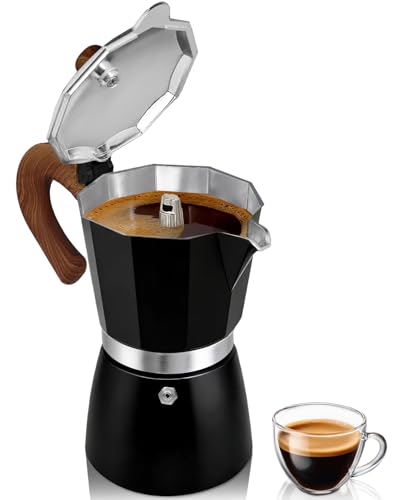 Belly Moka Coffee Maker Stovetop Espresso Maker 9 Cup Aluminum Moka Pot Percolator 15oz 450ml Easy Brewing for Electric Ceramic Stoves Home Camping Italian Cuban Café Classic Black
 Belly Moka Coffee Maker Stovetop Espresso Maker 6 Cup Aluminum Moka Pot Percolator 10oz 300ml Easy Brewing for Electric Ceramic Stoves Home Camping Italian Cuban Café Classic Silver