You bought a gooseneck kettle for precision, but last week your pour-over tasted flat. You opened the lid and saw it: a chalky white ring around the heating element, maybe some floating flakes in the water. That’s limescale, and it’s not just ugly. It insulates the heating element, makes the kettle work harder, and can leave a metallic or mineral flavor in your coffee.
Most people clean their kettle twice a year, which is about six times too few. The right frequency depends on two things: how often you brew and how hard your water is. This article gives you a straight maintenance calendar, not a vague rule. You’ll know exactly what to do daily, weekly, monthly, and quarterly, and you’ll learn how to test your water hardness so you can adjust the schedule to your home.

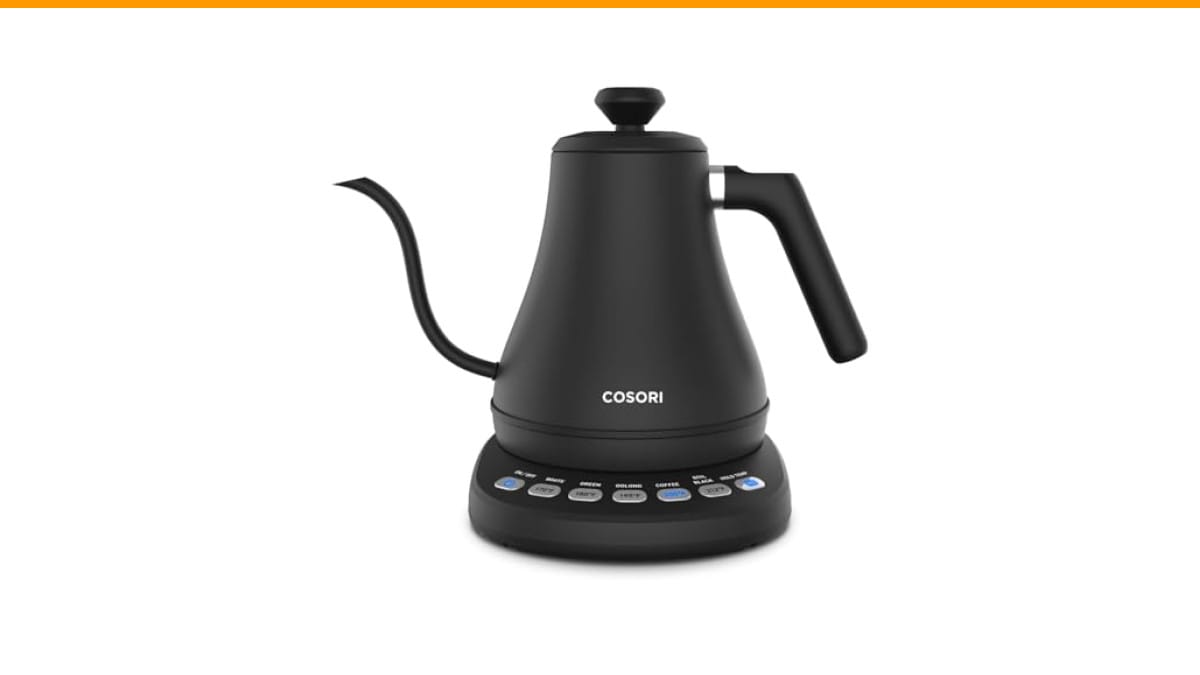
Cosori
Cosori Gooseneck Electric Kettle with Temperature Control,…
- 5 𝑶𝑵𝑬-𝑻𝑶𝑼𝑪𝑯 𝑷𝑹𝑬𝑺𝑬𝑻𝑺: Your Gooseneck Electric Kettle features 5 precise temperature presets. These accurate presets make brewing co…
- 1-𝑯𝑶𝑼𝑹 𝑲𝑬𝑬𝑷 𝑾𝑨𝑹𝑴: Use the HOLD TEMP function to keep the contents of your kettle warm for up to 1 hour so that you can enjoy your…
- 𝑬𝑹𝑮𝑶𝑵𝑶𝑴𝑰𝑪 𝑫𝑬𝑺𝑰𝑮𝑵: Refined ergonomic design allows for precise water flow control for perfect pour-over brewing
As an Amazon Associate I earn from qualifying purchases.
If you don’t own a gooseneck kettle yet, the Check Price on Amazon is a solid choice for this routine. Its 304 stainless steel interior and narrow spout are easy to descale, and the temperature presets mean you’ll actually use it daily. A kettle you use every day needs a cleaning rhythm you can remember.
The Short Answer: How Often is ‘Often’?
Here’s the schedule you can put on the fridge. Adjust the monthly and quarterly tasks based on the water hardness test below.
- Daily: Empty any leftover water, rinse the interior, wipe the rim. 30 seconds.
- Weekly: Wipe down the exterior and the spout with a damp cloth. Check for drips or residue.
- Monthly: Descaling with white vinegar or citric acid. This handles normal mineral buildup.
- Quarterly (or every 3 months): Heavy-duty descale for hard water, plus a deep clean of the lid gasket and spout interior.
If you have soft water and only brew once a day, you can stretch the monthly descale to every six weeks. If you have hard water and brew four times a day, you might need to descale every two weeks. The schedule is a starting point, not a law.
Why Scale is Your Kettle’s Worst Enemy
When water heats, dissolved minerals—mainly calcium and magnesium—precipitate out and stick to surfaces. The heating element in an electric kettle gets the worst of it because it’s the hottest part. A layer of scale acts like a blanket, trapping heat inside the element instead of transferring it to the water. Your kettle takes longer to boil, uses more electricity, and the element can overheat and burn out.
Scale also changes your water chemistry. Those white flakes don’t stay put. They break off and float in your brew water, adding a chalky, bitter note to coffee and tea. If you’ve ever wondered why your coffee tastes different after a month of using the same kettle, this is usually the culprit. The narrow gooseneck spout makes it worse because you can’t see inside it, and mineral deposits build up where your pour stream comes out.
There’s also a hygiene angle. A warm, damp kettle interior is a decent breeding ground for bacteria and mold, especially if you leave water sitting in it overnight. The lid gasket and the seam where the spout meets the body are prime spots for gunk. That’s why the daily rinse matters, not just the monthly descale.
The 30-Second Daily Rinse Routine
You don’t need soap or chemicals for this. After you finish your morning brew, do this:
- Pour out any remaining water. Don’t leave it sitting for hours.
- Fill the kettle about a third full with fresh tap water, swish it around, and pour it out.
- Wipe the rim and the inside of the lid with a dry paper towel.
- Leave the lid open for a few minutes so the interior can air dry.
That’s it. Thirty seconds, and you prevent the vast majority of scale and mold problems. The key is not letting water evaporate inside the kettle, which leaves the minerals behind. This daily habit means your monthly descale will be quicker and less gross. It’s the same logic as rinsing a coffee mug immediately instead of scrubbing dried-on residue later.
The Weekly Exterior and Spout Wipe-Down
Your kettle’s exterior collects fingerprints, coffee splatters, and dust. A dry or slightly damp microfiber cloth handles most of it. Don’t use abrasive scrubbers, because they’ll scratch the finish and give grime a place to hide. For the spout, use a cotton swab or a pipe cleaner dipped in warm water. Run it through the spout opening to catch any dried coffee residue or mineral dust that accumulated during the week.
Pay attention to the area where the spout meets the lid. Condensation drips there, and if you brew dark roasts, you might see a thin brown film. Wipe that seam weekly. Also check the base and the electrical contacts. Wipe them with a dry cloth to remove dust, but never submerge the base in water. The base has electronics that will short out if they get wet.
If you have the Cosori model, the exterior is a matte finish that shows smudges easily. A quick wipe weekly keeps it looking decent. It’s not a big job, but it’s the difference between a kitchen tool that looks cared for and one that looks neglected.
The Monthly Deep Clean (Vinegar Method)
Once a month (or every six weeks for soft water), you need to dissolve the scale that the daily rinse can’t touch. White vinegar is the cheapest and most reliable option. It’s a weak acid, so it dissolves calcium carbonate without damaging stainless steel. Don’t use bleach or harsh chemical descalers; they can corrode the metal and leave residues that end up in your coffee.
Step-by-Step Vinegar Descaling
- Mix one part white vinegar with two parts water. Fill the kettle to about the halfway mark. Don’t overfill, or it will boil over.
- Bring the mixture to a boil. If your kettle has a temperature setting, use the highest one.
- Turn the kettle off and let the solution sit for 15-20 minutes. You’ll hear it fizzing as the acid works on the scale.
- Pour out the vinegar solution. It will look cloudy or have white flakes in it. That’s the scale leaving.
- Fill the kettle with fresh water, boil it, and pour it out. Repeat this rinse cycle twice to remove any vinegar taste.
The first time you do this, you might need to repeat the process if the scale is thick. A soft cloth can help wipe away loosened deposits on the interior walls. Don’t use a metal brush or steel wool; they’ll scratch the stainless steel surface and create spots where scale grabs hold more easily.
The Citric Acid Alternative
If you dislike the smell of vinegar, food-grade citric acid powder works just as well. Use about one to two tablespoons per liter of water. Dissolve the powder in warm water before pouring it into the kettle, then follow the same boil-and-soak steps. Citric acid is actually what many commercial descalers use, and it leaves no odor behind. It’s slightly more expensive than vinegar but still costs pennies per cleaning. You can find it in the canning section of most grocery stores.
After descaling, the interior should look bright and clean. If you still see white spots, you didn’t leave the solution in long enough or your water is very hard. That’s when you move to the quarterly heavy-duty routine.
The Quarterly Heavy-Duty Descale (For Hard Water)
If you live in an area with hard water, the monthly descale might not be enough. You’ll know because scale reappears quickly, sometimes within a week. Here’s a simple test: fill a clear glass with tap water and add a few drops of liquid soap. Shake it. If the water looks milky with lots of suds, you have soft water. If it looks clear with few suds, you have hard water. Another sign is white residue on your faucets or shower glass.
For hard water, do a heavy-duty descale every three months. Use a stronger vinegar ratio—one part vinegar to one part water—or double the citric acid concentration. Let the solution sit for 30-45 minutes instead of 15. If you have a kettle with a keep-warm function, you can use it to hold the solution at a low temperature for a longer soak, which helps dissolve stubborn scale without repeated boiling.
After the soak, use a non-abrasive sponge or a soft bottle brush to gently scrub the interior and the heating element. You’ll see flakes come off. Rinse thoroughly with fresh water, boil, and rinse again. This deep clean also gives you a chance to inspect the heating element for any damage. If you see pitting or corrosion, that’s a sign the element is failing, and you might need a new kettle.
How to Clean the Narrow Spout and Lid Gasket
The gooseneck spout is the hardest part to clean because you can’t reach inside it. Over time, mineral scale and coffee oils build up inside the curve, narrowing the opening and affecting your pour stream. A clogged spout dribbles instead of pouring a steady stream, which ruins your pour-over technique.
For the spout, use a pipe cleaner or a thin bottle brush. Dip it in vinegar or citric acid solution and run it through the spout several times. Let the solution sit in the spout for a few minutes, then run a clean, wet pipe cleaner through to rinse. If you have a kettle with a removable spout filter, soak that in the vinegar solution separately and rinse it well.
The lid gasket is another trouble spot. It’s the rubber or silicone ring that seals the lid. Mold can grow in the crevice where the gasket meets the metal, especially if you store the kettle with the lid closed. To clean it, remove the gasket if it’s removable. Wash it in warm soapy water, then wipe the lid’s inner rim with a vinegar-dampened cloth. Let everything air dry completely before reassembling. If the gasket is not removable, use a cotton swab dipped in vinegar to get into the seam.
What NOT to Do (Common Mistakes)
People ruin kettles with good intentions. Here’s the list of avoidable errors.
- Never submerge the base in water. The base contains the heating element and electronics. Wipe it with a damp cloth, but never dunk it or run it under a faucet.
- Don’t use abrasive scrubbers. Steel wool, scouring pads, and harsh brushes scratch the stainless steel. Scratches become homes for bacteria and scale.
- Don’t use bleach or strong chemical descalers. They can corrode the metal and leave toxic residues. Stick to vinegar or citric acid.
- Avoid boiling dry. Running the kettle with no water can overheat and damage the heating element permanently. Always check the water level before turning it on.
- Don’t ignore the warranty. Some manufacturers void warranties if you use certain descalers. Check your manual. Vinegar and citric acid are generally safe, but it’s worth a quick look.
- Don’t let water sit for days. Stagnant water promotes bacterial growth and makes scale harder to remove. Empty the kettle after each use.
Maintenance Schedule at a Glance
| Frequency | Task | Time Needed | Best For |
|---|---|---|---|
| Daily | Empty, rinse, wipe rim, air dry | 30 seconds | Everyone |
| Weekly | Wipe exterior and spout, check base | 2 minutes | Everyone |
| Monthly | Descale with vinegar or citric acid | 30 minutes | Soft to medium water |
| Every 2 weeks | Descale | 30 minutes | Hard water, heavy use |
| Quarterly | Heavy-duty descale, clean lid gasket and spout interior | 45 minutes | Hard water or visible scale |
Print this table or save it to your phone. The exact day of the month doesn’t matter, but the consistency does. Pick a day that’s easy to remember, like the first Sunday, and make it part of your routine.
Frequently Asked Questions
Can I use baking soda to clean my electric gooseneck kettle?
Baking soda is a mild abrasive, so it can help with stubborn stains on the exterior. For descaling the interior, it’s not effective. Baking soda is alkaline, and limescale is alkaline too. It won’t dissolve the scale. Stick with vinegar or citric acid for the inside. Baking soda is fine for a paste to scrub the outside if you have dried-on residue.
Will descaling with vinegar damage the stainless steel or the heating element?
No, not if you use the right dilution. A 1:1 or 1:2 vinegar-to-water ratio is safe for 304 stainless steel. The acid is weak and doesn’t corrode the metal at that concentration. The bigger risk is leaving the solution in for hours or using a stronger acid. Follow the recommended soak times, and you’re fine.
How do I know if my water is hard enough to require more frequent cleaning?
Use the soap test described above, or check your local water quality report. Most municipal water suppliers publish hardness data online. You can also buy a cheap water hardness test strip. If your water is above 7 grains per gallon, plan on descaling every two to three weeks.
Can I run vinegar through the spout to clean it without disassembling anything?
Yes. Fill the kettle with the vinegar solution, heat it, and let it sit. Then pour the solution out slowly through the spout. The hot liquid will pass through the spout and dissolve some scale. For a thorough clean, follow up with a pipe cleaner. This method works well for the Cosori model because the spout is narrow but accessible.
Is it safe to use the keep-warm function during descaling?
It’s safe, but not necessary. The keep-warm function holds water at a lower temperature, which can help the acid work without boiling. If your kettle has a hold-temp feature, you can set it to around 140°F and let the solution soak for 30 minutes. Just make sure you don’t leave it unattended for hours, and always rinse thoroughly afterward.
Final Verdict: Consistency Beats Intensity
A clean gooseneck kettle isn’t about one heroic deep clean. It’s about a habit. The daily rinse takes less time than brushing your teeth, and it saves you from scrubbing thick scale later. The monthly descale is a 30-minute investment that protects a $50-100 appliance and keeps your coffee tasting like it should.
- Rinse daily, wipe weekly, descale monthly, deep clean quarterly.
- Test your water hardness once to set your schedule. Hard water means more frequent descaling.
- Use white vinegar or citric acid, never bleach or chemical descalers.
- Clean the spout and lid gasket every few months to prevent mold and clogged pours.
- Never submerge the base or use abrasive scrubbers.
- If you’re also dealing with scale in your coffee maker, the same vinegar method applies. Check our guide on cleaning coffee makers for the wider picture.
- And if your steam wand on your espresso machine is clogged, the cleaning approach is different. Read our steam wand guide to avoid dairy buildup ruining your microfoam.
Your kettle will last longer, heat faster, and your pour-over will taste cleaner. That’s the whole point. Set a reminder on your phone for the first of each month, and you’ll never have to guess again.
Products related to this article
Sponsored / affiliate links. As an Amazon Associate I earn from qualifying purchases. I may earn additional commission from eligible campaigns.