Your milk won’t froth. The steam wand sputters like a dying garden hose. Or worse, the machine flashes red lights and refuses to brew. You’re not alone — this is the most common set of complaints from home espresso machine owners, and most of them are fixable in under ten minutes with zero tools.
This guide walks through the real-world failures that happen with espresso machines that have a steam wand, from weak pressure to overheating protection mode. You’ll learn exactly what to check, in what order, and how to tell whether the fix is simple or whether you need to call for service. No vague advice — just concrete steps you can run through right now.

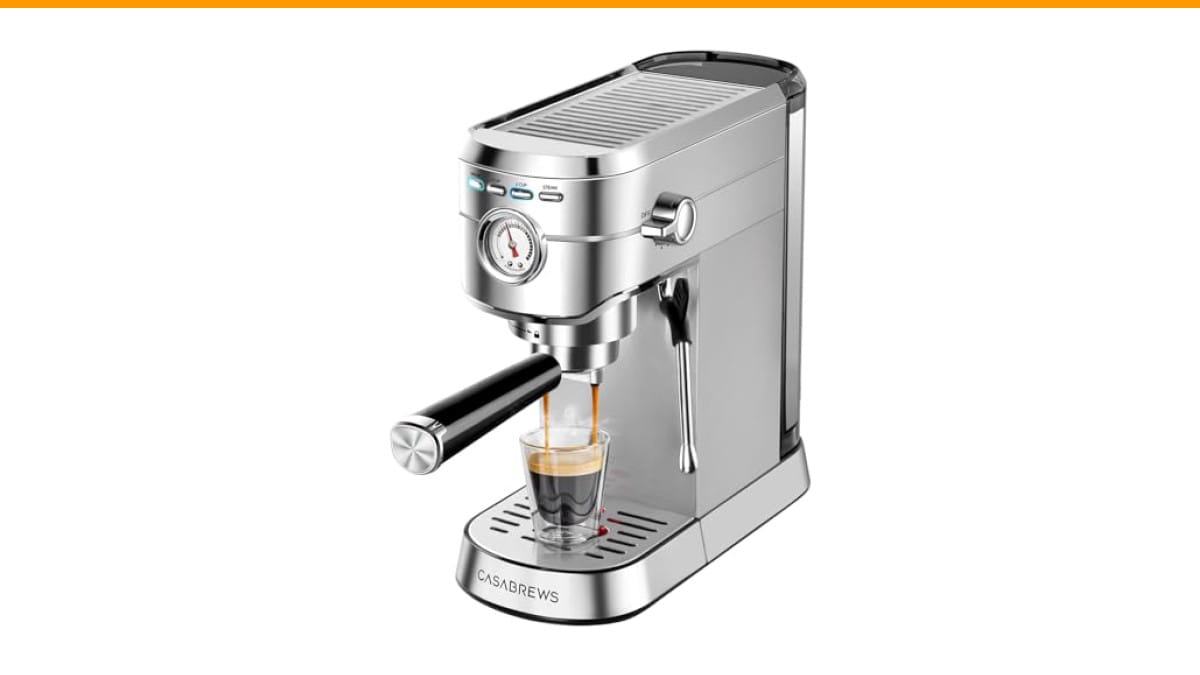
CASABREWS
CASABREWS CM5418 Compact Espresso Machine with Milk…
- Make Your Favorite Espresso Coffee At Home: The CASABREWS coffee machine with milk frother allows you to prepare all your favorite…
- Professional 20 Bar Pressure System: Semi-Automatic 2-in-1 Espresso Maker, with 20 bar professional Italian pump and 1350 W powerf…
- Milk Frothing System: Our espresso machine with milk frother has a powerful steam wand, so you can texture creamy, rich microfoam…
As an Amazon Associate I earn from qualifying purchases.
If you’re shopping for a machine that avoids some of these headaches altogether, the CASABREWS CM5418 is a solid semi-automatic option with a 20-bar Italian pump and a dedicated steam wand. Its detachable 34 oz water tank makes cleaning and refilling easier than most machines in its class, and the built-in pressure gauge gives you a real-time read on extraction. It’s not perfect — no machine at this price is — but it handles the basics well.
Why Your Steam Wand Produces Weak or No Froth
Weak steam is almost always a pressure problem. The steam wand needs enough boiler pressure to force air into the milk. If the pressure gauge sits below the steam zone, or if steam comes out in a slow dribble, check these three things in order.
First, check the steam wand tip. Milk residue builds up inside the tiny hole at the tip and restricts flow. Remove the tip (most unscrew by hand), soak it in hot water with a drop of dish soap for five minutes, then poke the hole clear with a paperclip. Rinse and reattach. This fixes about 40% of weak steam issues.
Second, verify the machine reaches full temperature. Most machines need 30 to 60 seconds after turning on the steam function before the boiler hits the right temperature. If you start frothing too early, you get weak steam. Wait until the steam light stops blinking and stays solid. That’s your cue.
Third, check the wand position. The tip should sit just below the milk surface, angled slightly toward the side of the pitcher. If it’s too deep, you get no air; too shallow, you get giant bubbles that collapse. Tilt the pitcher about 20 degrees and lower the wand until the tip is just under the surface. You should hear a gentle hissing — that’s air being drawn in.
If all three checks pass and the steam is still weak, the machine’s pump may be failing or the boiler may have scale buildup. Descaling instructions here will walk you through the process, but expect this to take 30 minutes plus a descaling solution.
Milk Frother Makes Loud Noise or Sputters
A sputtering steam wand sounds worse than it is. The cause is almost always water in the steam line. When the machine sits idle, condensation collects in the wand. The first burst of steam pushes this water out, which causes spitting and irregular steam flow.
The fix is simple: purge the wand before you froth. Place a towel under the wand, turn the steam on for 3 to 5 seconds, and let the water blast out. You’ll see a mix of steam and water splatter. Once the output is pure steam, turn it off, and you’re ready to froth.
If purging doesn’t help, check the steam wand for a partial blockage. Use the paperclip trick from above. Also inspect the wand’s swivel joint — if it’s loose, air gets sucked in and disrupts the steam flow. Tighten it gently with a wrench, but don’t overtighten; the plastic threads strip easily on budget machines.
One more cause: the milk pitcher is too small. A pitcher that’s under 12 oz doesn’t give the wand enough depth to work with. Use a pitcher that’s at least 20 oz for steaming, even if you’re only frothing enough milk for a single latte. The extra room prevents splashing and gives you better control.
Machine Won’t Brew or Flashing Lights After Frothing
This is the most frustrating issue, and it’s especially common on machines like the CASABREWS CM5418. You froth your milk, then try to brew a shot, and the machine refuses. The lights for the 1-cup or 2-cup button flash repeatedly, and nothing happens.
This is overheating protection, not a malfunction. The boiler temperature after steaming is far above the ideal brewing temperature. The machine locks out brewing until it cools down. Most machines need 2 to 5 minutes to cool, but you can speed this up.
Here’s the fastest way to reset it:
- Turn the machine off and unplug it.
- Remove the portafilter and empty it.
- Place a cup under the group head.
- Wait 60 seconds, then plug the machine back in.
- Turn it on and run a blank shot (no coffee) with just water through the group head.
- Let the water run until the flashing stops.
The blank shot pulls cool water through the boiler, which drops the temperature faster than waiting. If the lights still flash after this, check the water tank level. Many machines refuse to brew if the tank is below the minimum fill line, and the indicator light flashes to tell you.
To avoid this issue entirely, change your workflow. Brew the espresso shots first, then steam the milk. The machine is designed to handle that order. If you must steam first, wait 3 to 4 minutes before brewing. The flashing light troubleshooting guide covers similar issues for pod machines, but the cooling principle is the same.
Water Leaks From the Bottom or Around the Portafilter
Leaks have two common sources, and they require different fixes.
Leak around the portafilter: This is almost always a worn group head gasket. The rubber seal that sits inside the group head degrades over time, especially if you leave the portafilter locked in when the machine is hot. Replace the gasket — they cost a few dollars and take about two minutes to swap. Remove the old one with a flathead screwdriver, push the new one in, and lock the portafilter in and out a few times to seat it.
Leak from the bottom of the machine: This is usually a loose internal fitting or a cracked water line. Check the drip tray first — if it’s full, it can overflow and look like a leak. Empty it and dry the bottom of the machine, then run a brew cycle and watch where the water appears. If it’s coming from the base, you’ll need to open the case and tighten the fittings. Only do this if the machine is unplugged and you’re comfortable with basic appliance repair. Otherwise, call a technician.
A less common cause is overfilling the water tank. Most tanks have a max fill line. Exceeding it causes water to back up into the machine’s internal reservoir and leak out. Fill to the line, not above it.
Comparing Common Fixes by Symptom
Here’s a quick reference table for the most frequent issues. Use it to narrow down your problem before you start taking things apart.
| Symptom | Likely Cause | Fix | Time |
|---|---|---|---|
| Weak steam | Clogged wand tip | Soak and clean tip with paperclip | 5 min |
| Sputtering steam | Condensation in wand | Purge wand for 3-5 seconds | 1 min |
| Flashing lights after frothing | Overheating protection | Run blank shot to cool boiler | 3 min |
| Leak around portafilter | Worn group head gasket | Replace gasket | 10 min |
| Leak from bottom | Loose internal fitting | Tighten fittings or call service | Varies |
| No froth at all | Milk too warm or too cold | Use cold milk (35-40°F) | 1 min |
One thing worth noting: milk temperature matters more than most people think. Whole milk straight from the fridge at 38°F froths beautifully. Milk that’s sat on the counter for 30 minutes won’t. Start cold, and stop frothing when the pitcher feels warm to the touch — around 140°F. Past that, the foam breaks down and the milk scalds.
Frequently Asked Questions
Why does my espresso machine flash lights after I steam milk?
That’s the overheating protection kicking in. The boiler is too hot to brew espresso safely, so the machine locks the brew function. Unplug for 60 seconds, run a blank shot of water through the group head, and the lights should stop flashing. Wait 3 to 4 minutes before brewing to be safe.
How often should I descale my espresso machine with a milk frother?
Every 2 to 3 months if you use filtered water, monthly if you use tap water. Hard water builds scale faster, and scale clogs the steam wand and boiler. If you notice weak steam or longer brew times, descale sooner. Use a citric acid-based descaler — vinegar works but leaves a smell that lingers in the milk frother.
Can I use any milk to froth, or does it need to be whole milk?
Whole milk gives the best microfoam because it has the right balance of protein and fat. But 2% works fine, and oat milk froths surprisingly well if you use the barista version. Skim milk produces big, stiff bubbles that collapse fast. Almond milk is the hardest to froth — it separates easily and doesn’t hold foam.
Why does my milk taste burnt after frothing?
You overheated it. Milk scalds above 150°F, and the proteins denature, leaving a cooked taste. Stop frothing when the pitcher is warm but not hot — about 140°F. If you don’t have a thermometer, touch the side of the pitcher. When you can hold your hand on it for 3 seconds without discomfort, you’re there.
Is it normal for the steam wand to leak a few drops after use?
Yes. Residual steam condenses in the wand and drips out. Wipe the wand with a damp cloth after each use, then purge it for 1 second to clear the line. If it leaks continuously, the steam valve may be worn, and that’s a repair job. But a few drops after steaming is completely normal.
What to Remember When Things Go Wrong
Most espresso machine problems are not mechanical failures. They’re user errors, buildup issues, or simple wear on cheap parts. Before you panic or ship the machine back, run through these checks.
- Always purge the steam wand before frothing — 3 seconds of steam clears condensation and prevents sputtering.
- Brew your espresso first, then steam milk. This avoids the overheating lockout entirely.
- Clean the steam wand tip after every session. Milk residue hardens and blocks the hole within a week.
- Use cold milk straight from the fridge. Warm milk won’t froth properly, no matter how good your machine is.
- Descale every 2 to 3 months. Scale is the silent killer of steam pressure and brew temperature.
- Replace the group head gasket at the first sign of a portafilter leak. It’s a $5 part and a 10-minute job.
- When in doubt, run a blank shot of hot water through the group head. It clears debris and resets the thermal state of the machine.
If you’ve tried these fixes and the machine still misbehaves, check the noise troubleshooting guide for pump-related issues, or the leak diagnosis guide for more on water path problems. And if you’re using a machine like the CASABREWS CM5418, its removable water tank and accessible steam wand make most of these fixes easier than on sealed units.
The best habit you can build: clean as you go. Wipe the wand, empty the drip tray, and run a blank shot after each session. That routine prevents 80% of the issues described here. Your future self, at 7 AM on a Tuesday, will thank you.
Products related to this article
Sponsored / affiliate links. As an Amazon Associate I earn from qualifying purchases. I may earn additional commission from eligible campaigns.
 Coffee Espresso Machine Handle Replacement Parts, Cafe Bracket Handle for Lidl Silvercrest CM4621 CM4218 KF5002 KF500S Barista (for 51mm Portafilter Basket - Not included)
 Linnkyfloa Coffee Espresso Maker Handle Replacement for Stovetop Moka Pot or Percolator, Black Plastic for Spare Part Compatible with Italian(9-12 Cup)
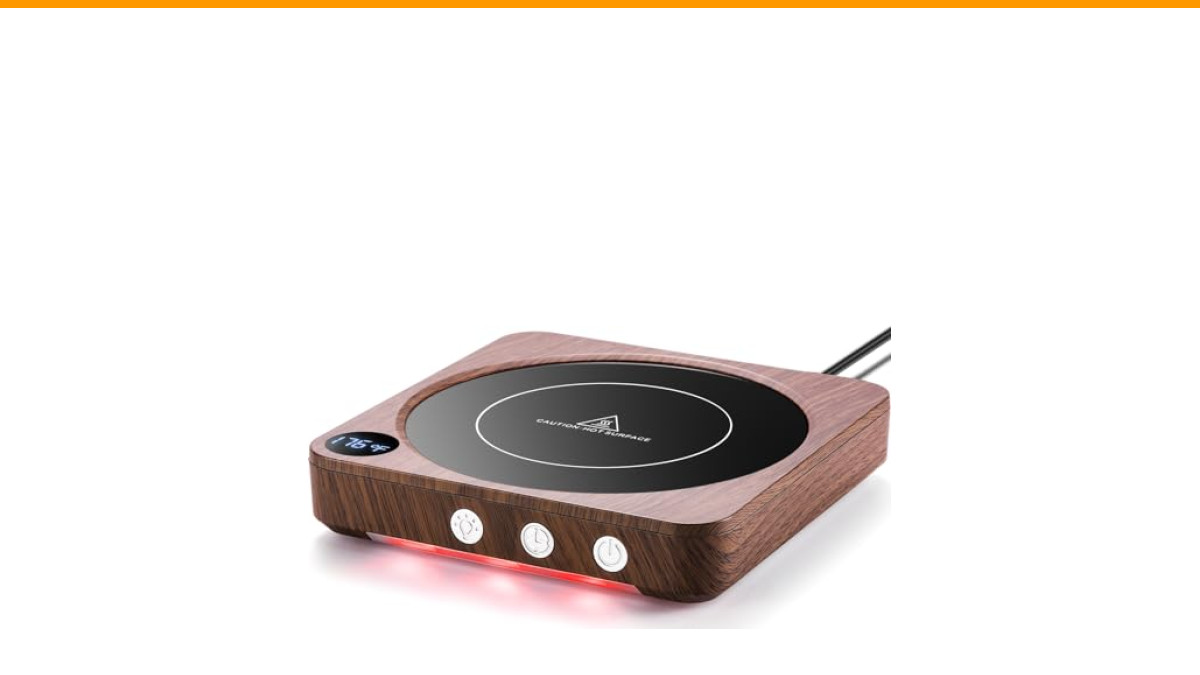
 Quick Heating Cup Warmer, Three Temperature Settings, Splashproof and Portable, for Coffee, Milk, Lightweight ABS Material