It’s 7 AM, you pop in a pod, press brew, and nothing happens. Or the machine sputters, produces a weak stream, and then goes silent. Every single-serve coffee maker owner has been there. The good news: most problems are fixable at home without a service call.
This guide walks you through the most common failures, what causes them, and exactly how to fix each one. You’ll learn how to troubleshoot a single serve coffee maker step by step, from a quick descale to clearing a clogged needle. By the end, you’ll know when a simple fix works and when it’s time to replace the machine.

IMPRESA
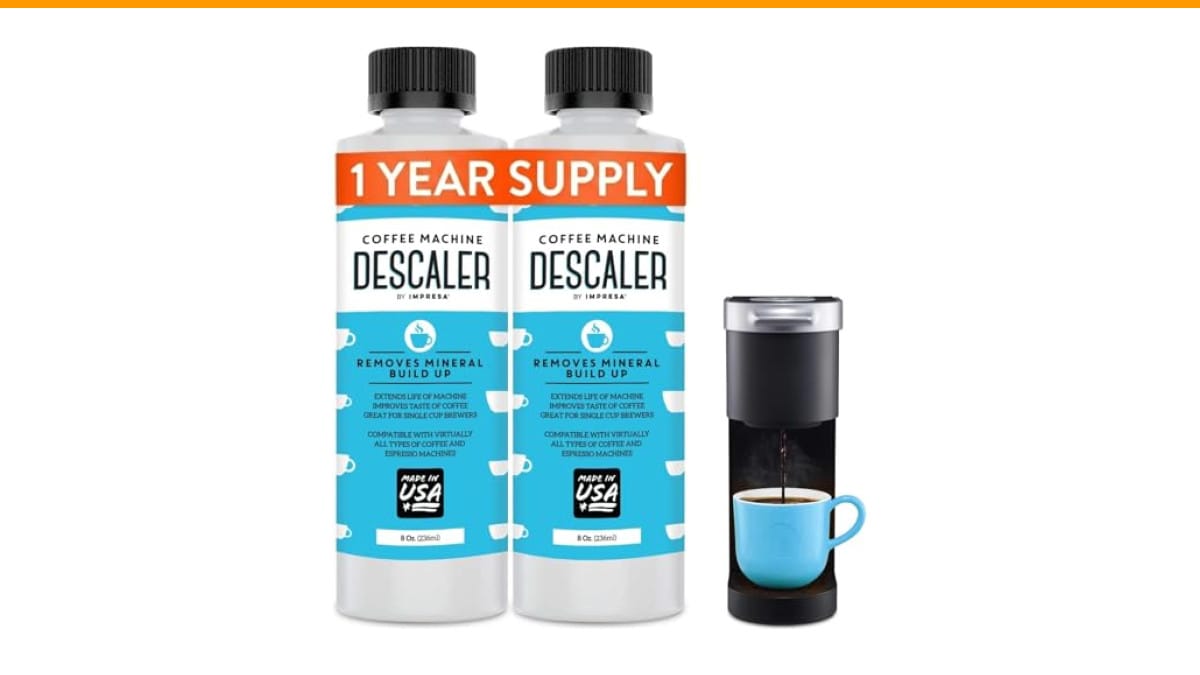
IMPRESA Coffee Machine Descaler, 2-Pack (1-Year Supply)…
- 2-Pack Coffee Descaler and Cleaner - Clean and rinse away residue and oil buildup in your coffee maker with Impresa's Coffee Desca…
- Highly Effective, Made in USA Formula - Unlike most common solutions, our coffee machine cleaner uses just 4 ounces (1/2 bottle) p…
- Preserves Your Machine - Using a coffee descaling solution eliminates limescale and mineral build-up to prevent corrosion, signifi…
As an Amazon Associate I earn from qualifying purchases.
Before we dig in, one quick note: a good descaling solution makes a real difference. The IMPRESA Coffee Machine Descaler comes as a 2-pack, each bottle handling two cleanings. It’s made in the USA and works with most single-serve machines, including Keurig, Nespresso, and Breville. Using it every 3–4 months prevents the exact mineral buildup that causes most brewing problems.
Why Won’t My Single Serve Coffee Maker Brew?
When your machine powers on but won’t brew, the usual culprit is a clogged needle or a mineral scale blockage. The small puncture needle that pierces the pod gets coated with coffee oils and grounds over time. That buildup restricts water flow, so the pump works harder and eventually stops.
Start with a visual check. Unplug the machine, remove the pod holder, and inspect the needle. You’ll likely see dark residue. Use a paperclip or a cleaning tool (many machines come with one) to gently push out any clog. Do this carefully—the needle is sharp.
If the needle looks clear, the problem is likely scale inside the heating tube. That’s where a descaling solution comes in. Run a descaling cycle per your machine’s manual. If you don’t have the manual, the general rule is: fill the reservoir with equal parts water and descaling solution, run a brew cycle without a pod, then run 2–3 cycles with fresh water to rinse.
For a deeper look at cleaning techniques, check out our guide on cleaning a clogged coffee maker.
Why Is My Coffee Weak or Cold?
Weak coffee usually means the water is passing through too quickly or not enough water is getting into the cup. Cold coffee points to a heating element issue.
If the brew is weak, first check the pod. Is it expired or damaged? A cracked pod lets water bypass the grounds. Also, make sure you’re using the correct cup size setting. Some machines default to a larger size unless you change it.
For cold coffee, the heating element may be failing. Run a water-only cycle and measure the temperature. It should be around 185–195°F. If it’s significantly cooler, the heating element might need replacement—often not worth the cost on a budget machine.
Another common cause: the water reservoir isn’t seated properly. If the machine doesn’t detect water, it won’t heat. Remove and reseat the reservoir, ensuring it clicks into place.
If you’re dealing with a specific brand issue, our article on Braun coffee maker won’t brew covers similar troubleshooting steps.
How Often Should You Descale a Single Serve Coffee Maker?
Most manufacturers recommend descaling every 3–6 months, depending on your water hardness. Hard water means more frequent descaling. If you notice a slower brew time or a louder pump, that’s a sign scale is building up.
Descaling isn’t just about performance—it also affects taste. Scale buildup can make coffee taste bitter or metallic. Regular descaling keeps the machine clean and the flavor clean.
Use a descaling solution specifically designed for coffee makers. While vinegar works in a pinch, it can leave a lingering smell and may damage rubber seals over time. The IMPRESA solution is formulated to rinse clean and is compatible with most machines. Each bottle gives you two descaling sessions, so the 2-pack covers a year of maintenance.
For a full breakdown of cleaning schedules, see our post on how often to clean a coffee maker.
Comparing Troubleshooting Methods: Descaling Solution vs. Vinegar vs. Cleaning Tablets
You have three main options for cleaning your machine. Here’s how they stack up:
| Method | Best For | Pros | Cons | Frequency |
|---|---|---|---|---|
| Descaling Solution | Mineral scale removal | Fast, effective, safe for all parts | Costs money | Every 3–4 months |
| White Vinegar | Light scale and odors | Cheap, readily available | Strong smell, may damage seals, needs extra rinsing | Monthly or as needed |
| Cleaning Tablets | Oil and residue buildup | Good for coffee oils, easy to use | Doesn’t remove scale well | Weekly or bi-weekly |
For most people, a descaling solution is the best all-around choice. It handles both scale and oils, and you don’t have to run multiple rinse cycles to get rid of the vinegar smell.
Why Does My Machine Leak or Drip?
Leaks usually come from a few places: the water reservoir, the pod holder, or the drip tray area. First, check the reservoir for cracks or a loose lid. Make sure it’s seated correctly.
If the leak is around the pod holder, the exit needle might be clogged, causing water to back up and overflow. Clear the needle as described earlier. Also check the sealing gasket—if it’s worn or torn, water will escape. Gaskets are cheap and easy to replace.
Another culprit: using a reusable pod that doesn’t fit properly. Some reusable pods are too tall or too wide, causing misalignment. Switch to a compatible pod or adjust the placement.
For persistent leaks, inspect the tubing inside the machine. If you’re comfortable opening the casing, look for cracks or loose connections. Otherwise, it might be time for a professional repair or a new machine.
Why Is My Machine Making Strange Noises?
Gurgling, hissing, or loud pumping sounds are normal to a degree. But if the noise is new and excessive, it’s usually air in the line or a pump issue.
First, run a water-only cycle to purge air from the system. If the noise persists, the pump might be struggling due to scale. Descaling often resolves this. If not, the pump could be failing—that’s a more serious repair.
Sometimes the noise is simply the machine vibrating against the counter. Place a silicone mat underneath to dampen the sound.
Frequently Asked Questions
Why does my Keurig keep saying ‘not ready’?
The ‘not ready’ light usually means the water reservoir is empty or not seated properly. Refill and reseat it. If the light stays on, the sensor might be dirty. Wipe the contacts on the reservoir and the machine.
Can I use vinegar to descale my single serve coffee maker?
Yes, but with caution. Mix equal parts white vinegar and water, run a brew cycle, then run several water-only cycles to rinse thoroughly. The vinegar smell can linger, and over time it may degrade rubber seals. A dedicated descaling solution is safer.
How do I reset my single serve coffee maker?
Unplug the machine for at least 5 minutes, then plug it back in. This resets the internal electronics. For some models, you may need to hold the brew button for 10 seconds while plugging in. Check your manual for specifics.
Why is my coffee maker brewing slower than usual?
Slow brewing is the classic sign of scale buildup. The water heats slower and the pump works harder. Descaling will usually fix it. If not, check for a clogged needle or a kinked water line.
How often should I replace the water filter in my single serve machine?
Most machines recommend replacing the charcoal filter every 2 months or after 60 tank refills. If you notice a change in taste, replace it sooner. Some filters are integrated into the reservoir and can’t be replaced—check your model.
Quick Fixes to Try Right Now
- Unplug the machine for 5 minutes, then restart. This clears minor electronic glitches.
- Clear the needle with a paperclip to remove coffee ground clogs.
- Run a descaling cycle with a quality solution—do this every 3–4 months.
- Reseat the water reservoir firmly until it clicks.
- Replace the water filter if it’s been over 2 months.
- Use the correct cup size setting—too large a setting results in weak coffee.
- If nothing works, check the warranty. Many machines have a 1-year warranty, and repair may be free.
Most single serve coffee maker problems come down to two things: scale and clogs. Both are preventable with regular maintenance. If you’ve tried the steps above and the machine still won’t brew, it might be time for a replacement. But before you toss it, run through this checklist one more time—you’d be surprised how often a simple descale fixes everything.
Products related to this article
Sponsored / affiliate links. As an Amazon Associate I earn from qualifying purchases. I may earn additional commission from eligible campaigns.
 HomeBeyond Espresso Coffee Maker 12 Cups, Classic Stovetop Espresso Maker, 600ml / 20oz Coffeemaker for Gas & Ceramic Stovetops (Silver)
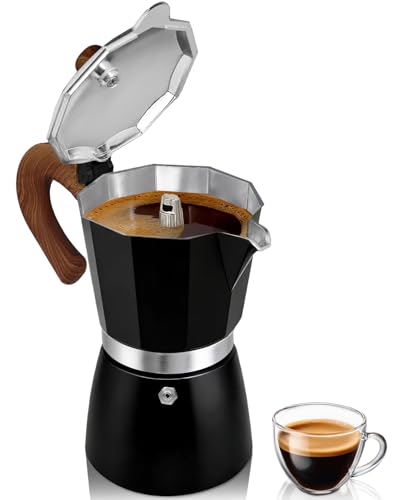 Belly Moka Coffee Maker Stovetop Espresso Maker 9 Cup Aluminum Moka Pot Percolator 15oz 450ml Easy Brewing for Electric Ceramic Stoves Home Camping Italian Cuban Café Classic Black
 Belly Moka Coffee Maker Stovetop Espresso Maker 6 Cup Aluminum Moka Pot Percolator 10oz 300ml Easy Brewing for Electric Ceramic Stoves Home Camping Italian Cuban Café Classic Silver