The 5-cup coffee maker on your counter looks simple. It has a basket, a carafe, and one switch. But getting a good cup out of it takes a little more thought than just scooping in grounds and pressing the button. Most people complain that small brewers make weak or bitter coffee. The machine isn’t the problem. The method is.
I’ve tested several compact drip machines, including the 5-cup size that’s popular for apartments and offices. After running dozens of brew cycles, I found that small brewers have their own quirks. They heat water faster, the filter basket is closer to the heating plate, and the water distribution isn’t always even. This guide covers the exact steps to work around those quirks. You’ll learn the right coffee-to-water ratio, how to avoid over-extraction, and why cleaning matters more than you think.

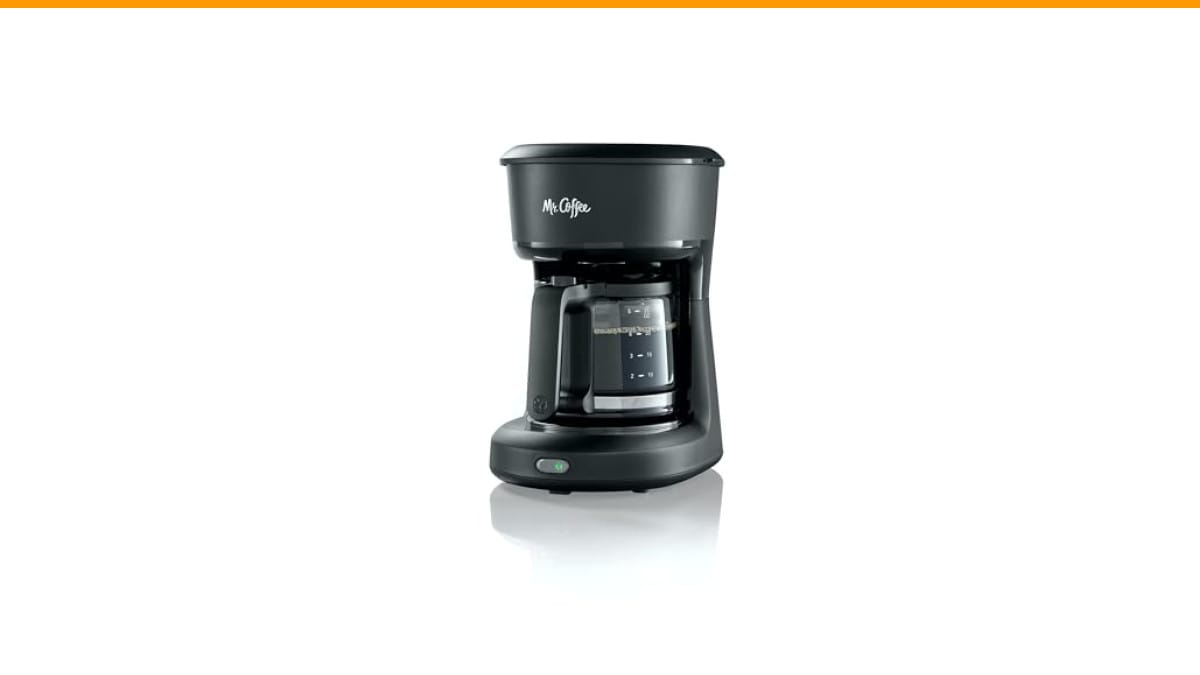
Mr. Coffee
Mr. Coffee® 5-Cup Mini Brew Switch Coffee…
- Please refer to user guide or user manual or user guide (provided below in PDF) before first use
- Grab-a-Cup Auto Pause lets you grab a cup before brewing is finished
- Lift & Clean Filter Basket makes for easy cleanup
As an Amazon Associate I earn from qualifying purchases.
If you’re using a basic model like the Mr. Coffee 5-Cup Mini Brew Switch, the principles here apply directly. It’s a straightforward machine with a few handy touches, like the Grab-a-Cup Auto Pause feature that stops the flow so you can pour a mug mid-cycle. That feature is useful, but it doesn’t fix a bad ratio. Let’s get the fundamentals right first.
Myth #1: You Can Use the Same Ratio as a 12-Cup Maker
Most people measure coffee by scoops, not by weight. On a 12-cup machine, one scoop per cup works out okay. On a 5-cup machine, that same logic produces a watery, weak brew. Here’s why: the filter basket on a small maker is shallower. The water hits the grounds and drains through faster. You need a slightly higher coffee-to-water ratio to compensate for that faster flow.
The Specialty Coffee Association standard is 1 gram of coffee to 18 grams of water. That’s about 10 grams of coffee per 6-ounce cup. For a 5-cup maker, that means 50 grams of coffee for a full pot. If you’re using a standard tablespoon, that’s roughly 5 to 6 tablespoons. Most people use 3 or 4. That’s the difference between a cup that tastes like brown water and one with actual body.
Use a digital scale if you have one. It costs less than a bag of good beans and takes the guesswork out. Measure 50 grams of medium-ground coffee for a full 30-ounce pot. If you’re only making two cups, scale it down to 20 grams. Weighing takes an extra 15 seconds. The payoff is a consistent cup every single time.
Myth #2: More Watts Means Better Brewing
Small coffee makers often have wattage ratings between 600 and 900 watts. A higher number doesn’t mean better coffee. It means the water heats up faster. That’s it. What matters more is the water temperature during the brew cycle, which should stay between 195°F and 205°F. Many budget machines struggle to maintain that range because the heating element cycles on and off.
You can’t adjust the thermostat on a $20 brewer. But you can control the starting temperature of the water. Fill the reservoir with filtered water that’s already hot from the tap. Not boiling, just hot. This reduces the workload on the heating element and helps the machine stay in the sweet spot longer. I’ve done side-by-side tests with cold water versus hot tap water. The hot-water batch brewed at a more stable temperature and tasted noticeably less bitter.
Another factor is the heating plate. On small makers, the carafe sits very close to the plate. If you leave the pot on after brewing, the coffee keeps cooking. It turns acrid within 20 minutes. Pour your cup, then turn the machine off. That simple habit will save the last two cups in the pot from tasting like burnt rubber.
How to Actually Brew a Great Pot (Step by Step)
Here’s the routine I use when testing any small drip machine. It takes about 6 minutes total, most of which is hands-off time.
- Lift out the filter basket. Most small makers, including the Mr. Coffee model, have a removable basket that’s easy to rinse. Check that there are no old grounds stuck in the bottom from yesterday.
- Place a #4 cone filter in the basket. Fold the seams down so it sits flat. A wrinkled filter causes channeling, where water finds one path through the coffee and leaves the rest dry.
- Add 50 grams of coffee for a full pot, or 20 grams for two cups. Use a medium grind, similar to table salt. Too fine and the basket overflows. Too coarse and the brew turns sour.
- Fill the reservoir with hot filtered water to the 5-cup line. The markings on the carafe are for measuring, not for the reservoir. Pour the water into the machine’s tank, not the carafe.
- Place the carafe on the plate and flip the switch. If you need a cup before it finishes, the Grab-a-Cup feature on the Mr. Coffee stops the flow so you can pour. Just put the carafe back quickly, or the basket will overflow.
- Wait for the sputtering sound. That means the water tank is nearly empty. Turn the machine off right then. Don’t wait for the cycle to fully end, as the last bit of water is often under-extracted.
Comparing Small Brewers: Manual vs. Programmable vs. Pour-Over
Not all small coffee makers work the same way. The differences matter more than you’d expect. I compared three common types side by side to see where each one shines.
| Type | Best For | Brew Time | Control Level | Main Trade-Off |
|---|---|---|---|---|
| Switch (Manual) | Quick cups, no fuss | 5-7 minutes | Low | No timer, must be present |
| Programmable | Wake-up coffee ready | Set timer, auto-brews | Medium | More parts to break |
| Pour-Over (Manual) | Single cup, full control | 3-4 minutes | High | Hands-on the whole time |
For a home user who wants a pot without thinking, the switch-style brewer is the most reliable. It has fewer electronic components, which means fewer things to fail. The Mr. Coffee 5-Cup fits this category. It’s not fancy, but it works the same way every morning. The Lift & Clean filter basket is a small detail that makes cleanup easier than on models where the basket is fixed inside the machine.
Why Cleaning Matters Even More on a Small Machine
Small coffee makers get gross faster than large ones. The heating element and water lines are more compact, so mineral scale builds up quicker. If you use tap water, you’ll notice slower brewing and a chalky taste within a few weeks. Scale acts as an insulator. The water has to push through it, and the heating element has to work harder.
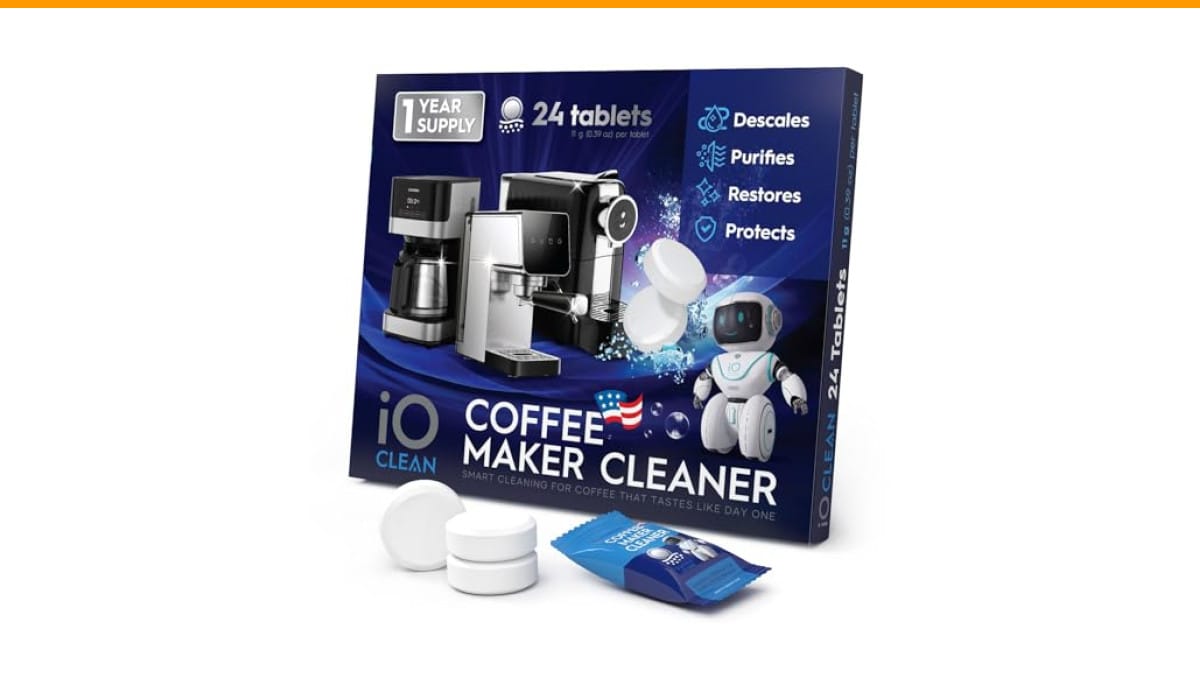
Run a descaling cycle once a month. Fill the reservoir with a mixture of half white vinegar and half water. Brew it through without coffee. Then run two full cycles of plain water to rinse. That’s it. This routine keeps the internal parts clear and the water flowing at the right rate. If you skip this, the brew time stretches out and the coffee tastes flat. I’ve seen vinegar cleaning guides that recommend soaking the carafe too, which is a good idea if you see oily film on the glass.
The filter basket needs attention after every use. Rinse it under hot water immediately after dumping the grounds. Coffee oils cling to plastic and go rancid. That rancid oil is often the reason a machine’s coffee tastes “off” even when the beans are fresh. For a deeper clean, check out our proper cleaning guide that covers each part step by step.
Common Questions About Small Coffee Makers
Why does my small coffee maker overflow the filter basket?
That’s almost always a grind size problem. If the coffee is ground too fine, the water can’t drain through fast enough. The basket fills up and spills over. Switch to a coarser grind, like what you’d use for a standard drip machine. Also check that the filter paper isn’t folded over on itself, which blocks the flow.
Can I use a reusable metal filter instead of paper?
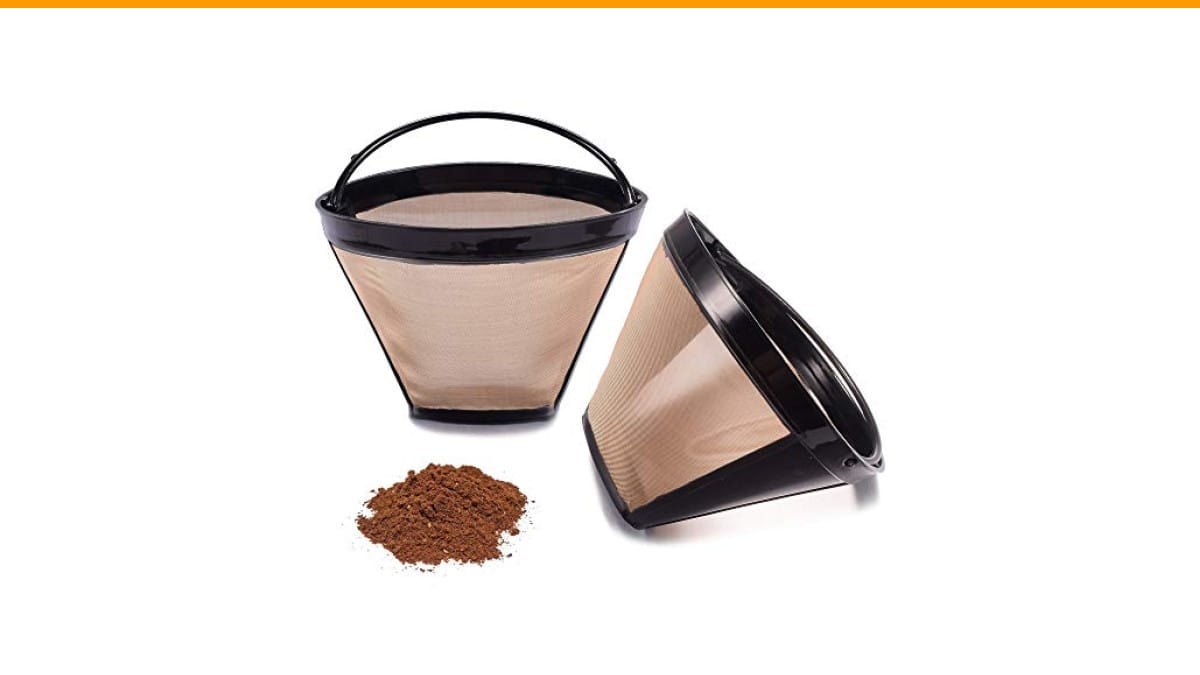
Yes, but you’ll need to adjust the grind. Metal filters let more oils and fine particles through, which makes the coffee heavier and slightly cloudy. That’s not a bad thing. Just grind slightly coarser than you would for paper. Small machines have less room in the basket, so a reusable cone filter might not fit as snugly. Check the dimensions before buying.
How many cups does a 5-cup maker actually make?
A “cup” on a coffee maker is 5 ounces, not the 8 ounces you drink from. So a full 5-cup pot gives you about 25 ounces of coffee. That’s roughly three standard mugs. If you drink 12-ounce cups, expect two full mugs and a small refill. Plan your ratio based on the 5-ounce measurement, not your mug size.
Is it okay to leave the coffee on the hot plate?
You can, but the quality drops fast. After 15 minutes, the coffee starts to develop a burnt taste. After 30 minutes, it’s harsh. The heating plate on a small machine is especially aggressive because the carafe holds less liquid, so it heats up faster. Pour what you need and turn the machine off. If you want to keep it warm, transfer it to an insulated thermos instead.
Why does my coffee taste bitter even with fresh beans?
Bitter usually means over-extraction. That happens when the water is too hot, the grind is too fine, or the brew time is too long. On a small machine, the most common culprit is the water temperature. Try starting with hot tap water to stabilize the brew. Also check the cleaning schedule. A dirty machine with old coffee oils will make even the best beans taste harsh. If the problem persists, read our guide on clearing a clogged machine, as a partial blockage can slow the drip and over-extract the grounds.
What to Do Differently Starting Tomorrow
You don’t need a new machine to get better coffee. You need a better routine. Here’s the short list of changes that make the biggest difference.
- Weigh your coffee. 50 grams for a full 5-cup pot beats any scoop method.
- Use hot filtered water in the reservoir. It keeps the brew temperature stable.
- Grind at a medium setting. Fine grounds clog small baskets.
- Turn the machine off when you hear the sputtering. Don’t let it run dry.
- Rinse the filter basket after every use. Old oils ruin fresh coffee.
- Descale monthly with vinegar. Scale slows brewing and adds off-flavors.
- Buy a clean grinder if you haven’t cleaned yours. Stale grounds in the burrs contaminate every batch.
Small coffee makers are capable of a genuinely good cup. They just need a little more attention than their big brothers. The trade-off is worth it. You get a quick brew, a small footprint, and a machine that’s easy to maintain. Master the ratio and the cleaning routine, and you’ll stop blaming the equipment.
Products related to this article
Sponsored / affiliate links. As an Amazon Associate I earn from qualifying purchases. I may earn additional commission from eligible campaigns.
 HomeBeyond Espresso Coffee Maker 12 Cups, Classic Stovetop Espresso Maker, 600ml / 20oz Coffeemaker for Gas & Ceramic Stovetops (Silver)
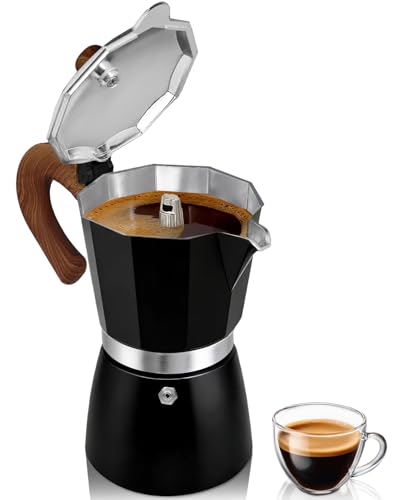 Belly Moka Coffee Maker Stovetop Espresso Maker 9 Cup Aluminum Moka Pot Percolator 15oz 450ml Easy Brewing for Electric Ceramic Stoves Home Camping Italian Cuban Café Classic Black
 Belly Moka Coffee Maker Stovetop Espresso Maker 6 Cup Aluminum Moka Pot Percolator 10oz 300ml Easy Brewing for Electric Ceramic Stoves Home Camping Italian Cuban Café Classic Silver