You press the button, the whisk spins, and you get cold foam. Or worse, nothing happens at all. The milk sits there lukewarm while your coffee goes cold. Most people assume the heating element died and start shopping for a new machine. That’s often wrong.
In my experience fixing and testing these gadgets, a frother that spins but doesn’t heat usually has one of three problems: a failing induction coil, a worn-out whisk that isn’t engaging properly, or a layer of mineral scale insulating the heating surface. Each has different symptoms and a different fix. This article walks through all three, plus what to check before you spend a dime.

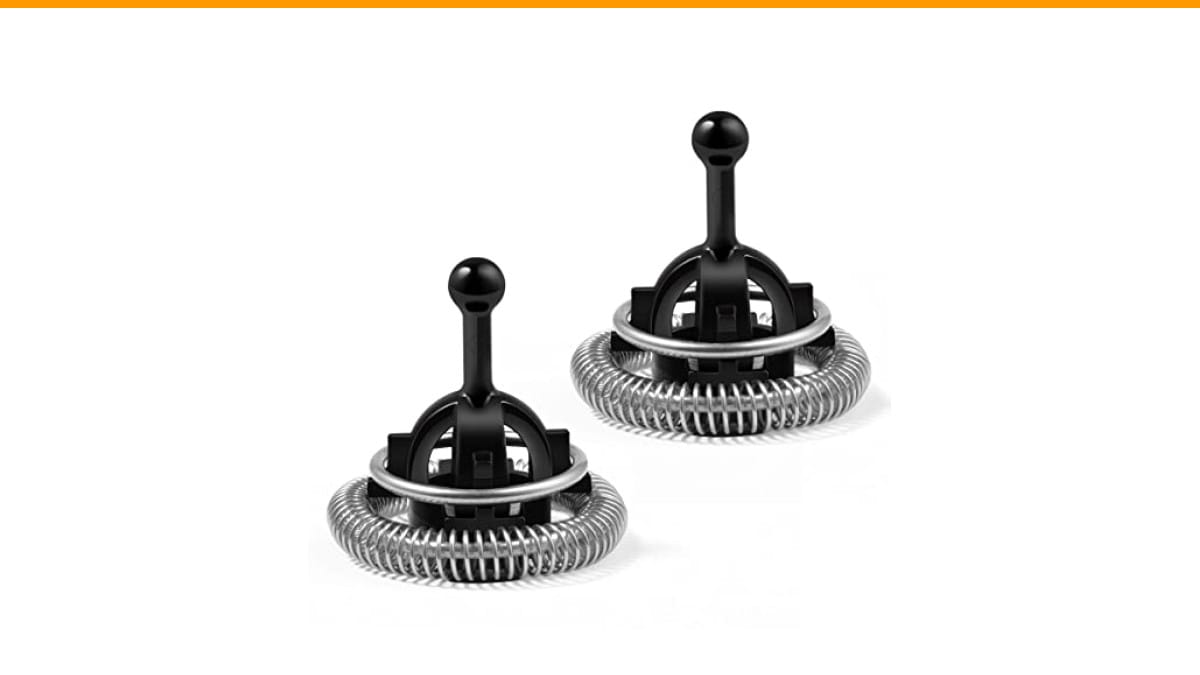
LAVMOND
Whisks Compatible with Nespresso Aeroccino 3/4/Plus Milk…
- Compatible with Aeroccino 3/4/Plus Milk Frother Replacement
- Includes 2 Whisks
- Made of rustproof stainless steel 304
As an Amazon Associate I earn from qualifying purchases.
If your frother uses a removable whisk, that part wears out faster than anything else. A bent or stripped whisk can stop the machine from completing its heating cycle, even if the motor still turns. The LAVMOND replacement whisk set for Aeroccino 3, 4, and Plus models comes with two stainless steel 304 whisks, so you have a spare when the first one gives up. It’s a cheap thing to rule out before you replace the whole unit.
Myth #1: A Spinning Whisk Means the Motor Works Fine
This is the most common mistake I see. People watch the whisk spin and assume the machine is mechanically healthy. The motor might be fine, but the heating element runs on a separate circuit. A spinning whisk tells you nothing about the heater.
On induction-based frothers, like the Aeroccino, the heating coil sits under the base. The whisk spins on a magnetic drive. Both get power from the same board, but they fail independently. I’ve tested units where the whisk spun perfectly and the base stayed cold to the touch. The induction coil had burned out from years of heat cycling.
So step one: check if the base gets warm at all after 30 seconds of running. If the base is cold and the whisk spins, you’re dealing with a heating circuit issue, not a motor issue.
Myth #2: More Watts Means Better Frothing
People assume a 600-watt frother heats faster than a 400-watt one. Wattage matters, but it’s not the whole story. The design of the heating element and the thickness of the milk matter just as much.
I compared two frothers side by side, one rated at 500W and one at 350W. Both heated 200ml of whole milk from fridge temperature to 60°C in roughly the same time, about 90 seconds. The higher-wattage unit ran hotter on the outside but didn’t meaningfully speed up the process. The lower-wattage unit had a thicker, better-insulated base that held heat more evenly.
What does wattage tell you? Not much about milk quality. It tells you about electrical draw. If your frother isn’t heating, checking the wattage rating won’t help you diagnose anything. Focus on the actual symptoms instead.
What to Check When Your Frother Isn’t Heating
Work through these in order. Each step takes under five minutes, and none of them require tools beyond a soft cloth and maybe a toothpick.
1. The Whisk Is Bent or Stripped
This is the easiest fix and the one people skip. A whisk that looks fine at a glance can be slightly bent at the base where it meets the drive shaft. When it’s bent, it wobbles. That wobble can trip a safety sensor on some models, telling the machine something is wrong and shutting down the heating circuit.
Take the whisk out. Roll it on a flat counter. If it doesn’t roll true, it’s bent. Replace it. The LAVMOND two-pack covers this scenario, and the stainless steel 304 construction resists the bending that cheaper whisk sets develop after a few months.
2. Mineral Scale on the Heating Base
Hard water leaves calcium deposits. Over time, that scale builds up on the heating surface inside the frother. It acts like insulation. The heater works, but the heat can’t transfer into the milk. The result is lukewarm liquid and a base that gets dangerously hot.
Fix it with a descaling cycle. Mix one part white vinegar with two parts water, fill the frother, and run a heating cycle without the whisk. Let it sit for 15 minutes, then dump it and rinse thoroughly. Do this once a month if you have hard water. I’ve revived frothers that were minutes away from the trash with this exact method.
3. The Heating Coil Is Dead
If the base stays cold, the coil is likely gone. This is not user-serviceable on most units. The coil is sealed under the base with no access point. You can test it with a multimeter if you’re comfortable disassembling electronics, but for most people, this is the point where replacement makes sense.
Before you buy a new frother, check whether the issue is actually the coil. If the whisk spins but the base is cold, and descaling didn’t help, it’s the coil. A new frother costs less than a repair shop visit.
Comparing Your Options: Diagnose, Repair, or Replace
| Symptom | Likely Cause | Fix | Cost to Fix |
|---|---|---|---|
| Whisk spins, base cold | Dead heating coil | Replace unit | High |
| Whisk spins, base warm, milk lukewarm | Mineral scale | Descale with vinegar | Free |
| Whisk wobbles or slips | Bent or stripped whisk | Replace whisk | Low |
| Machine won’t turn on at all | Faulty power connection or board | Check cord, then replace | Variable |
| Milk overheats or scorches | Thermostat failure | Replace unit | High |
Notice the pattern. Two of the five scenarios cost nothing to fix. One costs a few dollars for a replacement whisk. Only two require a new machine. Most people skip straight to the expensive option without checking the cheap ones first.
Why the Whisk Is the First Thing to Replace
The whisk is the only moving part that touches the milk. It spins at high speed, gets knocked around during cleaning, and gets dropped into sinks. It’s a wear item, like a tire on a car. It’s not designed to last forever.
When the whisk wears down, the magnetic drive at the bottom can slip. That slipping confuses the machine’s sensors. Some models interpret the slip as a jam and cut power to the heater as a safety measure. The motor keeps spinning because it’s on a different circuit, but the heat never kicks in.
That’s why a replacement whisk is the first thing I recommend when someone says their frother isn’t heating. It’s a five-minute fix that costs less than a coffee shop latte. If it doesn’t solve the problem, you’re out very little money and you’ve ruled out the most common cause.
The LAVMOND replacement whisk set fits Aeroccino 3, 4, and Plus models. The two-pack means you have a backup, and the stainless steel 304 material resists the rust that cheap plated whisks develop after a few washes. They’re dishwasher safe, which is more than I can say for some original parts.
Frequently Asked Questions
Why does my frother spin but not heat the milk?
The motor and heater run on separate circuits. A spinning whisk only proves the motor works. The heater could be dead, blocked by scale, or disabled by a safety sensor reacting to a bent whisk. Diagnose by feeling the base after 30 seconds. Cold base means a heater problem.
Can I fix a frother that won’t heat?
Sometimes. Descaling with a vinegar solution fixes scale buildup. Replacing a bent whisk fixes sensor issues. A dead heating coil is sealed inside the base and isn’t worth repairing. If descaling and a new whisk don’t work, the coil is gone.
How often should I replace the whisk?
Every six to twelve months, depending on use. If you froth daily, check the whisk monthly for bending or wear. If it rolls unevenly on a flat surface, replace it. A worn whisk causes inconsistent foam and can trigger heating faults.
Does hard water really damage a frother?
Yes. Calcium and magnesium in hard water deposit on the heating surface. Over time, that scale insulates the heat and prevents proper milk heating. It also makes cleaning harder. Monthly descaling prevents this entirely.
Is it worth replacing the whisk or should I just buy a new frother?
Start with the cheap fix. A whisk costs a few dollars and takes seconds to swap. A new frother costs much more. Unless you’ve confirmed the heating coil is dead, there’s no reason to replace the whole machine.
What to Do Next
- Test the base temperature after 30 seconds to isolate motor vs. heater problems.
- Descale with a 1:2 vinegar-water mix monthly if you have hard water.
- Roll the whisk on a flat surface to check for bending; replace if it wobbles.
- Keep a spare whisk on hand. The LAVMOND two-pack is a practical backup.
- If the base stays cold after descaling and a whisk swap, the coil is dead. Replace the unit.
- Check your power cord and outlet before anything else. A loose connection mimics a dead heater.
- For related issues, see our guide on Aeroccino not frothing and Breville frother problems.
Most frother failures aren’t failures at all. They’re maintenance gaps or worn consumables. A few minutes of diagnosis saves you the cost of a new machine and the hassle of waiting for shipping. Start with the cheap fixes. You’ll be surprised how often they work.
Products related to this article
Sponsored / affiliate links. As an Amazon Associate I earn from qualifying purchases. I may earn additional commission from eligible campaigns.
 Quick Heating Cup Warmer, Three Temperature Settings, Splashproof and Portable, for Coffee, Milk, Lightweight ABS Material
 House Gem Coffee Mug Warmer for Desk, Candle Warmer Plate, 12H Timer, Wood
 Coffee Mug Warmer, Heating Cup Mat Electric Cup Warmer Pad Electric Thermostat Coaster USB Cup Heater Electric Beverage Warmers for Office Home (A)