You pull a shot, and it takes forever. The crema is thin and patchy. The coffee tastes bitter, not in a good way. That’s the moment most people realize something is off with their espresso machine, but they can’t pinpoint it. The culprit is often a buildup of coffee oils and residue inside the group head and brew chamber. It’s not a flavor issue; it’s a hygiene and performance issue.
This article walks you through the specific signs that point to a clogged or dirty brewing system. You’ll learn what those symptoms mean, how to fix them with cleaning tablets, and a few common mistakes that keep machines dirty even after a clean cycle. If you have been ignoring that slow flow or weird taste, this is the push you need.

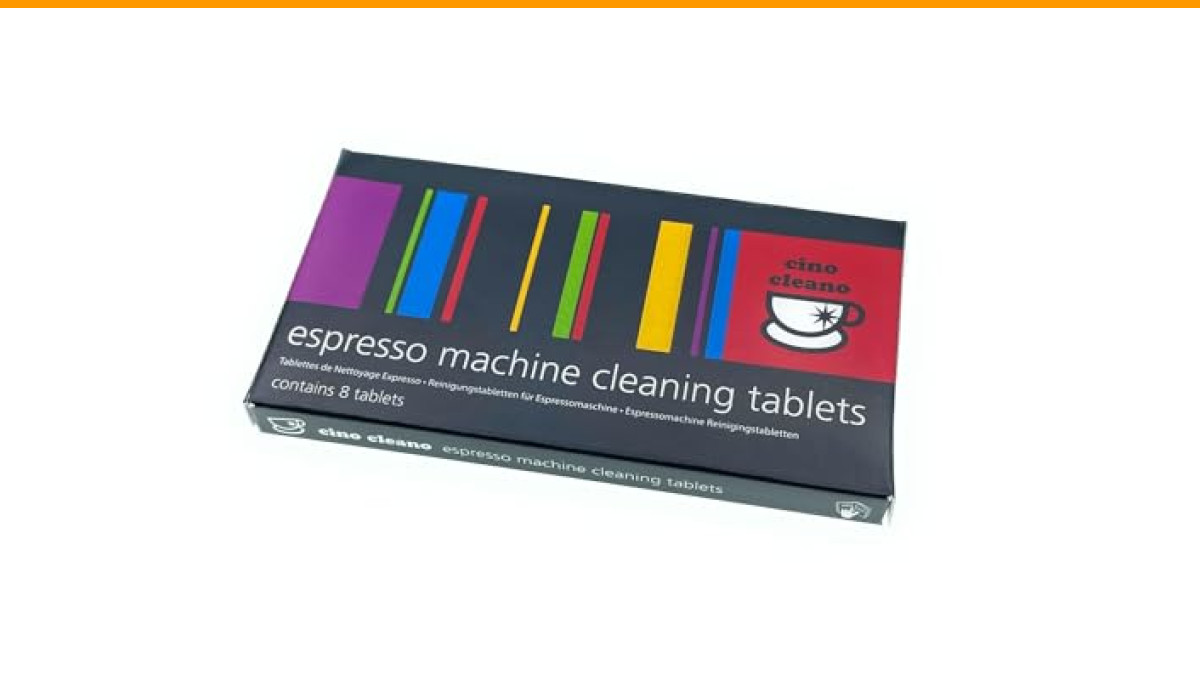
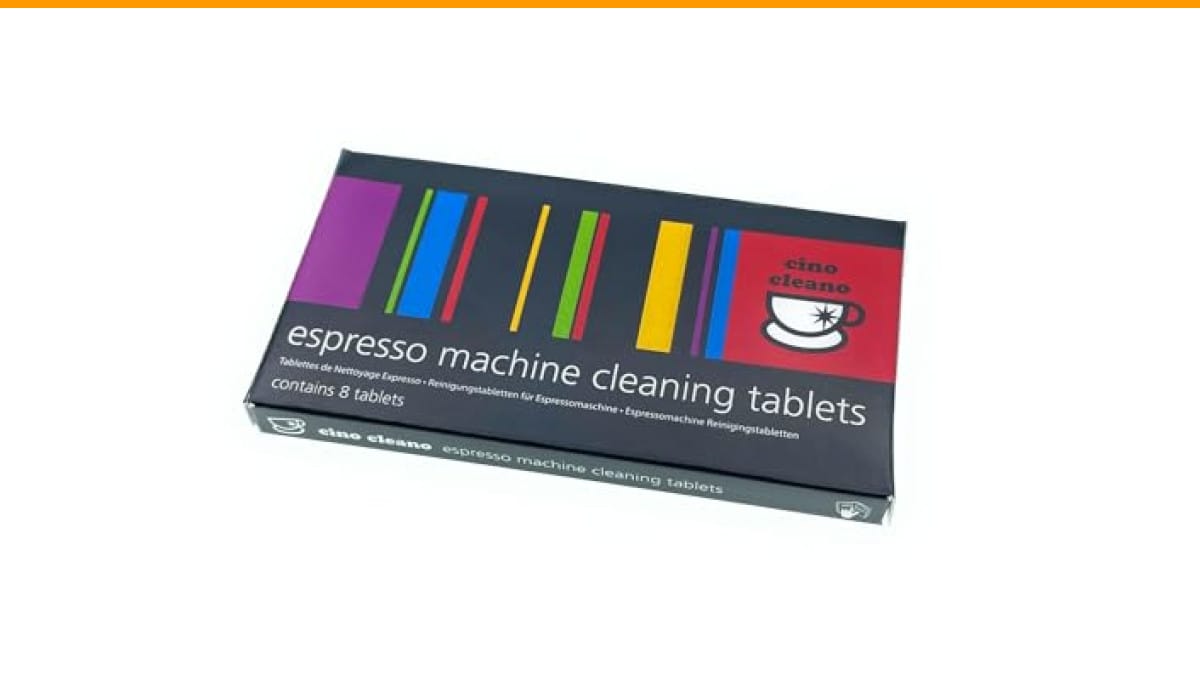
Cino Cleano
Cino Cleano Espresso Machine Cleaning Tablets (8…
- Listing is for 1 Packet which contains 8 tablets Suitable for use with all Breville Espresso machines
- Precision dissolution time to provide optimal cleaning performance
- All pharmaceutical and food grade ingredients
As an Amazon Associate I earn from qualifying purchases.
For a quick fix, Cino Cleano cleaning tablets are a solid choice. They dissolve at a controlled rate, which means the cleaning agent stays in contact with the oils long enough to break them down. The formulation is non-corrosive, so it won’t damage seals or gaskets during the cycle.
1. Your Shot Takes Twice As Long To Pull
Time your shot next time you brew. A standard double shot should finish in 25 to 30 seconds. If it’s dragging past 40 seconds and the stream looks thin and drippy, you have a flow restriction. Coffee oils turn into a sticky, tar-like film when they oxidize. That film narrows the holes in the shower screen and the internal tubes.
This is the most common sign people miss. They blame the grinder or the beans, but the machine is simply struggling to push water through a clogged path. Cleaning tablets dissolve that film. One cycle usually restores flow, but if you’ve never cleaned it, you might need two cycles back-to-back.
Pro tip: If your machine has a pressure gauge, watch it. A dirty group head often reads higher pressure than usual because the water has less room to move.
2. The Crema Is Pale And Disappears Fast
Fresh espresso has a thick, golden-brown crema that sits on top for a minute or two. When the brew chamber is dirty, the crema looks thin, almost watery, and vanishes within seconds. Old coffee oils mix with the fresh extraction and kill the surface tension that holds crema together.
Cleaning tablets won’t fix bad beans, but they will remove the rancid oils that are ruining your current batch. If your crema quality changed suddenly without a bean switch, cleaning is the first thing to try.
3. The Coffee Tastes Bitter Or Ashy
Dirty machines produce a distinctive flavor. It’s not the sharp bitterness of over-extraction; it’s a dull, ashy taste that lingers on the back of your tongue. That flavor comes from oxidized coffee oils that have gone rancid. You are literally tasting yesterday’s coffee, and last week’s, and last month’s.
I have compared shots from a clean machine and a dirty machine side-by-side using the same beans and grinder. The difference is night and day. The clean shot has sweetness and clarity. The dirty shot tastes flat and muddy. If you’ve been wondering why your espresso doesn’t taste as good as the café down the street, this is often the answer.
4. Visible Residue On The Shower Screen
Take off the portafilter and look up at the shower screen. Do you see dark brown or black gunk? Is the screen discolored or sticky to the touch? That is a direct visual confirmation that you need cleaning tablets.
You can scrub the screen with a brush, but that only cleans the surface. The residue inside the group head, above the screen, is unreachable without a chemical clean. Tablets dissolve and flush that hidden buildup out through the drain.
5. Your Machine Has Started Making Loud Noises
Espresso machines have a pump, and a pump that works harder makes more noise. If your machine sounds strained, whiny, or louder than it used to, the pump is fighting against a clog. This is a mechanical warning sign that should not be ignored. A pump that constantly runs against high resistance will burn out early. Replacing a pump costs far more than a packet of cleaning tablets.
This symptom often appears alongside the slow flow issue. If you notice both, your machine is well past due for a clean. Read more about automatic espresso machine loud noise causes if the problem persists after cleaning.
6. You Can Smell Rancid Coffee Oil
Your machine has a smell even when it’s off. Walk past it and get a whiff of old, sour coffee. That’s not normal. A clean machine smells neutral, maybe slightly of metal or steam. A rancid odor means oils have baked onto hot surfaces repeatedly. That smell transfers directly into your cup.
Some people describe it as a ‘dirty dishrag’ smell. If you smell that, stop brewing and clean the machine before you drink another shot.
7. You Can’t Remember The Last Time You Cleaned It
This is the most honest sign. Most manufacturers recommend cleaning the group head every 200 to 300 shots. If you pull two shots a day, that’s a clean every three to four months. Home users rarely track this. If you’re not sure when you last ran a cleaning tablet, you need one now.
It’s not a judgment call. It’s a maintenance schedule. Think of it like changing the oil in your car. You don’t wait for the engine to seize; you change it on a schedule. Your espresso machine works the same way.
How To Clean Your Espresso Machine With Tablets: Step-By-Step
Cleaning with tablets is straightforward, but people skip steps and wonder why it didn’t work. Follow this exact order.
- Empty the portafilter and remove the basket. Place the blind basket (the one with no holes) into the portafilter.
- Drop one tablet into the blind basket. Cino Cleano tablets are sized to fit standard 58mm and 54mm baskets.
- Lock the portafilter into the group head as you would for brewing.
- Start a cleaning cycle. Some machines have a dedicated ‘Clean’ button. If yours doesn’t, run a manual shot cycle of about 10 seconds, pause for 30 seconds, then run another 10 seconds. Repeat until the water in the drip tray runs clear.
- After the cycle, remove the portafilter and rinse the basket thoroughly. Run a blank shot of plain water through the group head to flush out any remaining tablet residue.
- Wipe the group head gasket and shower screen with a damp cloth.
Pro tip: Run the cleaning cycle when the machine is hot. The chemical reaction works faster at higher temperatures. Cold water won’t dissolve the oils as effectively.
Comparison: Cleaning Tablets vs. Alternative Methods
There are a few ways to clean an espresso machine. Here’s how they stack up in my testing.
| Method | Effectiveness | Time Required | Risk of Damage | Cost |
|---|---|---|---|---|
| Cleaning Tablets | High – dissolves oils and residue completely | 5–10 minutes | Low – non-corrosive formulas are safe for seals | Moderate – a few cents per clean |
| Backflushing with Water Only | Low – only flushes loose debris, doesn’t dissolve oils | 2 minutes | None | Free |
| Descaling Solution | High for scale, but does not remove coffee oils | 20–30 minutes | Medium – can be corrosive if overused | Moderate |
| Vinegar Solution | Low – weak acid, leaves odor, can damage gaskets | 15 minutes | High – degrades rubber seals over time | Very low |
| Manual Scrubbing | Medium – cleans visible surfaces only | 10 minutes | Medium – can scratch metal | Free (brush required) |
Tablets are the best balance of effectiveness and safety. Vinegar is cheap but not worth the risk of ruining your gaskets. Water-only backflushing is fine between tablet cleans, but it won’t remove the sticky oils that cause the problems listed above.
Three Common Mistakes To Avoid
People mess up the cleaning process in predictable ways. Here’s what to stop doing.
Mistake 1: Using the wrong basket. You must use the blind basket. If you use a regular basket, the water flows straight through and the tablet barely touches the group head. The cleaning agent needs backpressure to work. Check your machine’s manual if you’re not sure which basket is blind.
Mistake 2: Not rinsing after cleaning. Leaving tablet residue in the system will make your next shot taste like soap or chemicals. Always run a full tank of fresh water through the group head after the cleaning cycle. If you have a steam wand, purge it too.
Mistake 3: Cleaning too often. Yes, there is such a thing. Running a cleaning tablet every day is overkill and can wear down the group head gasket faster. Stick to the 200-300 shot schedule, or once a month for heavy home use. If you are experiencing other issues, check our guide on deep cleaning coffee machines for a more thorough approach.
Frequently Asked Questions
How often should I use espresso cleaning tablets?
Every 200 to 300 shots, or about once a month if you pull two shots daily. If you use dark roasted beans or drink multiple espressos a day, lean toward the more frequent end. Lighter roasts don’t leave as much oil, so you can stretch the interval slightly.
Can I use cleaning tablets in a super-automatic machine?
Yes, most super-automatics have a dedicated cleaning cycle that uses tablets. The tablet goes into a special compartment or the brew unit, depending on the brand. Check your manual for the exact location. Cino Cleano tablets are compatible with Breville, DeLonghi, and Miele machines, among others.
What happens if I never clean my espresso machine?
The machine will eventually clog completely. The flow will slow to a trickle, the coffee will taste bitter and ashy, and the pump will strain. Over time, the pump can fail, which is a costly repair. The gaskets can also degrade from contact with rancid oils. A $10 packet of tablets is much cheaper than a $200 service call.
Is it safe to use cleaning tablets with a water filter?
Yes, but you should remove the filter from the water tank before running the cleaning cycle. The cleaning solution can saturate the filter and release chemicals into the next few brews. Put the filter back in after you finish rinsing the machine.
Why does my coffee taste bitter after cleaning?
You probably didn’t rinse enough. The cleaning tablet residue is alkaline, and it neutralizes the acids in coffee, making the shot taste flat and bitter. Run another blank shot of hot water through the group head. If it still tastes off, you might have a different issue. We cover this in detail in our article on coffee tasting bitter after cleaning.
What To Do Right Now
- Time your next shot. If it’s over 40 seconds, you need a clean.
- Look at the shower screen. Visible gunk means it’s time to act.
- Smell the machine when it’s cold. Rancid oil smell is a hard fail.
- Buy a packet of cleaning tablets and run a cycle this week.
- Mark your calendar for the next clean in 30 days.
- If the problem persists after cleaning, check for other causes like grinder burrs or water hardness.
- Don’t use vinegar. It’s not worth the risk to your seals.
Cleaning is the cheapest maintenance you can do. It takes ten minutes, costs less than a single latte, and extends the life of a machine that probably set you back a few hundred dollars. If you’re on the fence about which machine to buy next, our automatic vs semi-automatic comparison might help you decide. And if you’re looking for a new machine, check our picks for the best automatic espresso machines under $1000. But first, clean the one you have.
Products related to this article
Sponsored / affiliate links. As an Amazon Associate I earn from qualifying purchases. I may earn additional commission from eligible campaigns.