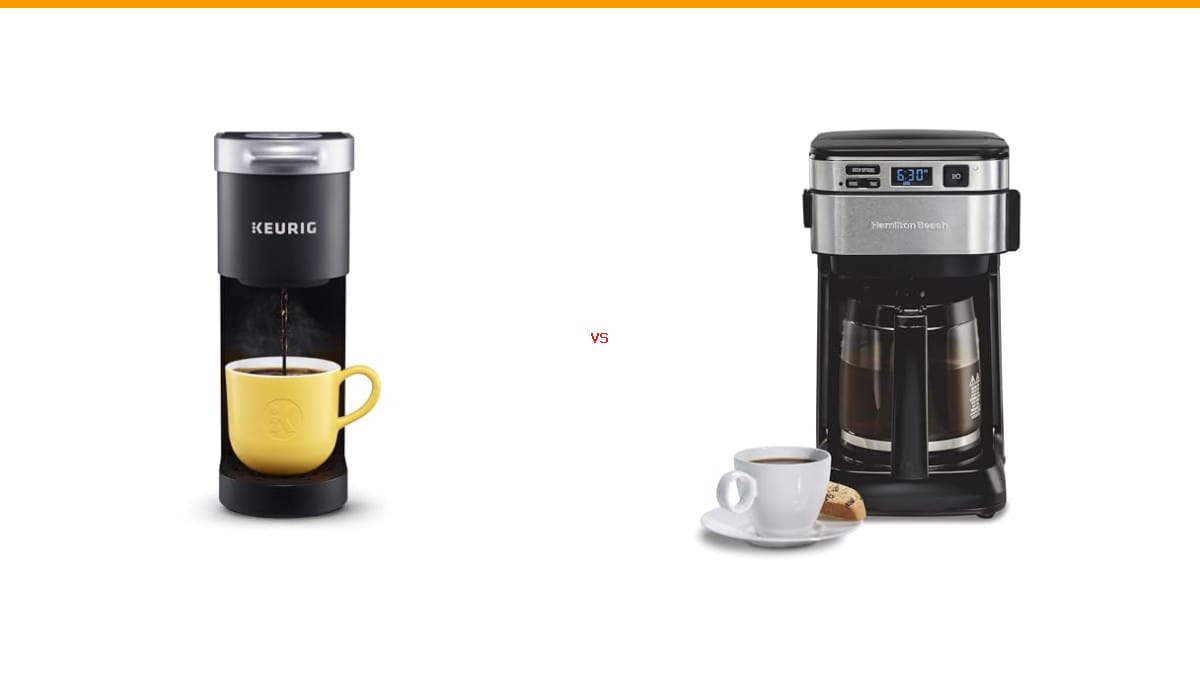
You’re standing there at 6:45 AM, bleary-eyed, and you press the switch. Nothing. No click, no warm-up hum, no red light. Just silence. It’s the worst way to start a day, especially when the machine is only a year old and worked fine yesterday.
Most small coffee makers die quietly for a handful of predictable reasons. Some are simple fixes you can do in two minutes. Others mean the machine is genuinely done. This article walks through each cause in order of likelihood, tells you exactly what to look for, and helps you decide whether to repair or replace. You’ll also learn what to check before you toss a machine that might still be perfectly good.

Mr. Coffee
Mr. Coffee® 5-Cup Mini Brew Switch Coffee…
- Please refer to user guide or user manual or user guide (provided below in PDF) before first use
- Grab-a-Cup Auto Pause lets you grab a cup before brewing is finished
- Lift & Clean Filter Basket makes for easy cleanup
As an Amazon Associate I earn from qualifying purchases.
If you end up needing a replacement, the Mr. Coffee 5-Cup Mini Brew Switch Coffee Maker is a solid, straightforward option that avoids most of the failure points discussed below. It uses a simple toggle switch instead of a membrane keypad, which is one less thing to break.
Start With the Obvious: Power and the Outlet
Before you take anything apart, verify the machine is actually getting electricity. It sounds basic, but a surprising number of dead coffee makers are just unplugged or plugged into a dead outlet.
- Check the outlet with another device. Plug a phone charger or a lamp into the same outlet. If that doesn’t work either, the problem is the outlet, not the coffee maker. Check your circuit breaker or GFCI outlet — kitchens often have GFCI-protected circuits that trip silently.
- Inspect the power cord. Look for bite marks, kinks, or exposed wire. If the cord is damaged, stop using the machine. That’s a fire hazard, not a DIY repair project.
- Try a different outlet. Sometimes the outlet is fine but the plug connection is loose. A worn outlet can fail to make solid contact with the prongs.
If the machine still doesn’t respond, move to the next step.
The Switch and the Brew Cycle: A Common Culprit
Small drip coffee makers typically have one of two control types: a physical toggle switch or an electronic membrane button. Each fails differently.
With a toggle switch, the internal contacts can wear out or get sticky. You’ll feel the switch move, but nothing happens inside. With a membrane button, the issue is often the sensor pad losing connection to the circuit board. Pressing harder rarely helps and can make it worse.
Here’s a test worth doing: plug the machine in and gently wiggle the switch while pressing it. If you get a flicker of life — a light blinking, a brief hum — the switch contacts are the problem. That’s a fixable part if you’re handy with a soldering iron, but for most people, it’s not worth the trouble on a $20 machine.
Another overlooked cause is the brew cycle itself. Many small makers have a thermal cutoff that trips if the machine runs dry or overheats. This is a safety feature, not a defect. If you recently ran it without water, let it cool down completely — 30 to 60 minutes — and try again. The reset is automatic on most models.
Internal Resets and Hidden Fuses
Some machines have a manual reset button, often hidden on the bottom or under the water reservoir. Look for a small pinhole labeled “reset” or a tiny red button. If you find one, press it with a paperclip or pen tip.
If there’s no reset button, the likely culprit is a thermal fuse. This is a one-time safety component that blows permanently if the machine overheats. It’s not user-serviceable on most small coffee makers. If you’ve ruled out everything else, a blown thermal fuse means the machine is done.
Before you give up entirely, try one more thing: unplug the machine and leave it for 10 minutes. This allows the internal capacitors to discharge and, on some electronic models, resets the control board. It’s a long shot, but it’s free.
For machines with a clock or timer, a power surge can corrupt the internal memory. Unplugging for a full minute usually clears that and lets the machine boot fresh.
When to Fix vs. When to Replace
Here’s the honest math. A small coffee maker costs between $15 and $40. A replacement heating element or switch costs $5 to $10 in parts, but your time is worth something. Unless you enjoy tinkering, repair only makes sense on a machine that costs more than $50 or has sentimental value.
Consider your usage too. If you brew one cup a day, a simple replacement is the better path. If you use it constantly and it died after two years, that’s a normal lifespan for a budget machine. Don’t feel bad about moving on.
That said, there’s one scenario where you should not replace: if the machine is under warranty. Many budget brands offer a 1-year limited warranty. If you bought it recently, contact the manufacturer before buying anything new. The fix might be free.
When you do shop for a replacement, look for a model with a physical switch rather than a digital keypad. Fewer electronics means fewer failure points. The Mr. Coffee 5-Cup Mini Brew fits that description. It’s a no-frills machine with a simple toggle, a glass carafe, and a pause feature that lets you grab a cup mid-brew. It doesn’t have a clock or auto-timer, which is actually a plus for reliability.
If you’re dealing with a specific brand issue, we’ve covered several common scenarios. For example, Cuisinart won’t turn on often traces to a similar set of causes. And if your Mr. Coffee isn’t pumping water, that’s usually a separate problem from the power issue.
Quick Comparison: Troubleshooting Steps by Symptom
| Symptom | Most Likely Cause | Time to Fix | Cost |
|---|---|---|---|
| No light, no sound at all | Dead outlet, bad cord, or blown fuse | 5 minutes | $0 |
| Light comes on, but no heating | Failed heating element | Not worth fixing | Replacement |
| Switch feels loose or wiggly | Worn switch contacts | 30 minutes if soldering | $5 part |
| Worked before, died after running dry | Tripped thermal cutoff | 30-60 min cool down | $0 |
| Intermittent power, flickers | Loose internal wire | 1 hour if comfortable | $0 |
| Won’t turn on after power surge | Control board corrupted | 10 min unplugged | $0 |
That table covers the main scenarios. If your symptom doesn’t match any of these, check the specific guides for button issues or brew button problems on other brands.
Frequently Asked Questions
Why did my coffee maker work yesterday but not today?
Most likely a thermal cutoff tripped. If you left it on with no water, or the heating element overheated, the internal fuse breaks the circuit. Let it sit unplugged for an hour. If it still won’t turn on, the fuse is blown permanently.
Can I fix a coffee maker with a blown thermal fuse?
Technically yes, if you can find the right replacement fuse and solder it in. Practically, it’s not worth it. The fuse costs a few dollars, but the labor and risk aren’t justified on a $25 machine. Buy a new one.
Why does my coffee maker turn on but not heat the water?
That’s a failed heating element, not a power issue. The control board works, the light comes on, but the element that heats the water is dead. This is not a user-serviceable part on most small makers. Time for a replacement.
Is it safe to use an extension cord with a small coffee maker?
Not ideal. A coffee maker draws 600-900 watts, and a cheap extension cord can overheat. If you must use one, use a 14-gauge or thicker cord rated for 15 amps. Better yet, plug the machine directly into the wall.
How long should a small coffee maker last?
Budget machines typically last 1-3 years with daily use. Higher-end models can last 5-10 years. The most common failure is the heating element or the switch, not the brewing mechanism. Regular descaling helps extend life — mineral buildup makes the heating element work harder.
If you haven’t been cleaning your machine regularly, that could be contributing to the problem. Check out our guide on proper cleaning methods to keep your next machine running longer.
What to Do Next
- Test the outlet first with another device — it’s the most common false alarm.
- Inspect the cord for damage. If it’s frayed, stop using the machine immediately.
- Let a machine that ran dry cool down for at least 30 minutes before retrying.
- Look for a hidden reset button on the bottom or under the reservoir.
- Unplug for 10 minutes to clear any control board glitches.
- If it’s under warranty, contact the manufacturer before buying a replacement.
- When replacing, choose a simple switch-based model over a digital one for better reliability.
A dead coffee maker is annoying, but it’s rarely a mystery. You now know the exact order to check things and when to walk away. If you’re shopping for a replacement, the Mr. Coffee 5-Cup Mini Brew Switch is a dependable choice that skips the fragile electronics. Check the current price on Amazon and get your morning routine back on track.
Products related to this article
Sponsored / affiliate links. As an Amazon Associate I earn from qualifying purchases. I may earn additional commission from eligible campaigns.
 HomeBeyond Espresso Coffee Maker 12 Cups, Classic Stovetop Espresso Maker, 600ml / 20oz Coffeemaker for Gas & Ceramic Stovetops (Silver)
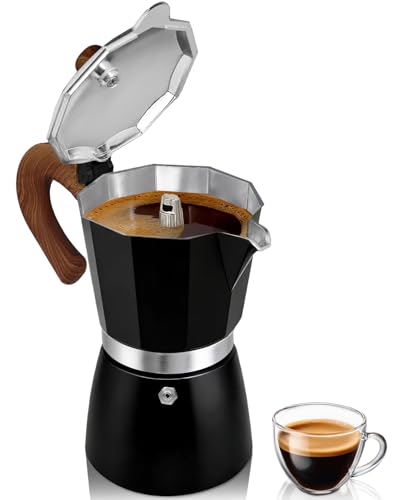 Belly Moka Coffee Maker Stovetop Espresso Maker 9 Cup Aluminum Moka Pot Percolator 15oz 450ml Easy Brewing for Electric Ceramic Stoves Home Camping Italian Cuban Café Classic Black
 Belly Moka Coffee Maker Stovetop Espresso Maker 6 Cup Aluminum Moka Pot Percolator 10oz 300ml Easy Brewing for Electric Ceramic Stoves Home Camping Italian Cuban Café Classic Silver