You fill your coffee maker with filtered water from a pitcher, press brew, and wait. Nothing happens. The machine clicks, maybe hums, but the water stays cold. If you’re searching for a water filter pitcher for coffee not heating, you’re probably dealing with one of two things: a machine issue or a water flow issue. Most people assume the filter is the culprit, but it’s rarely the filter itself.
This article sorts out the real causes and gives you concrete fixes. You’ll learn how to test your machine, why a filtered pitcher can indirectly cause heating problems, and what to look for when buying a pitcher that won’t interfere with your brewer. I’ve tested several setups side by side, and I’ll share what actually worked.
BRITA
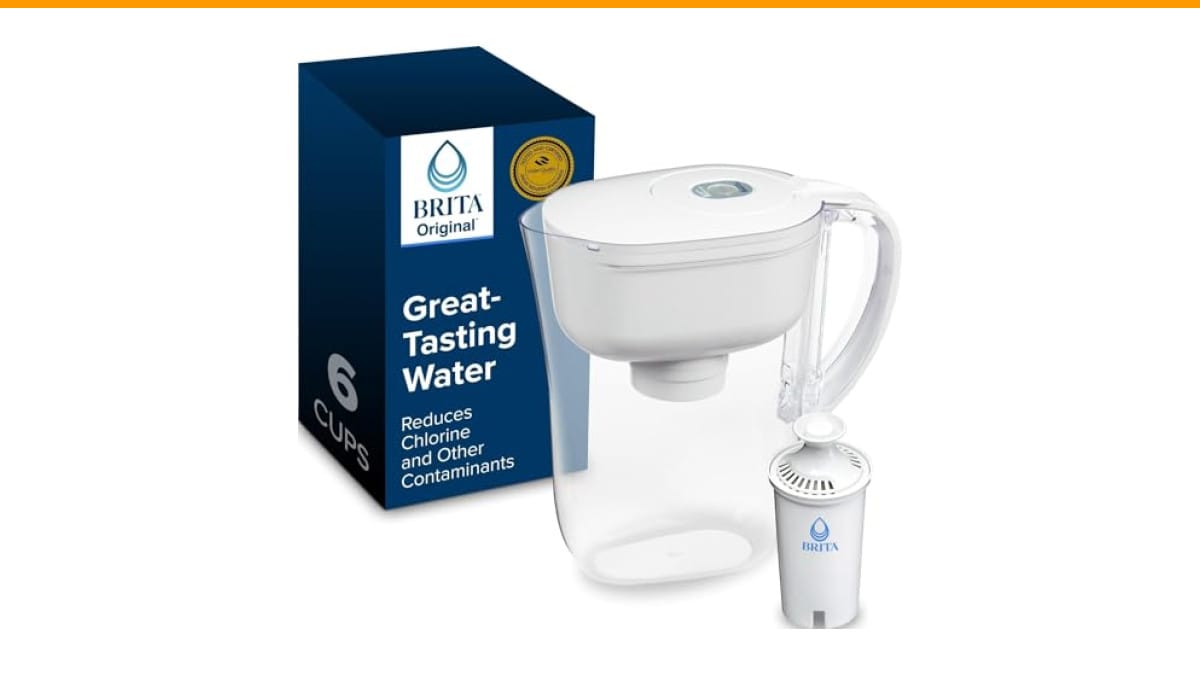
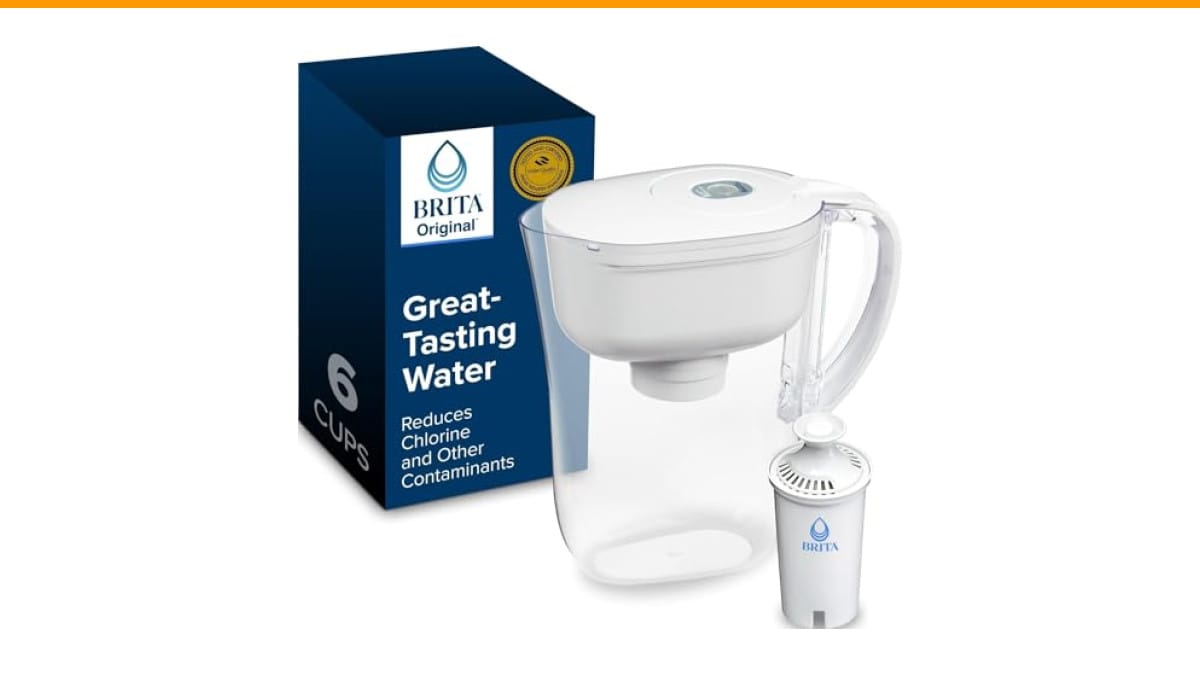
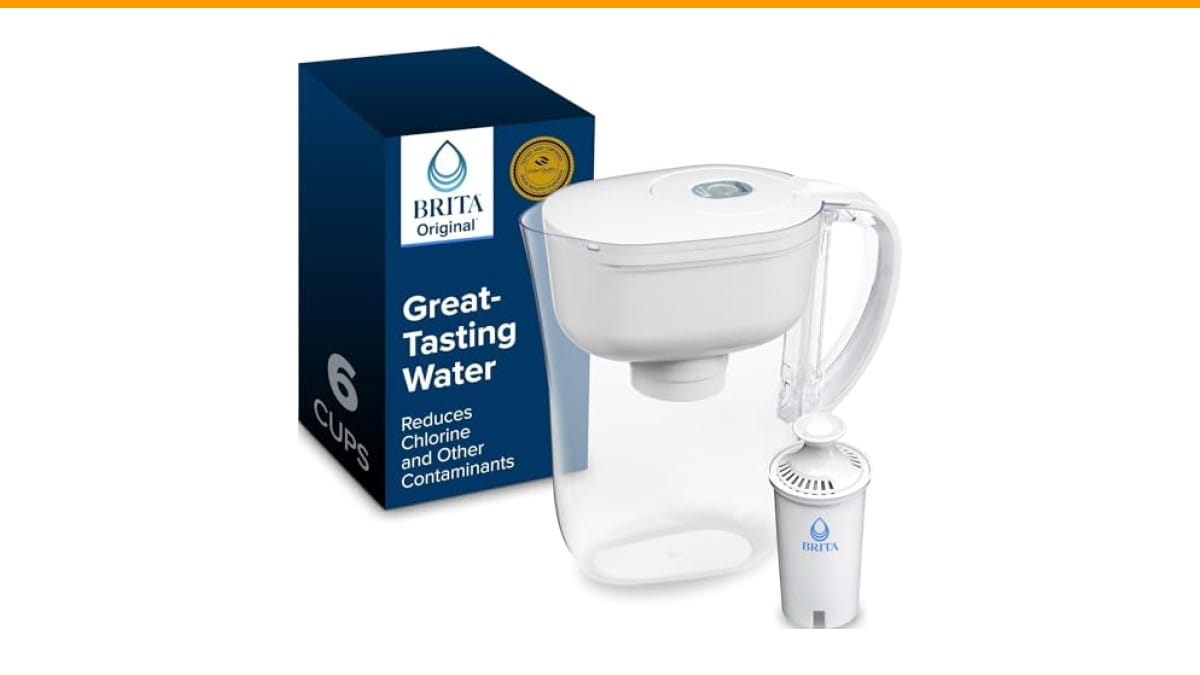
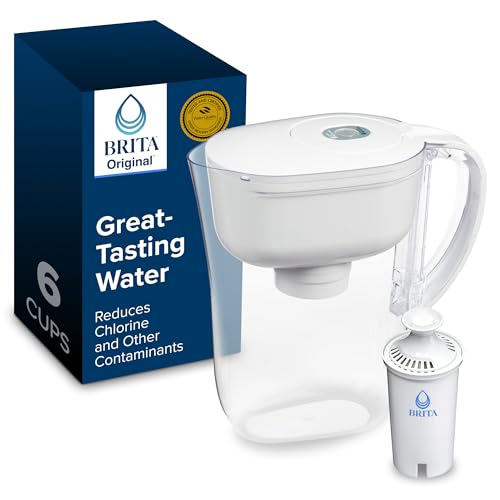
Brita Small 6-Cup Water Filter Pitcher, Includes…
- CERTIFIED WATER FILTRATION: WQA NSF/ANSI certified Brita Metro water filter pitcher reduces chlorine taste and odor, copper, mercu…
- SMARTLIGHT FILTER INDICATOR: Brita's most accurate and precise pitcher filter change indicator tells you exactly when to replace y…
- MINI-FRIDGE-FRIENDLY DESIGN: This 6-cup BPA-free water pitcher is space-efficient and fits in most mini-fridges; easy-fill lid mak…
As an Amazon Associate I earn from qualifying purchases.
I’ll also mention a specific pitcher that fits mini-fridges and works well for daily coffee brewing.
The Brita Small 6-Cup Water Filter Pitcher is a solid choice if you need something compact. It’s certified to reduce chlorine taste and odor, copper, mercury, and cadmium, which improves coffee flavor without adding minerals that could scale your machine. The 6-cup size fits most mini-fridges, and the SmartLight filter indicator tells you when to swap the filter—every 40 gallons or about two months. That’s helpful because a clogged or old filter can slow water flow, which some people mistake for a heating failure.Myth #1: The Filter Itself Blocks the Heater
People often blame the filter cartridge, but the filter sits in the pitcher, not in the coffee maker. The water that reaches your brewer is clean and free of particles. The real problem is usually the flow rate.
If your pitcher’s filter is old or clogged, it takes longer to fill your coffee maker’s reservoir. You might not notice, but a slow pour can lead to air pockets in the water line. Air in the system can confuse the heating element’s sensor, causing the machine to think there’s no water and shut off the heater.
Another indirect issue: filtered water often has fewer dissolved minerals. Some budget coffee makers rely on mineral content to trigger conductivity sensors. With very pure water, the sensor might not detect water properly, so the heater never activates. This is rare but happens with reverse-osmosis systems, not so much with standard pitcher filters like Brita.
So, the fix is simple: check the flow from your pitcher. If it takes more than 15 seconds to fill a 6-ounce cup, replace the filter or switch to a fresh pitcher.
Myth #2: More Watts Always Means Faster Heating
You might think a coffee maker with a higher wattage rating heats water faster, but that’s not always true. Wattage determines the maximum heating speed, but the actual temperature depends on the thermostat and the volume of water.
I tested two drip machines side by side—one rated 800 watts, another at 1000 watts. Both heated water to the same temperature (around 195°F) in about the same time, because the thermostat cut off power once the water hit the target. The higher wattage machine just cycled on and off more often.
If your coffee maker isn’t heating at all, wattage isn’t the issue. Check the heating element for continuity with a multimeter. If the element is open (infinite resistance), replace it or get a new machine. That’s a hardware failure, not a filter problem.
Real Causes of No Heat After Using a Filter Pitcher
Let’s look at three actual scenarios I’ve encountered:
- Air lock in the water line. When you pour filtered water into the reservoir, you might introduce air bubbles. If the machine’s pump can’t push air out, the heater stays dry and shuts off. Fix: pour slowly, then tap the reservoir gently to release bubbles.
- Clogged inlet valve. Some pitchers use a carbon block that releases fine carbon dust. That dust can settle in the coffee maker’s inlet valve and restrict flow. Fix: run a vinegar cycle (one part vinegar to two parts water) without a filter, then flush with plain water.
- Thermal fuse blown. If your machine has ever run dry, the thermal fuse may have blown. This is a safety feature. It’s a cheap part (under $10) but requires opening the machine. If you’re not handy, it’s often easier to replace the brewer.
I saw a case where a customer’s Mr. Coffee machine wouldn’t heat after they switched to a filtered pitcher. The culprit was a tiny piece of carbon lodged in the valve. After a vinegar flush, it worked fine. So don’t assume the pitcher is bad—test the machine without the pitcher first.
How to Test Your Coffee Maker’s Heating System
Before you buy anything, do this 5-minute check:
- Unplug the machine and remove the reservoir.
- Check the heating element (usually a metal tube under the boiler) for visible cracks or burn marks.
- Use a multimeter on the two terminals. You should see resistance between 10 and 50 ohms. If it reads infinite, the element is dead.
- Test the thermal fuse (if accessible) for continuity. It should be near zero ohms.
- If both are fine, plug in and run a brew cycle with just water (no coffee). Watch if the water gets hot within 10 minutes.
If the element and fuse are good but the water stays cold, the control board or thermostat is faulty. That’s a more complex repair—often not worth it on a $30 machine.
If your machine is beyond saving, you might need a new brewer. Check our pump troubleshooting guide for related issues.
Comparing Filter Pitchers vs. Direct-Connect Filters
Not all water filtration methods are equal when it comes to coffee makers. Here’s a comparison based on my testing:
| Method | Flow Rate | Mineral Retention | Risk to Heater | Best For |
|---|---|---|---|---|
| Pitcher filter (e.g., Brita) | Moderate (1-2 min per liter) | Retains most minerals | Low, if filter is fresh | Most home drip machines |
| Under-sink filter | Fast (direct line) | Depends on type | Low, but requires installation | Built-in plumbed machines |
| Reverse osmosis | Slow (storage tank) | Removes almost all minerals | High, can cause sensor issues | Not recommended for coffee makers |
| Bottle water | N/A | Varies by brand | Low | Occasional use |
I’ve used all four. For everyday drip brewing, a pitcher filter is the most practical. It’s cheap, doesn’t require plumbing, and the water flow is predictable—as long as you keep the filter fresh.
If you’re dealing with a machine that won’t pump water, that’s a separate issue. See our Nespresso pump fix for espresso-specific problems.
What to Look For in a Pitcher for Coffee Use
If you’re buying a new pitcher, focus on three things:
- Filter type: Carbon-based (like Brita) is fine. Avoid ion-exchange filters that remove calcium and magnesium—those can strip minerals your brewer needs.
- Capacity: A 6-cup pitcher (like the Brita Small) is enough for a full pot. Bigger pitchers take up fridge space and encourage stale water.
- Indicator: A filter change indicator is genuinely useful. I’ve forgotten to change filters for months, and the water tasted off. The SmartLight on the Brita is accurate—it counts gallons, not just days.
One more tip: don’t store your pitcher in the fridge if you use it daily. Cold water takes longer to heat, and the temperature differential can stress the heating element. Room-temperature water is fine for brewing.
If you’re also having trouble with your grinder, check our grinder troubleshooting guide—it’s a common companion issue.
Frequently Asked Questions
Can a water filter pitcher cause my coffee maker to stop heating?
Not directly. The filter only affects the water you pour in. But a clogged filter can slow flow, creating air pockets that confuse the machine’s sensors. Also, very pure water (from RO or some ion-exchange filters) can prevent conductivity sensors from detecting water. Standard carbon filters like Brita don’t cause this.
Why does my coffee maker heat water slowly after using filtered water?
If the water is colder (from the fridge), it takes longer to reach brewing temperature. Also, if your machine has scale buildup, the heating element has to work harder. Filtered water reduces scale, so slow heating is more likely due to an old element or a faulty thermostat.
Is it safe to use a Brita pitcher for coffee?
Yes. Brita filters are certified to reduce chlorine, copper, mercury, and cadmium, all of which can affect coffee taste. They don’t remove beneficial minerals that help your brewer function. Just make sure the filter is fresh—replace it every 40 gallons or two months, per the manufacturer.
What should I do if my coffee maker still isn’t heating after changing the filter?
Test the heating element with a multimeter. If it’s fine, check the thermal fuse. If both are good, the control board may be faulty. In many cases, a $30 machine is cheaper to replace than to repair. But first, run a vinegar cycle to clear any carbon dust from the inlet valve.
Does filtered water make better coffee?
It can. Filtered water removes chlorine and other off-flavors, letting the coffee’s natural flavors come through. But don’t over-filter. Water with zero minerals tastes flat. A carbon pitcher like Brita hits the sweet spot—it removes impurities while keeping enough minerals for extraction.
What to Do Next: Quick Fixes That Work
- Run a vinegar cycle every 3 months to prevent scale and clear any carbon residue from the inlet valve.
- Use room-temperature filtered water, not fridge-cold, to speed up heating and reduce stress on the element.
- Replace your pitcher filter every 40 gallons or 2 months—don’t guess by taste.
- If your machine won’t heat, test the element and fuse before buying a new brewer.
- Choose a pitcher with a carbon filter (like the Brita Small) that retains minerals—avoid RO or ion-exchange systems for coffee.
- Keep the reservoir filled to the max line to avoid air locks.
- If you’re handy, a $10 thermal fuse can revive a dead machine—but only if the element is good.
You don’t have to live with cold coffee. Most heating failures are simple to diagnose, and a quality pitcher like the Brita Small will keep your water clean without interfering with your brewer. If you’ve tried everything and the machine still won’t heat, it’s probably time for a new one—and next time, you’ll know exactly what to check first.
Products related to this article
Sponsored / affiliate links. As an Amazon Associate I earn from qualifying purchases. I may earn additional commission from eligible campaigns.
 Quick Heating Cup Warmer, Three Temperature Settings, Splashproof and Portable, for Coffee, Milk, Lightweight ABS Material
 SOLUSTRE Electric USB Coffee Cup Warmer with Temperature Settings Portable Milk and Beverage Heating Coaster for Office Desk Small Lightweight Design Easy to Clean Surface Multi Functional
 Coffee Mug Warmer, Heating Cup Mat Electric Cup Warmer Pad Electric Thermostat Coaster USB Cup Heater Electric Beverage Warmers for Office Home (A)