For coffee bean basics, start by matching two things: roast level to your brewer and flavor notes to your taste, light for filter clarity, medium for all-purpose balance, dark only if you want heavier, roast-forward cups. I see this mistake all the time: get that match wrong and a good bag tastes flat, bitter, or sour, then the grinder, machine, or French press gets blamed instead of the beans. This guide maps roast, freshness, and brewer type to simple buying choices for drip, French press, espresso, and bean-to-cup machines, and where I make firmer claims, I cite current guidance from the Specialty Coffee Association, the National Coffee Association, and World Coffee Research.
Author and testing note: I buy and brew coffee at home across espresso, drip, and French press, and I built the recommendations here from repeated side-by-side tastings of beginner-friendly medium roasts against lighter and darker coffees, plus label checks on common retail bags. The matrix below was built from actual brewing and tasting, not just brand copy.
Start here: choose beans by brewer, not by origin
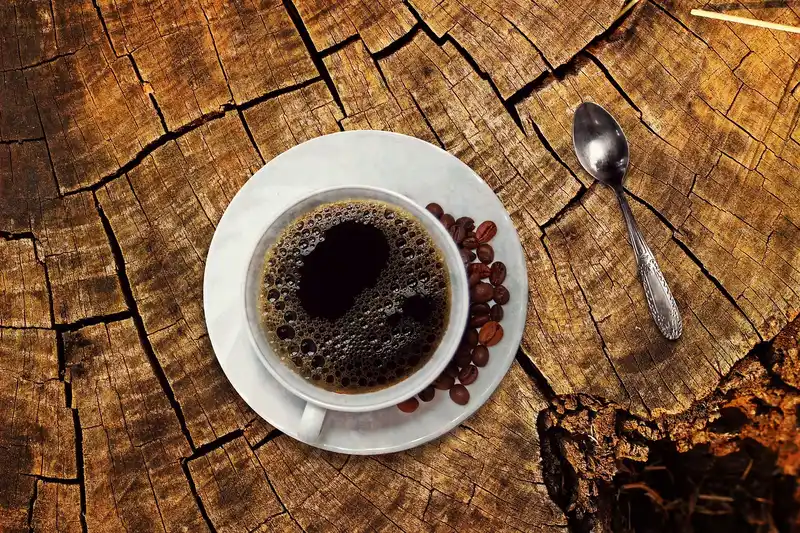
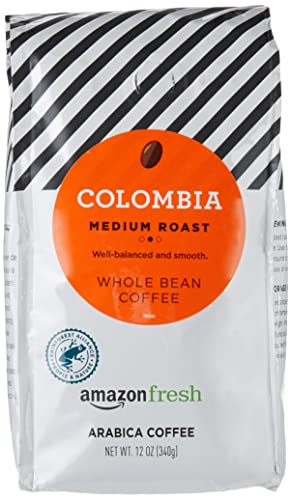


Beginners usually shop in the wrong order. They see Ethiopia, Colombia, washed, honey, altitude, farm name, then buy a bag that sounds impressive but fights their brewer.
A better order is simple: brewer first, roast level second, flavor profile third, then bean format and freshness. Origin and processing still matter, but I put them later, after the coffee fits the setup on the counter. If you already know whether you mainly brew espresso at home, use a drip coffee brewer, or prefer a French press routine, your bean shortlist gets much easier fast.
The four main home setups
Espresso machine: Needs beans that extract well under pressure. Medium to medium-dark is the safest start, especially for milk drinks.
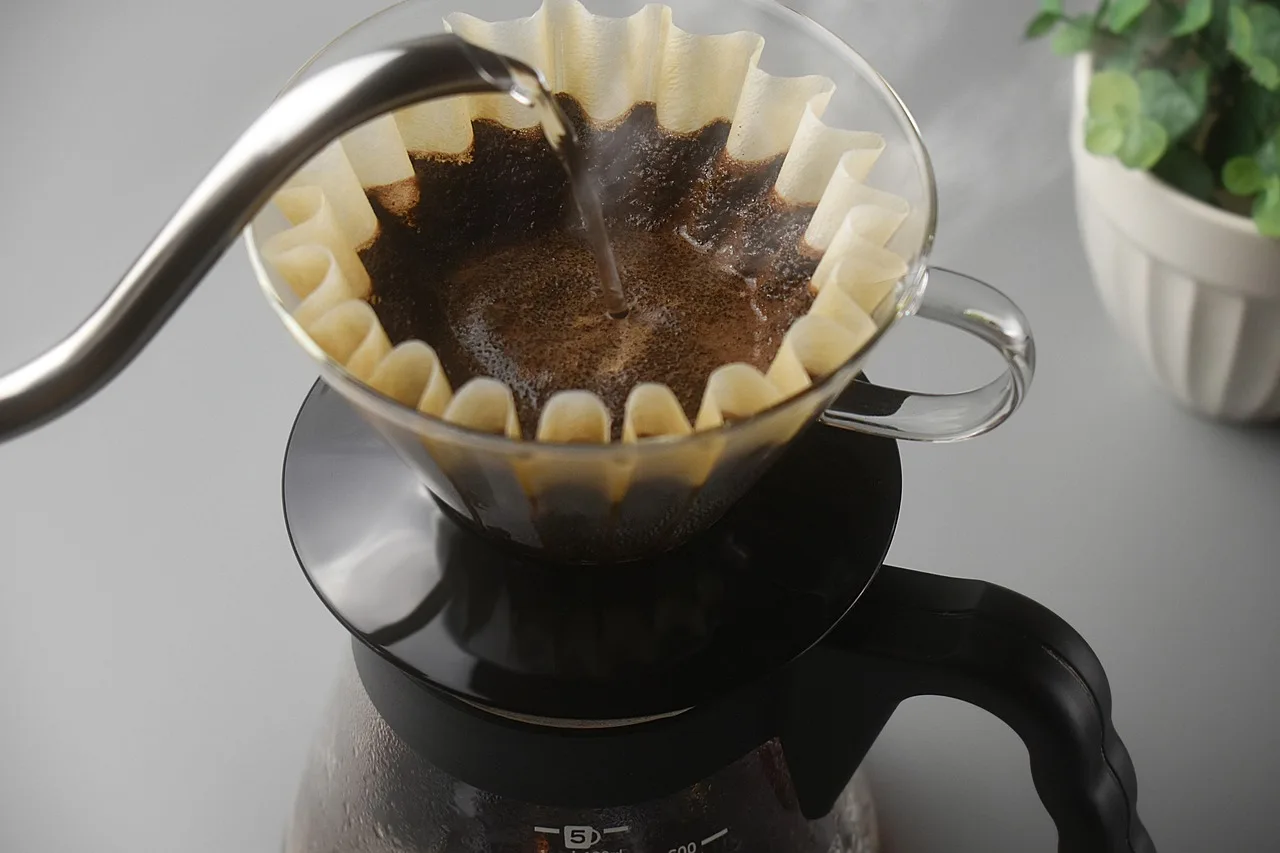
Drip brewer: Usually does best with medium roasts and clear, familiar notes like chocolate, caramel, and nuts. It can handle lighter coffee than many entry espresso setups.
French press: Works well with medium to dark roasts and fuller profiles. It tends to flatter body and round sweetness more than high-acid detail.
Bean-to-cup machine: Usually prefers forgiving beans. Medium roast blends with chocolate and nut notes cause fewer problems than very oily dark roasts or very light, fruit-led coffees.
A simple first-bag decision flow
- Pick the brewer: espresso, drip, French press, or bean-to-cup.
- Choose roast level that suits that brewer.
- Choose flavor notes you already tend to like in food: chocolate, caramel, nuts, mild fruit.
- Decide whole bean or pre-ground based on whether a grinder is available.
- Check roast date and skip bags that are either too fresh for the setup or clearly old stock.
- Only then use origin and processing to refine the choice.
This order lines up with a common beginner priority: taste first, brew second, freshness third, bag size fourth. It keeps the first purchase practical instead of aspirational.
Choosing beans specifically for French press
French press brewing demands freshly roasted whole beans in the medium to medium-dark range to deliver a full-bodied, clean cup. The right origin and processing method directly shape your result: Brazilian or Colombian beans provide heavy body and chocolate notes, while washed Ethiopian coffees offer brighter acidity. Stale beans or an incorrect grind size quickly produce sludge, bitterness, or a thin brew.
Matching your bean selection to a specific flavor target—whether bold, light, or balanced—removes the guesswork from immersion brewing. Our guide on French press coffee beans breaks down how roast level, origin, freshness, and grind size work together so your press pot consistently produces a rich, sediment-free cup.
Selecting Optimal Beans for Pour-Over Brewing
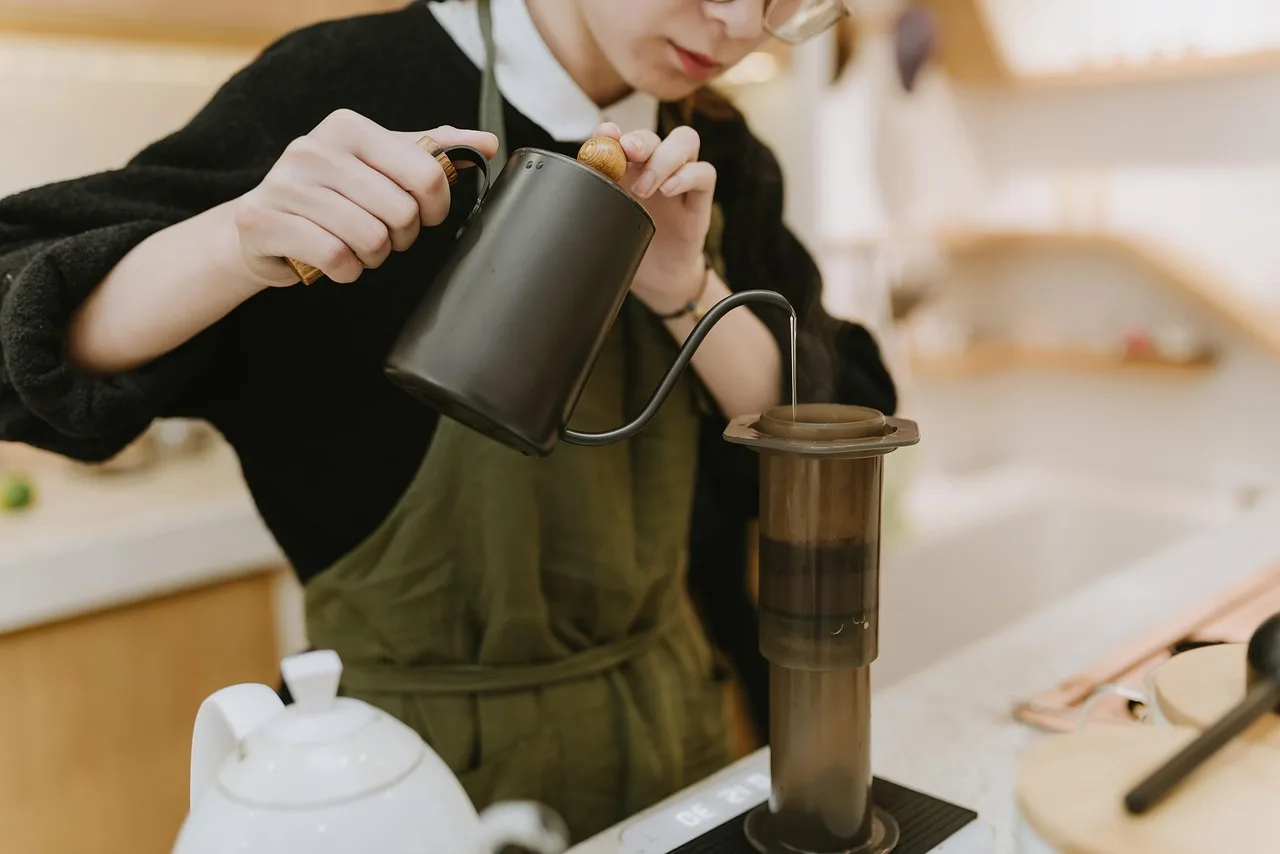
Pour-over methods highlight specific bean characteristics that other brewing styles often mask. To achieve a clear, vibrant cup, prioritize light to medium-light roasts, single-origin sources, and washed processing methods. These choices ensure distinct acidity and flavor clarity, preventing the muddy or flat results common with darker roasts in this brewer. best pour-over beans detail exactly how roast level and origin interact with your dripper to shape the final taste profile.
Freshness remains critical; beans roasted within 2 to 4 weeks deliver the most consistent results. This guide moves beyond generic advice by matching specific bean profiles, such as floral Ethiopian lots or balanced blue-roasted options, to your skill level and equipment. Understanding these pairings helps you select coffee that leverages the pour-over method’s precision rather than competing against it.
Matching beans to your home espresso setup
Choosing the right espresso beans depends heavily on your specific machine capabilities and grinder stability, not just flavor preference. Our guide on home espresso beans breaks down which roasts work best for balanced shots versus milk drinks, helping you avoid common issues like sour or bitter results. It includes a direct comparison of popular brands like Lavazza, Illy, and Counter Culture, tailored to whether your grinder can handle fine, even grinds. Use this breakdown to align your bean choice with your equipment for consistent, high-quality extraction at home.
Choosing the Right Beans for Cold Brew
The guide breaks down exactly which beans deliver a smooth, low‑bitterness cold brew and why the choice matters for every cup. It explains that medium to medium‑dark roasts with a coarse grind and a 1:8–1:12 brew ratio produce the best balance, and it shows how to tweak the ratio for black, milk‑based, or concentrate styles. By comparing roast levels, origins, and grind size, the article lets you avoid thin or muddy brews and pick beans that match your preferred strength. Use the decision table and quick picks to buy the perfect cold brew beans without trial‑and‑error.
Selecting Beans for Intense Flavor Profiles
If you prefer a punchy cup that cuts through milk or sugar, medium-dark roasts and Robusta-dominant blends offer the highest caffeine content and boldest taste. Choosing the wrong roast or bean variety often results in a bitter, harsh cup rather than the desired intensity. For a detailed breakdown of specific brands and roast levels that deliver maximum strength without excessive bitterness, check out strong coffee beans. This guide helps you match specific bean profiles to your brewing method, ensuring you extract full flavor and avoid weak, watery results.
What are coffee beans?
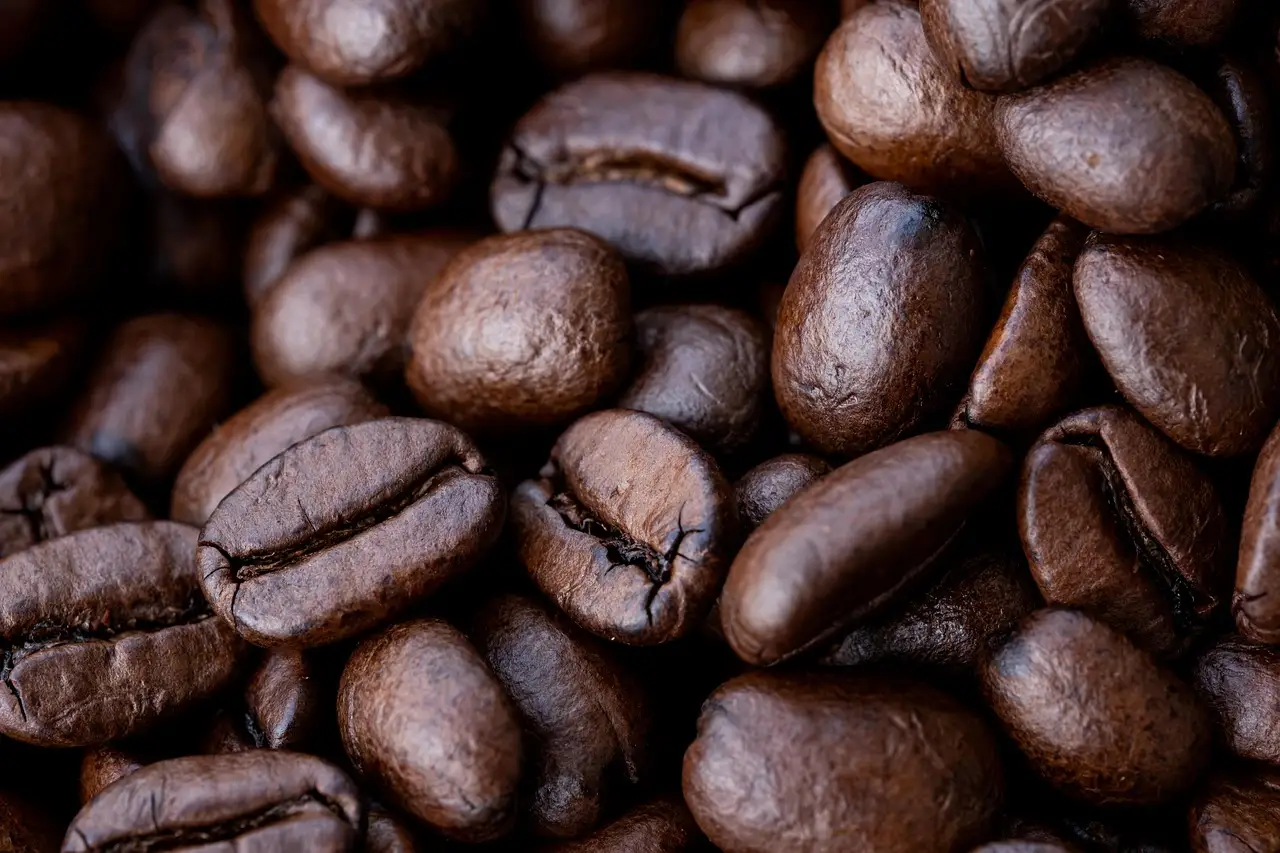
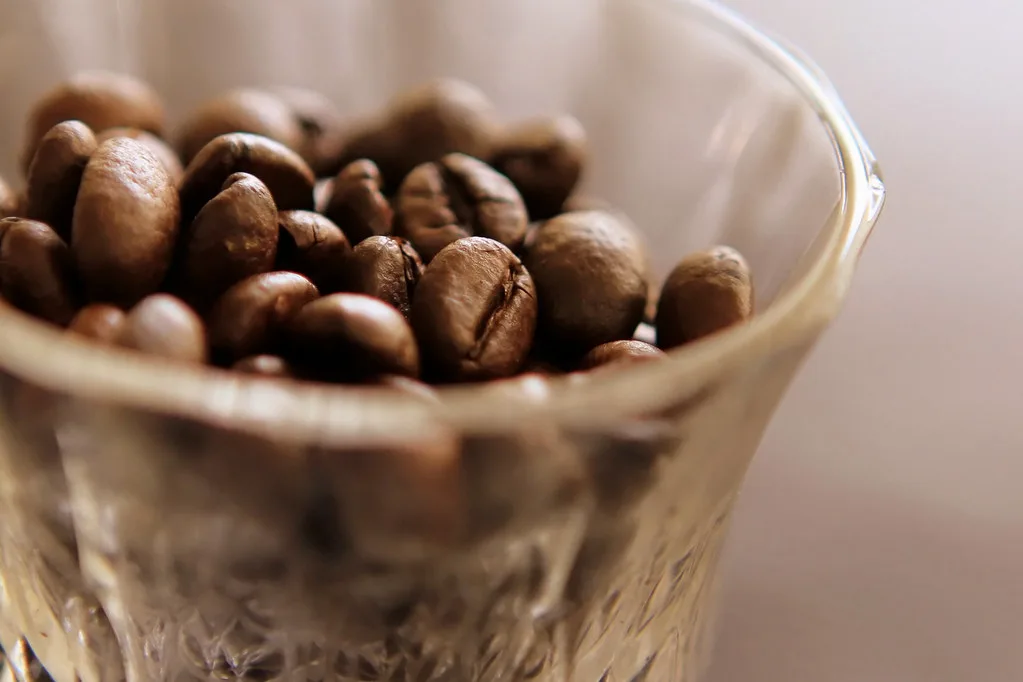
Coffee beans are the roasted seeds taken from the pit inside the fruit of the coffee plant, after the cherry is picked, processed, dried, and roasted, and coffee is brewed from roasted, ground coffee beans. For a beginner, that basic definition matters less than three buying factors: roast level, freshness, and grind fit. Green coffee means the raw seed before roasting, and roasting is what turns that pale, grassy seed into the brown beans sold for brewing.
What the basic definition explains
The core idea is simple: the coffee bean is the seed of the coffee plant. Coffee often tastes bitter, but the cup can swing a long way depending on roasting, grinding, and brewing.
That is why plant trivia should stay in the background during a first purchase. Knowing the bean came from inside a coffee fruit will not help much if the bag is stale or the grind is wrong for the machine.
From green coffee to the bag on the shelf
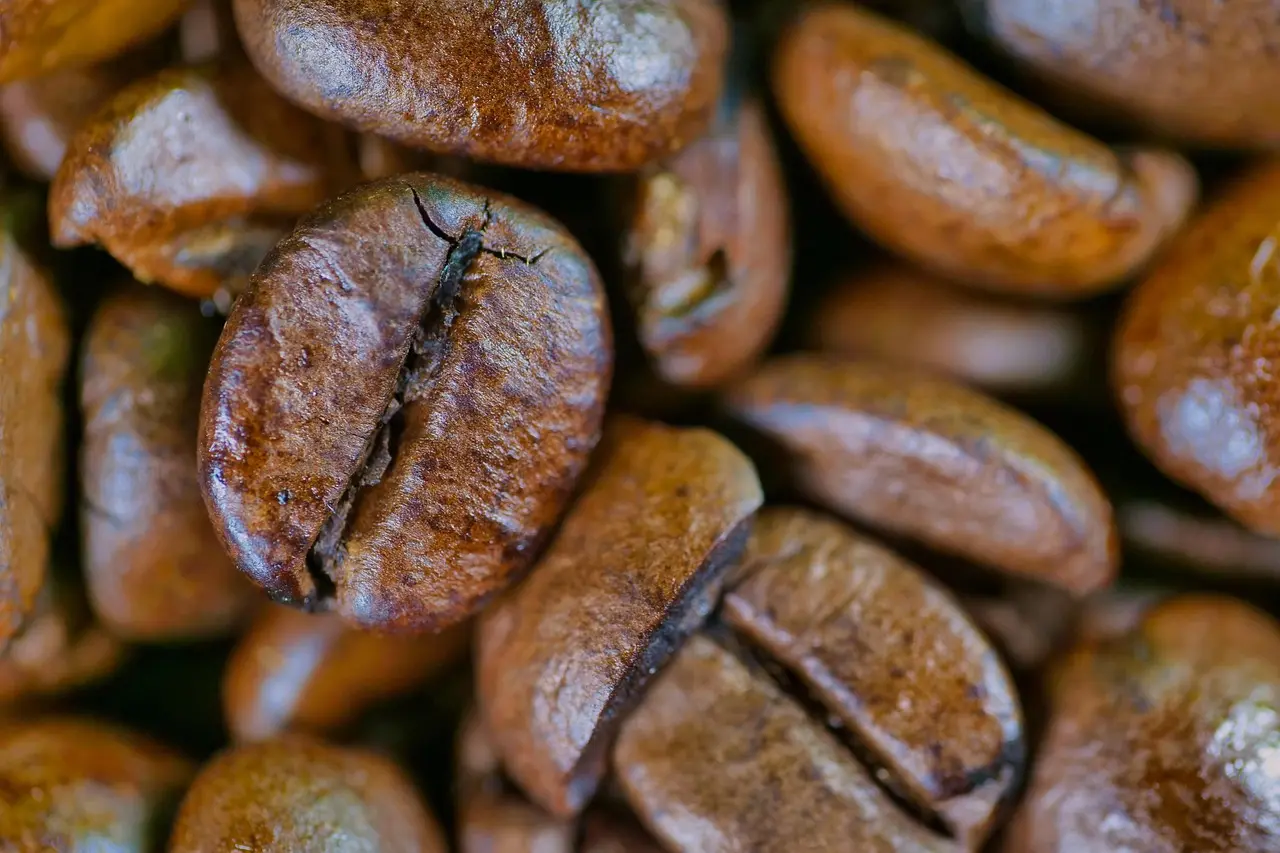
Green coffee is the raw seed before roasting. Roasting changes aroma, sweetness, bitterness, and how easily the coffee extracts. A very light roast may keep more origin character and acidity, while a darker roast pushes more roast flavor into the cup.
Coffee is often introduced as having originated in Yemen, but that history does not tell a beginner whether the bag suits a drip brewer or bean-to-cup machine. Equipment fit comes first.
How much caffeine is in coffee beans?
A coffee bean contains only a small amount of caffeine, but the total adds up fast if you count by handful instead of by weight. This guide breaks down the per-bean estimate, shows how roast level and bean type affect caffeine, and explains why decaf beans still contain trace amounts.
That matters if you are trying to control your daily intake, avoid overdoing a dose, or compare beans to brewed coffee. For a clear estimate and practical comparison, see coffee bean caffeine basics.
Which coffee beans are best for beginners?
The best coffee beans for beginners are usually medium-roast coffees with chocolate, caramel, nutty, or gentle fruit notes that fit the brewer being used. I find these profiles easier to brew well than very light, fruit-forward coffees, which often need tighter control of grind size, water temperature, and extraction time.
Start with flavor notes that forgive small mistakes
Flavourful beginner-friendly profiles can be chocolate, caramel, and nutty. They stay pleasant even when the brew runs a little fast, a little slow, or a little cool.
Fruit-forward, citrus, and floral coffees need more precision. On a capable grinder and a well-tuned brewer, they can be excellent. On an entry setup, they are more likely to read as sharp, sour, thin, or confusing.
The safest first choices by brewer
- Espresso: Medium or medium-dark blend, chocolate, caramel, toasted nut, mild dried-fruit notes.
- Drip: Medium roast, washed or balanced blend, cocoa, caramel, almond, soft stone-fruit notes.
- French press: Medium to dark roast, fuller-bodied blend or low-acid single-origin, dark chocolate, hazelnut, brown sugar notes.
- Bean-to-cup: Medium roast blend, low-acid, low-oil surface, milk-chocolate, biscuit, nut, caramel notes.
When to avoid very light, fruit-led coffees
A beginner should usually avoid buying a very light roast with loud berry, citrus, or floral notes as the first bag, especially for espresso or bean-to-cup use. Those coffees can be great, but they ask more of the grinder and the brewer.
This is a common failure case: the bag is excellent, yet the coffee tastes sour and hollow because the setup cannot extract it well. The bean gets blamed. The mismatch is the real problem.
Milk changes what “beginner-friendly” means
If the main drinks are cappuccinos, lattes, or flat whites, the bean has to cut through milk. Medium-dark blends and some Arabica-Robusta blends work well here because they bring body, roast sweetness, and a more obvious coffee taste.
Subtle floral notes often disappear in milk. Chocolate, caramel, cocoa, and nut notes usually survive.
Best Coffee Beans for Pour-Over
Pour-over brewing demands beans that highlight clarity and brightness, making roast level, origin, and processing method critical to your cup. Light to medium-light roasts, especially single-origin washed beans roasted within two to four weeks, deliver the crisp acidity and nuanced flavors that pour-over is known for. Choosing poorly can leave even a skilled brew flat or bitter. Best pour-over coffee beans guide breaks down how different roasts, processes, and origins perform across popular pour-over brewers, and offers practical recommendations including Ethiopian light roasts for floral notes, medium roasts for balance, and chocolate-forward options.
Best beans for sensitive stomachs
If coffee tends to trigger reflux, nausea, or stomach pain, the supporting guide helps you narrow the field fast: low-acid, medium-to-dark roast Arabica beans, plus lower-caffeine choices and gentler brew methods like cold brew or paper-filtered drip. It also explains why acidity, caffeine, roast level, and filtration all affect irritation risk, so you can choose beans based on comfort instead of guessing. Use this section to connect flavor preferences with tolerance, then see the full sensitive stomach guide for a practical breakdown of which bean types are most likely to sit well.
Beans for a smoother cup
If you want coffee that tastes mellow instead of sharp, this guide breaks down which beans usually deliver that profile and why. It explains how medium and medium-dark roasts, origins such as Brazil, Colombia, Sumatra, and Nicaragua, and processing methods like natural or washed can shift a cup toward chocolate, caramel, nuts, and a fuller body. That matters because the wrong combination can leave you with extra acidity, a thin finish, or bitterness when you were aiming for balance. The smooth coffee beans guide helps you match bean choice to the kind of softness you want, so you can shop with more confidence and waste fewer bags on the wrong flavor profile.
Choose beans based on how you serve iced coffee
Iced coffee is less about one “best” bean and more about matching the roast to the drink you’re making. The supporting guide to iced coffee beans explains which roast levels and flavor profiles work best for black iced coffee, milk-based drinks, and cold-brew-style cups, plus how grind size affects dilution. That matters because ice flattens aroma and can make the wrong beans taste thin, bitter, or overly acidic.
Use it to narrow your choice fast: lighter, brighter beans for crisp black cups; medium to medium-dark roasts for milk drinks; and sweeter, denser medium roasts for longer-steeped iced coffee. The result is a drink that still tastes balanced after the ice melts.
Choose beans that hold up in milk
If you want a latte, cappuccino, flat white, or mocha that still tastes balanced after milk is added, the next step is choosing beans with enough body, sweetness, and roast depth. The supporting guide on lattes and milk drinks explains which medium to medium-dark roasts work best, when blends outperform single-origin beans, and how flavor notes like chocolate, caramel, and nutty cocoa translate in steamed milk.
It also helps you avoid common misses: overly bright light roasts, beans that turn thin in milk, and espresso blends that taste bitter instead of rich. That makes it a practical shortcut for shopping with the drink you actually plan to make, not just the bean label.
What’s the difference between Arabica and Robusta?
Arabica and robusta are the two coffee species beginners will see most often on retail bags and cafe menus. Arabica often tastes milder and is commonly preferred for specialty coffee, while robusta is often described as stronger and more bitter and may have more caffeine than Arabica. Beginners should choose between them based on brewer, body preference, and whether milk drinks are the goal, which matches broad guidance from World Coffee Research and species background from the National Coffee Association.
Arabica coffee beans
Arabica coffee beans make up the majority of global production and are commonly preferred in specialty coffee. For a beginner, the main point is taste: Arabica often gives a milder profile, more aroma detail, and a wider range of sweetness and acidity.
That makes Arabica a safe start for drip, pour-over style brewing, and many medium-roast whole-bean options.
Robusta coffee beans
Robusta coffee beans usually taste stronger and more bitter than Arabica, and they contain higher caffeine than Arabica. They are often used in espresso blends where extra body, heavier crema, and a punchier cup are welcome.
Robusta is not automatically a bad choice. For milk drinks or for drinkers who want a firmer, darker coffee taste, some robusta can make sense.
When an Arabica-Robusta blend makes sense
A beginner using an espresso machine or bean-to-cup machine may do well with a blend that includes some robusta. It can bring body and make the shot feel stronger in milk.
For black coffee from drip or French press, 100% Arabica is often the easier starting point because the flavor is usually less aggressive and more open.
Body, crema, and caffeine trade-offs
Arabica often gives more nuance. Robusta often gives more force. That is the useful frame.
There is also a common mistake around caffeine and roast. Stronger-tasting dark or robusta-heavy coffee can feel more caffeinated, but roast level and intensity of flavor are not the same thing. Do not assume dark roast automatically means more caffeine.
| Type | Typical flavor | Body and crema | Caffeine tendency | Best beginner use |
|---|---|---|---|---|
| Arabica | Milder, sweeter, more aromatic, often more acidity | Lighter to medium body; less crema emphasis | Usually lower than robusta | Drip, filter, black coffee, versatile medium roasts |
| Robusta | Stronger, earthier, more bitter | Heavier body; often more crema in espresso blends | Usually higher than arabica | Milk drinks, stronger espresso style, some bean-to-cup use |
| Blends | Balanced for consistency; can combine sweetness and punch | Depends on recipe; often designed for stable body | Varies by composition | Safest all-round start, especially espresso and milk drinks |
How do roast levels change flavor?
Roast level changes how much of the cup tastes like the bean itself and how much tastes like the roast. Light roast often tastes brighter and clearer, medium roast more balanced, and dark roast more roast-driven. Beginners usually get the easiest results from medium roasts matched to their brewer, which broadly aligns with roast descriptions from the National Coffee Association.
Light roast
Light roast keeps more acidity and more distinct origin character. That can mean citrus, florals, tea-like texture, or fresh fruit.
It also has a lower margin for brewing error. If the grinder is inconsistent or the brewer runs cool, a light roast can quickly taste under-extracted and sour. For beginners, light roast suits capable drip brewing better than entry espresso or many bean-to-cup machines.
Medium roast
Medium roast is the easiest entry point for many brewers because it balances sweetness, acidity, and body. It still leaves room for origin character, but it is less demanding than light roast.
If you want one versatile first bag, medium roast is often a good starting point. It works across drip, French press, and many espresso setups.
Dark roast
Dark roast shifts the cup toward roast flavor: cocoa bitterness, smoke, toasted sugar, and heavier body. It often works well in milk drinks and can be forgiving in French press or some espresso setups.
Very dark coffee can lose origin clarity and sometimes show more surface oil. In some bean-to-cup machines, oily beans are not the easiest choice.
Caffeine perception versus roast reality
Beginners often think dark roast means more caffeine because it tastes stronger. That is a flavor impression, not a reliable caffeine rule.
The better way to choose roast is by taste and brewer fit. Pick light for filter clarity, medium for all-purpose balance, and dark when roast-forward flavor or milk-drink performance matters most.
Should I buy whole beans or pre-ground coffee?
Whole beans are usually the better choice because a sealed bag of whole coffee loses aroma and flavor more slowly than the same coffee after grinding, and it lets the grind match the brewer. Pre-ground is still acceptable for beginners without a grinder, especially for drip or French press, as long as the grind is bought for that exact brew method and used promptly.
Why whole beans usually win
Grinding exposes much more surface area, so aroma escapes faster and staling speeds up. That is why whole bean keeps considerably longer than pre-ground.
Whole beans also let one bag work across different brewers if the grind can be changed. Espresso needs a very different grind from French press. A single pre-ground setting cannot do both well.
When pre-ground is acceptable
Pre-ground coffee is a reasonable start when there is no grinder and the brewer is simple, such as drip or French press. It is much less ideal for espresso, where grind precision matters a lot.
If buying pre-ground, choose a small bag, match it to the exact brewer, and pay extra attention to roast date. The useful window is shorter.
Equipment compatibility matters
Bean-to-cup machines are generally meant to use whole beans. Espresso machines without a good grinder are where many beginners struggle most.
If the setup is an entry espresso machine and there is no capable grinder, a forgiving medium-roast espresso blend from a shop that can grind for that machine may outperform random whole beans ground poorly at home.
Whole bean dosing guidelines
Consistent extraction depends on precise dosing. For drip coffee, the standard ratio is 15 to 18 grams of whole beans per 8-ounce cup. This range prevents weak, thin flavor or over-extracted bitterness. The specific amount shifts based on your cup size and whether you are measuring by weight or volume.
Understanding why whole beans measure differently than ground coffee helps calibrate your technique. A full breakdown of cup-size conversions, tablespoon estimates, and methods to correct weak or strong brews is available in this guide on whole bean dosing. Use these benchmarks to establish your baseline before adjusting for personal taste preferences.
Calibrating Your Daily Dose
Consistent brewing starts with the right starting point. For a standard 8-ounce cup of drip coffee, aim for 15 to 18 grams of whole beans, which translates to roughly 2 to 2.5 tablespoons before grinding. This specific ratio balances flavor extraction, preventing the thin taste of under-dosing or the bitterness of over-dosing. Detailed conversions for different cup sizes are available in our guide on whole bean dosing.
Using precise measurements allows you to adjust for personal taste without wasting beans. Whether you prefer a lighter or stronger cup, understanding these base ratios gives you the control to dial in your perfect brew every time.
How do I read a coffee bag label?
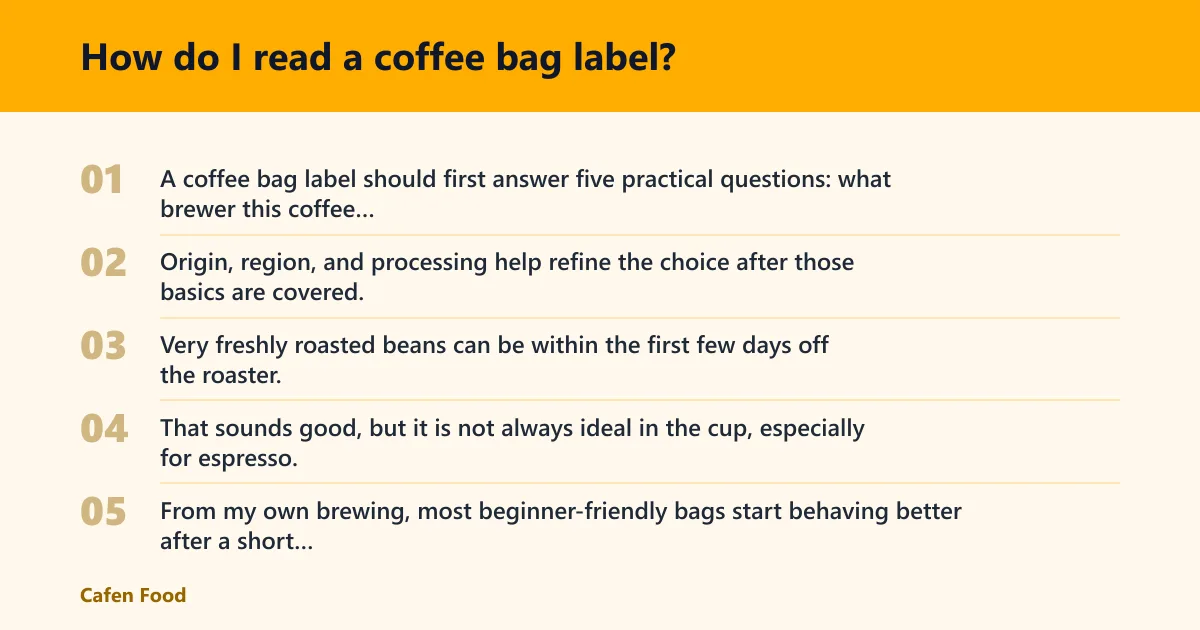
A coffee bag label should first answer five practical questions: what brewer this coffee suits, when it was roasted, whether it is whole bean or pre-ground, what flavor notes to expect, and whether it is a blend or single-origin. Origin, region, and processing help refine the choice after those basics are covered.
Roast date, degassing, and best-after timing
Very freshly roasted beans can be within the first few days off the roaster. That sounds good, but it is not always ideal in the cup, especially for espresso, because the coffee is still releasing gas.
From my own brewing, most beginner-friendly bags start behaving better after a short rest, especially espresso. A practical rule is to look for a roast date and buy with enough time for some degassing, while remembering that exact sweet spots vary by roast style, packaging, and brew method. Guidance from the Specialty Coffee Association on controlled brewing and from the National Coffee Association on storage support treating freshness as a window, not a same-day requirement.
Staleness signs include dull aroma, a papery or woody smell, thin body, and flat flavor. Espresso may also lose crema quality.
Origin terms that actually help
Country gives a broad taste clue. Region narrows that clue. Farm, co-op, or lot gives more traceability and often a more specific profile.
Useful beginner depth is enough. A country or region can hint at what is in the cup, but it should not outrank brewer fit and roast level. Buy the coffee that suits the machine first.
Processing methods in plain language
Washed coffees usually drink cleaner and show clearer acidity. Natural coffees usually taste fruitier and heavier. Honey coffees often sit between the two for many drinkers, with some fruit sweetness and some clarity. Those broad differences are consistent with processing overviews from World Coffee Research and sensory standards used by the Specialty Coffee Association.
Processing is not bag trivia. It changes what the cup feels like. For a beginner, washed is often the easiest read. Natural can be fun, but it can also be loud.
What single-origin and blends mean
Single-origin coffee comes from a specific origin and may include region, altitude, and processing cues that create a more distinct flavor. That can be great for black coffee drinkers who want to notice differences.
Blends combine coffees for consistency, batch-to-batch reliability, and a more stable flavor profile. They are often forgiving and especially practical for milk drinks. Single-origin is not always better.
What tasting notes really tell you
Tasting notes are not flavor additives. They are a guide to what the coffee may remind you of.
For a first bag, notes like milk chocolate, caramel, almond, hazelnut, biscuit, or soft red fruit are easier than bergamot, jasmine, grapefruit, or fermented berry.
Beginner bean selection matrix and buy/skip checklist
How I built this matrix: I brewed coffees across these roast and brewer combinations at home, then compared where beginners are most likely to get sweet, balanced cups without constant dialing-in. I also weighed common machine limits, especially weaker grinders, cooler brewers, and bean-to-cup machines that dislike oily coffee.
One-page beginner bean selection matrix
| Brew method | Best starting roast level | Best starting bean style | Origin style to look for | Flavor notes to look for | Usually skip at the start |
|---|---|---|---|---|---|
| Espresso | Medium to medium-dark | Blend or balanced single-origin | Chocolate-leaning Latin American style; classic espresso blend; some Arabica-Robusta blends for milk drinks | Cocoa, caramel, toasted nuts, brown sugar, mild dried fruit | Very light, floral, sharp citrus coffees without a strong grinder |
| Drip | Medium | Washed single-origin or balanced blend | Country and region listed clearly; washed coffees are a safe start | Chocolate, caramel, almond, soft apple or stone fruit | Extremely dark oily beans or ultra-light high-acid coffees |
| French press | Medium to dark | Blend or lower-acid single-origin | Origins known for body and sweetness; blends work well | Dark chocolate, hazelnut, toffee, brown sugar | Delicate floral light roasts that can turn thin or sharp |
| Bean-to-cup | Medium | Forgiving blend | Consistent blend; low-drama label with clear roast date | Milk chocolate, biscuit, nut, caramel | Very oily dark roasts, very light fruit-forward coffees |
Buy checklist
- Roast date is clearly printed.
- The coffee sits roughly in the one week to eight weeks after roasting window.
- Roast level fits the brewer.
- Tasting notes are familiar and easy to brew well.
- Whole bean or pre-ground matches the equipment.
- The bag explains origin and processing in plain terms.
- For milk drinks, the bag looks built for body rather than delicate acidity.
Skip checklist
- No roast date.
- Only hype, with no useful brewer or roast information.
- Very light, fruit-led coffee for entry espresso or bean-to-cup use.
- Very dark oily beans for machines that dislike oily coffee.
- Pre-ground coffee bought without matching the grind to the brewer.
- Single-origin chosen only because the origin sounds impressive.
Optimizing bean selection for automatic drip machines
Automatic drip brewers have less forgiving extraction windows than manual methods, so bean selection matters more than origin prestige. Best drip coffee beans article outlines specific bean profiles that maintain flavor clarity even when grind consistency or dosing varies slightly. This matters because drip machines extract slower and can easily scorch delicate light roasts or under-extract heavy dark roasts without precise calibration.
The guidance highlights medium roast whole beans as the most reliable all-purpose choice, offering a wider margin for error that results in a cleaner cup. It also identifies low-acid Colombian varieties for sensitive drinkers and bright Ethiopian Yirgacheffe options for those seeking acidity without the risk of sourness. Matching the bean’s roast level and processing method to your machine’s extraction characteristics ensures you get consistent flavor without needing to micromanage every variable.
How fresh should coffee beans be and how should I store them?
Coffee beans should be fresh enough to still smell lively and brew with clarity, but not so fresh that trapped gas disrupts extraction. Very freshly roasted beans can be within the first few days off the roaster, while flavour is most expressive roughly one week to eight weeks after roasting for many beginners.
How fresh is fresh enough
The most useful buying advice is specific. Coffee does not need to be roasted yesterday.
Very freshly roasted beans can be within the first few days off the roaster. That can be too early, especially for espresso. For most beginners, the most expressive window is roughly one week to eight weeks after roasting. That is a broad, practical target rather than a fussy one, and in my own brewing it holds up best for medium roasts bought in normal retail quantities.
Degassing and why “too fresh” exists
Fresh coffee releases carbon dioxide after roasting. This is called degassing.
If the coffee is extremely fresh, the gas can interfere with brewing. Espresso is where beginners notice it most: uneven flow, wild crema, and shots that taste unsettled. Drip and French press are usually more forgiving, but even there, a little rest often helps. For home storage basics, the National Coffee Association recommends cool, dry, airtight storage away from moisture, heat, and light.
Staleness indicators
Stale coffee often smells muted or dusty. The brewed cup can taste flat, woody, or empty through the middle.
In espresso, crema may look weak or vanish quickly. In drip coffee, sweetness drops off and the finish feels short. If the aroma from freshly ground coffee barely lifts out of the brewer, age is a likely reason.
How should I store coffee beans at home?
Heat, light, moisture, and oxygen all degrade coffee faster. Good home storage is simple: keep beans in a well-sealed bag or container, at room temperature, in a dark, dry cupboard away from the kettle, oven, sunny windows, and fridge humidity. If you want a deeper step-by-step routine, see this guide on how to store coffee beans.
There is no need to make storage more complicated than that for a first bag. The aim is to slow exposure, not to build a lab.
Frequently asked questions
What tasting notes should I look for as a beginner?
Look for tasting notes like chocolate, caramel, nuts, biscuit, and mild fruit because they are easier to brew well and easier to recognize. Floral, citrus-heavy, and fruit-forward coffees can be excellent, but they usually need more precision. Start with familiar notes before chasing high-acid or highly aromatic profiles.
What does single-origin mean on a coffee bag?
Single-origin means the coffee comes from one specific origin rather than being blended from multiple sources. The bag may name a country, region, farm, co-op, or lot, and sometimes altitude or processing. Single-origin coffees often taste more distinct, while blends usually give more consistency and easier repeat buying.
How fresh should coffee beans be?
Coffee beans should usually be bought with a clear roast date and used in a practical window rather than judged by “fresh” alone. Very freshly roasted beans can be within the first few days off the roaster, while flavour is most expressive roughly one week to eight weeks after roasting for many beginners.
Can I use the same beans for drip coffee and espresso?
Yes, but medium roasts are the safest overlap. A balanced medium roast can taste good in drip and still extract reasonably well as espresso, especially if it leans chocolatey or nutty. Very light filter coffees and very dark oily espresso roasts are usually less flexible across both methods.
Are expensive single-origin beans better for beginners?
Not necessarily. Expensive single-origin coffee can be excellent, but it can also be harder to brew well and less forgiving of weak grinders or unstable brewers. Most beginners get more reliable results from a fresh medium roast with clear tasting notes and a roast profile that suits their brewer.
Sources
- National Coffee Association: Coffee Roasts Guide
- National Coffee Association: How to Store Coffee
- Specialty Coffee Association
- Specialty Coffee Association: Research, Protocols & Best Practices
- World Coffee Research
- World Coffee Research: Sensory Lexicon
Products related to this article
Sponsored / affiliate links. As an Amazon Associate I earn from qualifying purchases. I may earn additional commission from eligible campaigns.