Buy coffee with a roast date, brew filter coffee after a few days and within a few weeks of roasting, espresso a bit later and within a few weeks of roasting, and choose a bag size you’ll finish within a couple of weeks or so after opening. Miss that window and coffee loses range fast: espresso starts running unpredictably, filters drop sweetness, and large bags often taste tired well before you reach the bottom. This guide sets freshness targets by brew method, explains roast date versus best-by date, and shows how to buy and store 12 oz and 2 lb bags.
What coffee freshness actually means


Freshness is a moving window after roasting
Coffee freshness is not a fixed expiry point. I treat it as the stretch after roasting when aroma, sweetness, and extraction still line up for the brew method in front of me. That window shifts with roast age, bag size, how fast the coffee gets used, and whether the coffee is whole bean or ground.
That distinction matters because a bag can be past its peak and still make a good cup. It can also still be drinkable while already tasting flat, dry, or hollow.
Peak freshness versus acceptable freshness
Peak freshness is when the coffee tastes and behaves closest to its best. Acceptable freshness is the wider stretch where it still brews well enough, even after sweetness, aromatic lift, or texture have started to slip.
Koffee Kult says coffee is at peak flavor within the first 2-3 weeks after roasting. Blueprint Coffee says coffee is best from 2 to 30 days after roasting. Those ranges help, but they do not tell you what to buy. A 12 oz bag in one home and a 2 lb bag in another can land very differently inside the same date range.
Why the cup changes over time
Freshness fades because aromatics thin out, oxygen reacts with exposed coffee, and the gas left from roasting drops over time. Ground coffee loses aroma and flavor compounds rapidly once exposed to air. In the cup, I see that as weaker dry fragrance, a quieter bloom, thinner body, and flavor that falls away faster after brewing.
CO2 matters too. Brewed Barista says CO2 release is fastest in the first 48 hours after roasting. That early gas can help bloom in filter brewing, but too much of it can disrupt even extraction, especially in espresso.
Buying small-batch coffee to preserve peak flavor
Coffee beans lose their brightest flavors within one to two weeks of roasting, so buying 10 to 12 oz bags matched to your weekly consumption prevents staleness and wasted money. Roasters who print a clear roast date let you time your purchases precisely, ensuring every brew tastes consistent rather than flat.
Choosing the right bag size depends on how much you drink and which brew method you use daily. Our guide to small batch coffee beans breaks down specific picks for light-roast fans, frequent brewers, and bright filter coffee drinkers, along with a practical framework for matching roast level and bag size to your routine.
Choose the Roast Level That Keeps Coffee Tasting Fresh
If you want the brightest, most aromatic cup, the supporting guide explains why light roast usually delivers the freshest-tasting profile, while medium-light offers a more balanced option and dark roast shifts toward a heavier, roast-forward taste. It also shows how roast level affects perceived freshness, bitterness, and body, so you can match the beans to the flavor you actually want.
This matters because freshness is not just about age; the wrong roast can make coffee taste flat even when it is still within its best window. See the full best roast level guide for a clear breakdown of which roast works best for different brew methods and everyday drinking.
Should I trust roast date or best-by date?
Trust the roast date first. It tells you the coffee’s actual age, so you can judge the useful brew window with some confidence. A best-by date usually sits much later, which means it says little about flavor quality, bloom, or shot behavior.
Why roast date is the better signal
Roast date is the main freshness signal because coffee usually tastes best in a post-roast window, not the day it was roasted and not months later. If the bag has a roast date, the home brewer can decide to rest it, brew it now, or skip buying too much.
Koffee Kult describes the classic freshness rule as use within 15 days of roasting. Nawalee says coffee is in the sweet spot from 4 to 14 days after roasting. Those are broad references, but both only help if you know the roast date.
What a best-by date can still tell you
A best-by date can still tell you that the producer expects the coffee to stay safe and shelf-stable until that point if unopened. It does not reliably tell you when the coffee will taste lively. I have opened bags that were still far from the printed best-by date and already well past their best flavor.
What to do when there is no roast date
If a bag has only a best-by date or no date at all, treat it as a lower-confidence purchase. Buy smaller bags, pick whole bean over ground, and favor stores that turn stock quickly. Once opened, judge hard by aroma, bloom, crema behavior, and flavor fade rather than by the printed date alone.
If the coffee is for espresso and there is no roast date, be more careful. Espresso reacts sharply to age. For filter or cold brew, a no-date bag can still work if it tastes good, but buy it in a size that will disappear quickly.
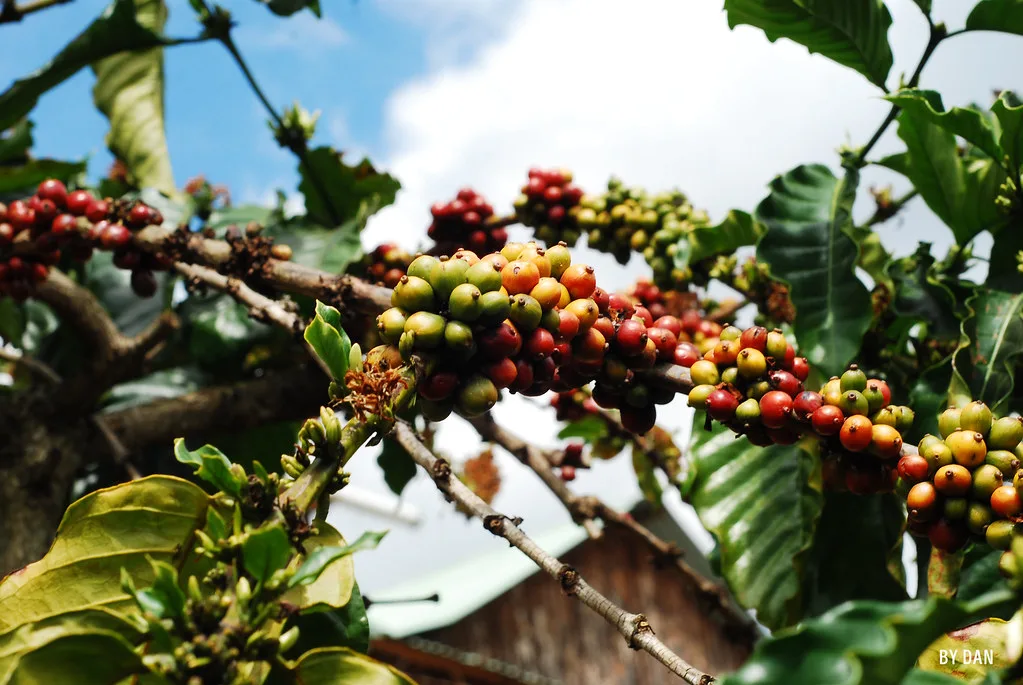
How long does coffee stay fresh?
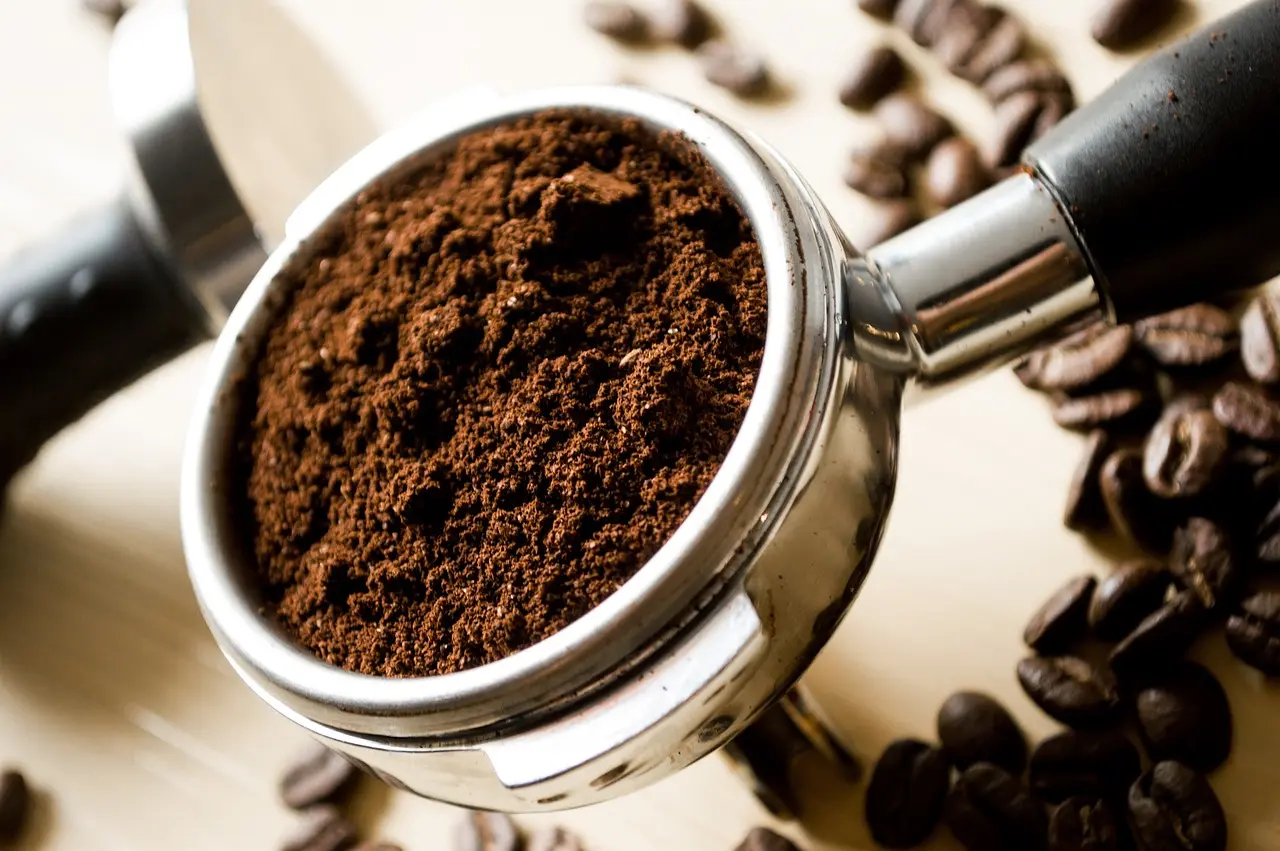
Whole bean coffee usually gives a useful drinking window measured in weeks, while ground coffee drops off much faster. The real answer depends on roast age at purchase, brew method, and how long the bag stays open. Peak freshness and acceptable freshness are different windows, and buyers need to plan for both.
A practical timeline for whole bean coffee
Brewed Barista says whole bean coffee is at its best within roughly 4 to 30 days of roasting depending on brew method. For a practical Coffee freshness guide, that broad window works better when split by method.
- Filter: day 4 to 21 is a strong target for most home brewers.
- Espresso: day 7 to 28 is a safer target because too-fresh beans can be hard to dial in.
- Immersion methods: often forgiving from about day 4 onward, though cups lose sparkle as age climbs.
- Cold brew: usually the most forgiving of older beans if the coffee is not stale or papery.
Brewed Barista places filter peak at 7 to 14 days after roasting. Blueprint Coffee says they serve filter brewed coffees up to 14 days after roasting. That backs up what I taste at home, filter coffee often has a tight peak and then a wider acceptable range.
A practical timeline for ground coffee
Ground coffee ages far faster because grinding turns a compact bean into thousands of tiny fragments, and all that new surface hits oxygen at once. Koffee Kult says pre-ground coffee stays fresh for only about a week or two after grinding. That is why pre-ground coffee should be bought in smaller amounts and opened only when it will be used steadily.
Once opened, ground coffee often moves from peak to merely acceptable very quickly. If the coffee already smells faint when dry, blooms weakly, and tastes woody or papery, the bag is already on borrowed time.
Why opened bags age differently from sealed bags
An unopened bag with a one-way valve and good seal ages slower than a bag that gets opened twice a day. Every opening pulls in oxygen and, in humid kitchens, moisture-heavy air. Large containers with lots of headspace make that worse because more trapped air sits with the coffee between brews.
That is why bag size matters so much. A 2 lb bag can be a good buy for a fast-drinking household and a bad one for a slow one, even when the roast date looks excellent.
How fresh should coffee be before brewing?
Coffee should usually rest a few days after roasting before brewing, with espresso needing the most patience. Very fresh coffee can brew unevenly because gas release is still strong. For most home brewing, filter often starts well around day 4, while espresso is steadier from about day 7.
Why coffee is often too fresh right after roasting
Right after roasting, the coffee is still pushing out gas. Brewed Barista says CO2 release is fastest in the first 48 hours after roasting. That heavy off-gassing can push water away during extraction, create an exaggerated bloom, and make espresso shots gush, choke, or swing from shot to shot.
How brew method changes the ideal rest period
Espresso is the most sensitive because pressure magnifies small changes in gas and puck resistance. Brewed Barista places espresso peak at 10 to 21 days after roasting. Blueprint Coffee says espresso is best from 7 to 30 days. Those ranges explain why beans that taste lively in a pour-over can still feel jumpy on an espresso grinder.
Filter brewing is more forgiving. Brewed Barista places filter peak at 7 to 14 days after roasting, yet many coffees can start tasting good a few days earlier if the brewer adjusts bloom and grind with care.
How to tell when a coffee needs more rest
Too-fresh coffee often shows a dramatic bloom, loud gas release, and extraction that feels hard to settle. In espresso, crema may swell quickly and look great at first, then collapse into an unstable shot with strange flow. In filter coffee, the bed can dome high during bloom, then drain awkwardly.
If the cup tastes sharp, uneven, and hollow all at once, waiting another day or two is often the right move.
Freshness windows by brew method
Espresso freshness window and failure signs
Espresso needs the narrowest decision-making because the method magnifies both too-fresh and too-old coffee. Day 7 to 28 is a practical target for many home setups. Earlier than that, gas can make dialing in erratic. Later than that, shots often speed up, crema thins, and sweetness drops.
Watch for three signals: unstable shot time despite small grinder changes, crema that looks big but dissipates quickly, and cups that turn thin before bitterness fully settles. If those show up very early, rest the bag longer. If they show up late and the dry aroma is faint, finish soon or move the coffee to milk drinks or cold brew.
Filter coffee freshness window and bloom adjustments
Filter coffee is more tolerant. Day 4 to 21 is a useful home target, with a tighter peak often around day 7 to 14. Younger coffee may need a slightly gentler bloom approach because gas release can be intense. Older coffee may need a tighter ratio or finer grind to keep the cup from tasting washed out.
As filter coffee ages, bloom height usually drops. That does not automatically mean the coffee is dead. The better test is the cup, sweetness, finish length, and whether the aromatics disappear as the coffee cools.
French press and immersion methods
Immersion brewing tends to be kinder to coffee outside its peak because saturation is more even and agitation can help extraction. A bag that is a little too old for bright pour-over often still gives a satisfying French press or Clever-style cup, especially with medium and darker roasts.
That said, stale coffee still tastes stale. If the flavors are papery, dusty, or hollow, changing the method will not rescue the bag.
Cold brew freshness and brewed storage
Cold brew is the most forgiving brew method for older beans because the process softens edges and cares less about active gas release. It does not follow hot-coffee freshness rules in the same way. Beans that are past their filter peak can still work well for cold brew if they are not oxidized to the point of tasting flat.
Brewed cold brew also stores differently from hot coffee. Once prepared, it can stay refrigerated longer than a hot brewed cup without immediate collapse, though it will still lose aroma over time. That makes cold brew a useful destination for the end of a bag.
Whole bean, ground, and packaging choices that affect freshness
Why whole bean holds up longer than ground
Whole bean coffee stays usable longer because much less surface area is exposed. Grind only what is needed for each brew if possible. Ground coffee loses aroma and flavor compounds rapidly once exposed to air, so pre-ground coffee demands tighter buying habits and less forgiving storage.
How one-way valve packaging helps
A one-way valve lets CO2 escape from freshly roasted coffee while reducing oxygen entry. On a fresh whole bean bag, that is a good sign because the roaster expects the coffee to keep releasing gas. It does not guarantee quality, but it fits recently roasted coffee better than plain unvented packaging.
When pre-ground coffee still makes sense
Pre-ground coffee still makes sense when a grinder is not available or convenience is the priority. The fix is not magical storage. The fix is buying less at a time, avoiding mystery-old inventory, and planning to use it steadily in roughly a week or two after opening.
Matching Bag Size to Your Weekly Consumption
Buying the wrong bag size leads to stale beans that brew flat and waste your money. The best small-batch beans guide breaks down how to calculate your weekly usage and select 10 to 12 oz bags from roasters who print roast dates. This approach ensures you finish the coffee before flavor peaks fade, specifically tailoring recommendations for home brewing preferences like bright filter coffee or robust house blends.
It distinguishes between specific origins, such as Ethiopian Yirgacheffe for light-roast enthusiasts, and versatile options for frequent brewers. By aligning package quantity directly with your brewing schedule, you avoid the common pitfall of storing beans past their optimal freshness window.
Choosing the right bag size for freshness
The practical rule is simple: buy the smallest bag you can finish before the coffee falls out of its freshness window. This supporting article explains how to match bag size to your drinking pace, roast type, and grind so you are not chasing the lowest per-ounce price at the expense of flavor. It also compares common sizes, from 8-ounce bags for slower drinkers to 2-pound bags for high-volume households, and shows when each one makes sense.
That matters because coffee freshness is time-sensitive: whole bean and pre-ground coffee lose quality at different rates, so the “best” size depends on how quickly you brew. For a straightforward way to choose, see the coffee bag size guide.
How should I store coffee beans to keep them fresh?
Store coffee in an airtight opaque container at room temperature, away from heat, light, and moisture. That setup slows flavor loss without creating condensation risk. The main mistakes are oversized containers, warm kitchens, humid air, and repeated opening that cycles fresh oxygen into the coffee every day.
Why airtight, opaque, room-temperature storage works
An airtight opaque container cuts exposure to oxygen, light, heat, and moisture. Those are the main enemies of flavor. Room temperature is best for daily use because it avoids the condensation risk that comes from moving coffee in and out of colder storage.
Container size matters more than many guides admit. A giant canister holding half a bag leaves a lot of air inside. A container sized close to the amount of coffee being stored leaves less headspace and slows the daily decline.
Climate-specific storage mistakes
Humid homes are rough on coffee. Every time a bag opens near a kettle, dishwasher, or stove, the coffee meets warm moist air. In dry climates the problem is mostly oxygen and heat. In humid climates it is oxygen, heat, and repeated moisture exposure together.
Two common failure cases show up fast: keeping coffee beside a sunny backsplash, and pouring a whole big bag into a frequently opened bin that lives near steam. Both shorten the bag’s useful life well before any best-by date suggests trouble.
Why refrigeration is usually a bad daily-use choice
Refrigeration is usually a poor choice for coffee used every day because beans can pick up odors and can collect condensation when moved between cold and warm air. That repeated moisture contact is worse than steady room-temperature storage in a good container.
Can freezing help?
Freezing can help when the coffee will not be opened daily and the goal is to pause aging on part of a larger purchase. The key is portioning before freezing and avoiding condensation during thawing.
- Divide the coffee into small portions sized for a few brews.
- Seal each portion tightly with as little air as possible.
- Freeze the sealed portions once, without repeated in-and-out cycles.
- When needed, remove one portion and let it come fully to room temperature before opening.
What ruins coffee here is not freezing by itself. It is exposure to moisture from opening cold coffee before it warms up, or repeatedly thawing and refreezing the same bag.
Optimal countertop containers for coffee freshness
Choosing the right container for your beans on the counter can keep coffee tasting bright for days instead of turning flat within a week. The guide “Best coffee storage methods for countertop use” breaks down the top opaque, airtight options, explains why light, heat, and frequent opening cause rapid staling, and offers a quick matrix that matches container size, material, and stacking ability to common morning routines. It also reviews the AirScape Kilo canister, a stackable food‑storage set, and a ceramic jar that blocks light, helping you decide which style fits your space and brew frequency. Learn the specifics in this countertop coffee storage article.
Space-Saving Coffee Storage for Small Kitchens
Small kitchens demand storage that blocks air, light, heat, and moisture without consuming valuable counter space. The most effective approach uses the smallest opaque airtight container you can keep cool, dark, and dry. For daily brewing, an opaque one-way-valve bag works well; for beans opened infrequently, a vacuum or gasket-sealed canister preserves flavor longer.
Choosing the wrong setup flattens aroma quickly and wastes expensive beans. This comparison of compact storage solutions covers airtight canisters, vertical wall shelves, hidden drawer organizers for pods, and cabinet bins to help you match your kitchen layout with proven freshness protection. Explore these small kitchen coffee storage methods to find the exact fit for your available space and brewing frequency.
Freshness decision matrix: brew now, rest longer, finish soon, or discard
How to use the matrix
Use roast age first, then brew method, then bag size and weekly consumption. The action should answer a practical question: start brewing, wait, drink faster, or stop. Peak freshness sits inside acceptable freshness, so the same coffee can be ideal for one household and awkward for another.
| Roast age | Brew method | Bag size | Weekly consumption | Action | Why |
|---|---|---|---|---|---|
| 0 to 3 days | Espresso | 12 oz | 1 bag or less | Rest longer | Gas release is still high and shots often swing. |
| 0 to 3 days | Filter | 12 oz | 1 bag or less | Rest longer | Can brew, but flavor and bloom are often unsettled. |
| 4 to 14 days | Filter | 12 oz | 1 bag or less | Brew now | This is commonly the strongest filter zone. |
| 7 to 21 days | Espresso | 12 oz | 1 bag or less | Brew now | Better shot consistency and more settled crema. |
| 15 to 28 days | Filter or immersion | 12 oz | 1 bag or less | Finish soon | Still workable, but aroma and sweetness start fading. |
| 22 to 35 days | Espresso | 12 oz | 1 bag or less | Finish soon | Dial-in often gets faster and less stable. |
| Over 35 days | Any hot method | 12 oz | Slow household | Discard | If papery, flat, or hollow, the bag is past its useful window. |
| 4 to 14 days | Filter | 2 lb | High-volume household | Brew now | Good purchase only if the bag will move quickly. |
| 7 to 21 days | Espresso | 2 lb | High-volume household | Brew now | Best use case for a large bag. |
| 15 to 28 days | Any method | 2 lb | Low or moderate household | Finish soon | Too much coffee remains for the likely pace of use. |
Sample scenario: 12 oz household
A household buying one 12 oz bag for weekly filter brewing usually lands in the easiest freshness zone. If the bag arrives at day 5 after roasting, the right move is brew now. If it arrives at day 1, rest longer for a few days. If half the bag remains at roughly day 24, finish soon rather than opening another bag.
This is why 12 oz is often the safer default for moderate coffee drinkers. It gives a good chance of staying inside the peak or near-peak window without needing freezer storage.
Sample scenario: 2 lb household
A 2 lb bag makes sense when the household drinks enough to clear it inside roughly 2 to 4 weeks of opening. If that bag is for daily espresso across several drinkers, brew now when it lands around day 8 to 12. If the same bag is for one weekend brewer, the correct action is usually do not buy it, or freeze most of it immediately in portions.
This is the tradeoff many guides miss. A large bag with an excellent roast date can still be the wrong purchase if the bottom of the bag will be brewed deep into the fade.
How to use the matrix when shopping
Online, check whether the seller shows roast date and whether the bag format fits the household’s weekly pace. In store, compare roast age with the method the coffee is meant for. For espresso, a bag roasted yesterday is not automatically the best option. For filter, a bag at day 8 may be perfect.
How to tell if coffee is still fresh
Fresh coffee still smells active, brews with life, and keeps flavor on the palate after sipping. Stale coffee smells faint or dusty, blooms weakly or erratically, and tastes flat, papery, or hollow. The right test combines roast age, brew behavior, and the cup rather than one signal alone.
Dry aroma and ground aroma signs
Fresh whole beans should give a clear dry aroma when the bag is opened. After grinding, that aroma should jump noticeably. If the difference between whole bean smell and ground smell is small, the coffee may already be well down the slope.
What bloom, crema, and brew behavior reveal
For filter coffee, lively bloom is useful but not absolute. Too much bloom can mean the coffee needs more rest. Very weak bloom on a recently roasted coffee can hint at poor storage or old inventory. For espresso, watch shot flow and crema stability, not crema volume alone.
Flavor clues that matter most
Fresh coffee tends to taste more open and sweet, with a finish that hangs on a bit. As it gets older, sweetness shrinks first, then aromatic lift, then structure. Papery notes, a dry woody finish, and flavor that disappears fast after swallowing are reliable signs to stop blaming the recipe and start blaming the bag.
A quick keep-or-move-on check
- Check the roast date, if present.
- Smell the beans, then smell the grounds.
- Watch bloom for filter or shot stability for espresso.
- Taste for sweetness, finish length, and any papery note.
- If two or more signs point down, finish soon or discard.
Frequently asked questions
How fresh should coffee beans be before brewing?
Coffee beans usually need some rest after roasting. Filter coffee often starts brewing well around day 4, while espresso is steadier from about day 7 because extra gas can make early shots erratic. Beans roasted the same day are rarely the easiest or best choice for home brewing.
Do whole beans stay fresh longer than ground coffee?
Yes. Whole beans keep flavor longer because much less surface area is exposed to air. Once coffee is ground, oxygen can reach far more of it at once, so the smell fades faster and the cup goes dull sooner. It is better bought in smaller amounts and used quickly, ideally within about a week or two after grinding.
Can you freeze coffee without ruining freshness?
Yes, if the coffee is portioned first, sealed tightly, frozen once, and warmed fully before opening. Freezing works best for extra coffee that will not be used daily. The main risk is condensation from opening coffee while it is still cold, not freezing itself.
How do I know if coffee is too fresh to brew?
Too-fresh coffee often gives a very aggressive bloom in filter brewing and unstable shots in espresso. If the roast date is very recent and the cup tastes uneven or hollow, the coffee likely needs more rest. Early gas release is strongest in the first 48 hours after roasting.
Products related to this article
Sponsored / affiliate links. As an Amazon Associate I earn from qualifying purchases. I may earn additional commission from eligible campaigns.
 HomeBeyond Espresso Coffee Maker 12 Cups, Classic Stovetop Espresso Maker, 600ml / 20oz Coffeemaker for Gas & Ceramic Stovetops (Silver)
 HouseGem Large Candle Warmer Plate - Coffee Cup Mug Warmer for Desk, Candle Melter, Electric Mug Heater for Beverages, Milk & Tea, Coffee Accessories Ideal Gifts Keep Cup Warm (Black)
 Quick Heating Cup Warmer, Three Temperature Settings, Splashproof and Portable, for Coffee, Milk, Lightweight ABS Material