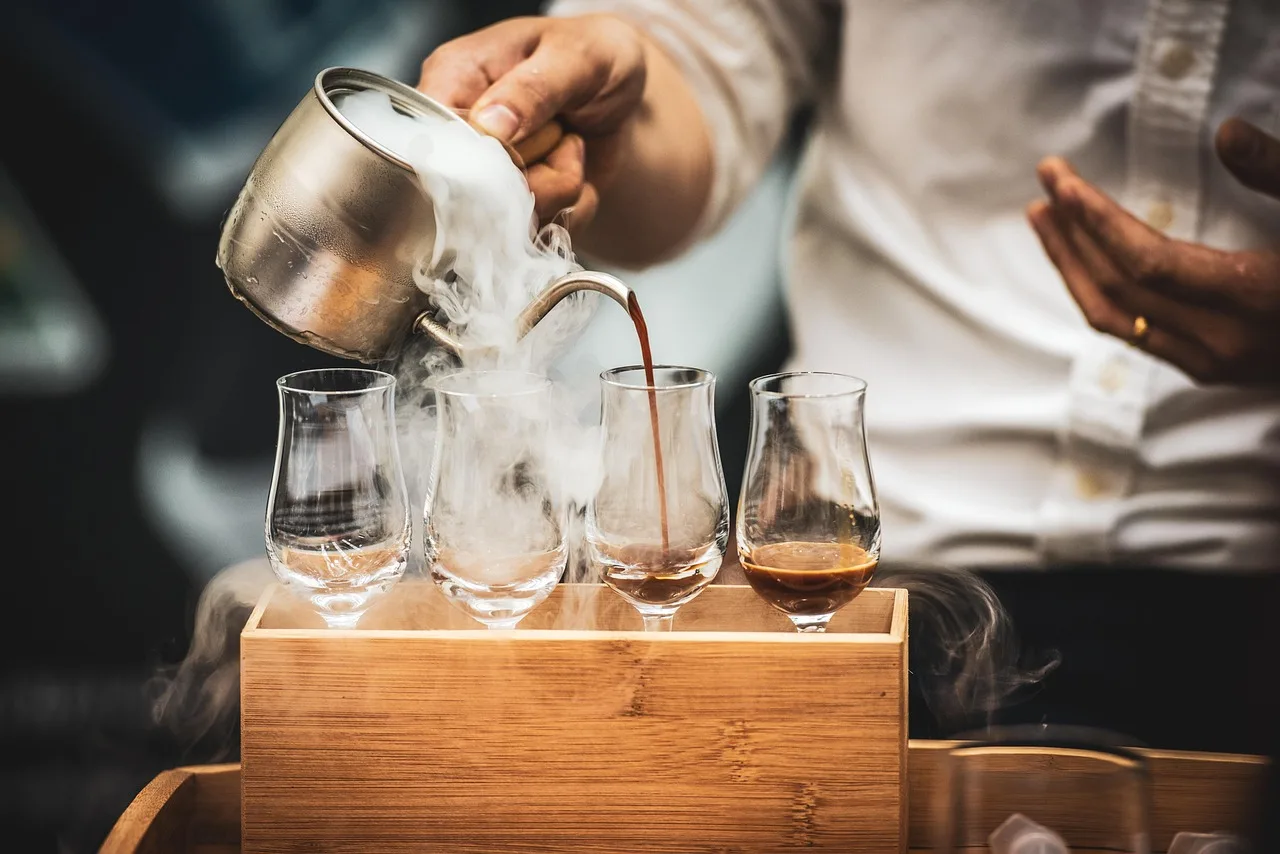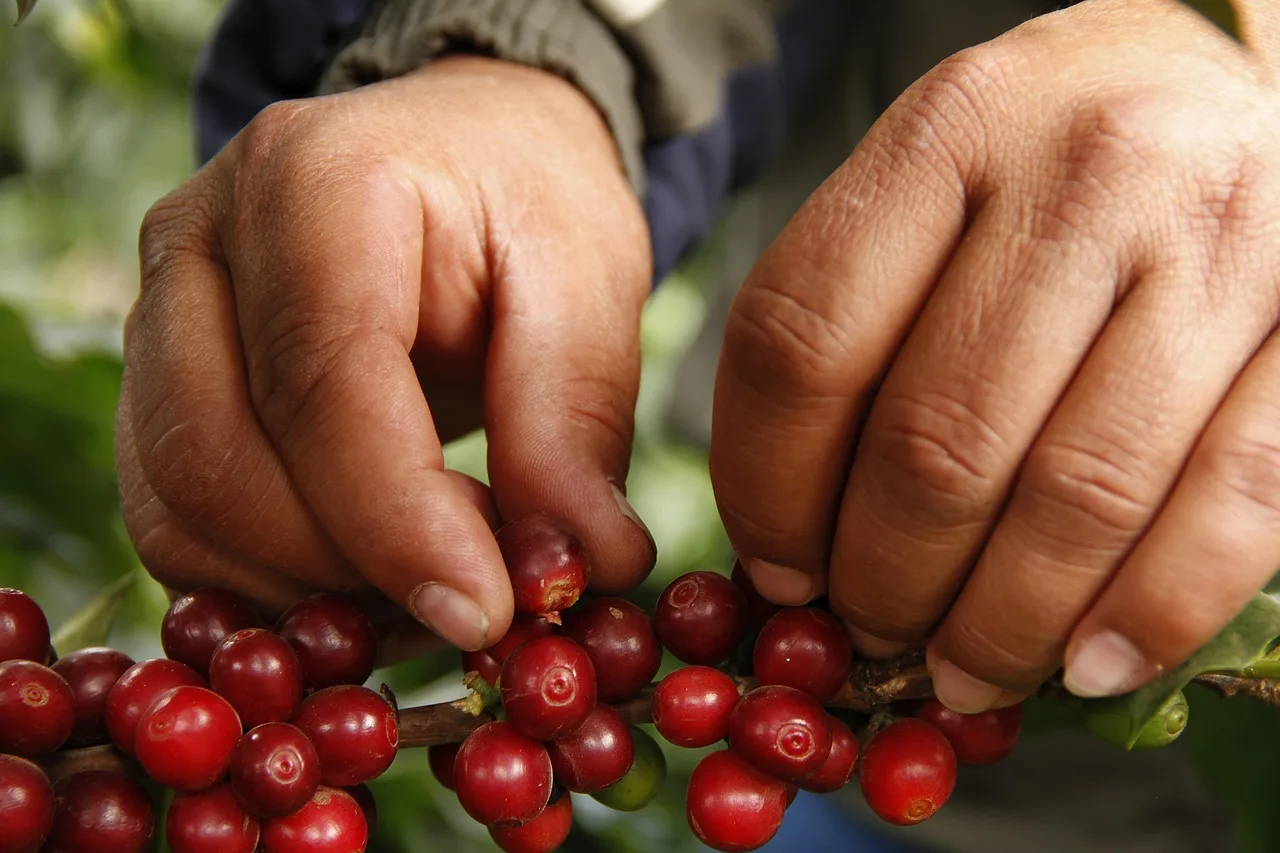
Coffee flavor notes often get clearer when you taste two coffees side by side, then score a few common cues such as aroma, acidity, sweetness, body, and finish. Skip that routine, and labels like berry or chocolate stay fuzzy, which leads to bad buys and brewing choices that miss the bean’s best traits. This coffee flavor notes guide gives you a repeatable home tasting method for spotting origin, process, roast, aroma, and body with more confidence.
What do coffee flavor notes actually mean?
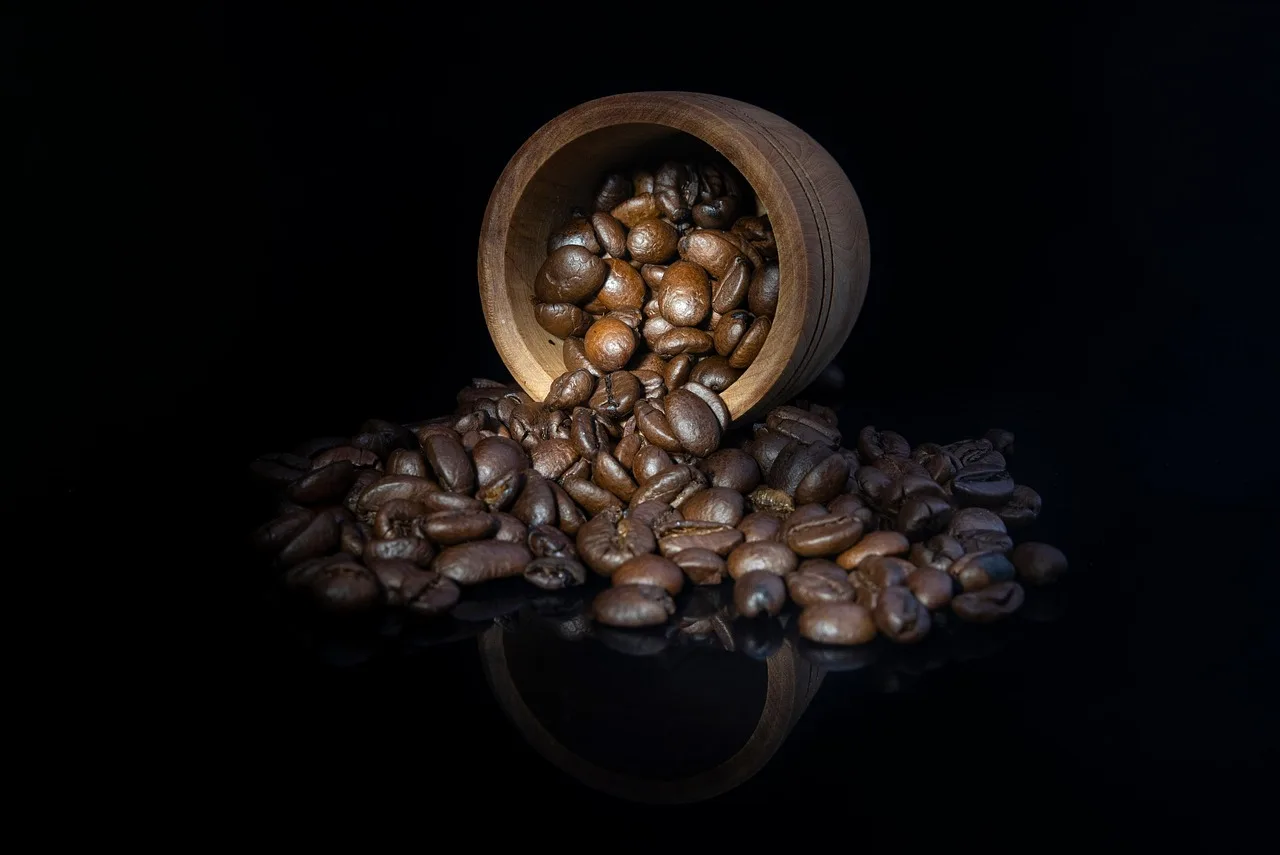


Coffee flavor notes are sensory descriptions for what a coffee suggests in the cup, such as citrus, cocoa, or jasmine. They describe naturally occurring flavors and aromas, not added ingredients. For beginners, the useful distinction is simple: a note is specific, a flavor family is broad, and a finish is what remains after swallowing.
Notes are descriptors, not ingredients
When a bag says blueberry, caramel, or almond, it is describing resemblance. Stone Creek defines tasting notes as natural flavors and aromas, not added ingredients. That matters because beginners often assume flavored syrups or oils were used. In standard specialty coffee tasting, they were not.
A coffee can smell like orange peel, taste like brown sugar, and finish like cocoa powder without containing any of those foods. The cup is expressing compounds from the bean itself, then those compounds get shaped by farming, processing, roasting, and brewing.
Why one coffee suggests berry, cocoa, or florals
Coffee is grown in over 70 countries, and Arabica and robusta are the two most commonly grown coffee bean types. That range is a big reason coffees vary so much. Variety matters. Climate matters. Elevation matters. Then processing and roast push the raw material in a new direction. (en.wikipedia.org)
In plain language, flavor notes mean resemblance patterns. Berry often points to fruit-heavy aromatics or fermentation character. Cocoa and nuts often line up with lower-acid profiles, certain origins, or deeper roast development. Florals usually show more clearly in lighter roasts and cleaner brews, where roast taste is less dominant.
The difference between a note, a flavor family, and a finish
A flavor family is broad: fruit, chocolate, nuts, spice, floral, roast. A note is narrower: cherry, milk chocolate, hazelnut, clove, jasmine. A finish is the after-effect: dry cocoa, lingering citrus, soft sweetness, or smoky bitterness.
Beginners improve faster when they stay broad at first. “Red fruit” is often a better call than “raspberry jam” on an early pass. Precision should come after repeated comparison, not before.
📊 Coffee is grown in over 70 countries. Source: Coffee.
How does coffee get flavor notes?
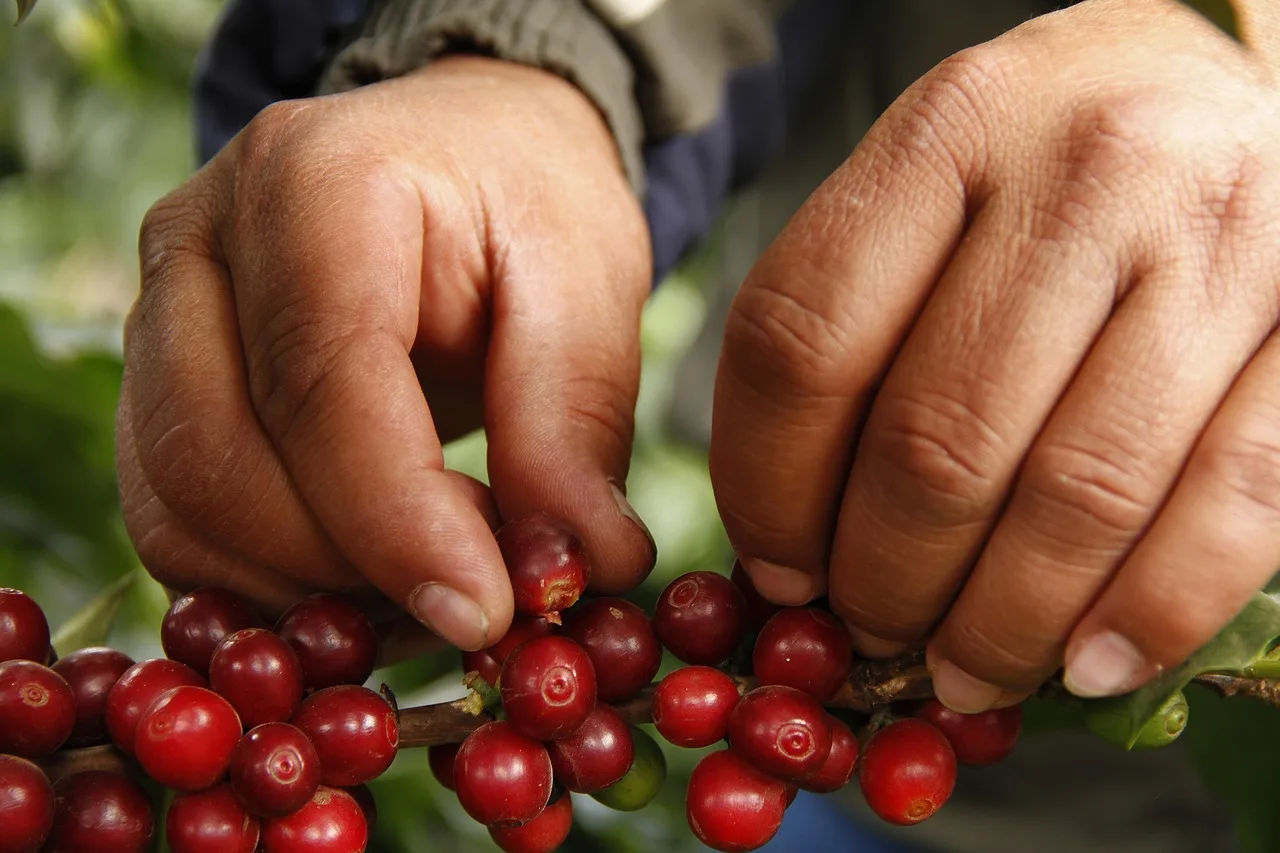
Coffee gets flavor notes from a chain of influences: where it was grown, which variety was planted, how dense the seed developed at that altitude, how the fruit was processed after picking, how far the roast went, and how the coffee was brewed. The same bean can read bright and floral in filter coffee, then denser and more bitter in espresso.
Origin and variety start the baseline
Origin is where the sensory path begins, not where it ends. A coffee from Ethiopia may lean floral or citrusy more often than one from Brazil, while Brazil may lean nutty or chocolatey more often than Ethiopia. These are tendencies, not promises.
Regional identity works with variety, processing, and roast. I have cupped naturally processed Ethiopians that moved from jasmine and lemon toward blueberry jam and cooked fruit after a slightly deeper medium roast. A lightly roasted washed Colombian can show citrus and caramel with much cleaner edges. Country alone never tells the whole story.
Processing method changes clarity, fruitiness, sweetness, and body
Stone Creek lists washed, natural, and honey processing as major influences on flavor. This is one of the fastest variables for beginners to spot in a side-by-side tasting because it often changes both aroma and texture.
- Washed: often cleaner, clearer, more separated flavors, with acidity easier to identify.
- Natural: often more fruit-forward, heavier, and less sharply defined, with sweetness and body pushed forward.
- Honey: often sits between the two, keeping some clarity while adding sweetness and a rounder mouthfeel.
If two coffees come from similar origins but one tastes more jammy and dense, processing is a strong suspect. If one tastes cleaner and more tea-like, washed processing may be driving that result.
Roast level decides how much origin still shows
Roast changes which flavors are easiest to notice. In the cup, a light roast often lets me pick out lemon zest, dried flowers, or tart red fruit because the roast has not pushed those top notes under toast and smoke. Medium roasts usually bring sugars into clearer balance. Dark roasts tend to push caramelization, bitterness, and roast taste toward the front.
This is where many beginners get lost. If smoke, toast, dark chocolate, or carbon dominate every sip, the roast is speaking louder than origin. Coffee Bros. says Adventurous coffees are roasted a bit lighter to make origin and processing influence more visible. That general logic holds: lighter roasting tends to make bean character easier to separate from roast character.
Brew method decides what the drinker can perceive
The same coffee will present differently as filter and espresso. In my brewing tests, V60, batch brew, and cupping bowls usually spread the coffee out, so I can catch the smell first, then the acidity, then the aftertaste without them piling on top of each other. Espresso compresses the coffee into a denser drink, often making body, bitterness, and roast character feel larger.
That does not make espresso worse for tasting notes. It makes it different. If a beginner wants easier note separation, brewed coffee is usually the clearer starting point. Espresso can blur sweet, bitter, and body signals together unless the taster already knows what to listen for.

How body and flavor notes differ in coffee tasting
Flavor notes are the specific tastes and aromas you identify in a cup, while body is the cup’s weight and texture on your palate. The supporting guide breaks that distinction down clearly, showing why aroma is not the same as body and how to avoid mixing the two when you describe a coffee. It also explains how brew variables like grind size, ratio, water, and method can change notes and body in different ways.
If you want cleaner tasting notes and more useful comparisons between coffees, this coffee flavor notes guide helps you label what you’re actually sensing instead of using one term for everything.
How to use the Coffee Taster’s Flavor Wheel without getting stuck
The Coffee Taster’s Flavor Wheel is most useful as a narrowing tool rather than a guessing game. Start with a broad family after smelling and sipping, then move inward only if the coffee clearly supports it. Used that way, the wheel keeps beginners from forcing exact labels too early or mixing aroma, taste, and texture together.
What the wheel is doing
The first coffee flavor wheel was published in 1995. The new coffee flavor wheel debuted in 2016. The flavor wheel has three layers. That structure matters because it mirrors how people actually taste: broad first, specific second, exact language last.
The wheel includes broad center flavors like savory, spice, nuts, chocolate, and fruit. Start there. If the coffee reads as fruit, then ask whether it is citrus, berry, or dried fruit. If it reads as chocolate, ask whether it is cocoa, dark chocolate, or milk chocolate.
Use the wheel after the sip, not before it
A common beginner mistake is reading bag notes first and then hunting for them. That usually leads to suggestion, not perception. Smell first. Sip next. Record broad impressions. Then use the wheel to narrow your notes.
The World Coffee Research sensory lexicon includes intensity scores from 1 to 15. Most home tasters do not need to score that formally, but the idea is useful: flavor language gets more reliable when it is tied to relative intensity, not loose memory.
Include aroma and mouthfeel, not flavor alone
The wheel is more helpful when used with three buckets on the page: what was smelled, what was tasted, and how the coffee felt. That stops “bright” from being used as a catch-all term. Bright can mean aroma lift, acidity, or a lighter body. Those are different signals.
Build your tasting sequence from aroma to finish

A repeatable tasting path starts with smell, then checks first-sip direction, acidity, sweetness, body, and finish in order. This sequence makes flavor notes easier to trust because each cue gets its own moment. It also helps separate what comes from the bean from what comes from roast or brewing.
Aroma first: what to smell before the first sip
Aroma is often the easiest entry point. Before drinking, smell the coffee while it is hot, then smell it again as it cools. Look for families first: fruit, floral, nut, chocolate, spice, roast, or earthy notes.
Aroma is distinct from taste, but they are closely linked. If the cup smells strongly of berries and the sip tastes mostly like cocoa, both can be true. Smell may carry high, volatile notes that the palate does not hold in the same way.
First sip: find direction before specifics
The first sip should answer three simple questions. Is it sweet right away? Is the first impression bright, mellow, or roast-led? Does one family dominate, such as citrus, cocoa, or nut?
This is not the moment to decide between apricot and peach. It is the moment to decide whether the coffee is moving toward stone fruit at all. Direction first saves a lot of false precision.
Acidity and sweetness: separate them on purpose
Beginners often collapse acidity into sourness. A better move is to ask what the acidity feels like. Does it remind you of lemon, orange, apple, or tart berry? Then ask a separate question: is there sugar-like sweetness underneath it, and if so, what kind?
Sweetness can read like honey, brown sugar, caramel, or ripe fruit. Acidity gives shape. Sweetness gives comfort. When acidity rises without sweetness, coffee can feel sharp. When sweetness rises without acidity, coffee can feel softer or flatter.
Body and texture: watery, tea-like, full, or milk-like
Body is texture, weight, and movement on the tongue. Body descriptors run from watery, tea-like to full and milk-like. This is often the missing piece in beginner tasting because bag notes rarely explain why one coffee feels silky and another feels thin.
Body also changes how flavor is perceived. A jammy natural coffee with low body may still taste fruity, but the fruit can feel brief. The same fruit note in a heavier-bodied cup can seem sweeter and longer-lasting. Texture shapes flavor memory.
Finish: what lingers and what fades
The finish is what remains after swallowing. Some coffees leave a clean citrus echo. Others hold cocoa, spice, roast bitterness, or a syrupy sweetness. Pay attention to both duration and character.
If the finish is mainly smoke, char, or bitter cocoa, roast may be covering origin detail. If the finish stays floral, tea-like, or gently sweet, the roast may be leaving more room for bean character to show.
How can I taste coffee flavor notes at home?
A simple home method is a side-by-side tasting of two coffees brewed as similarly as possible, then scored by aroma, first sip, acidity, sweetness, body, and finish. Comparing two cups reveals differences faster than tasting one in isolation and turns vague impressions into repeatable notes you can record.
Set up a simple two-coffee comparison
Choose coffees that differ in one main way if possible. For example, compare a washed Colombian and a natural Ethiopian, or the same coffee brewed as pour-over and espresso. Keep the comparison focused.
- Label cups clearly before pouring.
- Brew both coffees close together so temperature is similar.
- Smell both cups before tasting either one.
- Take small sips, alternating between cups.
- Write broad families first, then specific notes only if they repeat.
- Return to both cups as they cool, because new notes often appear later.
Control variables before naming notes
If one cup is stronger, hotter, or more extracted than the other, tasting notes get messy fast. Keep dose, grind, water, temperature, and cup size as close as possible. The exact setup can vary by brewer, but consistency matters more than fancy gear.
When the brew is uneven, bitterness, astringency, or weakness can masquerade as flavor notes. Under-extraction can read as thin and sour. Over-extraction can read as harsh, woody, or burnt. Fix the brew before interpreting the bean.
Use references to calibrate the palate
Reference tasting helps beginners attach words to sensations. Smell orange peel, cocoa powder, toasted nuts, berries, black tea, and honey on the same day if possible. Taste them too. The point is not to mimic coffee exactly. The point is to refresh memory.
Cupping and sensory evaluation rely on reference-based comparison for this reason. A note becomes easier to trust when the taster can compare it against an actual sensory memory instead of a guess.
Record sensations before exact labels
Write “bright citrus, light body, dry cocoa finish” before writing “grapefruit.” Write “red fruit aroma” before “strawberry.” This order is more reliable. It also makes future comparisons easier because broad patterns repeat more often than exact note words.
How origin, processing, and roast change what you taste
Origin, processing, and roast each leave different fingerprints in the cup. Origin often shapes the broad family, processing shifts clarity and fruit style, and roast changes sweetness, bitterness, and roast taste. When beginners map each impression to one likely driver, coffee notes stop feeling random and start feeling explainable.
Origin tendencies without turning them into rules
Some broad tendencies are useful. East African coffees may show more floral, citrus, or berry-like character. Many Latin American coffees may show caramel, chocolate, nut, or apple-like notes. Some Indonesian coffees may show spice, earth, or heavier body.
Use those as starting points only. A dark roast can flatten those differences. A natural process can make a coffee fruitier than its origin alone would suggest. A washed lot can make the same region taste cleaner and narrower.
Processing effects that beginners can usually catch
Washed coffees often make note separation easier. Fruit can feel cleaner. Acidity can feel better outlined. Natural coffees often bring more fruit aroma, more sweetness, and more body, but the notes may blur together into jam or fermented fruit. Honey coffees often sit in the middle.
If a coffee smells like berries yet tastes muddy and heavy, that is a clue to look at process or extraction, not just origin. If it tastes clear and crisp but less sweet, washed processing may be a big part of the picture.
Roast effects: where roast flavor starts taking over
Roast-derived flavors usually show up as toast, caramelization, dark chocolate, smoke, cedar, or carbon-like bitterness. Origin-driven notes usually feel more top-note and varied: citrus, stone fruit, florals, herbs, nuts, or cocoa tones with more shape.
A quick checkpoint helps: if two very different origins both taste mostly of roast, the roast is leading. Coffee Bros. classifies coffees into Classic, Balanced, Adventurous, and Modern profiles, and says Classic coffees target chocolate, nutty, and mild fruit acidity. That kind of profile language is useful when reading a bag, but the cup still has to confirm it.
Decision checklist: what is most likely driving the note?
| What you notice | Most likely driver | What to check next |
|---|---|---|
| Clear citrus, floral aroma, light body | Origin plus lighter roast | See if finish stays clean as the cup cools |
| Jammy fruit, higher sweetness, rounder body | Natural or honey processing | Check whether flavors blur or stay distinct |
| Dark chocolate, toast, smoke, bitter finish | Roast level | Ask whether origin detail is still visible underneath |
| Thin, sharp, short cup | Brew issue or light body | Compare aroma strength and extraction quality |
| Heavy, syrupy, muted acidity | Espresso brew style, natural process, or darker roast | Compare with the same coffee as filter |
Common mistakes beginners make when naming flavor notes
Most beginner errors come from mixing categories or naming specifics too soon. Aroma gets confused with taste, roast gets mistaken for origin, and body gets ignored completely. A slower sequence fixes much of this: smell first, sip for direction, judge acidity and sweetness separately, then describe body and finish before picking exact note words.
Confusing aroma with taste
A coffee may smell intensely like berries but taste more like cocoa and black tea. That is normal. Aroma often carries the most dramatic note. Taste may be quieter. Record both separately instead of trying to force them into a single label.
Mistaking roast flavor for origin flavor
Dark roast flavors can drown out regional character. If the cup leads with smoke, bitter cocoa, char, or heavy toast, those impressions are probably roast-led. That does not mean the coffee lacks origin character. It means the roast makes it harder to hear.
Overcalling specifics too early
Calling “blueberry muffin” on a first home sip usually says more about expectation than perception. “Dark berry,” “baked fruit,” or “red fruit” is often stronger sensory work. Use the three-layer wheel logic: broad family first, then narrower category, then exact note if it repeats.
Ignoring body, temperature changes, and finish
Hot coffee can hide sweetness. Cooling coffee can expose fruit, florals, or dry cocoa. Body can make a note feel bigger or smaller than it is. Finish often reveals whether the last impression is roast, origin, or extraction. Skipping those checks leads to shallow notes.
How to tell flavor notes from aftertaste
If a coffee tastes bright or fruity on the sip but leaves a dry, bitter, or lingering finish, you are probably noticing two different signals: flavor notes and aftertaste. This supporting guide explains how to separate them so you can describe the cup more accurately and avoid fixing the wrong variable when something tastes off.
It breaks down what each term means, how roast level and extraction affect the finish, and why aroma, acidity, and body can blur the line. If you want a clearer way to diagnose what changed in the brew, the coffee flavor notes guide gives you a practical framework.
At-home tasting scorecard and comparison template
A one-page scorecard makes home tasting consistent by forcing the same sequence every time: aroma, first sip, acidity, sweetness, body, finish, then likely note family. Used side by side for two coffees, it turns preference into evidence and gives beginners a record they can compare across future brews.
One-page tasting scorecard
| Coffee | Aroma | First sip | Acidity | Sweetness | Body | Finish | Likely note family |
|---|---|---|---|---|---|---|---|
| Coffee A | citrus peel, floral | bright, clean | orange-like | light honey | tea-like | short, clean, sweet | fruit / floral |
| Coffee B | cocoa, toasted nut | round, mellow | low, apple-like | brown sugar | milk-like | long cocoa finish | chocolate / nut |
Side-by-side comparison template for two coffees
| Question | Coffee A | Coffee B | Difference that matters |
|---|---|---|---|
| Which aroma is stronger? | fruit-led | cocoa-led | A shows higher-note aromatics |
| Which cup tastes sweeter? | lighter sweetness | deeper sugar sweetness | B may have more roast sugar development |
| Which cup has clearer acidity? | yes | muted | A may be lighter roast or washed |
| Which cup feels heavier? | tea-like | fuller | B may be natural process or espresso-style brew |
| What lingers after swallowing? | floral citrus | dark cocoa | Finish points to origin for A, roast for B |
How to save notes so they become useful later
Keep the same categories every time. Record roast level if known, origin, process, and brew method. Save both the broad family and the exact note if used. Over time, patterns appear: certain brewers bring out florals, certain origins keep landing in nut and chocolate families, and certain roast levels keep muting acidity.
Use a repeatable note-taking order for cleaner comparisons
The most useful coffee notes come from a consistent order: aroma, first sip, body, acidity or sweetness, then finish. That structure keeps your descriptions specific instead of drifting into vague labels like “good” or “smooth,” which are hard to compare from cup to cup. The supporting guide on coffee tasting notes shows a simple 5-step method you can use at home to separate smell, flavor, texture, and aftertaste in a way that actually helps you spot patterns.
It matters because better notes make brewing adjustments easier. When you can tell whether a coffee changed in aroma, body, or finish, you can brew more deliberately and compare coffees with much more confidence.
Frequently asked questions
What’s the difference between coffee flavor notes and aroma?
Aroma is what is smelled, while flavor notes describe the total impression from smell, taste, and mouthfeel together. In practice, aroma often gives the first clue, especially for fruit and floral families. Taste then confirms, changes, or softens that first impression once acidity, sweetness, body, and finish show up.
How does roast level change coffee flavor notes?
Roast level changes which parts of the coffee are easiest to perceive. Lighter roasts usually leave more fruit, floral character, and acidity visible. Medium roasts often feel more balanced. Dark roasts push caramelization, bitterness, and roast taste forward, which can cover origin detail and make notes seem more cocoa- or smoke-led.
How does processing affect coffee flavor notes?
Processing changes how fruit, sweetness, clarity, and body show up in the cup. Washed coffees often taste cleaner and more defined. Natural coffees often taste fruitier, sweeter, and heavier. Honey coffees often land between those two. When two coffees share origin but taste very different, processing is often the first variable to inspect.
Which brewing methods make flavor notes stand out more?
Filter methods usually make flavor notes easier to separate because the cup stays more open: you can smell the aromatics clearly, track the acidity across the sip, and catch the finish without the heavy concentration espresso adds. Espresso can still show notes well, but body and bitterness feel larger, which can blur smaller details. For beginners learning note families, pour-over, drip, or cupping-style tasting is usually clearer.
what are coffee tasting notes
Coffee tasting notes are descriptive words used to explain what a coffee resembles, such as citrus, cocoa, nuts, berries, or florals. They are not added flavorings. They come from the bean’s origin, variety, processing, roast, and brew method, then get identified through careful smell, taste, and texture comparison.
Products related to this article
Sponsored / affiliate links. As an Amazon Associate I earn from qualifying purchases. I may earn additional commission from eligible campaigns.
 Quick Heating Cup Warmer, Three Temperature Settings, Splashproof and Portable, for Coffee, Milk, Lightweight ABS Material
 Coffee Mug Warmer & You are Awesome Mug Set, Electric Cup Warmer for Desk
 HomeBeyond Espresso Coffee Maker 12 Cups, Classic Stovetop Espresso Maker, 600ml / 20oz Coffeemaker for Gas & Ceramic Stovetops (Silver)