You replace the filter on schedule, you wipe down the carafe, and still your coffee maker takes forever to brew a pot. Or worse, it sputters, makes a gurgling sound, and delivers a half-cup of lukewarm brown water. Most people assume the machine is dying. More often than not, the culprit is a clogged water filter sitting right in the reservoir.
This guide walks through the difference between a blocked water filter and a blocked filter basket, how to diagnose which one you are dealing with, and the exact steps to fix it. You will also learn why hard water makes filters fail faster and when cleaning is pointless. By the end, you will know precisely what to check first and how to avoid the problem going forward.

BRENSTEN
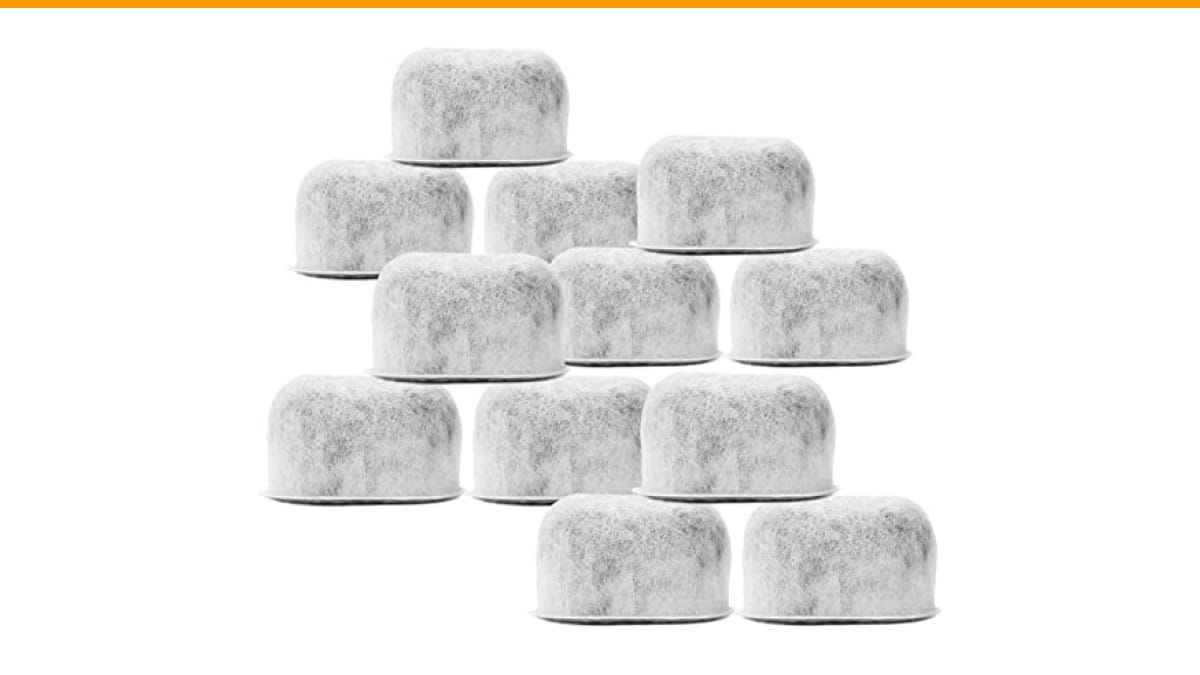
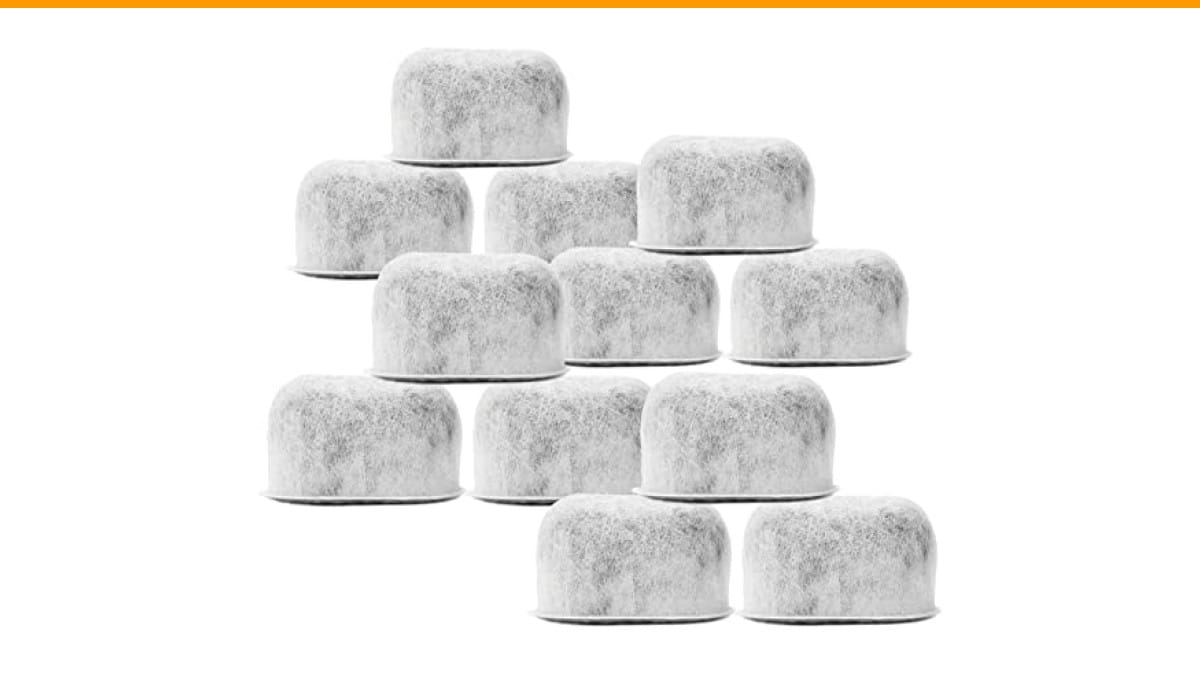
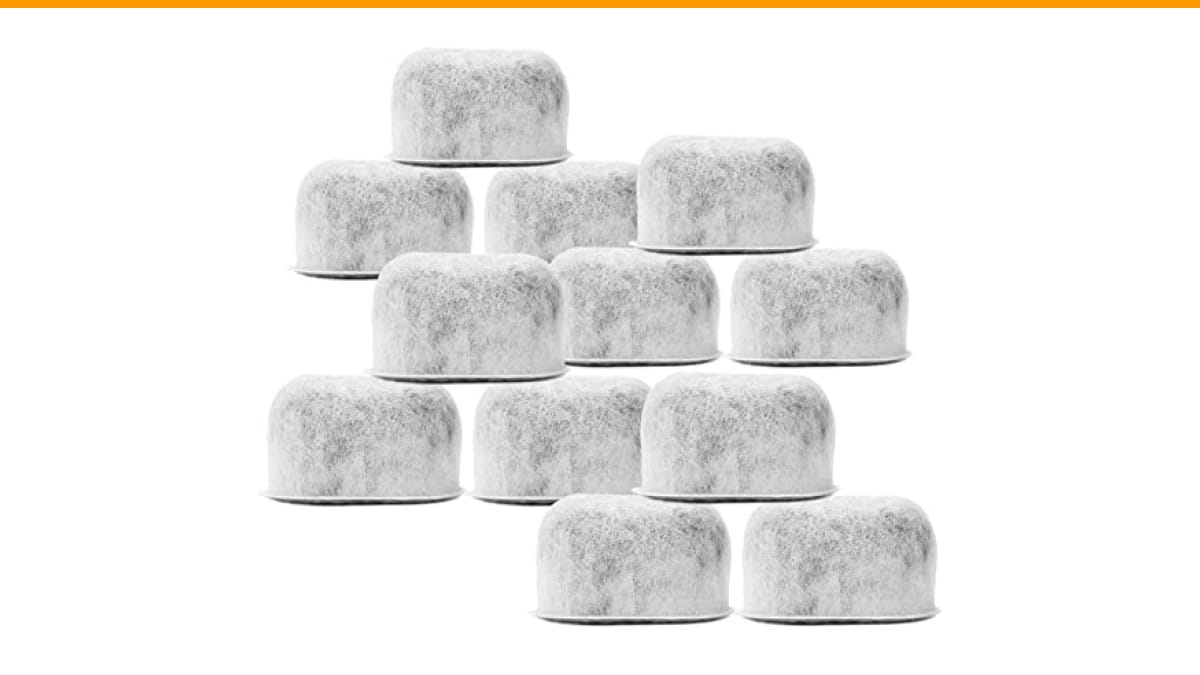
12 Pack Replacement Charcoal Water Filters for…
- ENJOY THE DELICIOUS TASTE AND AROMA OF BREWED COFFEE - Removes chlorine, odors, calcium, and other water impurities prior to brewi…
- COMPATIBLE WITH CUISINART COFFEE MAKERS – Specially designed for Cuisinart coffeemakers, these set of charcoal filter refills will…
- EASY TO INSTALL – Not only will these filters provide a less expensive way for you to enjoy delicious coffee, but they are also ve…
As an Amazon Associate I earn from qualifying purchases.
If your machine uses the small charcoal disc filters, a simple swap often solves the issue. The BRENSTEN 12 Pack Replacement Charcoal Water Filters are made for Cuisinart models and fit both older and newer designs. They remove chlorine, odors, and calcium before brewing, which keeps the internal tubing cleaner over time.
Water Filter vs. Filter Basket: Which One Is Actually Clogged?
People use the word “filter” for two completely different parts of a coffee maker. That confusion causes most misdiagnoses.
The water filter sits in the water reservoir. It is a small charcoal or carbon disc that purifies the water before it enters the machine. The filter basket holds the coffee grounds. It can be a paper cone, a permanent mesh basket, or a metal screen. These two parts fail in different ways and require different fixes.
Here is a quick way to tell them apart:
- Water filter clog: Water flows slowly or not at all into the brew basket. The machine makes a high-pitched whine or pump strain noise. No water appears in the carafe even though the reservoir is full.
- Filter basket clog: Water reaches the basket but drains slowly. Grounds overflow the rim. Coffee comes out as a trickle. You see standing water sitting on top of the grounds after brewing.
If water is not leaving the reservoir, focus on the water filter. If water pools in the basket, the grounds are the issue. Check the water filter first because it is the easiest to rule out.
5 Clear Signs Your Water Filter Is the Culprit
You do not need to take the machine apart to diagnose a water filter clog. Watch for these five symptoms:
- Long brew times. A normal cycle takes 6 to 10 minutes. If it stretches past 15 minutes, the pump is fighting to pull water through a blocked filter.
- Weak or no coffee output. The carafe fills only halfway, or the brew stops entirely. The pump runs but pushes little water.
- Gurgling or hissing sounds. Air is getting sucked into the line because water cannot pass through the filter normally.
- Visible debris on the filter. Pull the filter out and look at it. Dark sludge, sand-like particles, or a slimy film are bad signs.
- Scale buildup on the filter surface. White or chalky crust means hard water minerals have bonded to the charcoal. This restricts flow.
Any one of these symptoms points to the water filter. If you see two or more, the filter is almost certainly the problem.
The Real Causes: Scale, Sediment, and Carbon Fines
Filters clog for three main reasons, and knowing which one you have matters for the fix.
Hard water deposits (scale). Calcium and magnesium in tap water precipitate out when heated. They form a white, crusty layer on the filter surface and inside the machine’s tubing. This is the most common cause of water filter clogs in areas with hard water. The minerals do not just block the filter; they also narrow the internal pipes, which creates a secondary clog even after you replace the filter.
Sediment and particulates. Old plumbing, well water, or a municipal supply with high turbidity can carry fine sand, rust flakes, or silt. These particles get trapped in the charcoal pores. Over time, they pack tight and block water flow completely.
Carbon fines. New charcoal filters shed a small amount of black dust during the first few brews. This is normal. But if you do not rinse the filter before installing it, those loose carbon particles can wash downstream and clog the water pump inlet or the brew basket mesh. This is not a defect; it is an installation error.
Each cause looks slightly different. Scale is white and chalky. Sediment is gritty and brown. Carbon fines are black and powdery. Knowing which one you see tells you whether cleaning will work or replacement is needed.
How to Unclog a Water Filter (Without Ruining It)
You can sometimes revive a clogged charcoal filter, but only if the blockage is light sediment or early-stage scale. If the filter is visibly black with sludge or cracked, skip straight to replacement.
Flushing the Filter
Run the filter under warm tap water for 30 to 60 seconds. Hold it so the water hits both flat faces. Rub the surface gently with your thumb to dislodge loose particles. Do not use soap or detergent; the charcoal will absorb it and leach it into your coffee.
After rinsing, submerge the filter in a bowl of clean water and swish it around for another 30 seconds. If the water turns brown or cloudy, the filter was shedding sediment. Reinstall it and run a brew cycle with no coffee grounds to flush the system. Discard that water.
Soaking in Citric Acid
For scale buildup, a vinegar or citric acid soak works better than plain water. Mix one part white vinegar with two parts water, or use a teaspoon of citric acid powder per cup of water. Soak the filter for 20 to 30 minutes. Do not soak longer; the acid can break down the charcoal structure.
Rinse thoroughly after soaking. A vinegar smell on the filter is fine, but you want to remove the dissolved minerals. Reinstall and run two empty brew cycles to clear the acid taste.
This method works about half the time. If the filter still restricts water flow after a soak, it is done. Charcoal filters are not designed to be cleaned indefinitely. They have a finite adsorption capacity, and once the pores are full, no amount of rinsing brings them back.
When to Stop Cleaning and Just Replace the Filter
Cleaning a filter is a temporary fix. The charcoal media has a lifespan measured in weeks, not years. Most manufacturers recommend replacement every 30 days, or every 60 days if you use filtered or soft water.
Replace the filter immediately if you see any of these:
- Cracks or chips in the plastic housing
- A strong moldy or musty smell that persists after rinsing
- Black particles coming out of the filter during a flush
- No improvement in flow rate after a vinegar soak
Do not try to stretch a filter past two cleaning attempts. The cost of a replacement is far lower than the cost of a new pump. A clogged filter forces the pump to work harder, which can burn it out. That repair bill is usually $50 to $100 in parts alone.
If your machine uses the standard Cuisinart disc style, the BRENSTEN 12-pack charcoal filters are a direct fit. They are inexpensive enough that replacing monthly is not a burden, and having a dozen on hand means you never run out.
How to Prevent Future Clogs (Water Quality Matters)
Prevention starts with the water you put in the tank. Hard water is the enemy of every coffee machine. If your tap water leaves white spots on glasses, it is hard water, and it will clog your filter faster than anything else.
Options, ranked by effectiveness:
| Method | Effect on Clogs | Cost | Effort |
|---|---|---|---|
| Use filtered or bottled water | High reduction in scale and sediment | Low to medium | Minimal |
| Install a whole-house water softener | Near elimination of scale | High upfront | None after install |
| Descale the machine monthly | Prevents internal scale, not filter clogs | Low | Medium |
| Rinse the filter before install | Prevents carbon fines from entering the system | Free | 30 seconds |
| Replace the filter every 30 days | Prevents saturation and flow restriction | Low | Minimal |
You should also descale the machine itself every 1 to 3 months, depending on water hardness. A clogged water filter and internal scale often happen together. If you fix the filter but the internal tubing is still coated with limescale, the machine will still brew slowly. Follow a proper descaling routine to keep the whole system clear.
Also, clean the brew basket mesh. Oily coffee residue builds up on metal screens and restricts drainage over time. That is a separate issue from the water filter, but it produces the same slow-brew symptom. Check both before you blame the machine.
Frequently Asked Questions
Can a clogged water filter damage the pump?
Yes. The pump is a positive displacement unit that expects water to flow freely. A clogged filter increases backpressure, forcing the pump to work harder. Over time, this overheats the pump motor or causes it to fail completely. If your machine makes a loud whining noise, that is the pump struggling. Replace the filter immediately to avoid costly repairs.
Does using bottled water prevent clogs?
It helps, but it does not eliminate the problem. Bottled water has lower mineral content than hard tap water, so scale buildup is slower. However, the charcoal filter still saturates with organic compounds and chlorine byproducts. You still need to replace it monthly. Bottled water also does not prevent carbon fines from a new filter, so rinsing is still required.
Can I run the machine without the water filter?
Most machines work fine without it. The filter is a water quality enhancement, not a mechanical necessity. Removing it increases flow rate and eliminates filter-related clogs. The trade-off is that your coffee may taste slightly more bitter or flat if your tap water has chlorine or heavy minerals. If you choose to remove it, keep the empty filter holder in place to maintain proper water flow path.
Why does my new filter clog after one week?
That usually points to hard water, not a defective filter. If your water has high calcium content, scale can form on the filter surface within days. Test your water hardness with a simple test strip. If it reads above 180 ppm, consider using filtered water for brewing or installing a softener. Also check if the filter is seated correctly; a twisted or misaligned filter can restrict flow mechanically.
Does a clogged water filter affect coffee taste?
Yes, but not in the way you might think. A clogged filter restricts water flow, which leads to longer brew times and over-extraction. Over-extracted coffee tastes bitter and ashy. Additionally, a saturated filter stops removing chlorine and other impurities, so those flavors pass directly into your cup. If your coffee suddenly tastes worse and brews slower, the filter is the first thing to check.
What to Do Next
- Pull the water filter out and inspect it for scale, sediment, or cracks before touching anything else.
- If the filter looks dirty, rinse it under warm water and try a vinegar soak before replacing it.
- If the filter is more than 30 days old, skip cleaning and just swap it. Replacement is cheaper than your time.
- Run an empty brew cycle after installing a new filter to flush loose carbon fines.
- Check your water hardness. If it is high, switch to filtered water for brewing.
- Descale the machine every 1 to 3 months to prevent internal scale buildup. See our limescale removal guide for the full process.
- If the machine still brews slowly after a fresh filter, check the brew basket mesh and the pump inlet for separate clogs. A pumping issue may require deeper troubleshooting.
The water filter is the most common cause of slow brewing, and it is also the cheapest to fix. Diagnose it first, replace it on schedule, and your coffee maker will run like new for years.
Products related to this article
Sponsored / affiliate links. As an Amazon Associate I earn from qualifying purchases. I may earn additional commission from eligible campaigns.
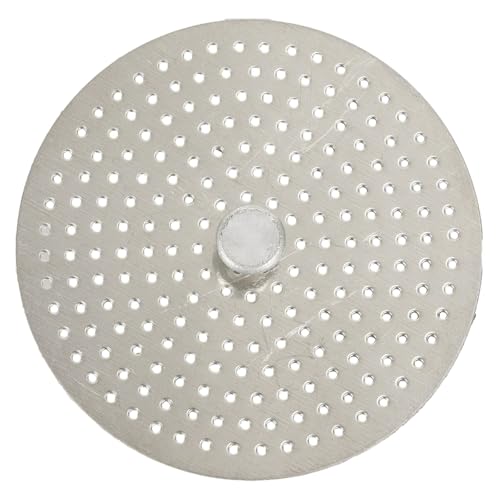 Stainless Steel Moka Pot Coffee Filter Disc for Espresso Brewing, Coffee Maker Replacement Filter Plate for Home Office Coffee Bar Cafe (FOR 4 Cups)
 Coffee Espresso Machine Handle Replacement Parts, Cafe Bracket Handle for Lidl Silvercrest CM4621 CM4218 KF5002 KF500S Barista (for 51mm Portafilter Basket - Not included)
 SOLUSTRE Electric USB Coffee Cup Warmer with Temperature Settings Portable Milk and Beverage Heating Coaster for Office Desk Small Lightweight Design Easy to Clean Surface Multi Functional