Why Your Coffee Tastes Bad (It’s Probably the Water)
You’re here because your coffee has that lingering flat or bitter note that no bean switch fixes. I’ve been there. Most people blame the roaster or the grinder, but the real culprit is often the water. Tap water carries chlorine, minerals, and odors that wreck extraction and dull the cup.
| Our Pick | Runner Up |

|
|
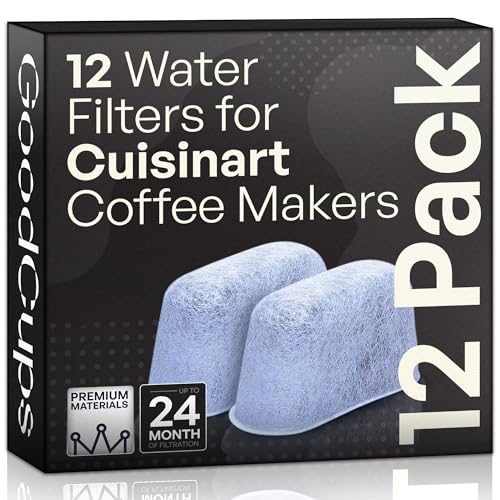
| Waterdrop Waterdrop PT-07C Water Filter Pitcher, 10-Cup, NSF… | GoodCups 12 Pack Charcoal Water Filters for Cuisinart… |
| See on Amazon | See on Amazon |
As an Amazon Associate I earn from qualifying purchases.
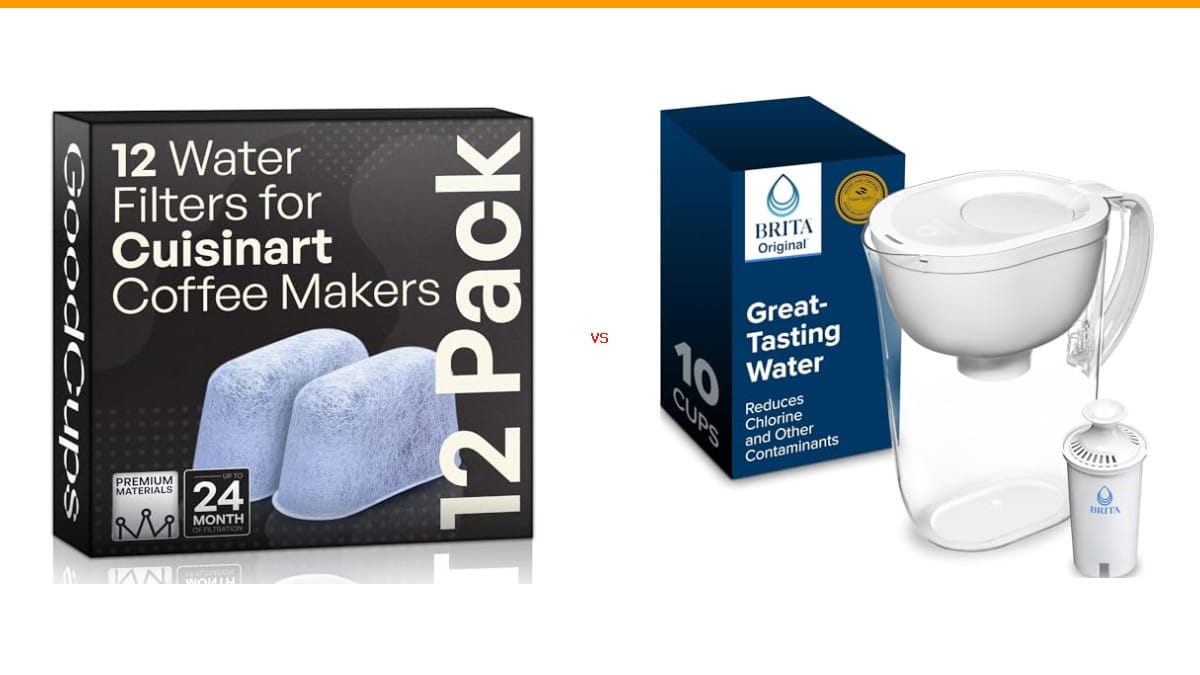
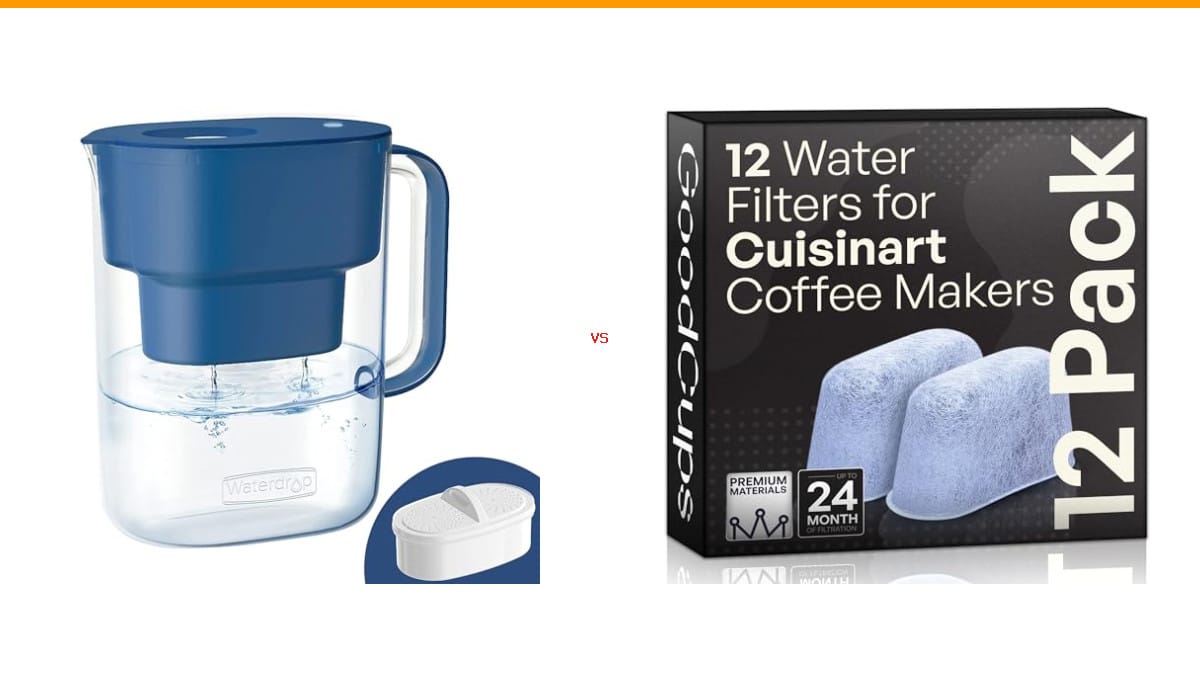
The fix usually comes down to two paths: a countertop water filter pitcher for coffee, like the Waterdrop PT-07C, or a filter that goes inside your brewer, like the GoodCups charcoal discs for Cuisinart machines. They do different jobs. One filters water before brewing, the other polishes water inside the machine.
After testing both for a few weeks, here’s the short answer: the Waterdrop pitcher gives you cleaner, more consistent water for any brewing method, while the GoodCups filters are a cheap, easy add-on for Cuisinart owners who just want less scale and slightly better taste. For most home users, the pitcher wins because it improves everything you drink, not just coffee. But you need to know your tap water first.
The 3 Contenders: Pitcher, Under-Sink Carbon, and RO
Before picking sides, understand the landscape. You have three main ways to fix brew water at home. Each has a different workflow tax and filtration depth.
Pitcher Filters: The Low-Friction Entry Point
The Waterdrop PT-07C is a classic 10-cup pitcher. It uses a carbon block to reduce chlorine, odor, mercury, copper, and PFOA/PFOS. It holds 200 gallons per filter, which is about three months of daily use. The lid flips open hands-free, and an LED light tracks filter life.
I filled it, set it on the counter, and forgot about it. Refilling takes 20 seconds. The water flows fast enough for a full kettle in under a minute. It doesn’t reduce TDS (total dissolved solids), meaning it leaves beneficial minerals like calcium and magnesium in the water. That’s actually good for coffee extraction, as long as your hardness isn’t extreme.
Pick this if you want a simple upgrade that works for drip coffee, pour-over, and plain drinking water.
Under-Sink Carbon: The Daily Driver
This is what I use at home now. A carbon block under the sink feeds a dedicated faucet. You turn a tap, water flows, done. No refilling, no waiting. It handles high flow rates effortlessly, which matters when you brew a full carafe every morning.
It’s pricier upfront and needs some plumbing skills, but the daily friction is near zero. For anyone who brews multiple cups a day, this is the long-term answer. The Waterdrop pitcher mimics this convenience but with a manual refill step.
Reverse Osmosis: The Overkill Option (Unless You Have Espresso)
RO strips everything, including minerals. That’s great for espresso machines that scale up fast, but terrible for pour-over. Water with zero mineral content tastes flat and under-extracts coffee. You’d need to remineralize the water after filtration.
Skip RO unless you own a high-end espresso machine and have very hard water. The Waterdrop PT-07C is a better middle ground for most people.
The Head-to-Head: Taste, Flow Rate, and Workflow
I ran a side-by-side cup test. Same beans, same grinder, same brew ratio. One batch used Waterdrop pitcher water, the other used tap water run through a Cuisinart with GoodCups filters installed.
The pitcher water produced a brighter, cleaner cup. The coffee had more clarity and a rounder mouthfeel. Chlorine was gone, and the bitterness dropped noticeably. The GoodCups water was better than plain tap water, but the difference was subtle. It removed some chlorine and softened the harsh edges, yet the underlying mineral character of tap water remained.
Flow rate is where the two diverge. The Waterdrop pitcher pours fast, but you have to refill it. The GoodCups filters sit inside the Cuisinart reservoir, so you don’t touch them until they clog. GoodCups claims a design that prevents clogs, and in my test, water flowed through the machine normally. But the filter only touches water that goes into your Cuisinart. It doesn’t help your kettle, your French press, or your drinking glass.
| Feature | Waterdrop PT-07C Pitcher | GoodCups Cuisinart Filters (12-pack) |
|---|---|---|
| Filtration method | Carbon block reduces chlorine, odor, heavy metals | Charcoal disc reduces calcium, chlorine, odor |
| Filter lifespan | 200 gallons or 3 months per filter | Typically 30 days per disc (based on usage) |
| Water treated | All water poured through pitcher | Only water inside Cuisinart reservoir |
| Compatibility | Any brewing device, drinking, cooking | All Cuisinart coffee makers only |
| Maintenance | Refill pitcher, replace filter quarterly | Replace disc monthly, no refilling |
| Extras | LED filter life indicator, hands-free lid | Recyclable materials, 12-pack value |
The 12-Month Cost of Ownership (Filters, Refills, and Regret)
Money matters. The Waterdrop pitcher costs more upfront, but each filter lasts 200 gallons. If you drink 1 gallon a day, that’s over six months per filter. Realistically, you’ll replace it every three months as recommended. That’s four filters a year. The GoodCups 12-pack lasts a year if you swap monthly, which is the standard for charcoal discs.
Over 12 months, the GoodCups route is cheaper on paper. But you’re only filtering water for your Cuisinart. The Waterdrop filters water for everything. If you also drink tap water, cook with it, or use a kettle, the pitcher’s value multiplies. You’re paying for versatility, not just coffee.
One hidden cost with the pitcher: replacement filters. Always buy genuine Waterdrop PF-01A filters. Knockoffs leak or clog. The GoodCups are the filter, so no separate purchase needed.
There’s also the regret factor. I know people who bought a pitcher, used it for a week, then put it in the pantry because they hated refilling it. If you’re that person, the GoodCups filters are lower friction because they’re hidden inside the machine. You set them and forget them.
How to Match the Filter to Your Brewing Style (Drip vs. Espresso vs. Pour-Over)
Your brewing method decides this. Drip coffee machines like Cuisinart benefit from the GoodCups filters because they protect the internal heating element from scale buildup. That’s a real maintenance win. The Waterdrop pitcher also helps, but you have to remember to fill it.
Espresso is different. Espresso machines have tiny passages that scale up fast. You need water with low hardness but some minerals. The Waterdrop pitcher keeps minerals, which is good, but if your tap water is very hard, you’ll still get scale. The GoodCups filters won’t help an espresso machine at all—they only fit Cuisinart drip brewers.
Pour-over drinkers should use the pitcher. Pour-over is all about water chemistry. Chlorine and off-odors mute the delicate floral notes in light roasts. The Waterdrop removes those without stripping minerals, so you get a balanced extraction. The GoodCups filters can’t do that for you because they’re stuck in your Cuisinart.
If you own a Cuisinart and only brew drip, the GoodCups are a no-brainer addition. If you brew anything else, the Waterdrop pitcher is the better investment.
The 15-Minute Water Test You Should Do Before Buying
Don’t guess. Buy a cheap water test strip kit from any hardware store. Test for two things: chlorine and hardness.
If chlorine shows up strong, both options will help. The Waterdrop pitcher does a better job because it uses a larger carbon block. The GoodCups disc is smaller, so it has less contact time with water.
If hardness is high (above 150 ppm), neither will fully solve your problem. The Waterdrop pitcher doesn’t reduce TDS, so minerals stay. The GoodCups removes some calcium, but not enough for hard water. In that case, consider an under-sink carbon filter or a water softener.
If your water is already soft and chlorine-free, skip both. You’re wasting money. Just descale your machine regularly. I’ve written a guide on how to descale coffee machine at home that covers this.
The Bottom Line: Which Filter Wins for Your Kitchen?
I’ll be direct. The Waterdrop PT-07C is the better product for most people. It’s a real water filter that improves every cup of coffee, tea, and plain water you drink. The 200-gallon lifespan means fewer replacements, and the LED indicator removes the guesswork. It’s not perfect—the plastic body feels light, and you must refill it manually. But the taste improvement is obvious.
The GoodCups filters are a niche tool. They’re perfect for Cuisinart owners who want a maintenance upgrade without changing their routine. They’re cheap, easy, and effective at reducing scale. But they don’t transform your water. If you care about coffee flavor, the pitcher wins.
Here’s my final call. Buy the Waterdrop pitcher if you drink coffee from any device besides a Cuisinart, or if you want better drinking water overall. Buy the GoodCups filters if you own a Cuisinart, have soft tap water, and just want to protect your machine. For everyone else, the pitcher is the answer.
Before you decide, check the current price of the Waterdrop PT-07C on Amazon. And if you’re dealing with scale issues, read my piece on removing limescale from coffee machines to keep your gear running.
Frequently Asked Questions
Can I use the Waterdrop pitcher water in my Cuisinart coffee maker?
Yes. The pitcher filters water before it goes into the machine. You’ll get better-tasting coffee and less scale buildup because chlorine and some metals are removed. Just fill the reservoir with pitcher water instead of tap water.
How often do I need to replace the GoodCups filters in my Cuisinart?
Most charcoal filters last about 30 days. If you brew a full pot daily, swap it monthly. The 12-pack gives you a year of replacements. You’ll know it’s time when the water flow slows or the coffee tastes flat.
Does the Waterdrop pitcher remove fluoride or TDS?
No. The Waterdrop PT-07C does not lower TDS. It reduces chlorine, odor, iron, mercury, and copper. Fluoride and dissolved minerals stay in the water. That’s fine for coffee—minerals help extraction. If you want TDS reduction, you’d need a different system.
Will the GoodCups filters fit my Cuisinart Grind and Brew model?
Yes. GoodCups states universal compatibility with all Cuisinart coffee makers, including Grind and Brew and 12-cup models. The disc shape fits the standard filter basket in the reservoir. It’s a simple drop-in replacement.
Products related to this article
Sponsored / affiliate links. As an Amazon Associate I earn from qualifying purchases. I may earn additional commission from eligible campaigns.
 HomeBeyond Espresso Coffee Maker 12 Cups, Classic Stovetop Espresso Maker, 600ml / 20oz Coffeemaker for Gas & Ceramic Stovetops (Silver)
 Stainless Steel Moka Pot Coffee Filter Disc for Espresso Brewing, Coffee Maker Replacement Filter Plate for Home Office Coffee Bar Cafe (FOR 4 Cups)
 SOLUSTRE Electric USB Coffee Cup Warmer with Temperature Settings Portable Milk and Beverage Heating Coaster for Office Desk Small Lightweight Design Easy to Clean Surface Multi Functional