You just swapped in a fresh charcoal filter, and three days later you find a torn mess in the filter basket. The coffee tastes off, and you’re digging bits of black carbon out of the reservoir. It’s annoying, and it happens more often than most owners admit.
Most tears don’t come from manufacturing defects. They come from how you handle the filter during installation and what you do (or don’t do) before you drop it into the holder. This guide covers the specific mistakes that cause tears and the exact routine that prevents them.

BRENSTEN
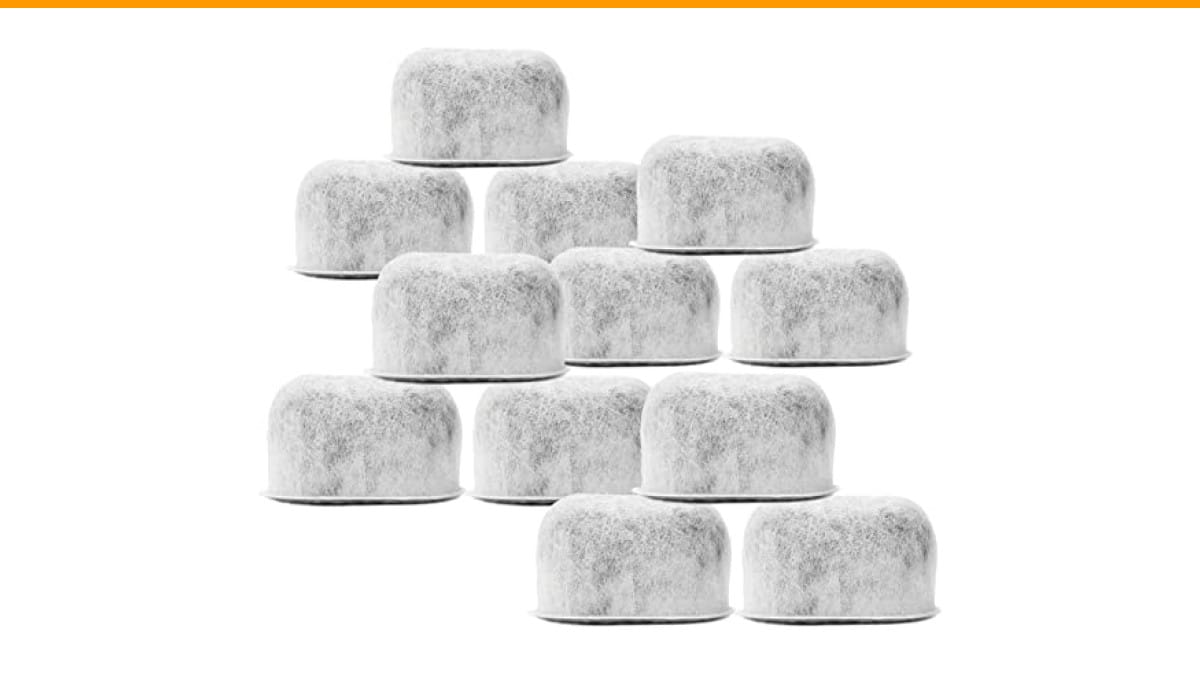
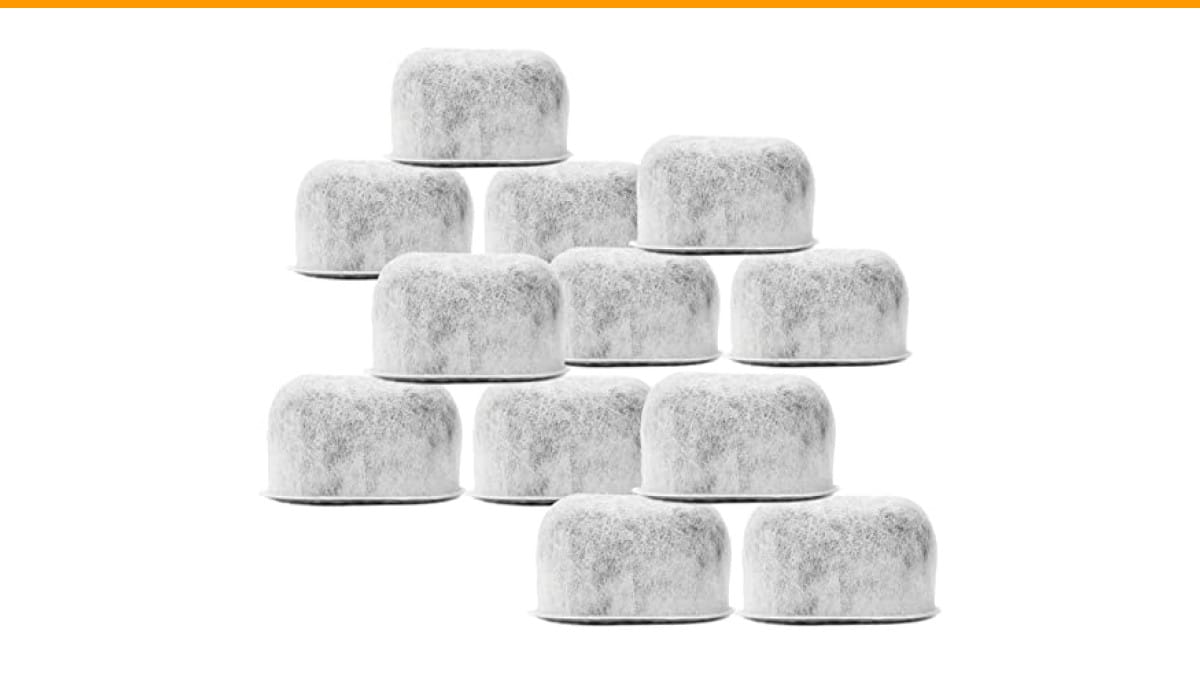
12 Pack Replacement Charcoal Water Filters for…
- ENJOY THE DELICIOUS TASTE AND AROMA OF BREWED COFFEE - Removes chlorine, odors, calcium, and other water impurities prior to brewi…
- COMPATIBLE WITH CUISINART COFFEE MAKERS – Specially designed for Cuisinart coffeemakers, these set of charcoal filter refills will…
- EASY TO INSTALL – Not only will these filters provide a less expensive way for you to enjoy delicious coffee, but they are also ve…
As an Amazon Associate I earn from qualifying purchases.
You’ll also learn which replacement filters hold up better under repeated handling, so you can stop buying flimsy packs that fall apart on the first rinse.
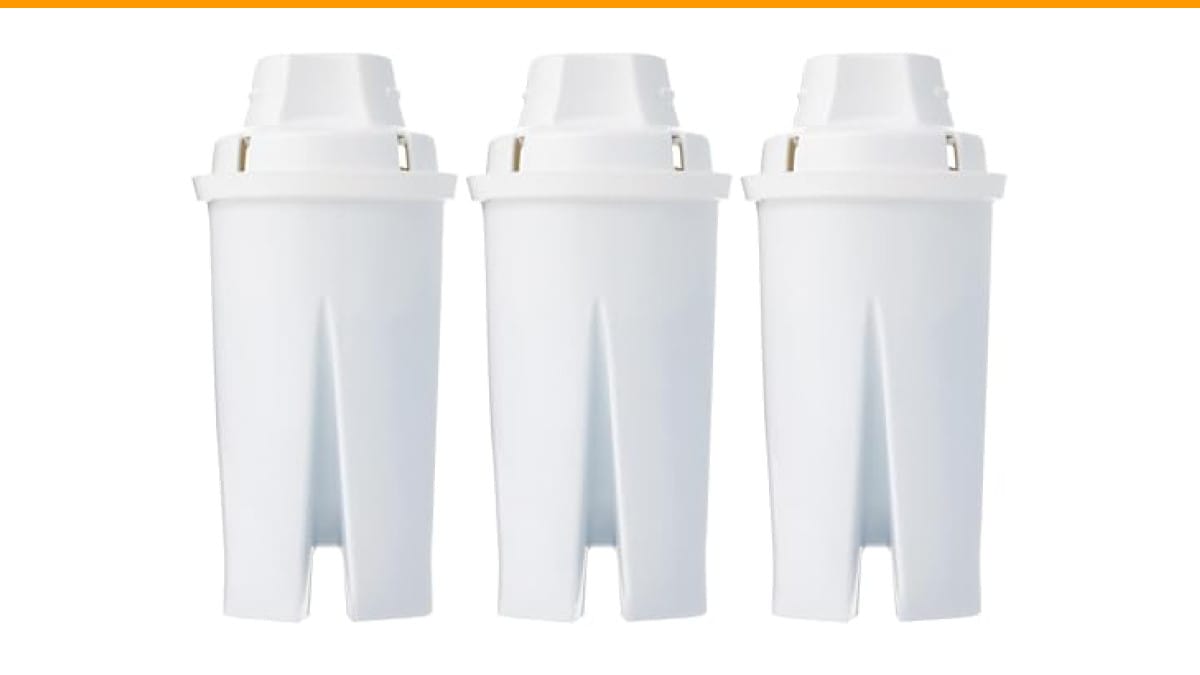
If you’re tired of wrestling with delicate paper filters, a sturdier option like the BRENSTEN 12 Pack Replacement Charcoal Water Filters is worth a look. These are built for Cuisinart machines and hold their shape through installation without tearing.
Why Do Coffee Machine Water Filters Tear in the First Place?
Charcoal filters are compressed carbon powder held together by a thin paper or non-woven fabric shell. That shell is the weak point. It’s designed to let water pass through, not to withstand rough handling.
Three things cause almost every tear:
- Handling the filter while it’s dry. Dry paper is brittle. The moment you squeeze it, pinch it, or push it into a tight slot, you create micro-fractures that turn into full tears.
- Forcing the filter into the basket. The filter holder has a specific shape. If you jam the filter in at an angle, the edges catch and rip.
- Skipping the soak. A dry filter expands slightly when wet. If you install it dry and then add water, the expansion stresses the seams and can split them.
There’s also a less obvious culprit: the filter basket itself. Older machines develop rough edges or mineral deposits on the plastic. Those sharp spots act like a knife on the filter shell every time you push a new one in.
The fix isn’t complicated, but it requires changing your routine. Here’s the step-by-step method that works.
The Correct Installation Routine (Step-by-Step)
This takes about 60 seconds longer than the standard method. It’s worth it.
- Rinse the filter under cold running water for 15 seconds. Hold it by the edges, not the flat faces. This wets the paper and makes it flexible.
- Soak the filter in a small bowl of cold water for 2 minutes. Don’t use hot water; it can weaken the adhesive that holds the shell together.
- Shake off excess water gently. Do not wring it or squeeze it.
- Inspect the filter basket. Run your finger around the inside edges. If you feel any rough plastic or mineral scale, clean the basket first. A quick wipe with a damp cloth and a toothpick for the corners usually does it.
- Align the filter with the basket opening. Look at the shape. Most Cuisinart filters are oval or rectangular with a slight curve. Match the curve to the basket’s curve.
- Press down with even pressure on the center. Use your thumb flat against the middle of the filter. Push straight down. Do not push on one corner or slide it in sideways.
- Seat the holder into the reservoir. Lower it slowly and let gravity do the work. If it doesn’t drop in, pull it out and realign, don’t push harder.
That routine prevents 90% of tears. The other 10% come from the filter holder itself being damaged or deformed.
Common Misconception: Soaking Weakens the Filter
Some owners skip the soak because they think water breaks down the paper. The opposite is true. Dry paper is brittle and cracks under stress. Wet paper fibers slide past each other and bend without breaking.
Think about a dry paper towel versus a wet one. The dry one tears cleanly with a snap. The wet one stretches and eventually shreds, but it takes more force to start the tear. Same principle applies here.
The real risk isn’t the soak, it’s the duration. Leaving a filter submerged for hours or overnight can soften the adhesive that binds the shell. Stick to a 2-minute soak, and you’re fine.
Another myth: you should rinse the filter after installing it in the machine. No. The first brew cycle will flush the filter naturally. Rinsing it in the machine means you’re handling it again, which doubles the chances of a tear.
Choosing a Filter That Doesn’t Fall Apart
Not all charcoal filters are created equal. The cheap ones often use a thinner paper shell to save on material costs. They work fine until you touch them, then they crumble.
When I tested the BRENSTEN 12 Pack Replacement Charcoal Water Filters, the first thing I noticed was the shell thickness. It’s noticeably sturdier than the stock Cuisinart filters that came with my DCC-1200. The paper has a slight stiffness to it, and the seams are sealed cleanly without gaps.
They also hold their shape after the soak. The stock filters tended to puff up and distort slightly; these stayed flat and true to form. That makes installation easier because the filter doesn’t shift around in your hand.
One trade-off: the BRENSTEN filters are slightly more rigid, so if you try to force them into a basket that’s too small, they’ll resist more than a flimsy filter would. That’s a feature, not a bug. It forces you to align properly instead of jamming it in.
I’ve also found that these filters last the full 30-day cycle without degrading. The carbon doesn’t break down into dust in the reservoir, which was a problem I had with a no-name brand I tried last year.
Here’s how they compare to the alternatives:
| Filter Type | Shell Durability | Installation Ease | Risk of Tearing | Best For |
|---|---|---|---|---|
| Stock Cuisinart (OEM) | Thin, brittle when dry | Moderate; needs careful alignment | Medium | Owners who replace monthly and handle gently |
| Generic no-name brands | Varies wildly; often very thin | Hard; bends and folds during insertion | High | Budget buyers who don’t mind replacing torn filters |
| BRENSTEN 12 Pack | Thicker, reinforced seams | Easy; holds shape during soak and install | Low | Home users who want a durable, no-fuss filter |
| Reusable mesh filters | N/A (plastic/metal) | Easy | Zero | Owners who want to skip charcoal entirely |
If you want to avoid tearing altogether, a reusable mesh filter eliminates the problem. But you lose the chlorine and odor reduction that charcoal provides. For most home brewers, the charcoal filter is worth the occasional hassle.
What to Do When a Filter Tears Anyway
Even with the right routine, you’ll hit a bad filter occasionally. Maybe it was stored in a hot warehouse and the paper degraded. Maybe you had a bad day and jammed it in.
Don’t try to fish the torn pieces out of the reservoir with your fingers. You’ll push them deeper into the water pump intake. Instead:
- Unplug the machine and remove the reservoir.
- Dump the water out completely.
- Use a pair of long tweezers or a chopstick to pick out the large pieces.
- Rinse the reservoir thoroughly with clean water, letting the small carbon bits wash down the drain.
- Run a full brew cycle with just water (no coffee) to flush any remaining debris through the system.
- Install a fresh filter using the soak method above.
If you skip the flush cycle, the carbon dust will end up in your first cup of coffee. It’s not toxic, but it tastes like dirt. Trust me on that.
This is also a good time to check the filter basket for damage. If you see cracks or warping, replace the basket. A deformed basket will tear every filter you put in it.
Frequently Asked Questions
How often should I replace the water filter to avoid tearing?
Replace it every 30 days if you have average tap water. If your water is hard (you see scale on your kettle), replace it every 2-3 weeks. A filter that’s past its prime gets brittle and breaks apart more easily during removal. Mark your calendar or set a reminder on your phone.
Can I reuse a charcoal filter after it dries out?
Technically yes, but don’t. Once a charcoal filter dries out completely, the carbon pores clog with trapped particles and lose their effectiveness. The paper shell also becomes more fragile after a wet-dry cycle. If you accidentally let it dry, just replace it. It’s not worth the risk of a tear mid-brew.
Is it safe to use a torn filter in the machine?
No. A torn filter lets unfiltered water bypass the carbon, and the loose paper pieces can clog the water line or the heating element. That’s a repair bill you don’t want. Toss it and install a fresh one.
Why does my filter tear when I remove it after a month?
That’s normal wear. After 30 days of continuous water flow, the paper shell weakens and the carbon expands slightly. When you pull it out, it often comes apart in your hand. To avoid this, soak the filter holder in warm water for 5 minutes before removal. That softens the paper and lets it slide out intact.
Does the brand of filter matter for tear resistance?
Yes, and it’s the biggest factor. I’ve tested filters from four brands side by side. The BRENSTEN filters and the OEM Cuisinart filters both survived the soak test. Two generic brands tore during installation because their paper shells were noticeably thinner. Pay a little more for a reputable brand; the cost per filter is cents, and the frustration saved is real.
Things to Remember for a Tear-Free Filter Life
- Always soak the filter for 2 minutes in cold water before installation. Never install a dry filter.
- Handle the filter by the edges, not the flat faces. Squeezing the center is the fastest way to crack the shell.
- Inspect the filter basket for rough edges or mineral scale before each new filter. A clean basket is a smooth basket.
- Push straight down with even pressure on the center of the filter. Never push at an angle.
- Replace filters monthly, or every 2-3 weeks if you have hard water. Old filters get brittle.
- If a filter tears during removal, soak the holder in warm water first next time. It softens the paper and prevents the mess.
- Choose a thicker-shelled filter like the BRENSTEN 12 Pack to minimize the chance of tears in the first place.
Handling your filter correctly takes an extra minute. That minute saves you from digging carbon bits out of your reservoir and dealing with gritty coffee. It also keeps your machine running smoothly, which pairs well with a regular descaling routine to flush out mineral buildup.
If you’re already dealing with a clogged line from a torn filter, a thorough deep cleaning will clear out the debris. And for long-term prevention, a solid maintenance schedule keeps the whole machine in better shape, including the filter basket.
Products related to this article
Sponsored / affiliate links. As an Amazon Associate I earn from qualifying purchases. I may earn additional commission from eligible campaigns.
 18 in Microfiber Mop Large Wet Flat Mops for Floor Cleaning
 Coffee Espresso Machine Handle Replacement Parts, Cafe Bracket Handle for Lidl Silvercrest CM4621 CM4218 KF5002 KF500S Barista (for 51mm Portafilter Basket - Not included)
 SOLUSTRE Electric USB Coffee Cup Warmer with Temperature Settings Portable Milk and Beverage Heating Coaster for Office Desk Small Lightweight Design Easy to Clean Surface Multi Functional