You’ve seen the videos. A barista in a pristine apron slowly circles a gooseneck kettle over a bed of coffee grounds, and the result looks almost ritualistic. Then you try it at home with a random dripper, and the coffee tastes thin or bitter. The problem usually isn’t your technique. It’s that you picked the wrong tool for how you actually brew.
This guide walks you through the real decisions: cone versus flat bottom, paper versus metal filters, single-serve versus batch capacity, and the long-term cost of replacement parts. You’ll know exactly which pour over coffee maker fits your routine, your grinder, and your budget. No fluff, just the specs that matter.
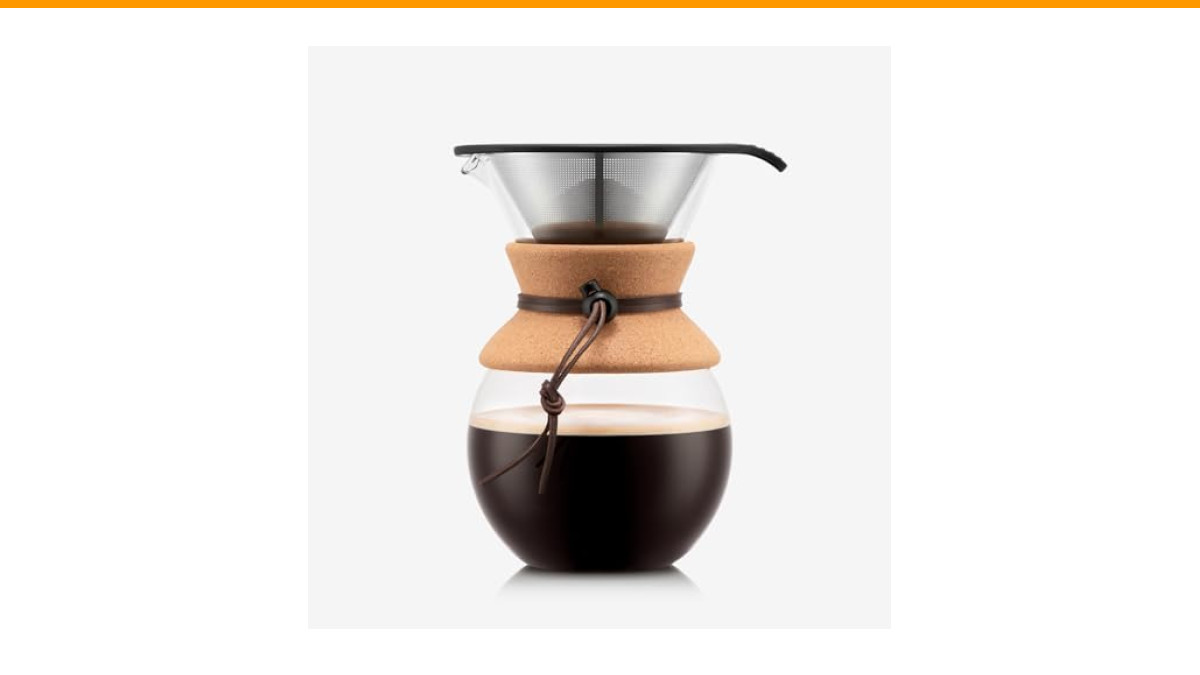
And if you’d rather skip the paper filter debate entirely, the Check Price on Amazon is a solid starting point. It uses a reusable stainless steel mesh filter that lets more natural oils through, giving you a fuller-bodied cup than paper filters produce. The borosilicate glass carafe handles heat well, and the cork band keeps your hands safe when the glass gets hot.
How We Tested and What You Should Look For
I’ve brewed side by side with a Hario V60, a Kalita Wave, a Chemex, and a few budget drippers. Test each with the same beans, same grind size, and same water temperature to isolate the differences in design. The goal was to see how each maker handles the three variables that define pour over: brew time, extraction, and bypass.
Here is the key takeaway. The dripper shape dictates your grind size. The filter type dictates your cleanup and flavor clarity. The material dictates your heat retention and durability. And the capacity dictates whether you can brew for one or for four.
You should also think about your grinder. A cheap blade grinder produces uneven particles, which leads to over-extracted bitter notes and under-extracted sour notes in the same cup. A burr grinder gives you consistent particle size, which matters more than the dripper itself.
If you’re using pre-ground coffee, you’re locked into a medium grind that works okay in a flat-bottom dripper but can stall a V60 if the particles are too fine. That’s a real constraint, and it should influence your choice.
How to Choose: The 5 Key Specs That Actually Matter
Before you buy, run through these five specs. They’ll narrow your options faster than any brand name.
1. Bypass Ratio
Bypass is water that flows through the coffee bed and out the bottom without fully saturating the grounds. A cone like the V60 has a large hole at the bottom, so water exits quickly. That means more bypass, which means you need a finer grind and a careful pour to slow things down. A flat-bottom dripper like the Kalita Wave has multiple small holes, which restrict flow and reduce bypass. That design is more forgiving.
Think of it this way: high bypass equals more control but less margin for error. Low bypass equals less control but a more consistent cup.
2. Filter Type
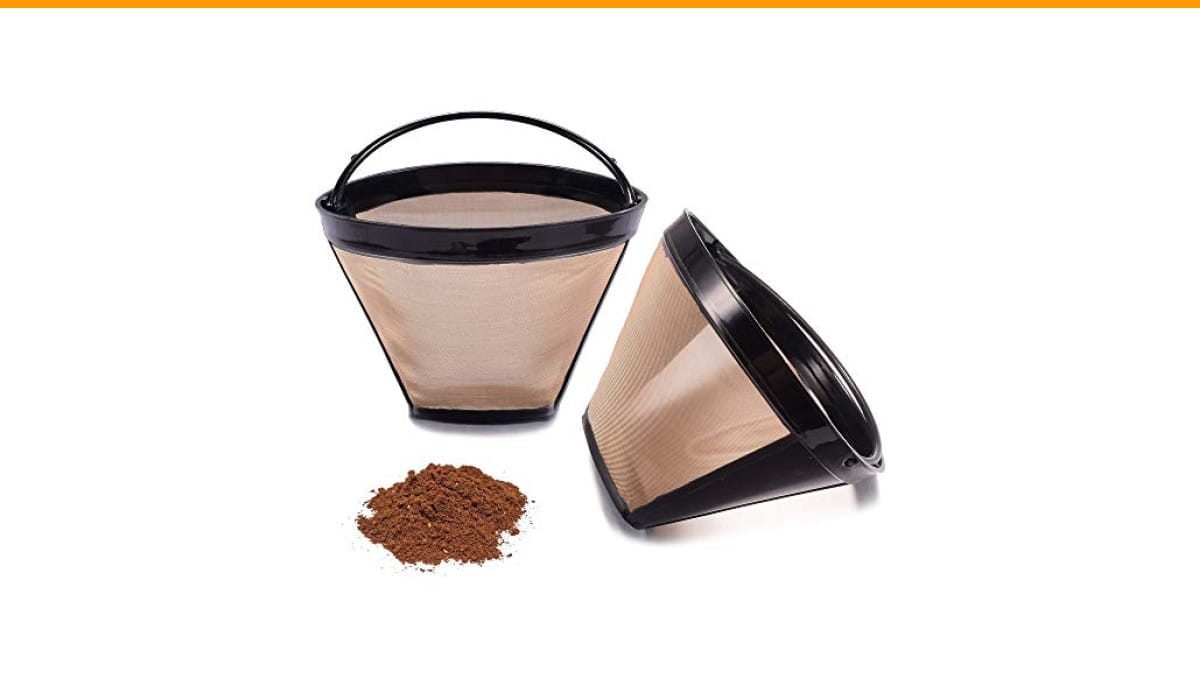
Paper filters absorb coffee oils, giving you a clean, crisp cup with no sediment. Metal filters let oils and fine particles through, which adds body and texture. Cloth filters sit somewhere in between. The choice affects flavor, mouthfeel, and cleanup.
Paper filters are disposable, so you’ll buy them forever. Metal filters are reusable but need a good rinse and occasional scrubbing. Cloth filters need to be boiled periodically and replaced every few months. Think about your tolerance for ongoing costs.
3. Material
Ceramic holds heat well but breaks easily. Glass lets you watch the brew but can crack with sudden temperature changes. Plastic is light and nearly indestructible but some people worry about taste transfer. Steel is durable and retains heat but costs more.
For a home brewer, I’d steer you toward glass or ceramic if you’re careful, and plastic if you’re clumsy or plan to travel. Your call.
4. Capacity
Most single-serve drippers max out around 500ml, which is about two small mugs. If you brew for more than two people regularly, you need a larger carafe like the Chemex or the Bodum model above. But here’s the catch: some large drippers fail at half-batches. The V60, for example, drips too fast with only 200ml of water because the coffee bed is too shallow to create proper resistance.
If you brew one cup on weekdays and a full pot on weekends, look for a maker that handles both extremes. The Kalita Wave 185 does this well. The Chemex does not.
5. Price and Replacement Parts
Initial price is one thing. The cost of filters over five years is another. A Chemex requires proprietary filters that cost roughly double what generic #2 cone filters cost. A Melitta dripper uses cheap, widely available filters. If you buy a maker with proprietary parts, confirm that those parts will still be in production a few years from now.
This is the buy-it-for-life angle. A $30 dripper that uses $5 filters for a decade is cheaper than a $60 dripper that uses $20 filters or requires a $40 replacement carafe.
Cone vs. Flat Bottom: The Physics of Extraction, Simplified
The shape of the dripper changes how water moves through the coffee. That’s not marketing talk. It’s physics.
A cone (V60, Chemex) has a steep angle and a single large opening. Water travels a shorter path through the grounds, so extraction happens fast. To slow it down, you need a finer grind. Finer grind means more surface area, which means quicker extraction. The risk is channeling, where water finds a path of least resistance and misses half the coffee. That produces a sour, uneven cup.
A flat bottom (Kalita, Melitta) has a flat base with three or four small holes. Water pools above the coffee bed, creating a more even saturation. The grind can be coarser because the flow is naturally restricted. This design is harder to mess up. It’s the reason baristas recommend flat-bottom drippers to beginners.
There’s a middle ground: the hybrid shape used by the Orea V3, which combines a flat base with cone-like walls. It’s clever, but it requires a specific pouring technique to get the most out of it.
For most home brewers, I’d recommend starting with a flat bottom. It gives you a good cup even when your pouring isn’t perfect. Once you master that, move to a cone if you want more control over flavor.
Filters Matter More Than the Dripper
You can spend $50 on a fancy dripper and ruin the coffee with a bad filter. The filter is the interface between water and coffee. It controls what ends up in your cup.
Paper filters are the standard for a reason. They trap oils and sediment, producing a bright, tea-like cup with no grit. The downside is that they absorb some flavor compounds, so the cup can taste thinner. They also cost money over time.
Metal filters are the opposite. They let oils pass through, which adds body and a velvety mouthfeel. The cup will have some sediment at the bottom, which some people dislike. Metal filters are also messier to clean. You have to knock out the grounds and rinse the mesh thoroughly, or the oils go rancid and ruin your next brew.
Cloth filters are the compromise. They let some oils through but trap most sediment. They need to be rinsed after each use and boiled weekly to remove built-up oils. They last about six months before they start to tear.
Here’s my honest take: if you want the cleanest cup, use paper. If you want the most body and don’t mind sediment, use metal. If you want a middle ground and don’t mind extra maintenance, use cloth.
The Bodum maker I mentioned earlier comes with a stainless steel filter, so you’re getting the full-bodied cup right out of the box. You can also buy paper filters that fit it if you want to switch things up.
Common Mistakes and How to Fix Them
Even with the right maker, you can produce bad coffee. Here are the five most common mistakes I see and the fixes that work.
Bitter, over-extracted coffee
Your grind is too fine or your water is too hot. Aim for water between 195°F and 205°F. If you don’t have a thermometer, boil the water and wait 30 seconds. That gets you close. If it’s still bitter, coarsen the grind.
Weak, sour coffee
Your grind is too coarse or your brew time is too short. A pour over should take 2.5 to 4 minutes total, depending on the dose. If it finishes in 90 seconds, your grind is too coarse. If it takes 5 minutes, it’s too fine.
Stalling (water pools on top and won’t drain)
This happens when the grind is too fine or the filter is clogged. Paper filters can get clogged with fines from a blade grinder. Switch to a burr grinder or use a slightly coarser grind. You can also stir the slurry once during the bloom to break up clumps.
Uneven extraction (sour and bitter in the same sip)
This is channeling. Water found a path through the coffee and bypassed the rest. Fix it by pouring in slow, concentric circles and making sure all the grounds are saturated during the bloom. A flat-bottom dripper helps here.
Dirty equipment
Old coffee oils can make your brew taste rancid. Rinse the dripper and carafe after each use. Once a week, wash with warm soapy water. If you see brown residue, use a dedicated coffee cleaner or vinegar solution. Check out our coffee maker cleaning guide for the full routine.
Comparing the Main Types of Pour Over Makers
| Dripper Type | Filter Shape | Bypass Level | Grind Size | Best For | Filter Cost |
|---|---|---|---|---|---|
| Hario V60 | Cone (paper) | High | Medium-fine | Experienced brewers who want control | Low (generic #2) |
| Kalita Wave | Flat bottom (paper) | Low | Medium | Beginners and consistent daily cups | Medium (proprietary) |
| Chemex | Cone (thick paper) | High | Medium-coarse | Batch brewing for 3+ people | High (proprietary) |
| Melitta | Cone (paper) | Medium | Medium | Budget buyers and single cups | Very low (generic #2) |
| Bodum (metal filter) | Cone (metal) | Medium | Medium-coarse | Those who want full body and no paper waste | None (reusable) |
| MiiR Pourigami | Cone (paper or metal) | Medium | Medium | Travel and camping | Low (generic #2) |
Budget Breakdown: Price vs. Long-Term Cost
Let’s talk money. The upfront cost is only half the story.
- Under $20: Melitta or generic cone drippers. These use cheap #2 filters and are nearly indestructible. Total five-year cost: around $30 including filters.
- $30–$60: Hario V60 starter kit, Kalita Wave, or Bodum. You’re paying for better materials and possibly a carafe. Filter costs vary. The Bodum’s reusable filter means zero ongoing cost.
- Premium ($60+): Chemex or automated brewers like the Ratio Four. The Chemex looks great on a counter but the filters are pricey. The Ratio Four is a set-and-forget machine that costs real money.
My advice: don’t spend more than $40 on a manual dripper unless you’re buying for aesthetics. The brew quality difference between a $15 Melitta and a $50 Kalita is noticeable but not enormous. The bigger jump comes from upgrading your grinder.
If you’re using pre-ground coffee, a $15 dripper is fine. If you have a burr grinder, the Kalita or V60 will reward you.
FAQ: Grind Size, Ratios, and Pre-Ground Coffee
What’s the ideal coffee-to-water ratio?
Start with 1:16, which is 1 gram of coffee for every 16 grams of water. For a standard 12-ounce mug, that’s about 22 grams of coffee and 350 grams of water. Adjust from there. If it’s too strong, go 1:17. Too weak, go 1:15.
Can I use a regular kettle instead of a gooseneck?
You can, but you’ll have less control over the pour rate. A gooseneck kettle lets you pour slowly and precisely, which reduces channeling. If you’re just starting, a regular kettle works for a flat-bottom dripper. For a V60, the gooseneck is almost mandatory.
Is pre-ground coffee okay for pour over?
It works, but you’re at the mercy of the grinder at the factory. Most pre-ground coffee is ground for drip machines, which is a medium grind. That works fine in a Kalita or Melitta. It can clog a V60 if it’s ground too fine. Buy a burr grinder when you can. It’s the single best upgrade.
How long should the bloom last?
Pour about twice the weight of coffee in water (e.g., 44 grams of water for 22 grams of coffee) and wait 30-45 seconds. This lets the coffee degas and prepares the bed for even extraction. If the coffee is very fresh, the bloom will bubble and expand. If it’s stale, it won’t bubble much.
How do I clean a pour over maker?
Rinse the dripper and carafe immediately after brewing. For metal filters, knock out the grounds and rinse under hot water. Once a week, soak the metal filter in a baking soda solution to remove oils. For glass carafes, a bottle brush and mild soap work. Avoid putting ceramic or glass in the dishwasher if you can, as the heat can weaken the material over time. See our cleaning frequency guide for more detail.
The Verdict: Which Should You Buy?
- Buy the Melitta if you want a cheap, foolproof single cup and don’t care about experimenting.
- Buy the Kalita Wave if you’re new to pour over and want consistently good coffee without much practice.
- Buy the Hario V60 if you enjoy the ritual and want maximum control over flavor.
- Buy the Chemex if you brew for a crowd and want a beautiful centerpiece.
- Buy the Bodum if you want zero ongoing filter costs and a fuller-bodied cup.
- Buy a travel pour over if you’re always on the road.
Take a hard look at your grinder before you buy anything. A $10 upgrade in grind quality will improve your coffee more than a $50 upgrade in dripper. And remember to keep your equipment clean, or the best dripper in the world will still make a muddy cup. If you run into clogging or brewing issues, our clogged coffee maker guide covers the fixes.
Products related to this article
Sponsored / affiliate links. As an Amazon Associate I earn from qualifying purchases. I may earn additional commission from eligible campaigns.
 HomeBeyond Espresso Coffee Maker 12 Cups, Classic Stovetop Espresso Maker, 600ml / 20oz Coffeemaker for Gas & Ceramic Stovetops (Silver)
 Stainless Steel Moka Pot Coffee Filter Disc for Espresso Brewing, Coffee Maker Replacement Filter Plate for Home Office Coffee Bar Cafe (FOR 4 Cups)
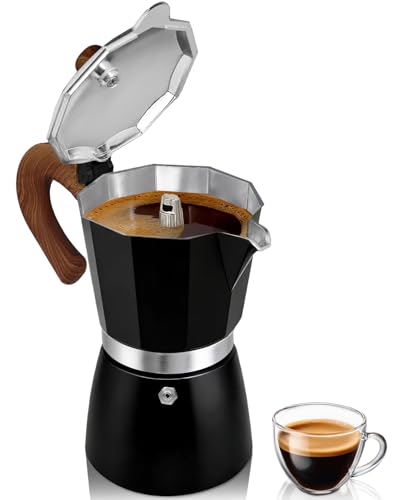 Belly Moka Coffee Maker Stovetop Espresso Maker 9 Cup Aluminum Moka Pot Percolator 15oz 450ml Easy Brewing for Electric Ceramic Stoves Home Camping Italian Cuban Café Classic Black