The cardboard box looks small enough. That’s what you told yourself when you ordered it. Then you unboxed the machine, cleared a spot on the counter, and realized the water reservoir sticks out past the edge. The lid won’t open under the cabinet. You have to pull the whole unit forward just to pour a cup.
Choosing a small coffee maker is less about the word ‘small’ on the box and more about how the machine fits your actual kitchen. Your counter depth, your cabinet height, your mug collection, and your patience in the morning all matter more than the marketing photos suggest. This guide walks through a simple measurement framework, compares machine types on cost and noise, and covers the maintenance habits that keep compact brewers alive.

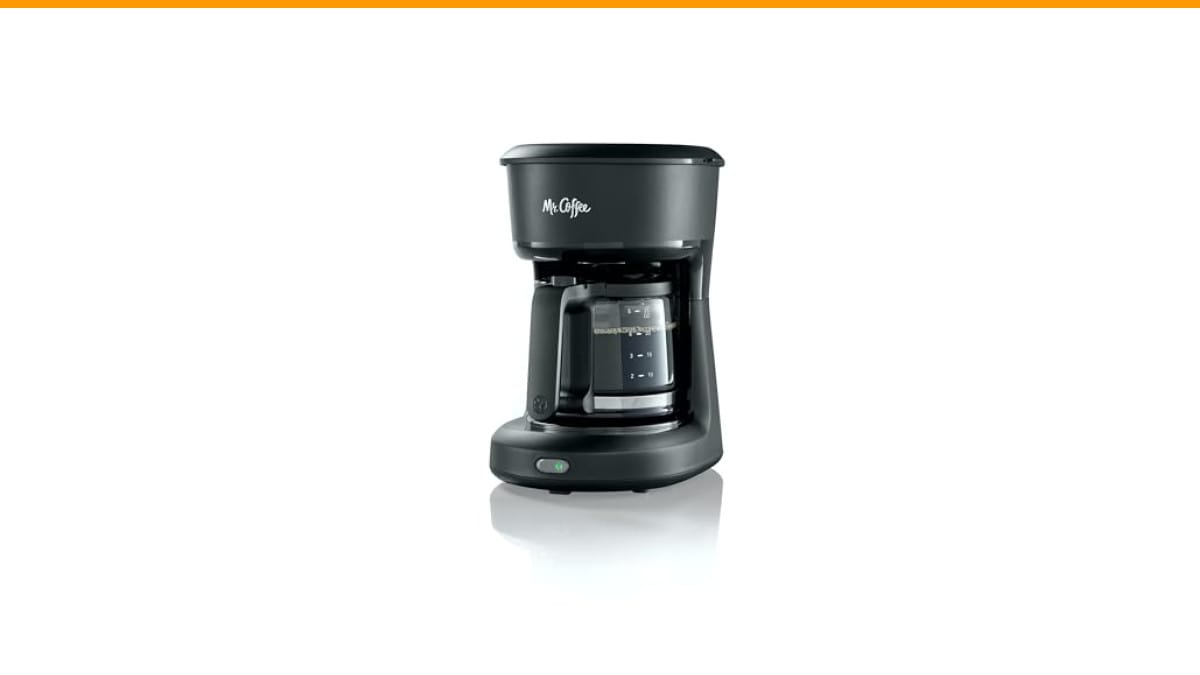
Mr. Coffee
Mr. Coffee® 5-Cup Mini Brew Switch Coffee…
- Please refer to user guide or user manual or user guide (provided below in PDF) before first use
- Grab-a-Cup Auto Pause lets you grab a cup before brewing is finished
- Lift & Clean Filter Basket makes for easy cleanup
As an Amazon Associate I earn from qualifying purchases.
You will know exactly what to measure, which trade-offs to accept, and how to match a machine to your daily routine before you spend a dollar.
For many small kitchens, a traditional drip brewer remains the most practical answer. The Mr. Coffee 5-Cup Mini Brew Switch fits this category well. It measures about 10.5 inches wide, uses a standard basket filter, and includes Grab-a-Cup Auto Pause so you can pour a mug mid-brew. The carafe is glass, so handle it with care, but the machine itself is light enough to tuck into a cabinet when you need the counter space.
The Space Audit: Measure Before You Shop
Grab a tape measure. You need three numbers: counter depth, clearance above the counter, and the distance from the counter edge to the nearest wall or appliance.
Counter depth matters because most compact brewers are deeper than they are wide. A machine that is 10 inches wide might still be 12 inches deep. If your counter is only 18 inches deep and you have a toaster oven next to it, you run into overlap.
Write down these measurements:
- Width of the available counter space
- Depth from the wall to the counter edge
- Height from the counter to the bottom of the upper cabinet
- Distance from the counter edge to the nearest power outlet
That last number gets ignored constantly. Most small brewers have a 24-inch power cord. If your only outlet is behind the machine, you might need a power strip, which eats more counter space.
Operating Position vs. Storage Position
A small coffee maker can live in two states. The operating position is where it sits during brewing. The storage position is where it lives the other 23 hours of the day.
Some people keep the machine out permanently. Others tuck it in a cabinet between uses. If you plan to store it, measure the cabinet interior height and depth. The Mr. Coffee 5-Cup, for example, has a carafe that sits on the warming plate. You cannot lay the carafe sideways to save height. The total unit height is about 11 inches, so a 12-inch cabinet shelf works, but a 10-inch shelf does not.
If you plan to leave it out, check the lid clearance. A machine with a flip-top water reservoir needs 3 to 4 inches of open space above it to fill. A machine with a removable water tank is easier to fill at the sink, which sidesteps this problem.
The Cup Clearance Test
Most coffee makers list the carafe height. They do not list the clearance under the brew head for a travel mug.
Before you buy, measure your tallest travel mug. Standard 12-ounce mugs are about 5.5 inches tall. Tall 20-ounce travel mugs run 7 to 8 inches. Many compact drip brewers have a fixed brew head with only 5 inches of clearance. You cannot fit a tall mug under the spout, and you cannot remove the drip tray because it is part of the base.
The workaround is a machine with a removable drip tray or a pod brewer with a taller brew chamber. The Mr. Coffee 5-Cup does not have a removable tray, so it works best with standard mugs and the included glass carafe. If your daily driver is a tall tumbler, factor that into your decision now.
Drip, Pod, or Espresso: Matching the Machine to Your Morning
The three main categories of small coffee makers serve different routines. Drip brewers are the workhorses. Pod machines are the speed demons. Espresso machines are the hobbyist’s choice. Each has a different workflow, noise profile, and cost structure.
Drip machines take 6 to 10 minutes to brew a full carafe. The first cup is ready in about 3 minutes if the machine has a pause-and-serve feature. They are the quietest option, producing a gentle gurgle rather than a high-pitched whine. The downside is cleanup: a glass carafe, a filter basket, and a reusable filter that needs rinsing.
Pod machines, like a Keurig K-Mini, heat water in about 60 seconds and brew a single cup in under a minute. They are louder because the pump vibrates during the brew cycle. The real cost is per cup. A single pod runs 60 to 90 cents. Over a year of daily use, that adds up to $220 to $330 just for coffee. Drip coffee costs 20 to 40 cents per cup using ground beans.
Compact espresso machines, such as the Dedica or the Bambino, pull a shot in 25 to 35 seconds after a 3-minute heat-up time. They take up similar counter space to a drip brewer but require a burr grinder, a tamper, and a metal pitcher. The learning curve is real. You will waste a few shots dialing in the grind size. The payoff is a drink that rivals a coffee shop, at a cost of roughly 50 cents per double shot.
Think about your morning tolerance for steps. A drip brewer has two steps: add water, press start. A pod machine has three: fill tank, insert pod, press brew. An espresso machine has six or seven, and that is before you steam milk.
Noise Levels in Small Spaces
Compact machines sit closer to you. The noise they make is harder to ignore.
Drip brewers are the quietest. The heating element clicks and the water drips, but the sound level sits around 50 decibels, similar to a quiet conversation. The Mr. Coffee 5-Cup is typical here. You can run it while someone else sleeps in a studio apartment without waking them.
Pod machines are louder. The pump that pushes water through the pod runs at 65 to 75 decibels, comparable to a vacuum cleaner. The brew cycle is short, but the noise is jarring first thing in the morning.
Espresso machines with a vibratory pump are the loudest. They hit 80 decibels during the shot pull. The steam wand adds a hissing sound that lasts 20 to 40 seconds. If you live in a thin-walled apartment, your neighbors will hear it.
If noise is a dealbreaker, skip the pod machine and the espresso machine. Stick with drip.
The Hidden Costs: Cost-Per-Cup and Maintenance
The sticker price is only the beginning. What you feed the machine and how you clean it determine the real cost of ownership.
| Machine Type | Cost Per Cup | Annual Cost (1 cup/day) | Maintenance Frequency | Noise Level |
|---|---|---|---|---|
| Drip (ground coffee) | $0.20 – $0.40 | $73 – $146 | Descale every 1-2 months | Quiet (50 dB) |
| Pod (single-serve) | $0.60 – $0.90 | $219 – $329 | Descale every 3-6 months | Medium (65-75 dB) |
| Espresso (beans) | $0.40 – $0.60 | $146 – $219 | Backflush weekly, descale monthly | Loud (80 dB) |
Compact machines have smaller internal tubes and valves. Scale builds up faster and clogs them sooner. A full-size drip brewer can run for years with hard water. A 5-cup machine with the same water will choke on mineral deposits within six months.
You can slow this down. Use filtered water instead of tap water. Filtered water has fewer dissolved minerals. Run a descaling cycle with a vinegar solution or a commercial descaler every four to six weeks if you use the machine daily. The process takes 30 minutes and involves running the solution through the brew cycle, then running two cycles of plain water to rinse.
Neglecting this is the number one reason small coffee makers die early. A clogged machine heats up, trips its thermal fuse, and stops working. The fix is not worth the cost of a new unit. If you want the full routine, read our vinegar cleaning guide for the exact steps.
Reusable filters also matter. A permanent mesh filter costs $8 to $15 and replaces hundreds of paper filters. The trade-off is sediment in your cup. Paper filters catch the fine grounds; mesh filters let some through. If you prefer a clean cup, stick with paper filters and buy them in bulk.
Common Mistakes to Avoid When Buying Small
People buy the smallest machine they can find, then realize it fails at the one job they need it for. Here are the patterns that repeat.
Mistake one: ignoring the carafe. Some compact brewers use a 5-cup carafe with a narrow opening. You cannot fit your hand inside to wash it. You need a bottle brush. If you hate hand-washing dishes, look for a machine with a dishwasher-safe carafe or a thermal carafe that only needs a rinse.
Mistake two: buying a pod machine without checking the water tank. The Keurig K-Mini has a 12-ounce reservoir. That is enough for one small cup. If you want a second cup, you refill the tank. A machine with a 40-ounce reservoir is larger but saves you the refill ritual.
Mistake three: assuming ‘small’ means ‘fits anywhere’. The Mr. Coffee 5-Cup is compact, but it still needs 10 inches of depth and clearance above for the lid. Measure first, buy second.
Mistake four: skipping the auto shut-off check. Many compact machines lack a programmable timer or an auto shut-off. The Mr. Coffee 5-Cup is a manual switch model, so you must remember to turn it off. If you leave the house in a rush, you will come home to a burnt carafe and a warm plate that has been on for hours.
Frequently Asked Questions
What is the best small coffee maker for a dorm room?
A manual switch drip brewer is the safest bet. It has no programmable timer that could accidentally run while you are out. The Mr. Coffee 5-Cup fits this profile. It is compact, cheap, and uses standard filters. Check your dorm’s wattage limit before buying, as many dorms restrict appliances over 1000 watts.
How do I measure counter space for a coffee maker?
Measure the width, depth, and height of the open counter area. Add 2 inches to the width and depth for ventilation clearance. Measure the height from the counter to the bottom of the upper cabinet. Subtract 3 inches from that number for lid clearance.
Are pod coffee makers cheaper than drip in the long run?
No. Pods cost 60 to 90 cents per cup. Ground coffee costs 20 to 40 cents per cup. Over a year, a pod habit costs $150 to $200 more. The convenience is real, but the math is not close.
How often should I descale a compact coffee maker?
Every four to six weeks if you use it daily. Compact machines have narrower internal tubes, so scale accumulates faster. If you use filtered water, you can stretch that to every two months. If you use hard tap water, descale monthly. A clogged machine is the most common failure point.
Can I put a travel mug under a compact drip brewer?
Only if the machine has a removable drip tray or a tall brew head. Most compact drip brewers have about 5 inches of clearance, which fits a standard mug but not a 20-ounce travel tumbler. Check the spec sheet for ‘clearance under brew head’ before buying.
What I Would Buy and Why
If you want a simple, reliable drip brewer for a small kitchen, the Mr. Coffee 5-Cup Mini Brew Switch is a solid pick. It is not fancy. It has no timer, no strength control, and no thermal carafe. What it offers is a small footprint, a pause-and-serve feature, and a price that makes it a low-risk experiment.
If you drink espresso daily, skip the cheap espresso machines and save for a model with a brass boiler and a 15-bar pump. The smaller machines with thermoblock heaters produce inconsistent shots and die within a year.
If you want speed and do not mind the per-cup cost, a pod machine is fine. Just buy the reusable pod basket to cut the cost per cup in half.
The decision comes down to your counter space, your noise tolerance, and your willingness to clean. Measure your space, decide on your budget per cup, and pick the machine that fits the workflow you actually have, not the one you wish you had.
- Measure counter depth, height, and cup clearance before buying anything.
- Drip brewers are the quietest and cheapest per cup, but they take 6-10 minutes to brew.
- Pod machines are fast but cost $150-$200 more per year than drip.
- Espresso machines are loud, need practice, and require a grinder.
- Descale a compact machine every 4-6 weeks to prevent clogs.
- Check for removable drip trays if you use tall travel mugs.
- Ignore the word ‘small’ on the box and trust your tape measure instead.
Products related to this article
Sponsored / affiliate links. As an Amazon Associate I earn from qualifying purchases. I may earn additional commission from eligible campaigns.
 HomeBeyond Espresso Coffee Maker 12 Cups, Classic Stovetop Espresso Maker, 600ml / 20oz Coffeemaker for Gas & Ceramic Stovetops (Silver)
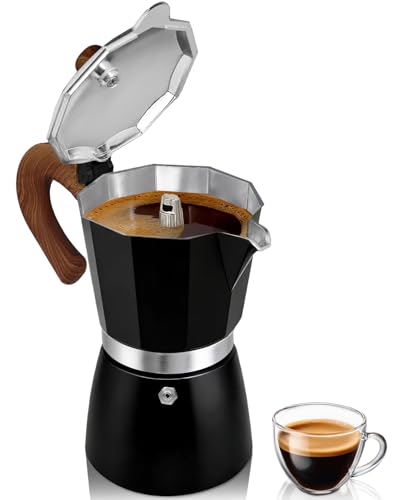 Belly Moka Coffee Maker Stovetop Espresso Maker 9 Cup Aluminum Moka Pot Percolator 15oz 450ml Easy Brewing for Electric Ceramic Stoves Home Camping Italian Cuban Café Classic Black
 Belly Moka Coffee Maker Stovetop Espresso Maker 6 Cup Aluminum Moka Pot Percolator 10oz 300ml Easy Brewing for Electric Ceramic Stoves Home Camping Italian Cuban Café Classic Silver