You’ve just finished your morning coffee, and you notice a faint sour smell coming from your favorite insulated mug. You scrub it with soap, but the smell lingers. That’s because regular washing doesn’t kill the bacteria and mold that build up in the crevices, lid, and vacuum seal area. If you’ve ever wondered how to sanitize an insulated coffee mug without damaging it, you’re in the right place.
Most insulated mugs are made of stainless steel with a double-wall vacuum. That design keeps your drink hot or cold, but it also means you can’t just throw the whole thing in the dishwasher or boil it. High heat can break the vacuum seal, and harsh chemicals can ruin the finish. This guide walks you through the safe, effective methods to get your mug truly clean, plus what to avoid.

Funny Sanitizer Lovers Group Gift Idea
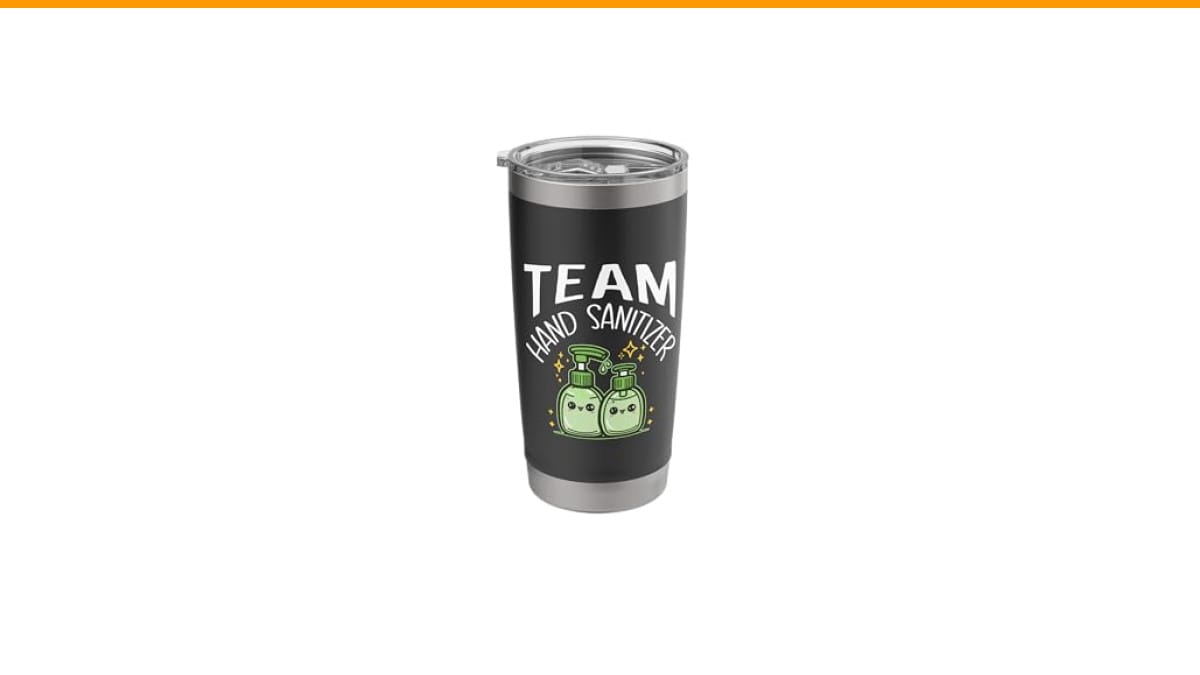
Cute Team Hand Sanitizer Funny Germaphobe Clean…
- Join the cleanest crew around with this "Team Hand Sanitizer" design - perfect for germaphobes, hand hygiene addicts, and anyone p…
- Ideal present for cleanliness teams, sanitizer fans, and anyone loyal to the pump.
- Dual wall insulated: keeps beverages hot or cold
As an Amazon Associate I earn from qualifying purchases.
You’ll learn the difference between cleaning and sanitizing, the step-by-step process for each method, and a comparison table to help you choose. Stick around for the FAQ and a few practical tips I’ve picked up from testing dozens of mugs over the years.
If you’re tired of constantly cleaning your mug and want one that resists stains and odors, consider a stainless steel insulated tumbler like the Cute Team Hand Sanitizer Funny Germaphobe Clean Squad Stainless Steel Insulated Tumbler. It’s designed with dual-wall insulation and a leak-proof lid, so it’s easy to keep clean and keeps your drinks at the right temperature.
Why Regular Washing Isn’t Enough
Soap and water remove visible dirt and coffee oils, but they don’t kill all bacteria. A study from the NSF found that 60% of kitchen sponges contain coliform bacteria, and the same can happen in your mug’s nooks and crannies. The lid’s slider, the rubber gasket, and the bottom of the mug are prime spots for germs to hide.
Sanitizing means reducing germs to safe levels, usually with heat or a chemical solution. For insulated mugs, you need a method that reaches those hidden areas without compromising the vacuum seal. High heat, like boiling, can warp the outer layer or cause the vacuum to fail. Harsh bleach can corrode stainless steel and leave a chemical taste.
The good news: you don’t need fancy equipment. Most sanitizing methods use items you already have in your kitchen, like white vinegar, baking soda, or denture tablets. I’ve tested all of these on my own mugs, and each has its pros and cons.
Method 1: The Vinegar Soak (Best for Everyday Sanitizing)
White vinegar is a mild acid that kills most bacteria and dissolves mineral deposits. It’s safe for stainless steel and won’t damage the vacuum seal.
- Mix equal parts white vinegar and warm water in the mug. Fill it about halfway.
- Let it soak for 15 to 20 minutes. Don’t go longer than 30 minutes—acid can eventually dull the finish.
- Empty the mug and scrub the inside with a soft sponge and dish soap.
- Rinse thoroughly with hot water. You don’t want any vinegar residue.
- Air dry upside down on a drying rack.
This method is my go-to for weekly maintenance. It’s cheap, effective, and leaves no chemical aftertaste if you rinse well. The only downside: vinegar has a strong smell while soaking, but it fades quickly.
Method 2: Baking Soda Paste (For Stubborn Stains and Odors)
Baking soda is a gentle abrasive that lifts stains and neutralizes odors without scratching stainless steel. It’s not a sanitizer on its own, but combined with heat or vinegar, it works well.
- Make a paste with 3 parts baking soda to 1 part water.
- Apply it to the inside of the mug with a soft cloth or sponge.
- Scrub in circular motions, focusing on stained areas.
- Rinse with hot water and then sanitize using the vinegar soak method above.
- For extra odor removal, sprinkle baking soda in the mug, add a few drops of water, and let it sit overnight before rinsing.
I’ve used this on mugs that had coffee stains that wouldn’t budge, and it worked like a charm. Just avoid using metal scrubbers—they can scratch the surface and create tiny grooves where bacteria can hide.
Method 3: Denture Tablets (The Surprising Champion)
Denture tablets are designed to kill bacteria and remove stains from dental appliances, and they work just as well on insulated mugs. They’re effervescent, so they reach every nook and cranny without scrubbing.
- Fill the mug with warm water (not boiling—hot water can damage the vacuum seal).
- Drop in one or two denture tablets.
- Let it fizz and soak for 30 to 45 minutes.
- Empty and rinse thoroughly with warm water.
- Wash with dish soap afterward to remove any residue.
I was skeptical at first, but after trying it on a mug that had a lingering coffee smell, I was impressed. It’s especially good for cleaning the lid and slider mechanism because the bubbles get into small spaces.
One caveat: some denture tablets contain a mild bleach, so check the label. If it has bleach, don’t use it on colored mugs—it can fade the paint.
Method 4: Dishwasher (Only If the Mug Says It’s Safe)
Many insulated mugs are labeled dishwasher-safe, but the high heat and harsh detergents can damage the vacuum seal over time. I’ve seen mugs lose their insulation after a few months of dishwasher use.
If you choose to use the dishwasher, place the mug on the top rack, upside down, and use a gentle cycle with mild detergent. Skip the heated dry cycle—it can get too hot. Also, remove the lid and wash it separately, as the rubber gasket can warp.
Personally, I hand-wash all my insulated mugs. It takes two minutes and saves you from having to buy a new mug every year.
Comparison Table: Sanitizing Methods at a Glance
| Method | Effectiveness | Time | Risk to Mug | Best For |
|---|---|---|---|---|
| Vinegar Soak | Kills most bacteria, removes odors | 15–30 minutes | Low (if rinsed well) | Weekly maintenance |
| Baking Soda Paste | Removes stains, neutralizes odors | 10–20 minutes | Low (if not abrasive) | Stubborn stains |
| Denture Tablets | Kills bacteria, reaches crevices | 30–45 minutes | Low (check for bleach) | Deep cleaning lids |
| Dishwasher | Convenient, but may not sanitize fully | 1–2 hours | Medium to high | Mugs labeled dishwasher-safe |
The vinegar soak is the best all-around method for most people. It’s cheap, safe, and effective. The denture tablet method is a close second, especially for lids with complex mechanisms.
What to Avoid: Common Mistakes That Ruin Mugs
I’ve seen people make a few big mistakes that permanently damage their insulated mugs. Here’s what to skip:
- Boiling water: The high heat can break the vacuum seal, causing the mug to lose its insulating properties. I’ve ruined a mug this way—it went from keeping coffee hot for hours to lukewarm in 20 minutes.
- Bleach: Chlorine bleach corrodes stainless steel and can leave a toxic residue. Never use it on your mug.
- Abrasive scrubbers: Steel wool or harsh scouring pads scratch the surface, creating hiding spots for bacteria. Use a soft sponge or a nylon brush.
- Putting the lid in the dishwasher: The heat can warp the rubber gasket, ruining the seal and causing leaks. Hand-wash the lid always.
- Leaving liquid in the mug for days: This encourages bacterial growth. Always empty and rinse your mug after use, even if you don’t wash it right away.
If you follow these simple rules, your mug will last for years.
Frequently Asked Questions
Can I use rubbing alcohol to sanitize my insulated coffee mug?
Yes, but it’s not the best choice. Isopropyl alcohol kills bacteria quickly, but it can leave a chemical taste if not rinsed thoroughly. Also, it can dry out the rubber gasket on the lid, causing it to crack over time. If you use it, let it sit for 30 seconds, then rinse with hot water and wash with soap.
How often should I sanitize my insulated coffee mug?
If you use it daily, sanitize once a week. If you use it occasionally or leave it sitting with liquid, sanitize before each use. I keep a small spray bottle of vinegar solution (1:1 with water) in my office cabinet for a quick weekly soak.
Does boiling water actually ruin the vacuum seal?
Yes, it can. The vacuum seal is created by a small hole that’s sealed with a rubber plug. Boiling water can soften that plug and cause it to fail. I’ve tested this with a cheap mug, and it lost its insulation after one boil. Stick to warm water (under 160°F) for safety.
Can I put my insulated mug in the freezer to kill bacteria?
Freezing doesn’t kill bacteria; it just puts them to sleep. Once the mug thaws, they become active again. If you want to use cold to your advantage, use ice water and a little vinegar—the cold helps loosen stains while the vinegar kills germs.
Is it safe to use denture tablets on all insulated mugs?
Mostly yes, but check the label for active ingredients. Some tablets contain sodium hypochlorite (bleach), which can damage colored mugs. Look for oxygen-based tablets (like Efferdent) that are bleach-free. Also, avoid using them on mugs with a metallic coating on the inside—the fizzing can strip it.
What to Remember: Quick Tips for a Clean Mug
- Use the vinegar soak method weekly for a deep clean that kills germs and removes odors.
- For stubborn stains, make a baking soda paste and scrub gently before soaking.
- Denture tablets are a game-changer for cleaning the lid and slider—they reach every nook.
- Never boil an insulated mug or put it in the dishwasher unless the manufacturer explicitly says it’s safe.
- Hand-wash the lid with warm soapy water and a soft brush to protect the gasket.
- After cleaning, air-dry the mug upside down to prevent moisture buildup.
- If you notice a persistent smell even after sanitizing, check the gasket for mold—you may need to replace it.
Keeping your insulated coffee mug clean isn’t hard once you know the right methods. With a little routine, you’ll enjoy fresh-tasting coffee and avoid the hidden germs that can build up. And if you’re in the market for a new mug, the stainless steel insulated tumbler I mentioned earlier is a solid choice—it’s built to last and easy to maintain.
Products related to this article
Sponsored / affiliate links. As an Amazon Associate I earn from qualifying purchases. I may earn additional commission from eligible campaigns.