You brewed a careful pour over, the aroma was perfect, and then you hit it: a gritty, muddy mouthful at the bottom of the cup. It ruins the finish and makes you wonder if your technique is broken. It’s not. Sediment in pour over coffee is a common issue, but it’s also one you can eliminate with a few specific adjustments.
This guide walks through the actual mechanics of why coffee fines end up in your cup and what to do about it. You’ll learn about grind particle distribution, the role of your filter, and the pouring habits that either help or hurt. By the end, you’ll know exactly how to adjust your routine for a cleaner, brighter cup.

Amazon Basics
Amazon Basics Basket Coffee Filters for 8-12…
- SHIPMENT CONTAINS: 200 white basket coffee filters that fit most 8-12 cup basket coffeemakers
- SUPERIOR FILTRATION: Provides excellent coffee filtration that eliminates gritty sediment while allowing the great coffee taste to…
- INDUSTRIALLY COMPOSTABLE DESIGN: Filter meets ASTM D6868-11 standard and can be composted where municipal or industrial composting…
As an Amazon Associate I earn from qualifying purchases.
If you’re using a basket-style coffee maker, a simple swap of your paper filter can make a noticeable difference. The Amazon Basics Basket Coffee Filters are a solid, no-fuss option. They are designed to catch the fine particles that cause that gritty texture while letting the coffee oils through, and they fit most standard 8-12 cup machines.
Grind Size: The First Place to Look
The biggest culprit behind sediment is your grind. Not just the average size, but the distribution of particle sizes in the batch. Every grinder, even expensive ones, produces a mix of larger pieces and very fine dust, often called ‘fines.’
These fines are lighter than the bigger grounds. When you pour water over them, they get suspended and can easily wash right through your filter bed and into the carafe. If you’re using a blade grinder, this problem is amplified. A blade grinder chops beans unevenly, creating a huge amount of dust. A burr grinder produces a more consistent particle size, which means fewer fines to begin with.
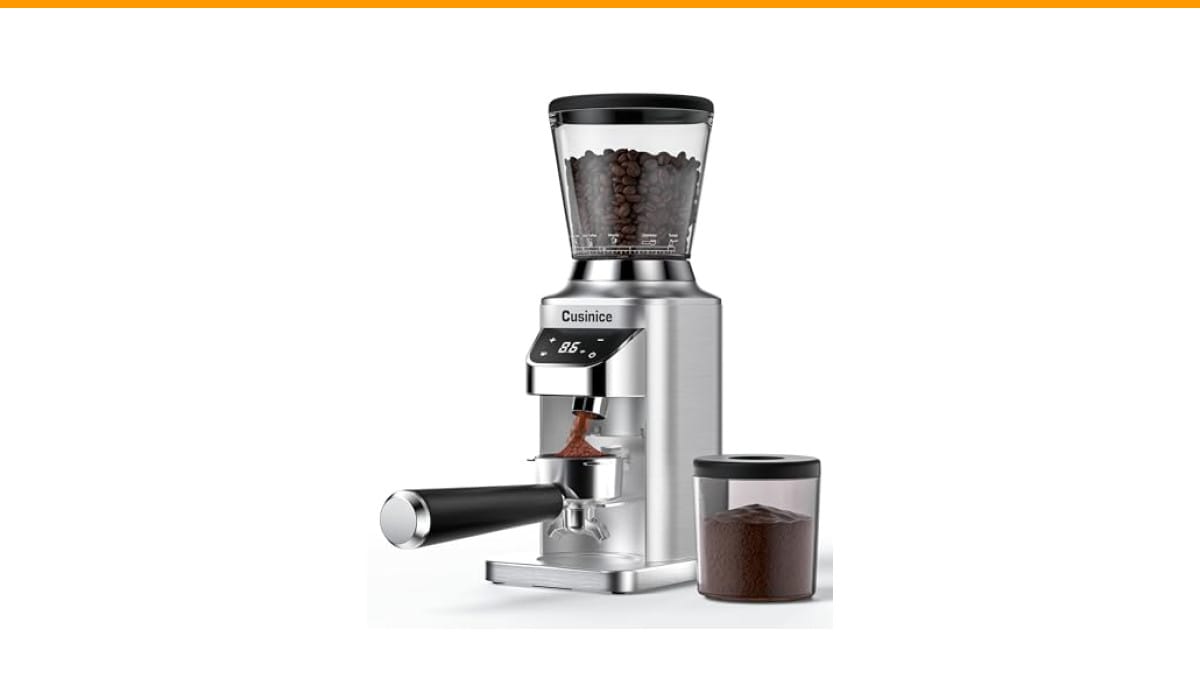
If you are serious about fixing this, start with a burr grinder. It doesn’t need to be a commercial-grade machine. A decent hand grinder or entry-level electric burr grinder will cut down the fines dramatically compared to a blade model.
What about the grind setting itself? If your grind is too fine, you create more surface area and more fines. You also slow down the water flow, which gives those fines more time to migrate through the filter. Coarsen your grind just a step or two. You want the brew time to stay in the 3:30 to 4:30 minute range for a single cup. If your drawdown is stretching past five minutes, your grind is likely too fine, and you’re inviting sludge.
The Filter: Paper vs. Metal
The filter is your last line of defense. This is where you have the most control over the final result.
Metal mesh filters, like those found in many reusable pour over cones, are the most common cause of sediment. The mesh has holes large enough to let coffee oils and some very fine particles pass through. That’s why coffee brewed with a metal filter often tastes fuller-bodied, but it also has that telltale silt at the bottom. If you prefer the cleanest cup possible, paper filters are the way to go.
Paper traps nearly all the fines. But not all paper filters are created equal. Thicker filters, like the Chemex brand, catch almost everything but also slow down the flow. Thinner filters, like some generic brands, might let more through. The key is to look for a filter that is thick enough to catch fines but not so thick that it stalls your brew.
For basket-style coffeemakers, the Amazon Basics Basket Coffee Filters are a good middle ground. In testing, they held up well without tearing and produced a clean cup with no visible grit in the bottom of the pot. They are also industrially compostable, which is a nice bonus if you are trying to cut down on waste. Just make sure you are using the right size for your machine—these fit 8-12 cup models.
Pouring Technique and Water Level
Your pouring style matters more than you might think. The goal is to keep the coffee bed level and avoid agitating it too aggressively.
When you pour water directly onto the grounds with a lot of force, you stir up the fines and push them down toward the filter. This is especially true during the final pour. The water level should stay relatively high in the brewer. If you let the water drain too low, the fines settle on top of the filter bed and clog it, which can cause the water to channel through the sides and force sediment through.
Here is a simple routine to follow:
- Bloom the coffee with just enough water to wet all the grounds, about twice the weight of the coffee. Wait 30-45 seconds.
- Pour in slow, concentric circles, starting from the center and moving outward. Avoid pouring directly onto the edges of the filter.
- Keep the water level relatively constant. Don’t let it drop below the top of the coffee bed until the very end.
- Stop pouring when you reach your target brew weight. Let the water finish draining on its own.
This technique keeps the fines suspended in the slurry rather than forcing them down. It also prevents the coffee bed from becoming uneven, which is a common cause of over-extraction and bitterness.
Water Temperature and Agitation
Water temperature plays a supporting role in the sediment problem. Water that is too hot, above 205°F, extracts coffee faster and can cause the grounds to break down more aggressively. This increases the amount of fine material in the slurry. Aim for a temperature between 195°F and 205°F. If you don’t have a gooseneck kettle with a thermometer, let your water sit for 30 seconds after boiling to bring it down to the right range.
Agitation is the other factor. Stirring the coffee bed during the bloom is fine and actually helps with even extraction. But stirring during the main pour is a mistake. It forces fines through the filter. Use a gentle swirl only if you see dry spots, and do it early in the brew, not at the end. The less you disturb the bed in the final stages, the cleaner your cup will be.
If you are still getting a little grit after all this, check your water. Hard water with high mineral content can react with coffee grounds and create a different kind of film that looks like sediment. Using filtered water for brewing is a simple fix that also improves the taste.
Comparing Your Options
Here is a quick comparison of the main variables you can adjust to reduce sediment. This is based on side-by-side testing with a standard V60 and a basket-style brewer.
| Variable | Effect on Sediment | Best Practice | Trade-off |
|---|---|---|---|
| Grind Size | High | Medium-coarse (like sea salt) | Too coarse can lead to under-extraction and sour coffee |
| Grinder Type | High | Burr grinder over blade | Burr grinders cost more upfront |
| Filter Material | High | Thick paper filter | Paper filters absorb some coffee oils, reducing body |
| Pour Speed | Medium | Slow, controlled pours | Slower brews take more attention |
| Water Temp | Medium | 195°F – 205°F | Requires a thermometer or a gooseneck kettle |
Notice that grind size and filter choice have the biggest impact. If you only change one thing, make it the filter. If you change two, upgrade your grinder.
Why Regular Cleaning Matters
Sediment isn’t always about the brew itself. Old coffee oils and fines can build up in your brewer, especially in the crevices of the pour over cone or the carafe. This residue can flake off and end up in your next cup, adding to the grittiness.
You should clean your pour over cone after every use. A quick rinse with hot water is usually enough for the cone. The carafe, if it’s glass, can be cleaned with a gentle scrub. But a deeper clean is needed on a regular basis. Coffee oils are tenacious and can cling to surfaces.
For a thorough cleaning, check out this guide on proper cleaning methods. You can also use a vinegar solution to break down the oils and mineral scale that hot water alone won’t remove. This is especially important if you live in an area with hard water. A clean brewer not only tastes better but also reduces the chance of stray particles ending up in your cup. If you notice your brewer is brewing slower than usual, it might be a sign of a clogged filter basket, which you can address by following these clogged coffee maker tips.
Frequently Asked Questions
Why is there coffee grounds in my pour over even with a paper filter?
This usually means your grind is too fine. The fines are so small they can sometimes slip through the paper fibers, especially if the filter is thin or if you are pouring too aggressively. Try coarsening your grind and pouring more gently.
Is it safe to drink coffee with sediment?
Yes, it is safe. Coffee grounds are just plant material. It might be unpleasant to drink, but it won’t harm you. Some people actually prefer the fuller mouthfeel, though it is generally a sign of a less refined brew.
Does a metal filter always produce sediment?
Not always, but it is very common. The mesh of a metal filter is designed to let oils through, and it also lets the smallest fines through. You can reduce this by using a slightly coarser grind, but you will rarely get a perfectly clear cup like you do with paper.
Can I use a paper filter inside a metal filter to prevent sediment?
You can, and it works. It combines the durability of the metal frame with the fine filtration of paper. However, it can slow down the brew time, so you may need to coarsen your grind to compensate.
What is the best grind size for a pour over to avoid sediment?
Aim for a medium-coarse grind, similar to the texture of kosher salt. It should feel gritty but not powdery. If your coffee looks like flour, it is too fine. If it looks like peppercorns, it is too coarse.
What to Do Next
You don’t need to overhaul your entire setup to fix this. Start with the basics and work your way up.
- Check your grind size first. Coarsen it if you see a muddy bed.
- Switch to a quality paper filter. The Amazon Basics Basket Filters are a reliable choice for basket brewers.
- Pour slower and keep the water level steady in the brewer.
- Stop stirring the coffee bed after the bloom phase.
- Keep your brewer clean. Oils build up and cause problems.
- Use filtered water if your tap water is hard.
- If you still see grit, consider upgrading to a burr grinder.
Getting a clean cup is about controlling the variables, not buying the most expensive gear. A little attention to grind and filter choice will get you there. For more on keeping your gear in top shape, take a look at this cleaning schedule guide to see how maintenance fits into your routine.
Products related to this article
Sponsored / affiliate links. As an Amazon Associate I earn from qualifying purchases. I may earn additional commission from eligible campaigns.
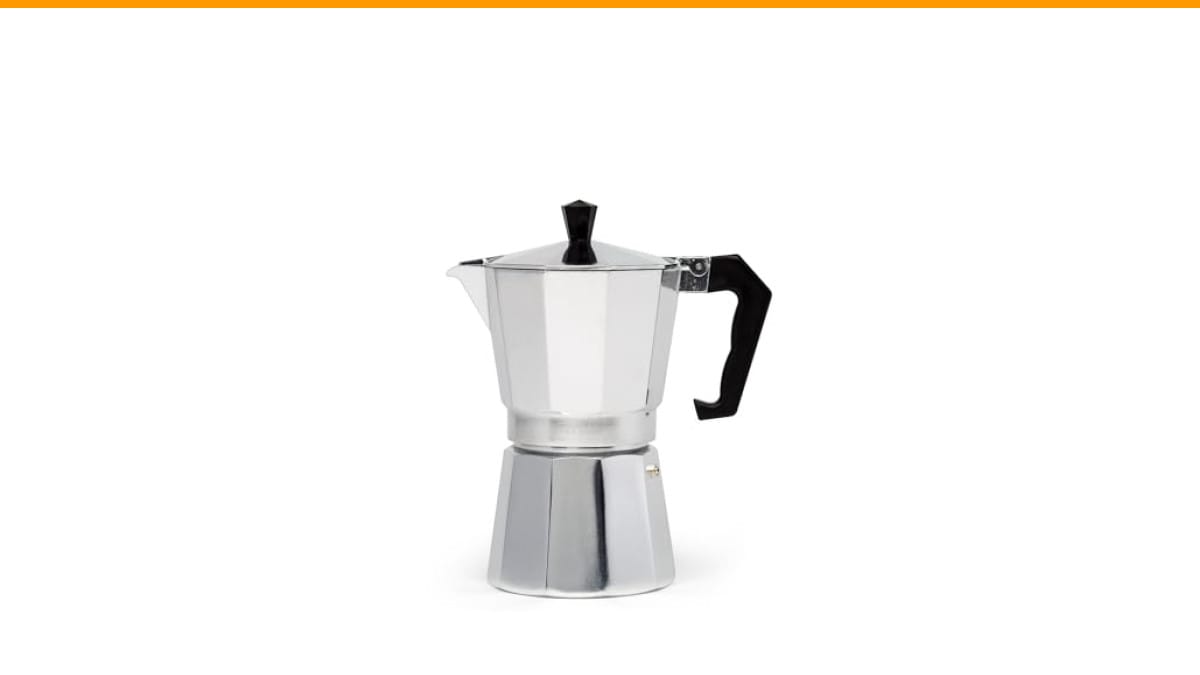
 Belly Moka Coffee Maker Stovetop Espresso Maker 9 Cup Aluminum Moka Pot Percolator 15oz 450ml Easy Brewing for Electric Ceramic Stoves Home Camping Italian Cuban Café Classic Black
 Belly Moka Coffee Maker Stovetop Espresso Maker 6 Cup Aluminum Moka Pot Percolator 10oz 300ml Easy Brewing for Electric Ceramic Stoves Home Camping Italian Cuban Café Classic Silver
 Supvision 3 Cup Moka Pot Aluminum 150ml Italian Coffee Maker