You unscrew your moka pot after brewing and find coffee grounds wedged in the threads again. Or maybe you take a sip and get that gritty mouthfeel that makes you wonder if you’re drinking coffee or sand. If you’ve been using the stock metal filter plate forever, you might not realize there’s another option.
Paper filters for moka pots have been around for a while, but they’re having a moment. People are swapping out their metal plates for thin paper discs and getting cleaner cups with less sludge. But is it worth the hassle of buying and fitting them? I tested both side by side for a couple of weeks to give you a straight answer.

BlingKingdom
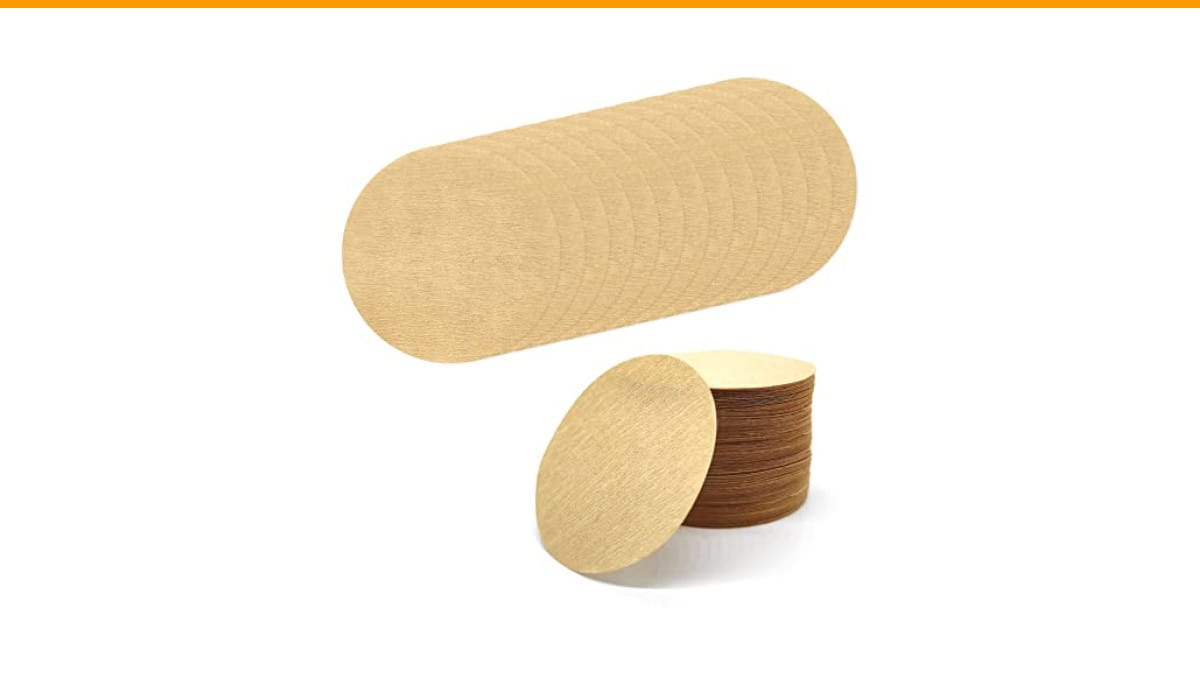
BlingKingdom 300pcs 2.5" Moka Pot Filter, Unbleached…
- These coffee filters are well made, perfect fit, keeps the ground coffee in place in the basket with impeding the flow or flavour,…
- Made of high-quality unbleached virgin pulp paper, odorless, highly permeable, tough, and not easy to break.
- Diameter of coffee machine filter paper: 6.4cm / 2.5inch. Color: Wood color, no bleaching. Reminder: Please measure the size befor…
As an Amazon Associate I earn from qualifying purchases.
By the end of this article, you’ll know exactly how each filter affects taste, body, cleanup, and cost — and which one fits your morning routine.
If you’re curious about trying paper filters without committing to a big box, the BlingKingdom 300pcs 2.5" Moka Pot Filter is a solid starting point. That’s 300 discs, so you can test them for months before needing a refill. They’re unbleached, odorless, and made from virgin pulp paper — no chemical taste bleeding into your brew.
What Each Filter Actually Does
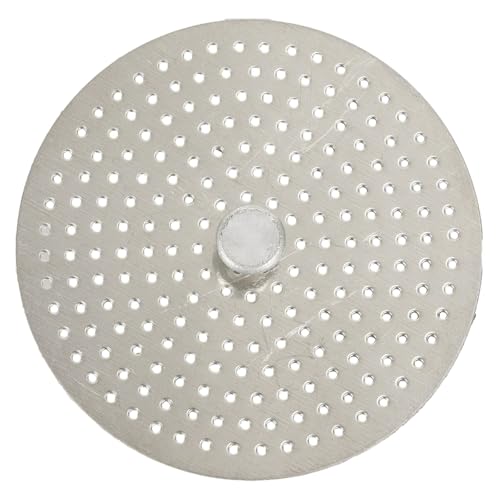
The metal filter plate in your moka pot is a permanent mesh disc that sits between the basket and the chimney. It’s been the standard since the 1930s. It lets coffee oils and fine particles pass through, which gives moka pot coffee its characteristic thickness and slight sediment.
A paper filter sits on top of the metal plate. It catches the fines that would normally slip through, so your cup comes out clearer. Think of it like adding a paper filter to a French press — same brewer, but a different level of filtration.
The paper disc also changes how water flows through the coffee bed. It adds a tiny bit of resistance, which can slow the extraction slightly. Some people say this makes the brew more even. In my testing, the difference was subtle but noticeable.
Taste and Body: The Real Difference
Here’s where the debate gets interesting. I brewed the same beans, same grind, same water, same moka pot — only the filter changed.
With the metal filter, the coffee had more body. It felt heavier on the tongue, almost syrupy. There was a bit of sediment at the bottom of the cup, and the flavor was bold with a slight bitterness at the end. That’s the classic moka pot profile people either love or tolerate.
With the paper filter, the cup was noticeably cleaner. The sediment was gone. The bitterness softened, and I could taste more of the bean’s origin notes — fruity and floral hints came through that were muted before. The body was lighter, closer to a pour-over than a traditional moka pot.
If you drink your moka pot coffee black, the paper filter might be a revelation. If you’re used to that thick, intense mouthfeel, the metal filter is probably your preference. It’s not about one being objectively better — it’s about what you want from your cup.
One thing I didn’t expect: the paper filter also kept the brew basket cleaner. No more scraping coffee sludge out of the threads. That alone saves me a minute of scrubbing every day.
Cleanup and Maintenance
Metal filter maintenance is simple but annoying. You rinse it, maybe scrub it with a brush if the holes get clogged. Over time, oils build up on the mesh and can turn rancid, which adds a stale taste to your coffee. You need to deep-clean it periodically with vinegar or a dedicated cleaner.
Paper filters eliminate that entire chore. You use it once, toss it, and your metal plate stays pristine underneath. The paper catches the oils and fines, so nothing builds up on the mesh. If you’re someone who hates cleaning coffee gear, this is a big win.
The trade-off is the ongoing cost. A pack of 300 paper filters runs about ten to fifteen bucks, depending on the brand. That’s roughly three to five cents per brew. Over a year of daily use, you’re looking at maybe fifteen dollars. Not huge, but it’s a recurring expense that metal filter users never have.
There’s also the environmental angle. Paper filters are biodegradable, but you’re throwing one away every day. Metal filters last for years with zero waste. If sustainability is a priority, that might tip the scale.
Fit and Compatibility Issues
Not all paper filters fit all moka pots. That’s the frustrating part. The standard size for a 3-cup moka pot is around 2.5 inches (6.4 cm) in diameter, but manufacturers vary slightly. I’ve seen filters that were a millimeter too small, letting coffee bypass the paper and still ending up gritty.
Before buying any paper filter, measure the inside of your basket. Don’t eyeball it. A filter that’s too small is useless, and one that’s too big will fold over the edges and mess up the seal.
The BlingKingdom filters I tested fit my 3-cup Bialetti perfectly. They sat flat, didn’t tear when wet, and didn’t affect the pressure buildup. The unbleached paper has a slight wood color and no smell, which I appreciated — some cheap filters smell like cardboard and can taint the brew.
If you own a 6-cup or larger moka pot, you’ll need bigger filters. Check the product dimensions before ordering. The 2.5-inch size is common, but it’s not universal.
Paper vs Metal Filter: Side-by-Side Comparison
Here’s a quick breakdown of how they stack up in the areas that matter most.
| Aspect | Metal Filter | Paper Filter |
|---|---|---|
| Mouthfeel | Heavy, syrupy, full-bodied | Lighter, cleaner, closer to pour-over |
| Sediment in cup | Yes, noticeable fines at the bottom | None, crystal clear |
| Flavor clarity | Bold but slightly muted origin notes | Brighter, more nuanced flavors |
| Bitterness | More pronounced | Softer, less harsh |
| Cleanup time | Rinse and scrub; deep clean needed | Throw away the paper, quick rinse |
| Ongoing cost | $0 | ~$0.03–$0.05 per brew |
| Environmental impact | Zero waste, lasts years | Daily waste, but biodegradable |
| Risk of clogging | Yes, over time from oil buildup | No, fresh filter every time |
That table sums up the trade-offs pretty neatly. Your choice depends on what you value more: body or clarity, zero cost or easy cleanup.
Common Questions About Moka Pot Filters
Can I use paper filters with any moka pot?
Most moka pots can accept paper filters, but you need the right diameter. Measure the inner diameter of your basket before ordering. If the filter is too small, coffee will flow around it and you’ll still get sediment. Too big, and it’ll fold and block the chimney. Stick to the size your pot specifies.
Do paper filters make moka pot coffee weaker?
Not weaker in caffeine — the extraction time stays roughly the same. The body is lighter because the paper traps oils and fines. Some people perceive that as weaker, but it’s just a cleaner cup. If you want the full strength, use a slightly finer grind to compensate.
How many times can I reuse a paper filter?
Technically you could reuse one, but it’s not a good idea. The paper breaks down, and the second brew will taste stale and papery. They’re designed for single use. At three to five cents each, it’s not worth trying to stretch them.
Will a paper filter prevent coffee grounds in my cup?
Yes, that’s the main benefit. The paper catches the fine particles that slip through the metal mesh. You’ll get a much cleaner cup with zero grit. If you’re tired of chewing your coffee, this is the fix.
Does the paper filter affect the pressure in the moka pot?
In my testing, no. The paper is thin and porous enough that it doesn’t restrict flow in a way that changes the brewing pressure. The moka pot still produced the same amount of coffee in the same time. Just make sure the filter sits flat and doesn’t bunch up.
What I’d Do If I Were You
Here’s my honest take after two weeks of switching back and forth.
- If you drink your moka pot coffee black and want to taste the beans, go with paper filters. The clarity is worth the small cost.
- If you add milk or sugar, the metal filter is fine. The sediment gets masked anyway, and you save money.
- If you hate cleaning coffee gear, paper filters are a no-brainer. You’ll never scrub a clogged mesh again.
- If you’re on a tight budget, stick with metal. It’s free forever, even if the taste is a bit rougher.
- If you’re curious, buy a small pack of paper filters and try one week. Your taste buds will tell you which is right.
- Remember to measure your basket before buying. Getting the wrong size is the most common mistake.
- Keep your metal filter as a backup. It doesn’t hurt to have both options ready.
For what it’s worth, I’ve settled on paper filters for my daily brew. The cleaner cup and easier cleanup won me over. But I still break out the metal filter when I want that thick, intense moka pot experience — the kind that reminds you why this little stove-top brewer has been around for almost a century.
If you’re also thinking about how to keep your coffee gear in shape, check out this guide on coffee machine maintenance for tips that apply beyond just the filter. And if you’re weighing your next brewer purchase, the comparison between automatic vs semi-automatic espresso machines might help you decide what fits your kitchen.
Whichever you choose, the fact that you’re thinking about this means you care about your coffee. That’s the whole point.
Products related to this article
Sponsored / affiliate links. As an Amazon Associate I earn from qualifying purchases. I may earn additional commission from eligible campaigns.