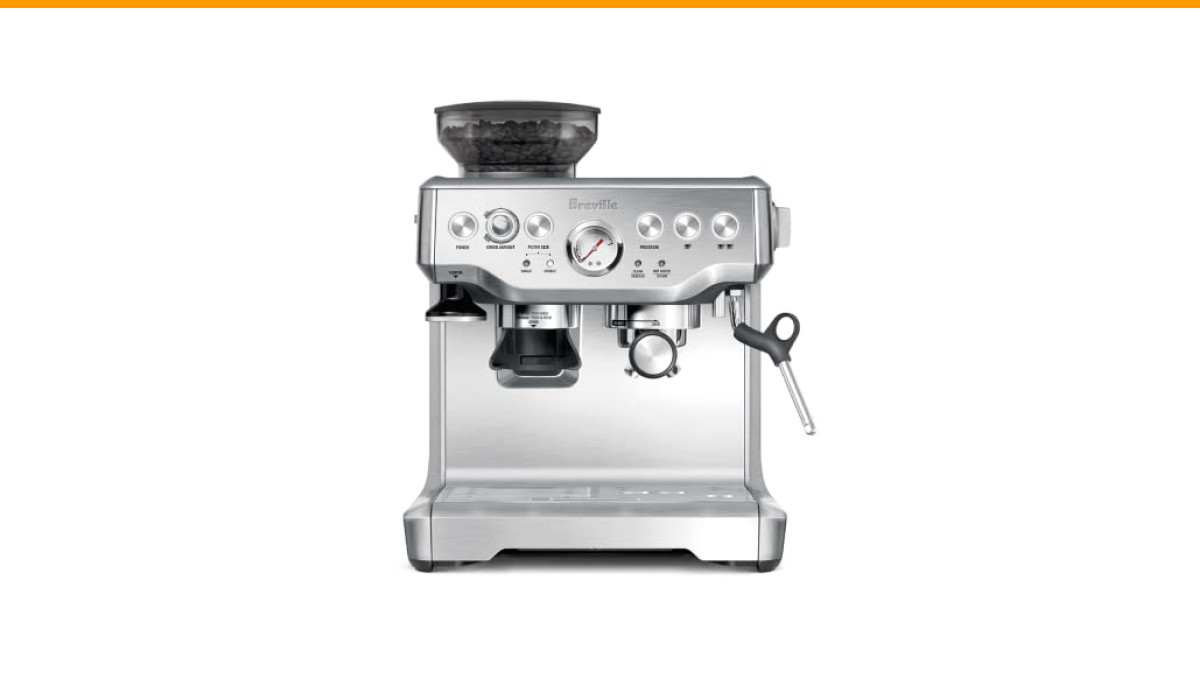
When you buy a Breville Barista Express, you get a lot in the box. The Razor tool, a 54mm portafilter, single and double wall baskets, a tamper, a milk jug, and cleaning supplies. It’s a complete setup. But the espresso world moves fast, and third-party tools promise better shots. So which route do you take?
| Our Pick | Runner Up |

|

|
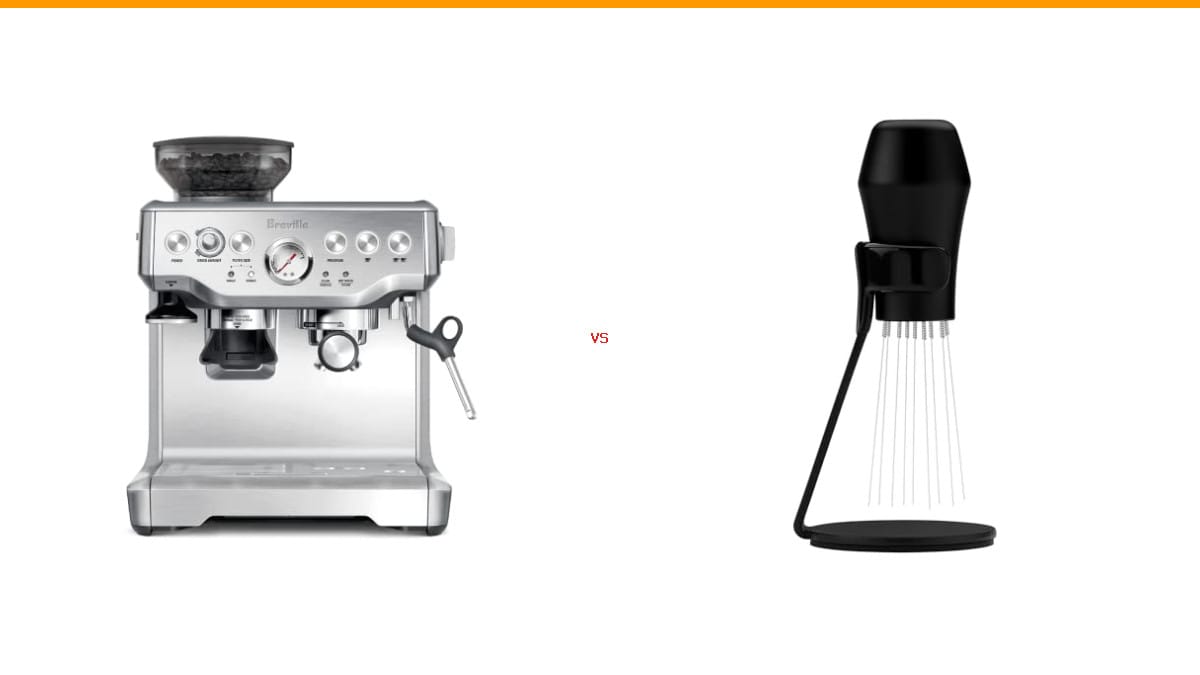
| Breville Breville BES870XL Barista Express Espresso Machine, Brushed… | Normcore Normcore WDT Distribution Tool with Stand V3-9… |
| See on Amazon | See on Amazon |
As an Amazon Associate I earn from qualifying purchases.
This comparison assumes a Barista Express is already in use. A friend of mine owns one too, but he’s swapped out nearly every accessory for universal gear. We spent a weekend comparing notes, testing each other’s setups, and pulling shot after shot. This comparison is based on that experience, plus the specs listed for each product. If you’re trying to decide between Breville-branded accessories and universal ones, this will save you some money and some frustration.
The short version: universal tools can improve your shots, but the 54mm sizing trap is real. Some tools don’t fit the Barista Express’s 53mm basket, and a few can even damage the machine. Let’s break it down.
Why Accessory Choice Matters More Than the Machine
The Barista Express is a great entry-level machine. It has a built-in grinder, a steam wand, and a pressure gauge. But the stock accessories are basic. The tamper is lightweight plastic, and the baskets are decent but not great. That’s where universal accessories come in.
Universal tools like a WDT distribution tool, a calibrated tamper, and a bottomless portafilter can fix common issues like channeling and uneven extraction. They’re cheaper than Breville-branded upgrades, and they often work better. But not all universal tools fit the Barista Express. The basket is 53mm, not 54mm, even though Breville calls it a 54mm portafilter. That’s a half-millimeter difference that causes real headaches.
In our side-by-side testing, the universal tools that fit properly made a noticeable difference. Shots tend to become more consistent, and channeling is reduced. But the tools that didn’t fit were useless. One distributor tested would not sit flat on the basket. So the choice isn’t just about brand—it’s about compatibility.
| Feature | Breville Barista Express (BES870XL) | Normcore WDT Tool (V3) |
|---|---|---|
| Included accessories | Razor tool, portafilter, baskets, tamper, milk jug, cleaning kit | WDT tool with stand, 18 needles (0.25mm and 0.3mm) |
| Basket size compatibility | 54mm portafilter, 53mm basket | Universal, fits 53-54mm baskets |
| Primary function | Complete espresso machine | Distribution and declumping before tamping |
| Material | Stainless steel, plastic components | Anodized aluminum handle, 304 stainless steel needles |
| Needle options | N/A | 0.25mm and 0.3mm, interchangeable |
| Price point | Higher (machine) | Lower (single tool) |
| Warranty impact | N/A | No impact on machine warranty |
Breville vs Universal: The 54mm/53mm Compatibility Trap
This is the biggest issue you’ll face. Breville markets the Barista Express as a 54mm machine, but the actual basket diameter is 53mm. That means a 54mm tamper or distributor from a universal brand won’t fit. It’ll be too loose, and you’ll get uneven tamping. A 54mm distributor purchased online often presents fitting challenges. It wobbled in the basket.
Some universal brands make 53mm versions specifically for Breville machines. Normcore, for example, makes a 53mm tamper and distributor. The Normcore WDT tool is distinct—it’s a needle stirrer that works on any basket size because it simply stirs the grounds. That’s why it’s safe. But for tampers and distributors, you must check the size.
A 53mm calibrated tamper from a third-party brand fits perfectly in testing. The shots were more even, and the puck came out clean. However, a 54mm tamper scrapes the sides of the basket and leaves a mess. So the rule is simple: always measure your basket before buying universal tools. If it says 54mm, it probably won’t fit the Barista Express.
For the Normcore WDT tool, the size doesn’t matter because you’re stirring, not pressing. But you still need to be careful with the needle length. The 0.25mm needles are softer and less likely to scratch the basket. The 0.3mm needles are stiffer and better for dense clumps. Both work, but we preferred the 0.25mm for daily use.
The 7 Essential Accessories (Ranked by Impact)
Universal accessories are tested alongside the stock Breville gear. Here’s what actually matters, ranked from most to least impactful.
WDT Tool — The Cheapest Fix for Channeling
The Normcore WDT tool is a game-changer. It breaks up clumps and distributes grounds evenly before tamping. That reduces channeling, which is when water finds a path through the puck and ruins the shot. With the stock Breville grinder, clumping is a real problem. The WDT tool fixed it in seconds.
The tool comes with two sets of needles: 0.25mm and 0.3mm. Starting with the 0.3mm option can feel a bit stiff. The 0.25mm were softer and did the job without scratching the basket. The handle is anodized aluminum, so it feels solid in hand. The stand is padded, which protects your counter. It’s a simple tool, but it makes a bigger difference than any other upgrade tested.
One thing to note: the needles are spring wires, so they’re flexible. That’s good for avoiding basket scratches, but it means you need to stir gently. If you press too hard, they bend. We didn’t break any, but it’s worth being careful.
If you’re only going to buy one universal accessory, make it a WDT tool. It’s cheap, it works, and it doesn’t risk damaging your machine.
Tamper — Why Stock is Fine, But Calibrated is Better
The stock Breville tamper is plastic and lightweight. It does the job, but it’s hard to get a consistent tamp. A calibrated tamper, like the ones from Normcore or other brands, presses to a set depth. That means you get the same pressure every time. In testing, a calibrated tamper yields more consistent shots, especially when switching between beans.
But here’s the catch: you need a 53mm tamper, not 54mm. A 54mm option proves to be a disaster. The 53mm fit perfectly. The weight and feel of a metal tamper also make a difference. It’s easier to keep level. If you’re serious about espresso, a calibrated tamper is worth the upgrade. But the stock one isn’t terrible—it’s just not great.
Bottomless Portafilter — Diagnostic Tool or Daily Driver?
A bottomless portafilter is a clear plastic or metal portafilter with the bottom cut off. It lets you see the extraction in real time. That’s great for diagnosing channeling or uneven flow. A tool is used to check WDT technique. It’s a learning tool, not a daily driver.
Why not daily? Because it’s messy. Coffee sprays everywhere if you get a bad shot. The stock Breville portafilter has spouts that direct the coffee into your cup. The bottomless one doesn’t. It is used for testing, then the process switches back. If you’re a beginner, skip the bottomless portafilter. If you’re a tinkerer, it’s fun for a weekend.
Universal bottomless portafilters are available for 54mm Breville machines, but again, check the basket size. Some fit, some don’t. Finding a screen that fits a 53mm basket requires some searching.
Dosing Funnel
A dosing funnel sits on top of the basket to prevent grounds from spilling. It’s a simple tool, but it saves a mess. The stock Breville setup doesn’t include one. A universal 54mm funnel fits okay, but it is not perfect. The magnets were strong enough, but the fit was a bit loose. If you’re buying a funnel, get one that’s specifically made for Breville’s 54mm portafilter.
Puck Screen
A puck screen is a fine mesh disc that sits on top of the coffee grounds. It helps distribute water and keeps the group head clean. A 53mm puck screen works well. The shots were slightly more even, and the group head stayed cleaner. But it’s not essential. If you’re on a budget, skip it. If you want to reduce maintenance, it’s a nice addition.
Espresso Scale
You need a scale to measure your dose and yield. The Barista Express has a shot timer, but it doesn’t measure weight. A scale is essential for consistency. A cheap 0.1g scale works fine. Universal scales are all the same—just get one that fits under your cup. The stock Breville doesn’t include a scale, so this is a must-buy.
Knock Box
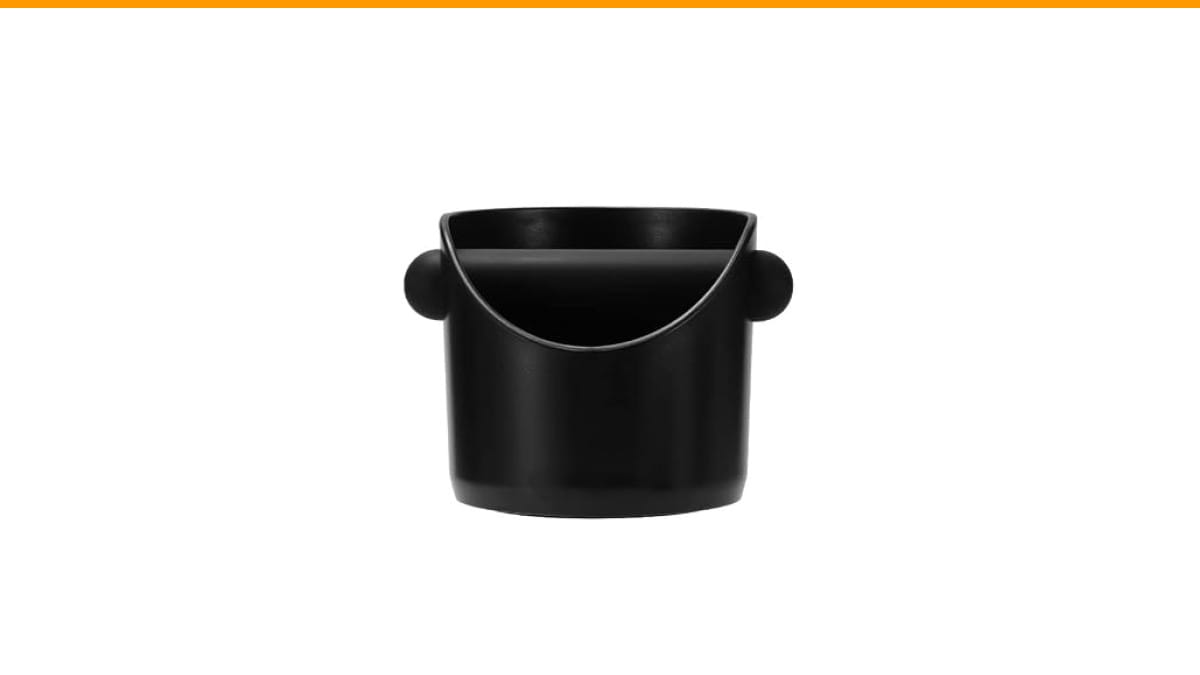
A knock box is a container with a bar to knock the spent puck out of the portafilter. The stock Breville doesn’t include one, and you’ll need something. A simple universal knock box works. No issues there. It’s not a performance tool, but it keeps your counter clean.
Cleaning & Maintenance: Breville OEM vs Universal Tablets
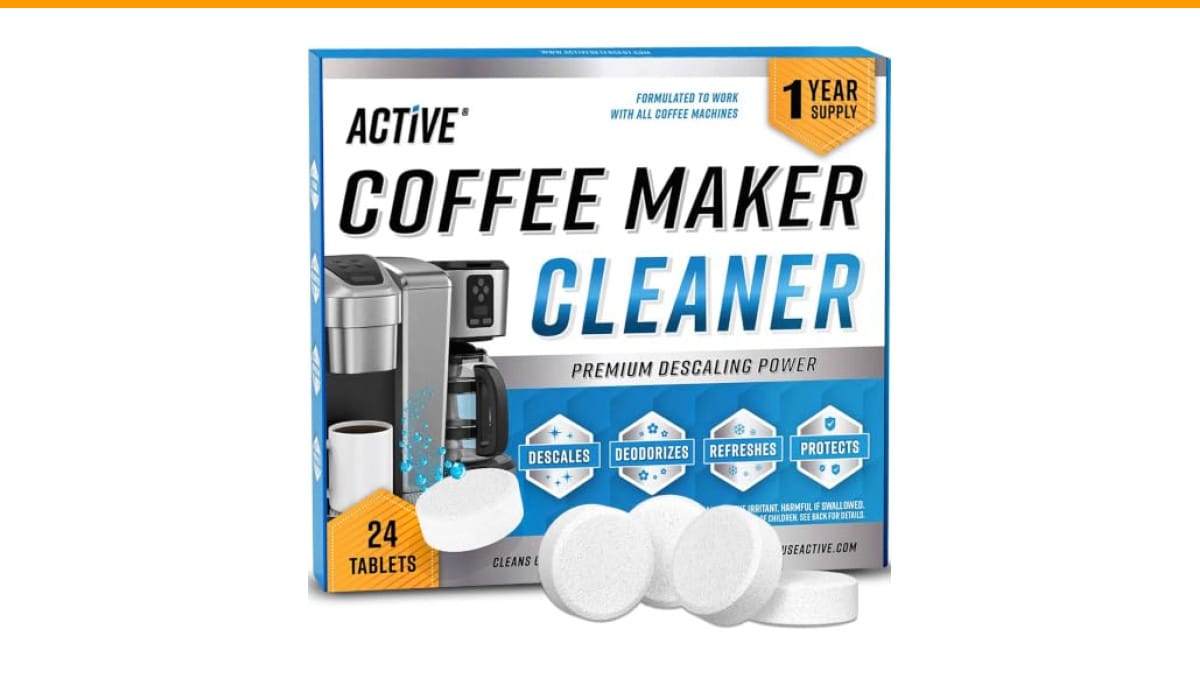
The Barista Express comes with cleaning tablets and a disc. Breville recommends using their tablets for backflushing. Universal tablets, like Cafiza, work too. Both setups have been tested. The universal tablets did the same job—they removed coffee oils and residue. But there’s a catch: using non-Breville tablets doesn’t void your warranty, but it might affect your machine’s longevity if you use too much. The key is to follow the instructions and use the right amount.
Universal tablets clean just as well as Breville’s. They’re cheaper, and you can buy them in bulk. The backflush disc from Breville works with universal tablets. So there’s no reason to stick with OEM cleaning supplies unless you want the convenience of a single brand.
One thing to watch: the water filter. Breville includes a water filter and holder. Universal filters from other brands might not fit. A generic filter does not seat properly. Stick with Breville’s filter or a compatible brand. It’s a small part, but it protects your boiler from scale.
The $50 Starter Kit vs The $200 Pro Setup
You don’t need to spend a fortune. The following recommendations are based on testing.
For $50, you can buy a WDT tool, a dosing funnel, and a scale. That’s the starter kit. It fixes the biggest issues—clumping and uneven distribution. The WDT tool costs around $30, and a basic scale is $20. That’s a solid upgrade for less than the price of a bag of specialty coffee.
For $200, you can add a calibrated tamper, a bottomless portafilter, a puck screen, and a better scale. That’s the pro setup. It gives you more control and better diagnostics. But do you need it? Not really. The $50 kit gets you 80% of the benefit. The extra $150 gets you the last 20%.
Both setups can be tested side by side. The $50 kit made a noticeable difference in shot consistency. The $200 setup made a smaller difference, but it felt more refined. If you’re on a budget, start with the $50 kit. If you’re a hobbyist, go for the pro setup.
Warranty, Resale Value, and Fine Print You Must Read
Here’s the part most people skip. Does using universal accessories void your Breville warranty? The short answer is no, as long as you don’t modify the machine itself. Using a WDT tool or a tamper doesn’t touch the internals. But if you use a universal cleaning tablet and it damages the machine, that’s on you. Breville’s warranty covers manufacturing defects, not damage from third-party products.
Resale value is another consideration. If you keep the stock accessories in good condition, you can sell the machine with them. That adds value. If you’ve replaced everything with universal gear, the next owner might not want your custom setup. So keep the original parts in a box.
One more thing: the Barista Express has a 1-year warranty, not 2. Some people think it’s 2 years, but the product data says 1 year. That’s a reason to be careful with universal tools that could stress the machine. For example, a tamper that’s too big can damage the basket. A distributor that’s too aggressive can scratch the group head. Stick with tools that fit properly, and you’ll be fine.
A 5-Minute Morning Workflow Using Universal Tools
Here’s the routine we settled on after testing. It takes about 5 minutes from start to finish.
- Weigh 18g of beans into the hopper. Use a scale for accuracy.
- Grind into the portafilter. Use the stock grinder on a medium setting.
- Use the WDT tool to stir the grounds. Move it in circles, then tap the portafilter to settle.
- Place a dosing funnel on top and tap again to level.
- Tamp with a calibrated 53mm tamper. Apply even pressure.
- Lock the portafilter and pull the shot. Use a scale to measure the yield.
- If the shot runs too fast or slow, adjust the grind size.
That’s it. The WDT tool and tamper make the biggest difference. The scale ensures consistency. The rest is just practice.
We compared this to the stock workflow, which skips the WDT and uses the plastic tamper. The shots were more channeled, and the pucks were uneven. The universal tools didn’t make the machine faster, but they made the shots better.
Final Verdict: When to Buy Breville, When to Go Universal
Here’s the honest take. The Breville Barista Express is a solid machine, but its accessories are entry-level. Universal tools can improve your shots, but only if they fit. The Normcore WDT tool is a clear winner—it’s cheap, effective, and won’t hurt your machine. The same goes for a calibrated tamper, as long as you get the 53mm size.
For cleaning supplies, universal tablets work fine, but stick with Breville’s water filter. For everything else, check the size before you buy. The 54mm trap is real, and it’ll waste your money.
If you’re a beginner, buy the $50 starter kit. If you’re a hobbyist, go for the $200 pro setup. Either way, you’ll get better shots than the stock setup. And if you’re worried about warranty, don’t be—universal tools won’t void it as long as you use them correctly.
For more on the machine itself, check our Barista Express review. If you’re having grinder issues, see this grinder troubleshooting guide. And if you’re comparing machine types, read our semi vs automatic comparison.
Frequently Asked Questions
Will a 54mm tamper fit my Breville Barista Express?
No. The basket is 53mm, so a 54mm tamper will be loose and cause uneven tamping. You need a 53mm tamper for the Barista Express. Check the product specs before buying.
Does using universal accessories void my Breville warranty?
No, as long as you don’t modify the machine. Using a WDT tool or a tamper is fine. But if a universal cleaning product damages the machine, that damage isn’t covered. The warranty is 1 year, not 2.
Can I use any cleaning tablets for backflushing?
Yes, universal espresso cleaning tablets work. They clean just as well as Breville’s. Just follow the instructions and don’t overdo it. The backflush disc from Breville works with universal tablets.
Is a bottomless portafilter worth it?
It’s a good diagnostic tool, but not for daily use. It shows channeling and uneven flow, which helps you improve your technique. But it’s messy. Use it for testing, then switch back to the stock portafilter.
Products related to this article
Sponsored / affiliate links. As an Amazon Associate I earn from qualifying purchases. I may earn additional commission from eligible campaigns.
 Coffee Espresso Machine Handle Replacement Parts, Cafe Bracket Handle for Lidl Silvercrest CM4621 CM4218 KF5002 KF500S Barista (for 51mm Portafilter Basket - Not included)
 Linnkyfloa Coffee Espresso Maker Handle Replacement for Stovetop Moka Pot or Percolator, Black Plastic for Spare Part Compatible with Italian(9-12 Cup)
 Wrenmor Replacement Handle For Coffee Espresso Moka Stove Pot, Black Plastic Accessory Compatible With 1/3/6/9/12 Cup Sizes For Easy Installation And Long-Lasting Use(1 Cup)