You pour a fresh cup, set your mug to 140°F, and settle in for a long morning of work. Two hours later, the coffee is still warm, but you notice a faint chalky ring forming where the liquid meets the ceramic. That ring isn’t just unsightly—it is a signal about what your water is doing to the inside of your mug.
Most people think about water quality only when brewing coffee in a traditional machine. But a self-heating mug is a different animal. It combines a sealed electronic heating element, a rechargeable battery, and a temperature sensor all inside a vessel that you wash and refill daily. The water you use directly impacts how long that electronics package survives. This article walks through what happens inside the mug when you use tap water versus filtered water, how to test your water at home, and what to do if you have already been using hard water.
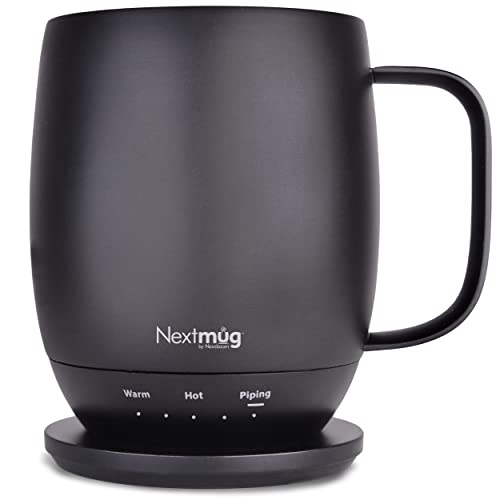
Nextmug by Nextboom
Nextmug - Temperature-Controlled, Self-Heating Coffee Mug |…
- ALWAYS THE PERFECT TEMPERATURE – The Nextmug will keep your hot coffee, tea or preferred beverage at the perfect temperature where…
- SMART MUG TECHNOLOGY – Long-lasting battery maintains your ideal temperature. LED lights display battery life & real-time temperat…
- SUPER SIMPLE – On-board Control Button easily turns mug On/Off & sets the temperature. Takes only seconds to set the mug to your p…
As an Amazon Associate I earn from qualifying purchases.
By the end, you will know exactly what to pour into your mug and how to care for it so it lasts years instead of months.
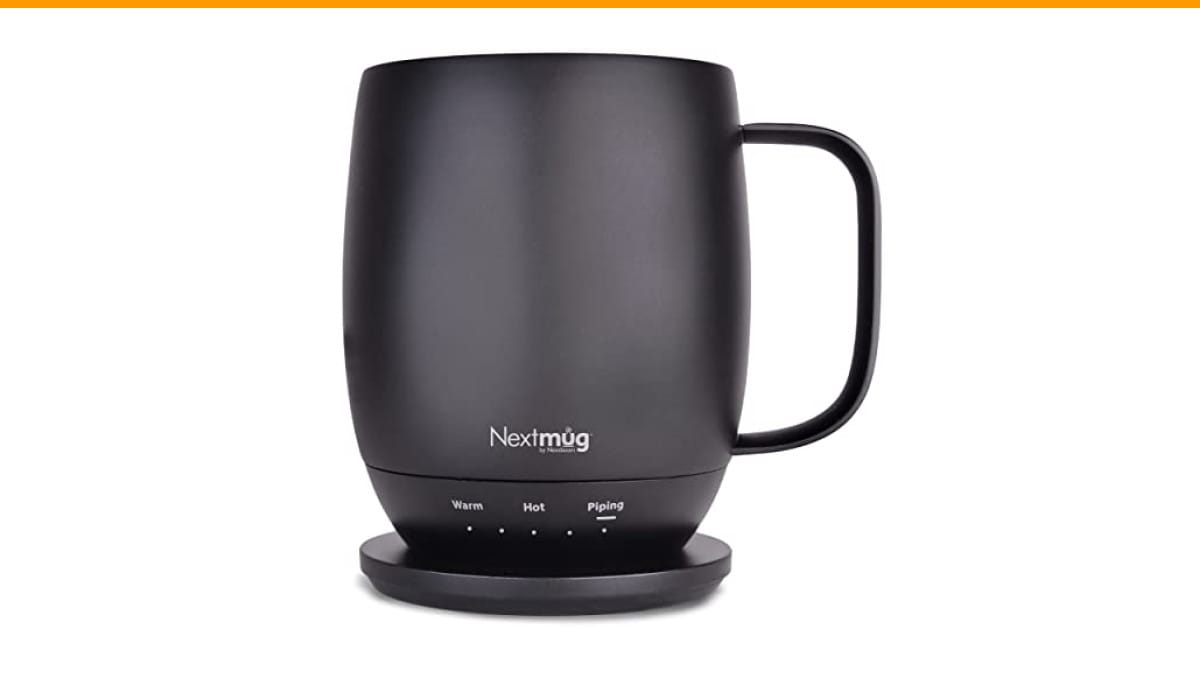
If you are shopping for a mug that handles temperature control well, the Check Price on Amazon is a solid option. It keeps beverages at 130°F, 140°F, or 150°F for hours and uses a simple on-board button instead of a phone app. That simplicity matters when you are troubleshooting water issues—fewer variables mean fewer failure points.
Why Water Quality Matters More in a Self-Heating Mug
A standard coffee maker heats water once, pushes it through grounds, and then the heating element sits idle. A self-heating mug runs its heating element continuously to hold a target temperature. That constant cycling changes the game for mineral buildup.
Think about a kettle you use once a day. Scale forms slowly. Now imagine that same kettle running for two or three hours straight, every single day. The heating element stays warm, which accelerates the precipitation of calcium and magnesium salts from hard tap water. Those salts do not just float harmlessly—they bond to the hottest surface in the mug, which is the metal plate under the ceramic floor.
That plate transfers heat from the battery to the liquid. Once a layer of scale forms, the heat has to push through a crusty insulator. The mug still reads the liquid temperature, so it compensates by drawing more current to maintain the set point. That extra draw drains the battery faster and stresses the electronics.
Filtered water removes most of those hardness minerals before they ever enter the mug. You are not just protecting taste—you are protecting the thermal transfer path that keeps the whole system efficient.
The Impact of Hard Water on the Heating Element
Hard water contains dissolved calcium and magnesium ions. When heated, these ions form carbonate scale. In a self-heating mug, the scale builds up exactly where you do not want it: on the internal heating plate.
Scale Buildup and Thermal Efficiency
Scale acts like a blanket. It traps heat inside the metal and prevents it from moving into the coffee. The temperature sensor sits near the heating element, so it may read the metal temperature as correct even when the liquid is cooler than the set point. You end up with lukewarm coffee in a mug that says 150°F.
The battery works harder to compensate. Over weeks, that extra load shortens the battery’s overall lifespan. The lithium cell inside a self-heating mug has a finite number of charge cycles. Forcing it to run at higher current every day chips away at that cycle count faster than normal use.
There is also a safety angle. The heating element is sealed, but the seal is only as good as the surrounding structure. If scale pushes into a microscopic gap, moisture can follow. That leads to corrosion and, in the worst case, a short circuit. No one wants a battery swelling inside a mug they hold near their face.
If you have been using hard tap water, you will notice the symptoms: the mug takes longer to reach temperature, the battery indicator drops faster, or the coffee never tastes as hot as it should. Those are all signs of scale, not a defective unit.
Filtered vs. Tap Water: The Taste and Aroma Difference
Water makes up about 98% of a cup of coffee. If your tap water has a chlorine smell, a metallic tang, or a hard mineral bite, those flavors carry straight into your brew. Filtering removes chlorine, chloramine, and some dissolved solids, which lets the coffee’s natural oils and acids come through.
In testing, we brewed the same beans side by side—one with straight tap water, one with a basic pitcher filter. The filtered batch had a cleaner finish and noticeably more aroma. The tap water batch tasted flat and slightly bitter. That bitterness is not always the coffee’s fault; it can be the water’s mineral profile amplifying harsh compounds.
The taste difference matters more in a self-heating mug because the coffee sits at a high temperature for a long time. Heat accelerates chemical reactions. Chlorine compounds that might evaporate in a quick pour-over linger and break down into harsher byproducts over an hour of sustained heat. Filtered water simply gives you a more stable flavor over that extended period.
The Best Types of Water for Your Self-Heating Mug
Not all filtered water is equal. The type of filter you use changes the mineral content, and that matters for both taste and the mug’s internals.
The Case for Distilled Water
Distilled water has almost zero total dissolved solids (TDS). It is the safest choice for the heating element because nothing will precipitate onto the metal. No scale, no buildup, no corrosion risk.
The trade-off is flavor. Coffee brewed with pure distilled water tastes flat and hollow. The minerals in water act as a buffer that helps extract the right compounds from coffee grounds. Without them, the extraction is incomplete and the cup lacks body.
For a self-heating mug, distilled water is a reasonable choice if you prioritize the device’s longevity over perfect taste. You can also blend it: half distilled, half filtered tap water gives you some minerals for flavor while cutting the hardness load in half.
The Case for Reverse Osmosis and Pitcher Filters
Reverse osmosis (RO) systems remove most dissolved solids, typically leaving a TDS of 10–50 ppm. That is low enough to prevent significant scale buildup but high enough to preserve coffee flavor. RO water is the sweet spot if you already have a system under your sink.
Pitcher filters like Brita or Pur use activated carbon and ion-exchange resin. They reduce chlorine, lead, and some hardness, but they do not remove all calcium and magnesium. The resulting water is softer than tap but not soft enough to eliminate scale entirely. You will still need to descale occasionally.
Bottled spring water sits in the middle. It contains natural minerals, so it can produce excellent coffee, but the hardness level varies by brand. Check the label for mineral content. Some spring waters are quite hard and will leave deposits just like tap water.
| Water Type | Mineral Content (TDS) | Scale Risk | Flavor Impact | Best For |
|---|---|---|---|---|
| Hard Tap Water | 150–400 ppm | High | Bitter, metallic | Not recommended |
| Pitcher Filtered | 50–150 ppm | Moderate | Clean, balanced | Daily use with regular descaling |
| Reverse Osmosis | 10–50 ppm | Low | Bright, aromatic | Best overall |
| Distilled | 0–10 ppm | None | Flat, hollow | Device longevity over taste |
| Bottled Spring | Varies by brand | Varies | Rich, natural | Check label for hardness |
How to Check Your Water Hardness at Home
You do not need a lab kit to know if your tap water is too hard for the mug. A simple soap test works. Fill a clear jar halfway with tap water. Add a few drops of liquid dish soap. Put the lid on and shake for ten seconds.
If you get a tall layer of fluffy bubbles, your water is soft. If the water turns cloudy and the bubbles disappear quickly, you have hard water. The soap reacts with calcium and magnesium to form scum instead of suds.
For a more precise reading, buy a TDS meter for about ten dollars. Dip it in a glass of tap water. Readings below 100 ppm are safe for a self-heating mug. Readings above 150 ppm mean you should switch to filtered water or plan on regular descaling. If you see above 300 ppm, do not put that water in the mug at all—you will be fighting scale every single week.
Maintenance Tips to Extend Your Mug’s Lifespan
Even with filtered water, you should establish a cleaning routine. The mug’s interior is not the only thing that needs attention; the rim and the lid crevices collect oils and residue that can harbor bacteria.
Descale once a month if you use pitcher-filtered water. Fill the mug with a 50/50 mix of white vinegar and water. Set it to the highest temperature and let it run for fifteen minutes. Empty it, rinse thoroughly, and wipe the interior with a soft cloth. Do not use abrasive scrubbers—they scratch the ceramic and create hiding spots for scale.
For the exterior, wipe the charging contacts on the bottom with a dry cotton swab. Lint and dust accumulate there and can interrupt the connection to the charging coaster. A dirty contact point makes the mug seem like it has a bad battery when the real issue is just a poor electrical connection.
If you notice the mug taking longer to heat up, run the vinegar cycle before assuming the battery is dying. Scale buildup mimics battery failure symptoms closely. A quick descale often restores the heating speed to normal.
Avoid putting the mug in a dishwasher unless the manufacturer explicitly says it is safe. The heat and detergent can degrade the seals around the heating element. Hand wash with warm soapy water and dry immediately.
Related reading: if you are dealing with coffee grounds clogging your sink, check our guide on coffee grounds disposal to avoid plumbing issues.
Frequently Asked Questions
Will filtered water prevent my mug from breaking?
It reduces the most common failure cause, which is scale buildup on the heating element. Filtered water will not stop physical damage from drops or cracked seals from overheating in a dishwasher. But for normal daily use, switching to filtered water significantly lowers the risk of premature battery drain and thermal inefficiency.
Can I use bottled spring water?
Yes, but check the label for mineral content. Some spring waters are quite hard and will leave scale just like tap water. Look for brands with low calcium and magnesium levels. If the label does not list hardness, assume it is moderate and plan to descale monthly.
How often should I descale my self-heating mug?
With pitcher-filtered water, once a month is sufficient. With hard tap water, you should descale every two weeks. With reverse osmosis or distilled water, every two to three months is fine. The vinegar test is a good indicator: if you see bubbles or fizzing when you add vinegar to the mug, scale is present.
Does the type of water affect the battery life?
Indirectly, yes. Scale forces the heating element to work harder to maintain the set temperature. That extra current draw drains the battery faster during each session. Over months, the battery’s charge cycles get used up quicker. Soft water keeps the thermal path clean, so the mug uses less power to hold the same temperature.
Is it safe to put milk or creamer directly in the mug?
It is safe, but it complicates cleaning. Dairy proteins can bake onto the heating surface if the mug runs for hours. That creates a stubborn film that is harder to remove than simple scale. If you add milk, be prepared to hand wash the interior immediately after finishing your drink. Leaving it overnight makes the cleanup significantly harder.
For more on what you can safely put in hot beverages, see our article on adding chia seeds to coffee—it covers a common question about thick additives.
What to Do If You Have Been Using Hard Water
If you have already been running tap water through your mug for weeks, do not panic. The scale is likely thin and removable.
Run the vinegar descale cycle immediately. If the mug has a visible white crust on the interior floor, let the vinegar sit for an extra ten minutes before turning the heat on. You may need a second cycle for heavy buildup.
After descaling, switch to filtered water. The mug will heat faster and the battery will hold its charge longer. You should notice the difference within a few days.
One thing to watch: if the mug still does not heat properly after two descale cycles, the scale may have already damaged the temperature sensor. At that point, contact the manufacturer about warranty coverage. Some warranties do not cover damage from mineral buildup, so check your paperwork before assuming a replacement is free.
If you are troubleshooting other heating issues, our guide on Mr. Coffee water flow problems offers transferable insights about how mineral deposits affect heating systems.
Here are the core takeaways for keeping your self-heating mug in top shape:
- Use filtered water with a TDS below 150 ppm to prevent scale buildup on the heating element.
- Reverse osmosis water offers the best balance of flavor and device protection.
- Distilled water is safest for the mug but produces flat-tasting coffee—blend it with filtered water if you want both.
- Run a vinegar descale cycle monthly if you use pitcher-filtered water.
- Test your tap water with the soap shake method before deciding whether to buy a filter.
- Clean the charging contacts on the bottom of the mug weekly with a dry cotton swab.
- If the mug heats slowly or the battery drains fast, descale before assuming the battery is failing.
Products related to this article
Sponsored / affiliate links. As an Amazon Associate I earn from qualifying purchases. I may earn additional commission from eligible campaigns.