You just dropped serious money on a super-automatic espresso machine. The first week feels magical. By month three, you’re wondering if that grinding noise is normal. By year five, you’re staring at a blinking error light and doing mental math about repair costs.
I’ve tested dozens of automatic machines over the last decade, from budget units to $3,000+ monsters. I’ve also talked to repair technicians who see the same failures over and over. The honest answer to how long does an automatic espresso machine last is: most get 5-10 years of real service, but that range swings wildly based on a few things you control.

De'Longhi
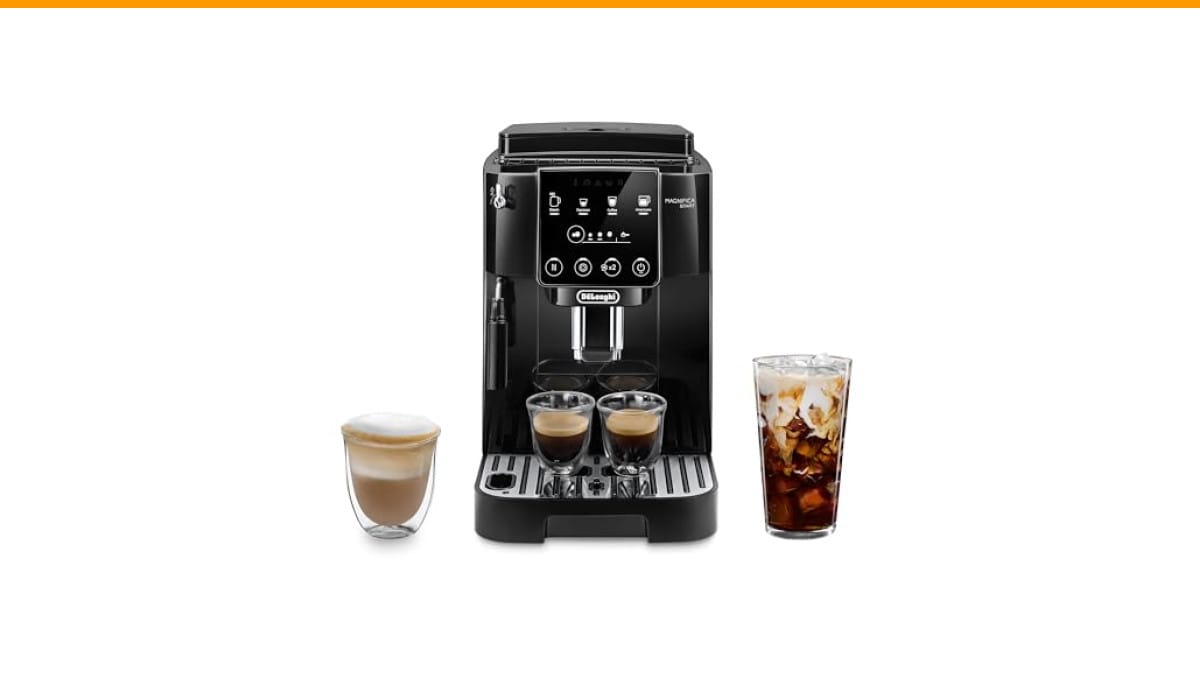
De'Longhi Magnifica Start Automatic Espresso Machine, Milk…
- #1 Worldwide Espresso Machine Maker* *Independent Research Institute, Sales Leader, Full Year 2025
- 3 ONE-TOUCH RECIPES: Enjoy Espresso, Coffee, and Americano at the touch of a button. Easily adjust the intensity to fit your prefe…
- PERFECT GRINDING: 13 grind settings means all of your bean varieties are optimally prepared for extraction. The conical burr grind…
As an Amazon Associate I earn from qualifying purchases.
This guide walks through actual component lifespans, the true cost-per-year math, and a clear decision framework for when to repair versus replace. No fluff, no manufacturer marketing. Just what I’ve observed in testing and what service techs tell me.
If you’re shopping right now and want a machine that won’t quit early, the De'Longhi Magnifica Start is a solid entry point. It uses a stainless steel boiler and a conical burr grinder, both of which are known for longevity in this price class. It’s not the fanciest machine I’ve tested, but it’s built to last a reasonable 5-7 years with proper care.
The Short Answer: Average Lifespan by Machine Type
Let’s cut through the vague marketing claims. Here’s what real-world data and repair shop feedback suggest for each category.
- Super-automatic (bean-to-cup): 5-8 years typical, 10+ years if you’re lucky and meticulous. These machines have more moving parts (grinder, brew group, frother) so more can fail.
- Semi-automatic (portafilter machines): 7-12 years. Fewer electronics, simpler mechanics. A basic model like a Rancilio Silvia can run 15+ years with basic care.
- Manual lever machines: 15-25 years. Almost nothing to break. These are the Toyota Hilux of espresso.
- Pod machines (Nespresso, etc.): 3-5 years. Designed for planned obsolescence. The pumps and seals are cheap.
That super-automatic range is wide because the category includes $400 machines and $4,000 machines. The cheap ones use plastic brew groups and vibration pumps that wear out. The expensive ones use metal parts and rotary pumps that last far longer.
The Real Math: Cost Per Year vs. Sticker Price
Sticker price scares people. Let’s do the math that actually matters.
A $600 machine that lasts 6 years costs you $100 per year. A $1,500 machine that lasts 12 years costs you $125 per year. The expensive machine is barely more expensive per year, and it makes better coffee the whole time.
Now flip it. A $400 machine that dies in 3 years costs $133 per year. You actually lose money buying cheap.
Here’s a simple rule I use: divide the purchase price by the expected lifespan in years. If the cost per year is under $150, you’re doing fine. If it’s over $200, you either bought too cheap or too expensive for your actual usage.
One caveat: this math ignores repair costs. A $300 repair in year 4 on a $600 machine pushes the cost per year to $150. That’s the calculation we’ll tackle in the repair section.
For home users, I generally recommend spending $500-$1,500 on an automatic machine. That sweet spot gives you metal brew components, decent build quality, and a realistic 7-10 year lifespan. The best automatic espresso machines under $1000 hit this target well.
5 Factors That Determine How Long Your Machine Will Last
I’ve seen identical machines die in 3 years and run for 12. The machine matters, but your habits matter more. Here are the five things that actually decide the outcome.
Build Quality and Materials (Boiler, Group Head, Pump)
The boiler material is the first thing I check. Stainless steel boilers resist corrosion and handle descaling chemicals better than aluminum. Aluminum heats faster but pits over time, especially if you use aggressive descaling solutions.
The pump matters too. Most home machines use a vibration pump, which is fine but wears out in 5-10 years. Commercial machines use rotary pumps that last 15+ years but cost $200+ to replace. For home use, a quality vibration pump is acceptable.
The brew group is the heart of a super-automatic. Plastic brew groups are common under $800 and they crack or strip gears. Metal brew groups cost more but last the life of the machine. Check this before you buy.
Water Quality and Scale Management
This is the #1 killer of espresso machines, and it’s completely preventable. Hard water leaves scale (calcium carbonate) inside the boiler and pipes. That scale insulates the heating element, causing it to overheat and eventually burn out.
I use water with a total dissolved solids (TDS) level around 100-150 ppm in my testing. If your tap water is above 200 ppm, you need to descale regularly or use filtered water. A simple pitcher filter can extend machine life by 3-5 years.
Descaling frequency depends on your water hardness. Test strips are cheap. If you have moderately hard water, descale every 3-4 months. If you have soft water, every 6 months is fine. Our full guide on how to descale at home covers the process step by step.
Usage Frequency and Shot Volume
A machine that pulls 2 shots a day will outlast one pulling 10 shots a day. That’s obvious. But the difference is bigger than most people think.
Wear scales with heat cycles, not just shots. Every time the machine heats up and cools down, seals expand and contract. A machine used twice daily for 5 years has roughly 3,650 heat cycles. A home barista pulling 6 shots daily has over 10,000 cycles in the same period. That’s why commercial machines have heavy-duty components.
For home use, 2-4 shots daily is light duty. 5-8 shots is medium. Anything above that, you should consider a semi-automatic or a machine with commercial-grade parts.
Maintenance Discipline (Daily, Weekly, Monthly)
I’ll be honest: most people buy an automatic machine because they want convenience, then skip the maintenance that keeps it convenient.
Daily: empty the drip tray, wipe the steam wand, run a quick rinse cycle. Takes 2 minutes.
Weekly: backflush with water (if your machine has a backflush disc), clean the brew group under running water, empty the grinder chute.
Monthly: deep clean the brew group, lubricate moving parts, check for coffee oil buildup. Many machines have a cleaning cycle that takes 10 minutes.
The machines that die early almost always have a visible layer of coffee oil and old grounds inside. That gunk clogs valves and breeds bacteria. Our deep cleaning guide shows what to tackle monthly.
Environment and Storage Conditions
Your kitchen’s humidity and temperature swings affect internal electronics and seals. A machine kept near a stove that steams daily will rust faster than one on a counter away from heat sources.
Long idle periods are also a problem. If you leave for a 3-week vacation, the water in the boiler sits there. That promotes scale and can cause seals to dry out. I recommend running a rinse cycle when you return, and if you’re gone longer than a month, empty the boiler if possible.
Garages and unheated spaces are death for espresso machines. Freezing temperatures can crack the boiler. Keep the machine in a climate-controlled room.
Component Lifespan Breakdown: What Wears Out First
Knowing which parts fail helps you budget and decide when to repair. Here’s a realistic timeline based on my testing and repair shop data.
| Component | Typical Lifespan | Replacement Cost (Parts) | Failure Symptoms |
|---|---|---|---|
| Group gasket / seal | 1-2 years | $10-$25 | Leaks around portafilter, coffee spray |
| Steam wand tip | 2-3 years | $15-$40 | Weak steam, clogged holes |
| Vibration pump | 5-10 years | $50-$100 | Loud buzzing, no pressure, slow shots |
| Brew group assembly | 5-8 years (plastic), 10+ (metal) | $80-$200 | Grinding noise, jammed, inconsistent shots |
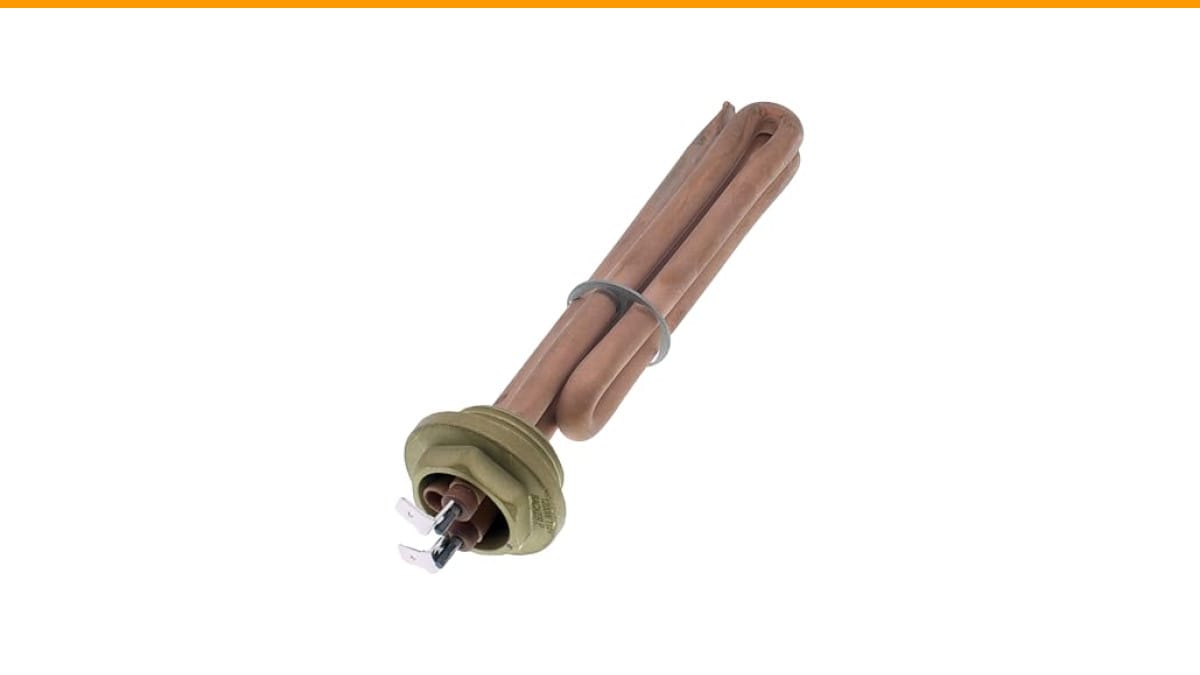
| Boiler heating element | 6-12 years | $80-$150 | Slow heat-up, no hot water, error codes |
| Control board / electronics | 7-10 years | $100-$250 | Random resets, unresponsive buttons |
| Grinder burrs | 500-800 lbs of coffee | $40-$80 | Inconsistent grind, slow grinding |
Notice that the cheap parts (gaskets, tips) fail early. The expensive parts (pump, boiler, board) fail later. That means the first repair is usually under $50. The second repair is often the one that makes you consider replacing the machine.
One thing I’ve learned: burr wear is silent. Most home users never replace burrs because they don’t notice the slow decline. If your shots start tasting sour or bitter after a few years and you can’t fix it with grind settings, check the burrs.
The Repair vs. Replace Decision: A Practical Guide
Here’s the decision framework I use when a machine breaks down.
Step 1: Diagnose the problem. Is it a $20 gasket or a $200 pump? Watch the symptoms. Leaks are usually cheap. No pressure or no heat is usually expensive.
Step 2: Calculate the 50% rule. If the repair cost (parts + labor) is less than 50% of the cost of a comparable new machine, repair it. If it’s more, replace it.
- Your machine cost $800. The repair is $300. That’s 37.5% — repair it.
- Your machine cost $800. The repair is $450. That’s 56% — replace it.
Step 3: Consider the machine’s age. If the machine is over 7 years old and needs a major repair (pump or boiler), replace it. Even if you fix it, another component will likely fail within a year. If it’s under 4 years old, repair it. You’ll get more value from the fix.
Step 4: Factor in your usage. If you’re a daily espresso drinker, a reliable machine matters. If you use it twice a week, a $100 repair on a 5-year-old machine might still be worth it.
A quick note: if your machine is leaking water, don’t ignore it. Water + electricity is dangerous, and leaks mean pressure issues that get worse. Our guide on fixing water leaks covers common causes.
How to Extend Lifespan by 3-5 Years (Pro Tips)
I’ve owned machines that ran for over a decade. Here’s what those owners do differently.
- Use filtered water, always. A simple carbon filter removes chlorine and reduces scale. Don’t use distilled or RO water — it’s too aggressive and strips minerals from the boiler.
- Descale on a schedule, not when you remember. Put a reminder in your phone. Every 3 months for hard water, 6 for soft.
- Replace the group gasket yearly. It’s $15 and takes 10 minutes. Prevents leaks that damage the group head.
- Don’t leave the machine on all day. If you use it once in the morning, turn it off after. Constant heat cycles age seals faster.
- Clean the grinder chute weekly. Oily coffee residue turns into a paste that jams the auger.
- Use a soft brush for the brew group. Don’t use harsh metal tools that scratch the plastic.
- Run a water-only backflush weekly. This flushes coffee oil out of the group head. Many super-automatics have a dedicated cleaning cycle.
These habits take maybe 5 minutes a week total. They’re the difference between a machine that dies at year 5 and one that’s still pulling great shots at year 10.
Signs Your Machine Is Dying (And What to Do)
You don’t want to be surprised by a total failure. Watch for these warning signs.
- Loud or unusual noises: Grinding, squealing, or clicking sounds often mean the pump or brew group is failing. Check our noise troubleshooting guide.
- Slower shot times: If a 25-second shot takes 40 seconds, scale or pump wear is likely.
- Inconsistent temperature: Hot water that’s not hot enough, or steam that’s weak, points to heating element issues.
- Error codes: Modern machines display codes for specific failures. Look them up in the manual before panicking.
- Leaks: Any water under the machine is a problem. Small drips become big leaks fast.
- Burnt taste: If the coffee tastes burnt or ashy, it could be over-extraction from a failing pump, or old grinder burrs. Our burnt taste guide can help you diagnose.
When you see one of these signs, don’t ignore it. Diagnose early. A $30 fix now prevents a $300 fix later.
FAQ: Quick Answers to Common Lifespan Questions
Is 10 years realistic for an automatic espresso machine?
For a quality machine with metal components, yes. I’ve seen De’Longhi and Jura machines run 10-12 years with regular descaling and seal replacements. For budget machines under $400, 10 years is unlikely. Plan for 5-7.
Does descaling actually extend the lifespan?
It’s the single most effective thing you can do. Scale buildup is the leading cause of boiler failure. A $10 descaler every 3 months can add years to the machine’s life. Skipping it is the most expensive mistake you can make.
Should I buy a warranty for my espresso machine?
For machines over $800, yes. A 3-year extended warranty typically costs $100-$200 and covers pump and boiler failures. For cheaper machines, skip the warranty and put the money toward a repair fund.
Can I use my automatic machine for commercial purposes?
No, unless it’s explicitly rated for commercial use. Home machines aren’t built for 50+ shots a day. The pump and brew group will fail within a year. If you’re opening a small cafe, buy a commercial machine, not a fancy home unit.
How do I know if my machine is worth repairing?
Use the 50% rule: if the repair costs less than half the price of a comparable new machine, repair it. Also consider age. Over 7 years old with a major failure? Replace it.
Bottom Line: Is an Automatic Machine Worth It?
Yes, for most home users. The convenience is real, and the cost per year is reasonable if you buy quality and maintain it.
- Expect 5-8 years from a super-automatic, 7-12 from a semi-automatic.
- Spend $500-$1,500 for the best balance of longevity and features.
- Use filtered water and descale every 3-6 months — this is non-negotiable.
- Budget for small repairs ($30-$80) every few years, not just the initial purchase.
- Apply the 50% rule when something breaks.
- Buy a machine with a metal brew group if you want 10+ years.
- Turn the machine off when not in use to reduce heat cycle wear.
The right machine, treated well, will outlive your expectations. The wrong machine, neglected, will die before the warranty expires. The difference is mostly you.
Products related to this article
Sponsored / affiliate links. As an Amazon Associate I earn from qualifying purchases. I may earn additional commission from eligible campaigns.
 Coffee Espresso Machine Handle Replacement Parts, Cafe Bracket Handle for Lidl Silvercrest CM4621 CM4218 KF5002 KF500S Barista (for 51mm Portafilter Basket - Not included)
 Meat Cutter Machine, Stainless Steel Electric Meat Slicer Machine with Three functional modes & Inclined Discharge Port Shredded Cutting Machine for Home Restaurants Supermarket (15mm)
 Quick Heating Cup Warmer, Three Temperature Settings, Splashproof and Portable, for Coffee, Milk, Lightweight ABS Material