You just pulled a perfect shot of stovetop espresso, but you notice a faint metallic taste and a few drops of water weeping from the rim. The gasket looks a little flat. The safety valve has a bit of crust. You wonder: is this pot done, or can it go another year?
Most people treat their moka pot like a cast-iron skillet — something that lasts forever. That’s not quite right. A moka pot is a pressure vessel with consumable parts. It does wear out, and knowing exactly when to replace things saves you from bitter coffee, messy leaks, and in rare cases, a dangerous failure.
This guide walks through the realistic lifespan of each component, the specific brew counts you can expect, and the exact signs that your pot is beyond saving. You’ll leave with a clear maintenance plan, not vague advice.
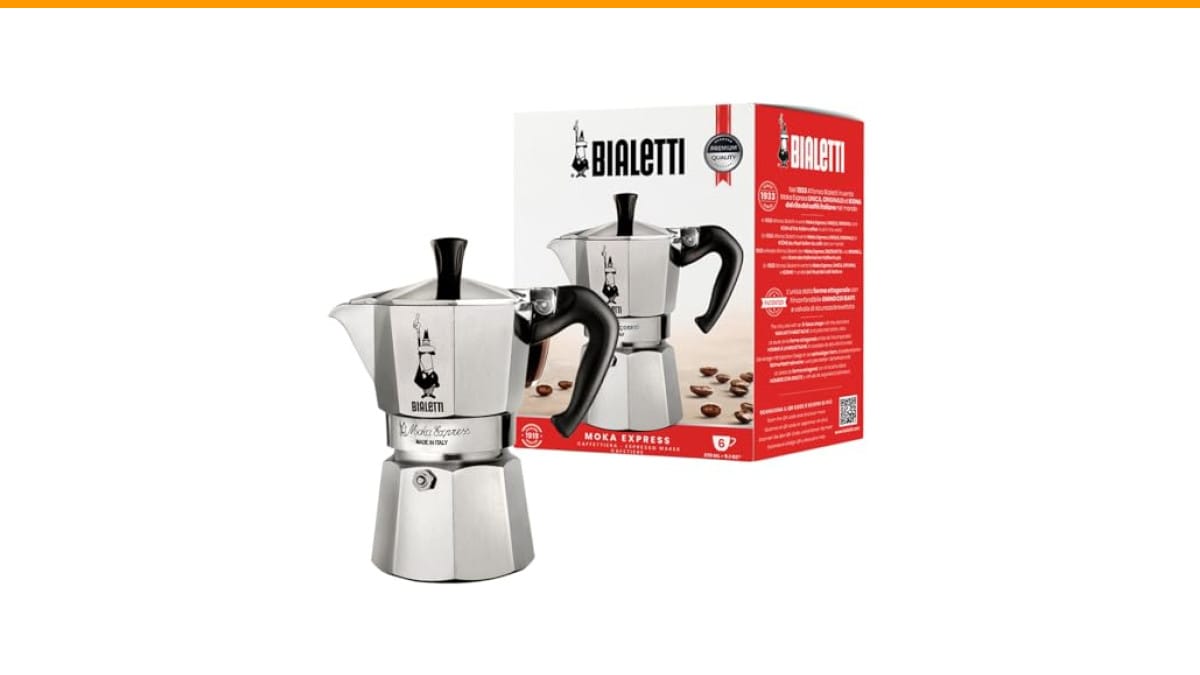
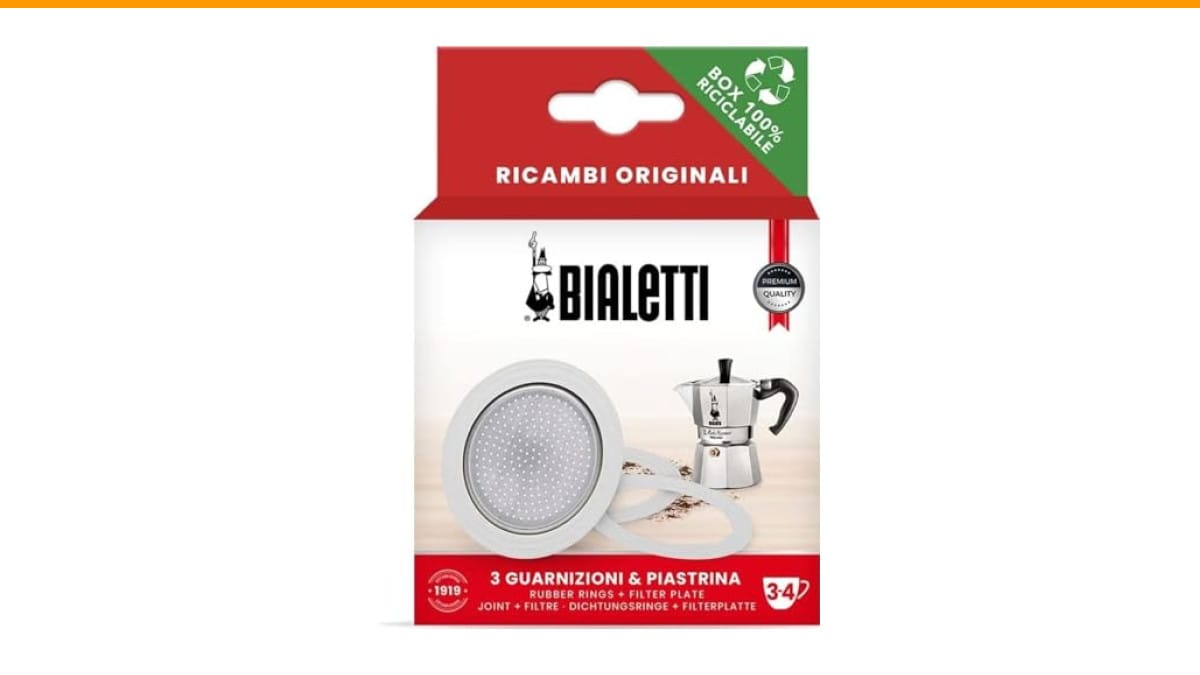
Before we dig into the timeline, one quick note on the most common failure point. The gasket and filter plate are consumable items. A replacement kit like this Bialetti spare parts set includes three gaskets and one filter plate, sized for 3-cup models. Keeping a spare set on hand means you never have to wait for a part when the old gasket finally gives out.
The Short Answer: How Many Years (and Brews) to Expect
Here is the honest math. A standard aluminum moka pot, used daily, will last between 5 and 10 years before the boiler itself becomes unsafe. That range depends heavily on water chemistry and care, which we will cover shortly.
But the more useful number is the brew count. Most manufacturers rate the consumable parts — the gasket and filter — for roughly 500 to 1,000 brews. If you brew one pot per day, that is about 1.5 to 3 years for those parts. The metal boiler itself can handle far more, often 3,000 to 5,000 brews, provided you don’t abuse it.
Consider the cost per brew. A $35 pot that lasts 3,000 brews costs just over a penny per cup. Replacing the gasket every year adds maybe half a cent per brew. Compare that to a $200 espresso machine that needs $50 in annual maintenance and you see why the moka pot remains the cheapest decent coffee maker on the market.
The Lifespan of Every Part (Base, Boiler, Gasket, Filter, Valve)
Each component dies on its own schedule. You don’t throw away the whole pot when one part fails. Here is the breakdown.
The Gasket: Your Most Frequent Replacement
The rubber (or silicone) gasket sits between the boiler and the top chamber. It creates the pressure seal. It also absorbs heat and coffee oils, so it degrades fastest.
- Expected life: 500 to 1,000 brews, or 12 to 18 months of daily use.
- Failure mode: It hardens, flattens, or develops micro-cracks. You will see steam or coffee weeping from the seam during brewing.
- Cost to fix: A few dollars for a generic gasket, slightly more for a Bialetti brand part.
Pro tip: buy a two-pack. When one gasket fails, you’ll have a replacement ready. The Bialetti spare parts kit mentioned earlier is a solid choice because it includes both the gasket and the filter plate, which often wear out at the same rate.
The Safety Valve: The Critical Component You Must Not Ignore
The safety valve is a small metal pin inside the boiler. It releases pressure if the boiler gets blocked or overheats. This part has no set replacement schedule, but it does fail.
Test it every few months. Remove the valve, push the pin from the inside, and confirm it slides freely. If it sticks, clean it with vinegar. If it still sticks, replace it immediately. A stuck valve turns a minor blockage into a potential explosion. That is not hyperbole; it is basic pressure-vessel physics.
The Filter Plate and Base
The filter plate (the disc under the coffee grounds) wears down slowly. The holes widen with repeated scraping from a spoon or brush. When the holes enlarge, you get gritty coffee grounds in your cup. Replace it when you replace the gasket — they wear at similar rates.
The base (the boiler) is the most durable part. It only fails through physical damage, deep pitting from corrosive water, or repeated thermal shock (like running it dry or dunking it in cold water while hot).
7 Clear Signs Your Moka Pot Is Dying (Not Just Dirty)
Dirty and dying look similar, but they are different problems. Here is how to tell them apart.
- Leaking from the side seam: A worn gasket or a bent boiler rim. If the rim is bent, the pot is done.
- Metallic or tinny taste in coffee: This indicates aluminum corrosion, not just old coffee oils. Clean it first; if the taste persists, the metal is degrading.
- White or gray pitting on the inside: That is oxidation from acidic water. Pitting creates rough surfaces where bacteria hide and where the metal thins.
- The handle wobbles or has cracks: A cracked bakelite or nylon handle can snap while full of boiling water. That is a burn hazard, not just an aesthetic issue.
- The safety valve is stuck or corroded: Do not brew with a stuck valve. Period.
- Brewing time changes dramatically: If your pot suddenly takes twice as long (or half as long), the filter is clogged or the gasket is leaking pressure.
- The base rocks on a flat surface: A warped bottom means the boiler has been overheated. The structural integrity is compromised.
The “False Positive” Leak: User Error vs. Wear
Not every leak means the pot is dead. A very common mistake is over-tightening the base. You crank it down hard, and the gasket deforms, creating a leak. Or you under-fill the boiler, and the pressure builds too slowly, causing weeping at the seam.
Here is the test. Clean the gasket and the rim. Screw the base on just until snug — no force. Brew. If it still leaks, the gasket is worn. If it doesn’t leak, you were over-tightening. This one test saves you from replacing parts that are still fine.
The Hidden Killer: Your Water Chemistry
Water hardness is the single biggest factor in moka pot lifespan, and almost nobody accounts for it.
Hard water (high in calcium and magnesium) leaves scale buildup on the boiler walls. That scale acts as an insulator, so the aluminum heats unevenly. It also traps coffee oils, which turn rancid and corrode the metal over time.
Soft water (low in minerals) is more acidic. Acidic water slowly eats away at the aluminum oxide layer that protects the pot. This causes pitting and a metallic taste in your coffee.
The fix is boring but effective: use filtered water with moderate mineral content. If you have very hard tap water, descale monthly with a mild citric acid solution. If you have very soft water, don’t over-descale — you will accelerate the corrosion.
For a deeper look at keeping your gear alive, check out our coffee machine maintenance guide.
Aluminum vs. Stainless Steel: A Cost-Per-Year Analysis
Most moka pots are aluminum. Some premium models are stainless steel. The choice affects lifespan and cost.
| Factor | Aluminum | Stainless Steel |
|---|---|---|
| Initial cost | $20–$40 | $60–$120 |
| Typical lifespan (daily use) | 5–7 years | 10–15 years |
| Corrosion resistance | Low (needs oxide layer) | High |
| Reacts with acidic coffee | Yes, slight metallic taste | No |
| Cost per year (10-year horizon) | ~$6/year (plus replacement pot) | ~$8/year |
| Heat distribution | Excellent (fast) | Good (slower, more even) |
Over a 10-year horizon, you will likely buy two aluminum pots (one every 5 years) for a total of $60–$80. One stainless pot costs $60–$120 and lasts the full decade. The stainless option is slightly more expensive per year but gives you a neutral taste and no pitting worries. Aluminum is lighter and heats faster. For most home users, aluminum is fine — just plan to replace it on schedule.
The Safety Risks of Using an Expired Moka Pot
Let’s be direct about what happens when you push a pot past its prime.
Risk 1: Pressure valve failure. If the valve is crusted shut and the filter is clogged, pressure builds until the gasket blows out or the boiler deforms. A sudden gasket blowout sprays near-boiling coffee across your stove.
Risk 2: Handle snapping. A cracked handle gives way when you lift the full pot. Boiling water lands on your hand or foot. This is the most common serious injury from moka pots.
Risk 3: Boiler wall thinning. Repeated descaling with harsh chemicals (like bleach) or running the pot dry can thin the aluminum. A thin boiler can rupture at the seam under pressure. It’s rare, but it happens.
If the pot shows any of the seven signs above, don’t brew with it. The cost of a new pot is far lower than a trip to urgent care.
How to Extend Lifespan (Beyond Basic Cleaning)
Rinsing and drying is the baseline. Here is what actually extends the life.
- Never wash aluminum in the dishwasher. The detergent is caustic and strips the oxide layer instantly. Hand wash with warm water and a soft sponge.
- Dry the pot immediately after washing. Standing water accelerates oxidation. Leave it disassembled for a few hours to air out.
- Run a water-only brew every few weeks. This flushes out trapped coffee oils from the gasket and valve area.
- Descale gently. Use a 1:3 white vinegar to water solution, brew it through, then brew twice with plain water. Do this monthly if you have hard water.
- Replace the gasket before it fails. A compressed gasket puts extra stress on the threads of the base. Replacing it annually prevents thread wear, which is permanent damage.
If you notice a burnt taste after cleaning, it’s often residual soap or oil. Our article on bitter coffee after cleaning explains how to fix that.
When to Repair vs. Replace (The 50% Rule)
Use this simple heuristic. If the repair cost (parts plus your time) is less than half the price of a new pot, repair it. If it’s more, replace the pot.
A new gasket and filter set costs $5–$10. That’s worth it. A new boiler (the base) is rarely sold separately — you usually have to buy the whole pot. If the base is warped or deeply pitted, replace the pot. If the handle is cracked, you can often buy a replacement handle separately, but only if the rest of the pot is in good shape.
One more thing: generic parts work fine, but you must measure your old gasket. The Bialetti kit we linked is for 3-cup models and specifies a 65mm outer diameter. If your pot is a different size, measure the old gasket’s outer diameter before ordering. A gasket that is 2mm too small will leak; one that is 2mm too big won’t fit.
Frequently Asked Questions
How often should I replace the gasket?
Every 500 to 1,000 brews, or roughly once a year for daily users. You’ll know it’s time when you see steam or coffee seeping from the seam. Some people stretch it to two years, but the seal gets harder and less forgiving, which increases the chance of a leak during brewing.
Can I use a generic replacement part?
Yes, but measure first. Generic gaskets are made to generic tolerances. A Bialetti brand gasket fits perfectly without guesswork. If you buy generic, compare the outer diameter and the inner diameter to your old part. A 1mm difference is enough to cause problems.
Does descaling damage the metal?
Only if you use the wrong chemical or do it too often. Vinegar and citric acid are safe in the short term. Bleach and commercial descalers meant for espresso machines are too aggressive for aluminum. Limit descaling to once a month, and always rinse thoroughly afterward.
Is stainless steel worth the extra money?
If you plan to keep the pot for a decade, yes. Stainless steel won’t pit, won’t add a metallic taste, and doesn’t need the same oxide layer protection. If you want a lighter pot or a lower upfront cost, aluminum is fine — just expect to replace it every 5 to 7 years.
Can I fix a bent base?
No. A bent boiler rim or a warped bottom means the structural seal is compromised. Hammering it flat will create micro-cracks. Replace the pot. This is not a repair job for a home workshop.
What to Do With This Information
- Track your brew count. A simple tally mark on a calendar works. Replace the gasket at the 500-brew mark.
- Test your safety valve every three months. It takes ten seconds and could prevent a serious accident.
- Match your descaling frequency to your water hardness. Hard water = monthly, soft water = every other month.
- Never run the pot dry. That single mistake causes more warped bases than any other error.
- Buy a spare gasket kit now, not when the current one fails. Waiting means a week of bad coffee.
- Replace the whole pot if the base is warped or the handle is cracked. Those are not cosmetic issues.
- If you’re replacing the handle on a pot that’s otherwise healthy, see our guide on replacing a Bialetti handle for the correct steps.
Products related to this article
Sponsored / affiliate links. As an Amazon Associate I earn from qualifying purchases. I may earn additional commission from eligible campaigns.
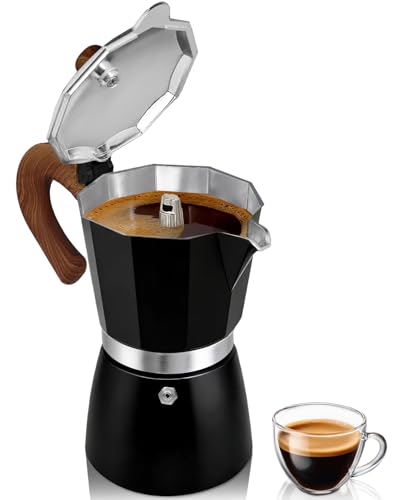 Belly Moka Coffee Maker Stovetop Espresso Maker 9 Cup Aluminum Moka Pot Percolator 15oz 450ml Easy Brewing for Electric Ceramic Stoves Home Camping Italian Cuban Café Classic Black
 Belly Moka Coffee Maker Stovetop Espresso Maker 6 Cup Aluminum Moka Pot Percolator 10oz 300ml Easy Brewing for Electric Ceramic Stoves Home Camping Italian Cuban Café Classic Silver
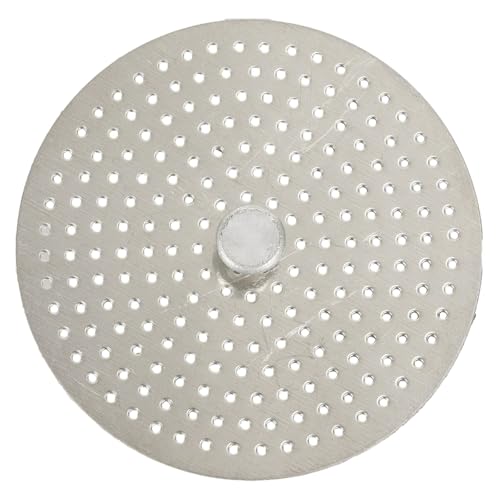 Stainless Steel Moka Pot Coffee Filter Disc for Espresso Brewing, Coffee Maker Replacement Filter Plate for Home Office Coffee Bar Cafe (FOR 4 Cups)