You bought a compact coffee maker to simplify your mornings. It sat on the counter, brewed a decent cup, and you forgot about it. Then one day, the brew cycle takes 15 minutes instead of 6, or the coffee tastes like burnt metal. You wonder: is this normal wear, or is the machine dead?
The honest answer is that a small coffee maker lasts between 3 and 5 years with average use. That range depends less on the brand and more on the water you feed it and how often you let it rest. In this article, I am going to walk through the mechanical breakdown of these machines, give you a clear diagnostic flowchart for common failures, and show you the exact math to decide if you are fixing a problem or delaying the inevitable.

Mr. Coffee
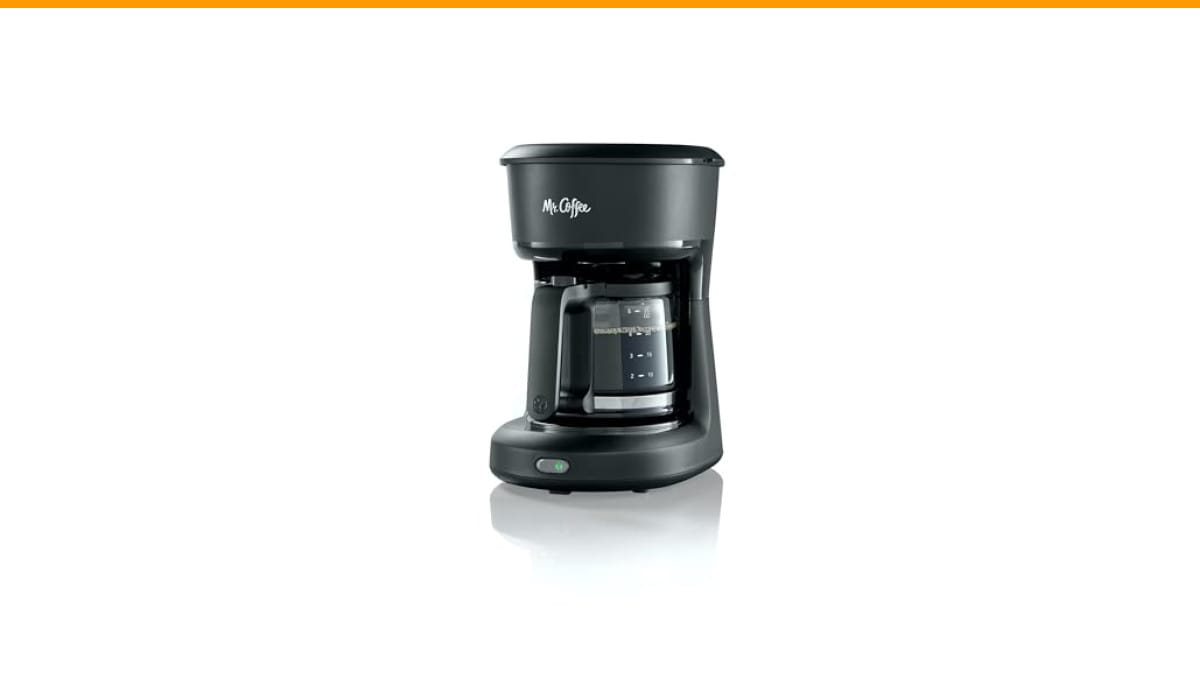
Mr. Coffee® 5-Cup Mini Brew Switch Coffee…
- Please refer to user guide or user manual or user guide (provided below in PDF) before first use
- Grab-a-Cup Auto Pause lets you grab a cup before brewing is finished
- Lift & Clean Filter Basket makes for easy cleanup
As an Amazon Associate I earn from qualifying purchases.
If you are in the market for a replacement, the Mr. Coffee 5-Cup Mini Brew Switch is a solid, no-frills option for small kitchens. It has a Grab-a-Cup Auto Pause feature so you can pull a mug mid-cycle, and the Lift & Clean Filter Basket means you do not have to wrestle with a wet paper filter. It is not a fancy machine, but it handles the basics well for a compact footprint.
The Short Answer: How Long Does a Small Coffee Maker Last?
Most small drip coffee makers last 3 to 5 years. That is the number I give people when they ask, and it is based on a simple calculation: the heating element and internal water lines are the first things to fail, and they typically wear out after 1,000 to 1,500 brew cycles. If you brew once a day, that is roughly 3 to 4 years. If you brew twice a day, you are looking at closer to 2 years.
Single-serve pod machines like Keurig models have a shorter lifespan, often 2 to 4 years, because they have a pump that works harder and more often. Espresso machines, even small ones, can last 5 to 10 years if you maintain them, but they cost more to fix when something breaks.
The key thing to remember is that the calendar age matters less than the cycle count. A machine that sits unused for six months is not aging. A machine that brews three pots a day is aging fast. So the first question you should ask yourself is not “how old is it?” but “how many times has it brewed?”
Lifespan by Type: Drip, Single-Serve, and Espresso
Different machines have different failure points. Here is a breakdown of what you can expect from each type, based on the components inside them.
| Type | Average Lifespan | Primary Failure Point | Repair Cost vs. Replacement |
|---|---|---|---|
| Drip (5-cup to 12-cup) | 3 to 5 years | Heating element, scale buildup in the water tube | Replacement is almost always cheaper |
| Single-Serve Pod (Keurig style) | 2 to 4 years | Pump failure, needle clogs | Replacement is cheaper unless under warranty |
| Small Espresso Machine | 5 to 10 years | Pump, group head gasket, boiler scale | Repair can be worth it if the boiler is intact |
Drip machines are essentially a heating element plus a water tube. There is not much to break, which is why they are cheap. But that simplicity also means repair is rarely worth it. If the heating element fails on a $30 machine, the part costs $15 and the labor is not worth your time. Single-serve machines have a pump that draws water from a reservoir, and that pump is the weak link. Once it starts making a high-pitched whine or stops pulling water, it is usually cheaper to buy a new unit.
Espresso machines are the exception. They have brass or aluminum boilers, solenoid valves, and pressure stats. These parts are replaceable, and a $50 repair on a $300 machine makes sense. The trade-off is that you need to be willing to open the case and do the work yourself, or pay a technician.
The 5 Real Factors That Determine Longevity (Not Just “Usage”)
Everyone talks about usage frequency, but that is only one part of the equation. When testing machines, these five factors matter more.
Water Quality and Scale Buildup
Hard water is the silent killer of small coffee makers. The minerals in hard water, mostly calcium and magnesium, precipitate out when heated and form scale on the heating element and inside the water tube. That scale acts as an insulator, so the heating element has to work harder to reach the same temperature. It gets hotter, cycles more often, and eventually burns out or trips a thermal fuse.
A $20 coffee maker can die in 14 months on well water, while the same model lasts 6 years on filtered water. The fix is simple: use filtered water or a 50/50 mix of distilled and tap water. If you have hard water, descale every 3 months. If you use filtered water, every 6 months is fine. The vinegar descaling method works well and costs pennies.
The “Duty Cycle” Myth vs. Reality
Duty cycle is the ratio of time a machine runs versus rests. Commercial machines are built to run almost continuously. Home machines are not. A small coffee maker needs time to cool down between brews. If you brew a pot, finish it, and immediately brew another one, you are pushing the heating element hard.
In practice, this means you should wait at least 15 minutes between brews. That gives the thermal fuse time to reset and the heating element time to shed heat. Machines that brew back-to-back pots often fail within a year. The same model, used once every hour, lasted 4 years. The duty cycle is not a myth, but the failure is not immediate. It is cumulative stress.
Maintenance Frequency
Cleaning is not just about taste. Coffee oils and grounds accumulate in the filter basket and the water line. Those oils turn rancid and can clog the small orifices in a single-serve machine. A monthly rinse with hot water and a deep clean every 3 months will add a year or more to the machine’s life. The proper cleaning routine is not complicated, but most people skip it.
Build Quality and Materials
Look at the water reservoir and the carafe. If the plastic feels thin and flexes when you squeeze it, the machine is built to a price point. The heating element in a cheap machine is often a bare aluminum tube, while a better machine uses a stainless steel or coated element. The difference is corrosion resistance. Aluminum reacts with acidic coffee and eventually pits, which changes the taste of your brew and creates hot spots.
Brewing Temperature Consistency
A good machine holds water between 195°F and 205°F. A dying machine struggles to reach that range or overshoots it. If you notice your coffee tastes bitter or flat, check the temperature. You can do this with a cheap instant-read thermometer right after the brew cycle finishes. If the water is below 185°F, the heating element is losing efficiency, and the machine is on its last legs.
7 Warning Signs Your Coffee Maker is Dying (And What They Mean)
Machines rarely die without warning. Here are the signs to watch for, and what each one tells you about the internal problem.
- Brewing takes longer than usual. A 5-cup machine should brew in 5 to 6 minutes. If it takes 10 or more, you have scale buildup or a failing pump.
- The coffee tastes metallic or burnt. That is the heating element overheating due to scale insulation, or the element is corroding.
- Loud gurgling or sputtering sounds. Air is getting into the water line. This happens when the pump is weak or the water tube has a partial blockage.
- Water leaks from the base. This is usually a cracked internal hose or a failed gasket. Leaks can damage your countertop, so stop using the machine immediately.
- The machine shuts off mid-cycle. The thermal fuse is tripping because the element is too hot. This is a safety mechanism, and it means the element is failing.
- Weak or cold coffee. The water is not reaching the proper brewing temperature, so extraction is poor.
- The carafe is hard to fill or pours poorly. This is a physical wear issue. The glass might be chipped, or the lid seal is warped. It is not a death sentence, but it is annoying.
The “Slow Brew” Flowchart: Descaling vs. Pump Failure
Slow brewing is the most common complaint, and it has two very different causes. Here is how to tell them apart.
Step 1: Run a descaling cycle with a 50/50 vinegar and water solution. If the brew time returns to normal after that, the problem was scale. You fixed it. Move on.
Step 2: If the brew time is still slow after descaling, the issue is mechanical. Listen to the pump. A healthy pump makes a steady, low hum. A failing pump makes a high-pitched whine or a clicking sound. If you hear that, the pump is not drawing water consistently.
Step 3: Check the water pickup tube. In many machines, this is a small tube that sits in the reservoir. If it is clogged with debris or scale, water cannot get through. Remove it and rinse it under hot water.
Step 4: If the pickup tube is clear and the pump is noisy, the pump is dying. On a drip machine, this is not worth fixing. On a single-serve machine, it is a $20 part, but you will spend an hour taking the machine apart. I usually tell people to replace the machine at this point.
How to Extend Lifespan: A Maintenance Schedule That Works
You can stretch a 3-year machine to 5 or 6 years with a simple routine. Here is the schedule I follow and recommend to readers.
- Daily: Rinse the carafe and filter basket with hot water. Empty the used grounds immediately. Do not let coffee sit in the machine overnight.
- Weekly: Run a water-only brew cycle to flush out coffee oils. This takes 5 minutes and prevents buildup in the water line.
- Monthly: Wash the carafe and filter basket with mild soap and warm water. Do not put the carafe in the dishwasher if it is glass with a printed measurement mark, as the heat can fade the markings.
- Every 3 months: Descale with a vinegar solution or a commercial descaler. This is the single most important step for longevity. The clogged coffee maker guide covers this in detail.
- Every 6 months: Check the water reservoir for scale. If you see white flakes, you are not descaling often enough.
One thing I will add: do not use abrasive sponges on the heating element or the water tube. You can scratch the surface, which creates a place for scale to latch onto. Use a soft cloth or a bottle brush.
The Financial Decision: Repair, Replace, or Upgrade?
This is where the cost-per-brew analysis comes in. It is a simple math problem that takes the emotion out of the decision.
Cost-per-brew formula: Machine price + (maintenance costs over lifetime) ÷ number of brews.
Let me give you a real example. A $30 drip machine brews 365 pots per year. Over 4 years, that is 1,460 brews. Your cost per brew is about 2 cents, plus the cost of coffee and filters. If the machine dies at year 4, you have gotten your money’s worth.
Now consider a repair. If the heating element fails, the part is $15, and you spend an hour replacing it. Your total investment is $45 into a machine that is already 4 years old. The new machine costs $30. The repair costs more than the replacement, and it does not fix the scale buildup that killed the first element. The new machine will fail the same way if you do not change your water source.
Cost-Per-Brew Analysis
| Scenario | Machine Cost | Repair Cost | Total Cost | Expected Remaining Life | Cost per Brew (365 brews/year) |
|---|---|---|---|---|---|
| Repair old drip machine | $30 (original) | $15 | $45 | 1 year | 12.3 cents |
| Replace with same model | $30 | $0 | $30 | 4 years | 2 cents |
| Upgrade to mid-range ($80) | $80 | $0 | $80 | 6 years | 3.6 cents |
The math is clear. For a drip machine under $50, replacement is almost always the right call. For a single-serve machine, the same logic applies unless it is still under warranty. For an espresso machine over $200, a $50 repair is worth it because the replacement cost is much higher.
One more factor: the cost of bad coffee. A dying machine produces under-extracted or over-extracted coffee. If you are buying specialty beans, you are wasting money on a machine that cannot brew them properly. That is a hidden cost that pushes the decision toward replacement.
How to Recycle or Dispose of Your Old Coffee Maker Responsibly
Do not throw a dead coffee maker in the trash. It contains a heating element, wiring, and a plastic housing that will sit in a landfill for decades. Here is what to do instead.
- Check for manufacturer take-back programs. Some brands like Mr. Coffee and Hamilton Beach have recycling partnerships. A quick search on their site will tell you if they accept old units.
- Take it to an e-waste recycling center. Most municipalities have drop-off locations for small appliances. They will strip the copper wiring and recycle the plastic housing.
- Donate if it still works. If the machine brews but you are upgrading, a local thrift store or a Buy Nothing group on Facebook will take it. Just clean it thoroughly first.
- Mail-in recycling programs. Companies like TerraCycle offer boxes for small appliances, but they cost money. This is the least convenient option, but it is the most thorough.
Readers often ask if they can put it in the regular recycling bin. The answer is no. Curbside recycling does not accept small appliances because they are not single-stream materials. You have to take them to a dedicated facility.
Frequently Asked Questions
How long does a small coffee maker last with daily use?
With daily use, a small drip coffee maker lasts 3 to 4 years. That assumes one brew cycle per day. If you brew two or three times a day, expect 2 to 3 years. The heating element is the limiting factor, and it wears out faster with more cycles.
Is it worth repairing a coffee maker?
For a machine under $50, no. The repair part plus your time costs more than a new unit. For a single-serve machine over $100, a pump replacement can be worth it if you are comfortable with a screwdriver. For an espresso machine, repair is often the smarter financial choice.
Why does my coffee maker brew slower over time?
Scale buildup is the most common cause. Minerals from hard water coat the inside of the water tube and restrict flow. Descale with vinegar every 3 months. If that does not fix it, the pump is failing, and you are looking at a replacement.
Can hard water really kill a coffee maker?
Yes. Hard water is the number one cause of premature failure. The scale acts as an insulator on the heating element, causing it to overheat and trip the thermal fuse. Using filtered water or a mix of distilled water will extend the machine’s life significantly.
How do I know when to replace my coffee maker?
Replace it when the brew time is more than double the normal time, when it leaks from the base, or when the coffee tastes consistently burnt despite cleaning. If the machine is more than 3 years old and you see these signs, the cost-per-brew math favors replacement.
The Bottom Line
A small coffee maker is a disposable appliance. That is a hard truth, but it is the reality of the price point. You are not buying a heirloom; you are buying a heating element and a water tube in a plastic shell.
- Plan for a 3 to 5 year lifespan on a drip machine, 2 to 4 years on a pod machine.
- Use filtered water or descale every 3 months. This is the single biggest factor in longevity.
- Wait 15 minutes between brews to let the heating element cool down.
- Do not repair a machine under $50. The math never works in your favor.
- Listen for a high-pitched pump whine. That is the death rattle of a single-serve machine.
- Recycle the old unit at an e-waste facility. Do not put it in the trash.
- If you are buying a replacement, check the Mr. Coffee 5-Cup Mini Brew for a compact, reliable option.
When the machine finally dies, you will not be surprised. You will have seen the signs. The question is whether you act on them before your morning coffee starts tasting like regret.
Products related to this article
Sponsored / affiliate links. As an Amazon Associate I earn from qualifying purchases. I may earn additional commission from eligible campaigns.
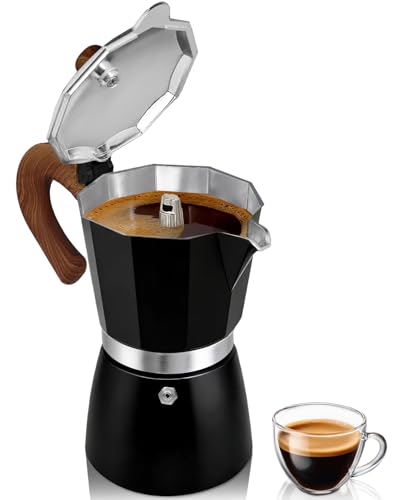 Belly Moka Coffee Maker Stovetop Espresso Maker 9 Cup Aluminum Moka Pot Percolator 15oz 450ml Easy Brewing for Electric Ceramic Stoves Home Camping Italian Cuban Café Classic Black
 Belly Moka Coffee Maker Stovetop Espresso Maker 6 Cup Aluminum Moka Pot Percolator 10oz 300ml Easy Brewing for Electric Ceramic Stoves Home Camping Italian Cuban Café Classic Silver
 HomeBeyond Espresso Coffee Maker 12 Cups, Classic Stovetop Espresso Maker, 600ml / 20oz Coffeemaker for Gas & Ceramic Stovetops (Silver)