You pull a shot that tastes bitter and oily. The crema looks thin. You check the group head and see a brown, sticky film coating the shower screen. That film is oxidized coffee oil, and it’s the reason your espresso tastes off. Cleaning tablets remove that film, but here’s the catch: using the wrong number of tablets causes its own set of problems.
Most advice online just says “use one tablet.” That’s fine for a standard home machine, but it ignores real variables. A dual boiler used for six shots a day needs a different routine than a single boiler used twice a week. Hard water changes things too. This guide walks through a simple formula to find your exact tablet count, what happens when you get it wrong, and how to run a proper cleaning cycle.

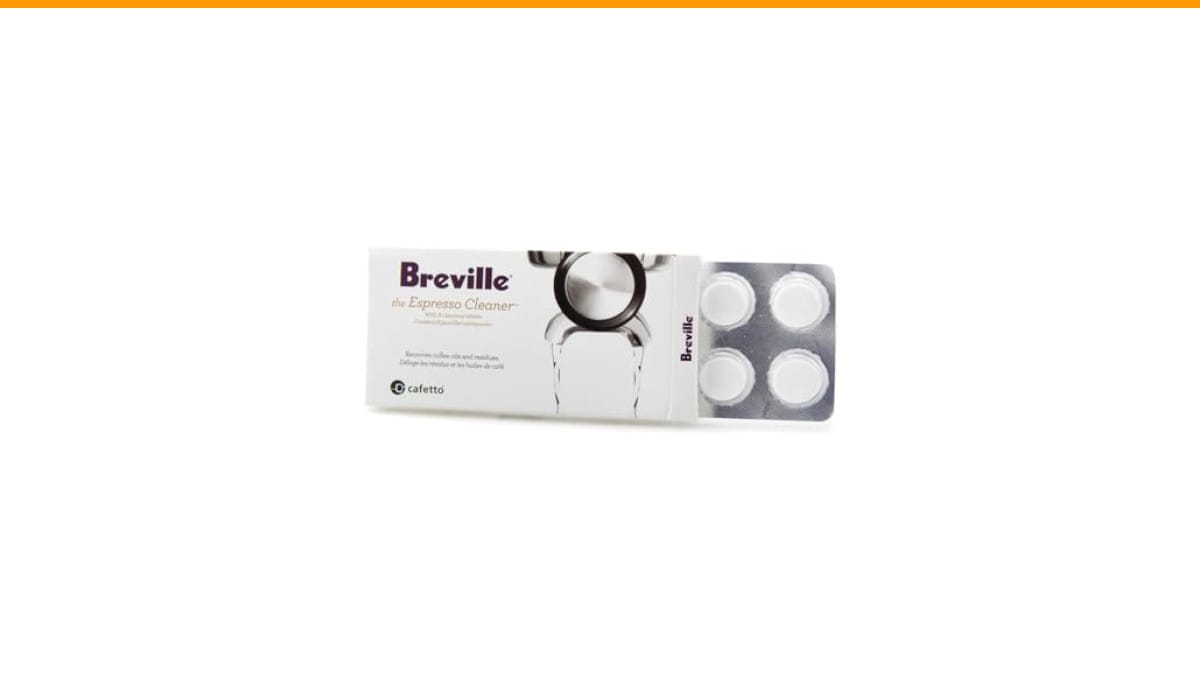
Breville
Breville BEC250 Espresso Machine Cleaning Tablets, 8…
- OFFICIAL BREVILLE CLEANING TABLETS: Extend your espresso machine's functionality and prolong its life by turning to the brand you…
- FOR USE WITH BREVILLE MACHINES: Espresso cleaning tablets designed to remove coffee oils and residues from your appliance's shower…
- ENGINEERED FOR THOROUGH CLEANING: Breville tablets feature precision dissolution time to provide optimal cleaning performance, so…
As an Amazon Associate I earn from qualifying purchases.
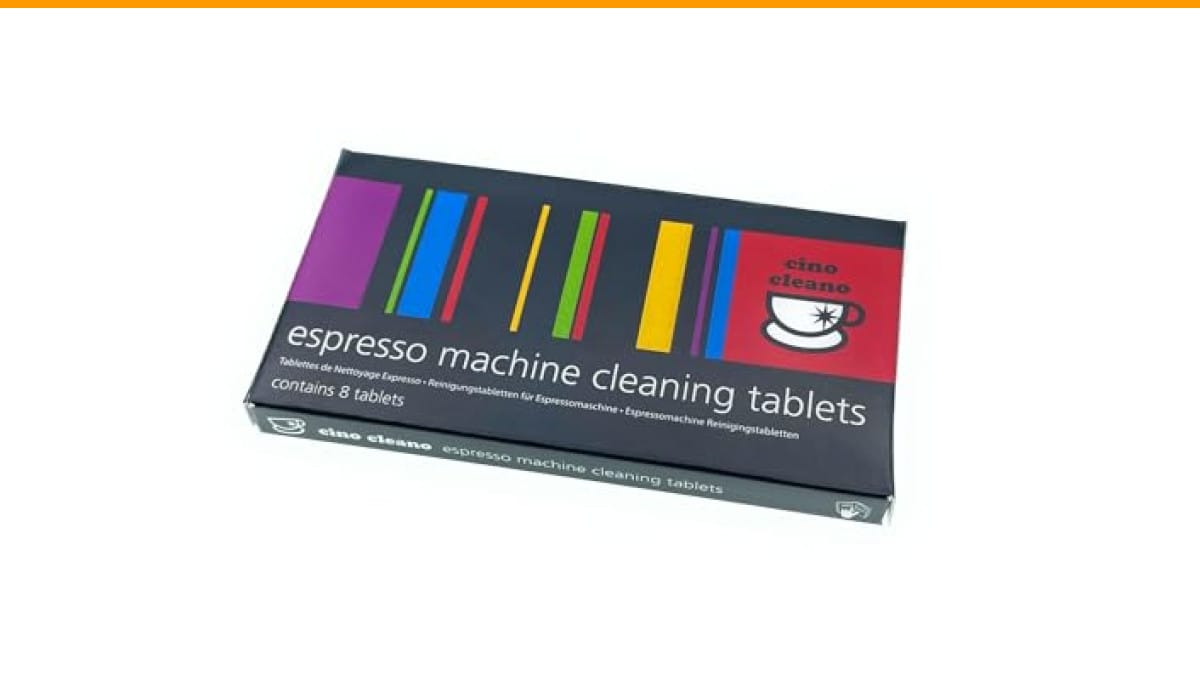
If you own a Breville machine, the Breville BEC250 Espresso Machine Cleaning Tablets are the official option. They’re formulated to dissolve at a specific rate so the cleaning action happens while the tablet is still active, not after it’s already gone. That precision matters more than you’d think.
Why Tablet Dosage Matters More Than You Think
Cleaning tablets are a dose of detergent. Too little detergent and the water can’t break down the oil bonds. Too much and you get excessive suds that push into places water shouldn’t go, like behind the group head gasket or into the solenoid valve. Both scenarios shorten your machine’s life.
The other issue is residue. A tablet that doesn’t fully dissolve leaves chunks of detergent in the blind basket. Those chunks can get pulled into the brew path during your next shot. You’ll taste it. It’s a soapy, chemical flavor that ruins a good bean.
So the goal isn’t just “clean enough.” It’s the right amount of active detergent for the soil load in your machine. Think of it like laundry detergent. A lightly worn shirt doesn’t need a full capful. A muddy workout set does. Your espresso machine works the same way.
The Golden Rule: One Tablet Per Cleaning Cycle (and When to Break It)
Start with one tablet per backflush cycle. That’s the baseline for almost every home espresso machine on the market, including Breville, Gaggia, Rancilio, and De’Longhi. The tablet is designed to work with the volume of water your machine pushes through the group head during a standard cleaning cycle.
When should you break that rule? Two situations call for more than one tablet, and both are about heavy soil load.
Situation 1: You pull more than 10 shots per day. At that volume, coffee oil builds up faster than a weekly single-tablet clean can handle. Use two tablets per cleaning cycle, but run the cycle twice with fresh water between tablets. Don’t drop both in at once. The water can only hold so much dissolved detergent before it becomes oversaturated and leaves a film.
Situation 2: You haven’t cleaned in over a month. The oil has polymerized into a hard, sticky layer. One tablet will soften the top layer but won’t penetrate the whole deposit. Run one cleaning cycle with a single tablet, then inspect the blind basket. If you still see brown residue, run a second cycle with a fresh tablet. This is the double backflush technique, and it’s the only way to fully restore a neglected machine.
For everyone else, one tablet per cycle is correct. Resist the urge to use two “just to be safe.” Over-sudsing is a real problem, and it’s harder to fix than under-cleaning.
How to Calculate Your Ideal Dosage Based on Machine Type and Usage
Single Boiler vs. Dual Boiler vs. Super-Automatic
Machine type changes how often you clean, not necessarily how many tablets per cycle. Here’s the breakdown.
Single boiler: These machines heat one boiler for both brewing and steaming. They have a single group head, and the water path is short. One tablet per cleaning cycle is always enough. Clean every 2-4 weeks for home use, or weekly if you pull 5+ shots daily. The shorter water path means less surface area for oil to cling to.
Dual boiler: Two separate boilers mean more internal surface area. Coffee oil can accumulate in the brew boiler, the group head, and the shower screen. One tablet per cycle still works, but you need to clean more often. Weekly cleaning is the minimum for a dual boiler used daily. If you pull more than 10 shots a day, bump to two tablets per cycle as described above.
Super-automatic: These machines have a brew group that you remove and rinse manually. The cleaning cycle uses a tablet placed in a special compartment, and the machine runs a specific program. Always follow the manufacturer’s tablet count for your model. Super-automatics have complex internal mechanisms, and over-sudsing can damage the brew group motor. Most models call for one tablet per cleaning cycle, and the cycle itself takes longer than a semi-automatic backflush.
High-Usage Cafes vs. Home Use
Home use (1-4 shots per day) needs one tablet per cycle, cleaned every 2-4 weeks. That’s the standard routine.
High-usage home (5-10 shots per day) should clean weekly with one tablet. The oil load is higher, but a weekly schedule keeps it manageable.
Cafe-level use (20+ shots per day) needs a different approach entirely. Commercial machines have larger group heads and more surface area. Most commercial cleaning tablets are dosed at one per group head per backflush, and cafes typically backflush at the end of every service day. If you’re running a cafe, you already know this. For home users pushing that kind of volume, two tablets per cycle with a double backflush is the right call.
| Usage Level | Shots Per Day | Tablets Per Cycle | Cleaning Frequency |
|---|---|---|---|
| Occasional home | 1-2 | 1 | Every 4 weeks |
| Regular home | 3-4 | 1 | Every 2 weeks |
| Heavy home | 5-10 | 1 | Weekly |
| Very heavy home | 10+ | 2 (double backflush) | Weekly |
| Cafe | 20+ | 1 per group head | Daily |
Step-by-Step: How to Use the Correct Number of Tablets
Preparing the Blind Basket
A blind basket is a portafilter basket with no holes. It blocks water flow, forcing pressure to build up and push the cleaning solution through the group head internals. Most machines come with one, or you can buy one separately.
Put the tablet in the blind basket. Lock the portafilter into the group head. Make sure it’s seated firmly. A loose portafilter will leak water during the cycle and reduce cleaning pressure.
Running the Cleaning Cycle
Run a single shot cycle (about 30 seconds of water flow). Let it sit for 30 seconds to let the detergent work. Then run another shot cycle. This pushes the dissolved oils and detergent through the group head and out the drain.
After the cycle, remove the portafilter and rinse the blind basket thoroughly. Run a plain water shot through the group head to flush any remaining detergent. This rinse step is critical. Skip it and you’ll taste soap in your next shot.
The Double Backflush for Heavy Residue
For a neglected machine, run the entire process twice. First cycle with one tablet, then rinse. Inspect the blind basket. If you see brown residue, repeat with a fresh tablet. Don’t reuse the same tablet. The first one is spent after dissolving.
Between cycles, wipe the shower screen with a damp cloth. This removes the softened oil that the tablet loosened. It’s a small step that makes the second cycle far more effective.
What Happens If You Use Too Many or Too Few Tablets?
Too many tablets cause over-sudsing. The detergent creates excessive foam that can push past the group head gasket and into the solenoid valve. That valve controls water flow, and detergent residue inside it can cause sticking or erratic operation. You might also see foam leaking out of the drip tray area. It’s not a catastrophic failure, but it’s a headache to flush out.
Too few tablets mean incomplete oil removal. The detergent gets diluted below its effective concentration, so it can’t break down the polymerized oils. You’ll see a brown film still on the shower screen after cleaning. Over time, that film hardens and restricts water flow. Your shots will run slower, taste bitter, and the crema will be thin.
The right dose is a balance. One tablet per cycle is the sweet spot for most machines. Adjust only when your specific conditions demand it.
Cleaning Tablets vs. Descaling Tablets: Never Confuse the Two
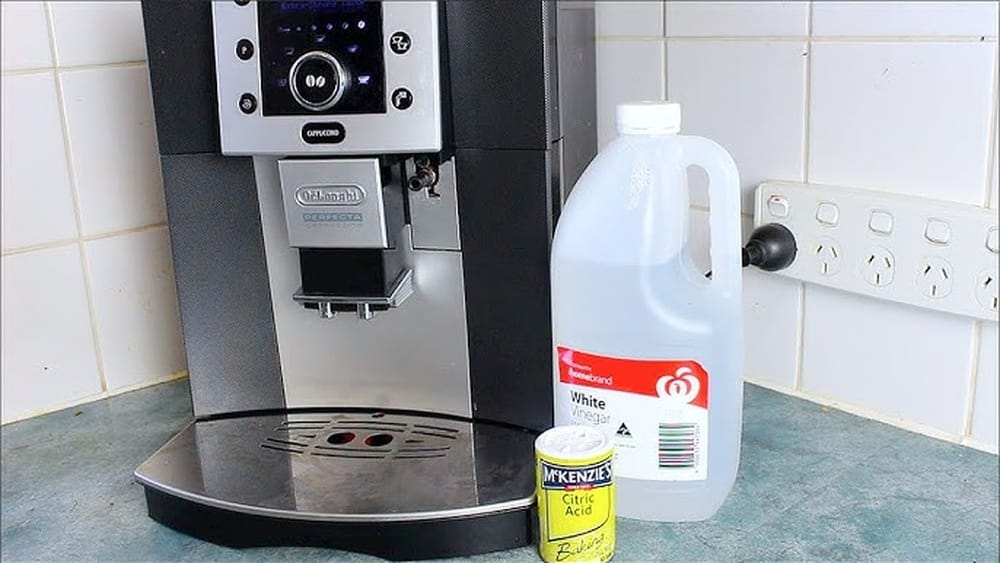
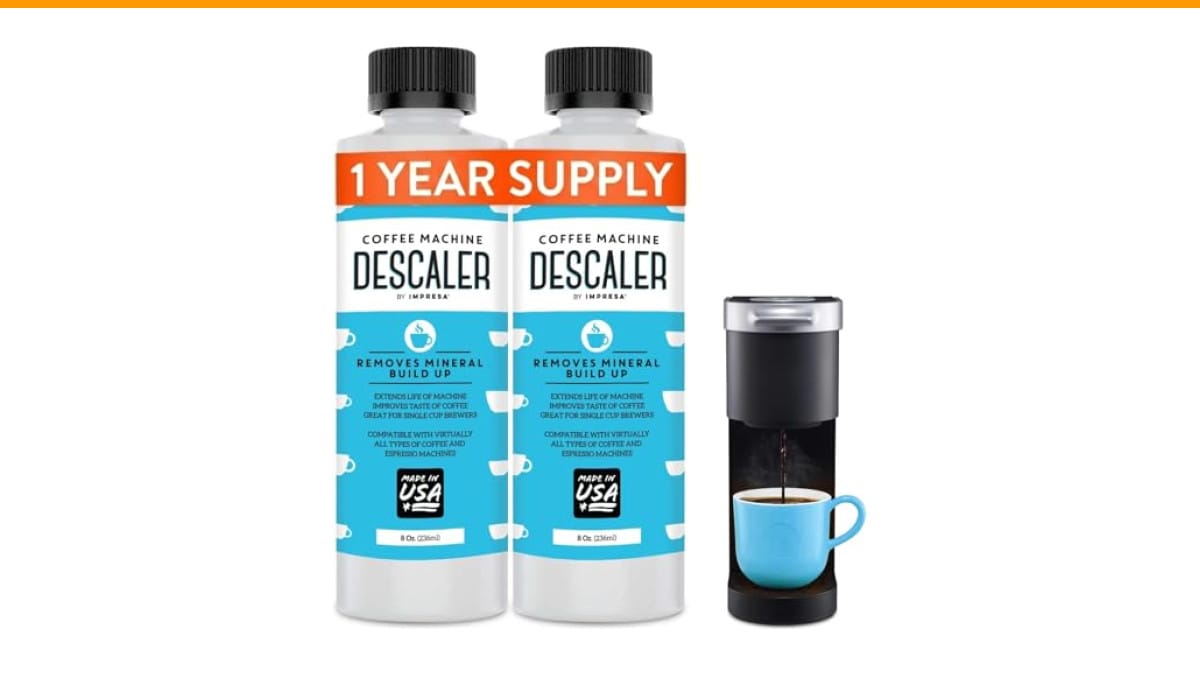
Cleaning tablets are detergent. They remove coffee oil, residue, and film. Descaling tablets are acid. They dissolve mineral scale (calcium and limescale) inside the boiler and pipes. These are completely different chemical processes, and you cannot substitute one for the other.
Running a descaling tablet through a cleaning cycle won’t remove coffee oils. Running a cleaning tablet through a descale cycle won’t touch mineral scale. Worse, using the wrong one can damage your machine. Descaling acid can corrode rubber seals if used too often. Cleaning detergent can leave a film inside the boiler if not fully flushed.
Check your machine’s manual for both schedules. Most manufacturers recommend cleaning every 2-4 weeks and descaling every 3-6 months, depending on water hardness. If you’re unsure about your water, read our guide on how to descale for a full breakdown.
How Water Quality Affects Your Tablet Count
Hard water changes the equation. Mineral scale builds up on the heating element and inside the boiler. That scale acts as an insulator, making your machine work harder and run hotter. It also traps coffee oil, making it harder for detergent to reach the surface.
If you use hard water (above 150 ppm hardness), clean more often. Weekly cleaning with one tablet is the minimum. You might also need to descale more frequently. The scale creates a rough surface that oil clings to, so your detergent has to work harder.
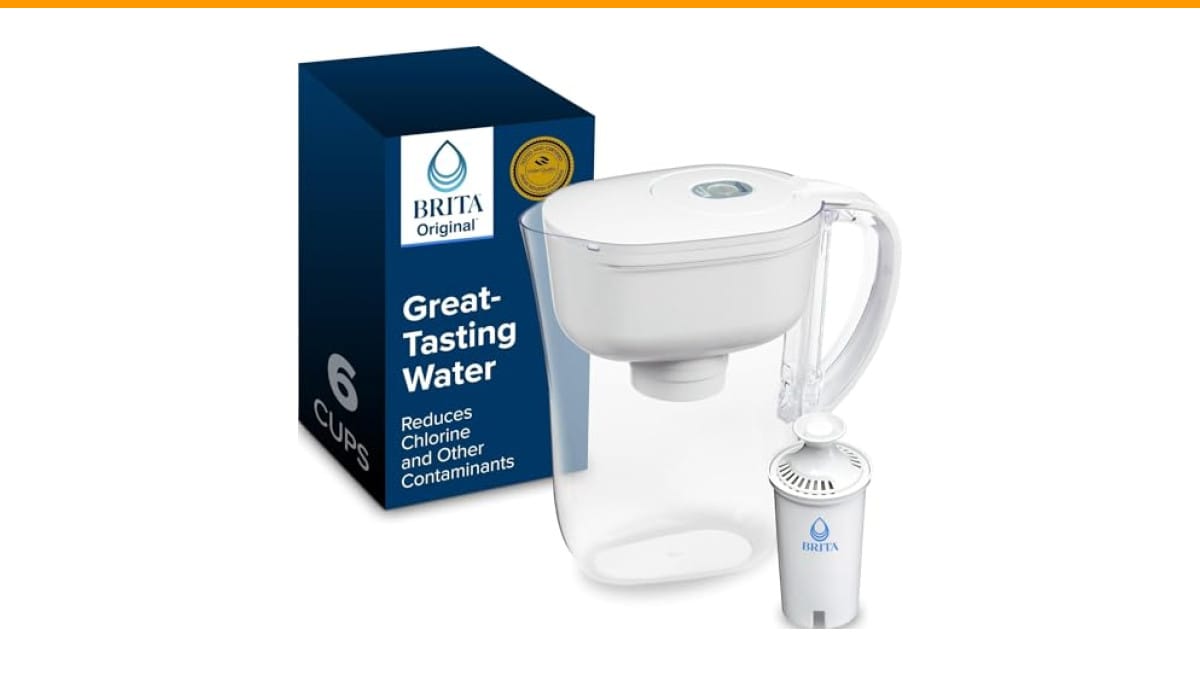
If you use filtered water or a water softener, mineral buildup is reduced. You can stretch cleaning intervals to every 2-3 weeks with one tablet. The smooth, scale-free surfaces don’t hold oil as aggressively. But don’t skip cleaning entirely. Coffee oil still accumulates regardless of water quality.
Here’s a practical tip: if you use a water softener, check your blind basket after a cleaning cycle. If it comes out clean with one tablet, stick with that dose. If you see residue, you’re not cleaning often enough, not that you need more tablets.
Troubleshooting Dosage-Related Issues
Foam leaking from the group head during cleaning. This means too much detergent. Stop the cycle, rinse thoroughly, and use one tablet next time. Also check that your blind basket is properly seated.
Soapy taste in shots after cleaning. You didn’t rinse enough. Run 2-3 plain water shots through the group head after cleaning. If the taste persists, run a full water tank through the machine.
Brown residue still on the shower screen after cleaning. Either you didn’t clean often enough, or the tablet didn’t fully dissolve. Check that your water is hot enough (some machines run a cold cycle). If the residue is hard and crusty, you need a double backflush.
Tablet not dissolving. This usually means the water flow is too slow or the water temperature is too low. Some machines have a dedicated cleaning cycle that runs at a specific temperature. Use that if available. If your machine doesn’t have one, run a hot water shot first to warm the group head before starting the cleaning cycle.
If you’re dealing with a loud or leaking machine, those are separate issues. Check our guides on noisy machines and water leaks for help.
Final Checklist for a Perfectly Clean Machine
- Start with one tablet per cleaning cycle. Adjust only for heavy usage or neglect.
- Clean every 2-4 weeks for home use, weekly for heavy use.
- Always use a blind basket. It’s required for the pressure to build.
- Run a rinse cycle after cleaning. Always. No exceptions.
- Never substitute cleaning tablets for descaling tablets. They do different jobs.
- If you use hard water, clean more often. If you use filtered water, you can stretch intervals slightly.
- When in doubt, check your machine’s manual. Manufacturer instructions override any general advice.
Getting the tablet count right isn’t complicated. It’s one tablet per cycle, adjusted for your specific situation. Your machine will pull better shots, the crema will look richer, and you won’t taste yesterday’s coffee in today’s cup. That’s worth the five minutes it takes to clean.
Products related to this article
Sponsored / affiliate links. As an Amazon Associate I earn from qualifying purchases. I may earn additional commission from eligible campaigns.