You pull a shot that tastes bitter and hollow. The stream from the portafilter looks thin and uneven. Or maybe you notice a dark, oily film on the back of the group head that won’t wipe off. That’s the moment most people finally think about cleaning tablets. Usually, it’s too late—the flavor has already been off for a week.
The good news is that fixing this isn’t complicated. The hard part is knowing when to clean without guessing. Most manufacturers say “every 200 shots” or “every 2-3 months,” but those numbers rarely match how you actually use your machine. This guide gives you a real frequency formula based on your specific habits, water type, and equipment. You’ll walk away knowing exactly when to drop a tablet in—and when you’re just wasting them.

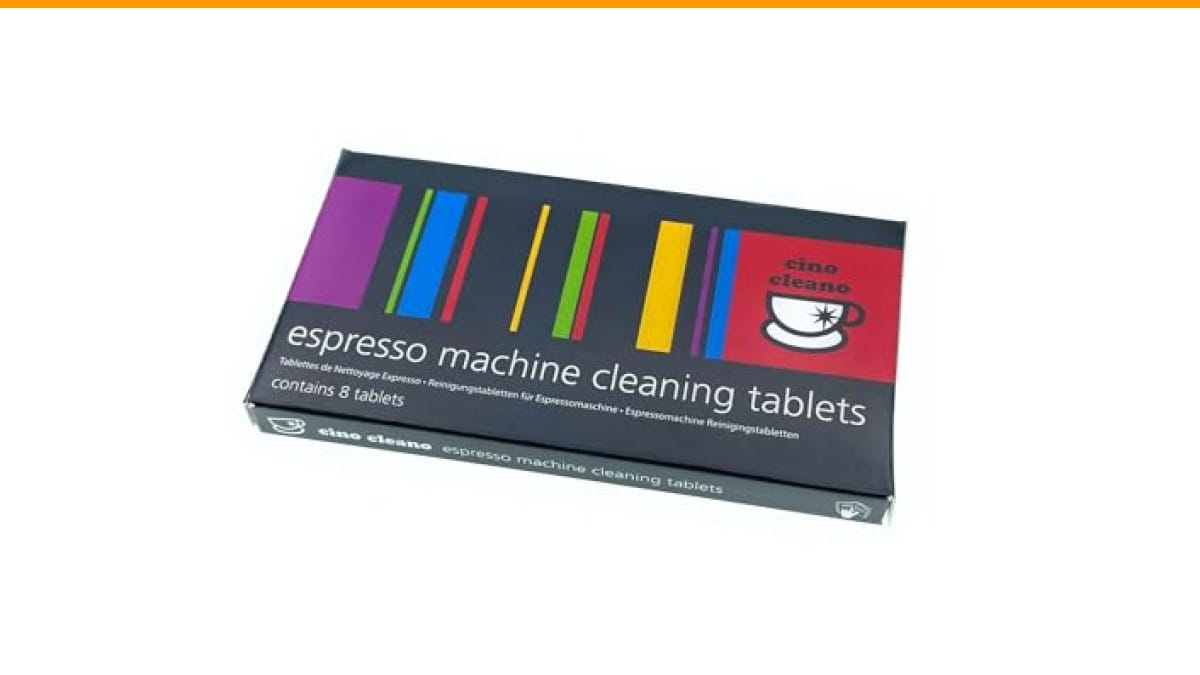
Cino Cleano
Cino Cleano Espresso Machine Cleaning Tablets (8…
- Listing is for 1 Packet which contains 8 tablets Suitable for use with all Breville Espresso machines
- Precision dissolution time to provide optimal cleaning performance
- All pharmaceutical and food grade ingredients
As an Amazon Associate I earn from qualifying purchases.
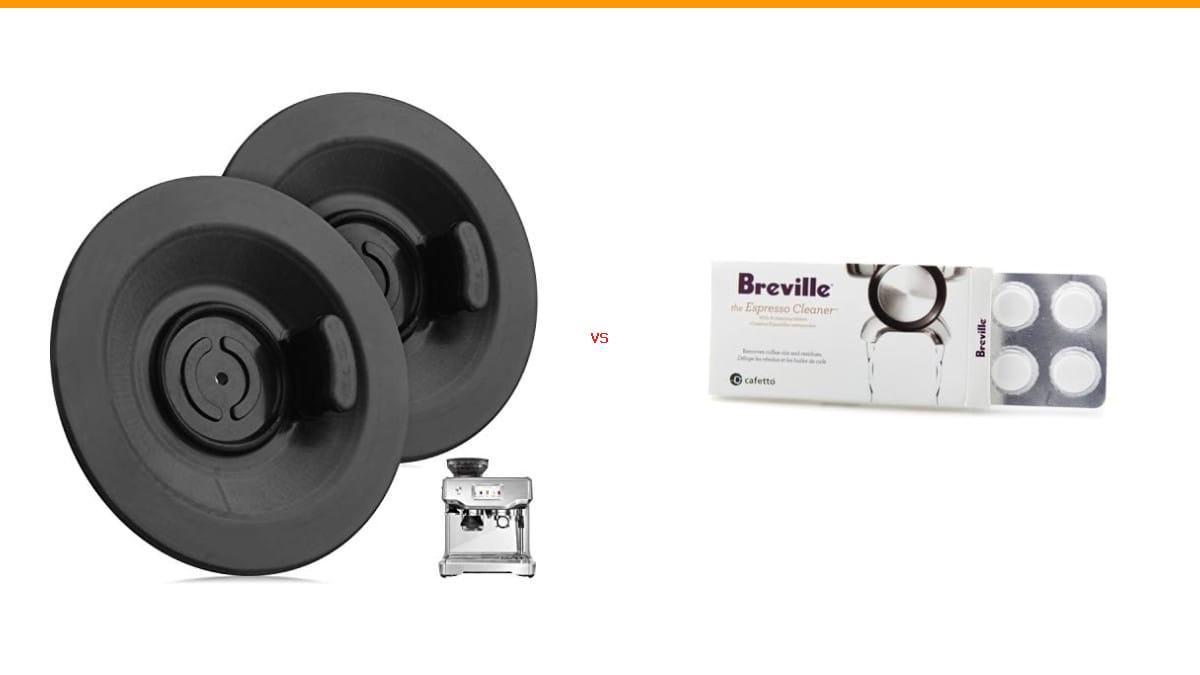
If you need a reliable tablet right now, the Cino Cleano Espresso Machine Cleaning Tablets are a solid choice. They dissolve at a precise rate for optimal cleaning, use food-grade ingredients, and work with Breville, DeLonghi, Sage, and most other domestic machines. They’re also non-corrosive, so they won’t damage seals or gaskets the way some harsh cleaners can.
The Short Answer: Your Cleaning Schedule at a Glance
Here is the honest baseline. If you pull 2-4 shots a day, clean once a week. If you pull 5-8 shots a day, clean every 4-5 days. If you only make 1-2 shots a day on weekends, clean every 2 weeks. If you use your machine commercially or for heavy home use (10+ shots daily), clean every 2-3 days.
These numbers assume you’re using standard tap water. Hard water changes everything—more on that below. The point is that a fixed “every 200 shots” rule fails. Two people with the same machine can have wildly different cleaning needs.
Let’s break down why this schedule works, then adjust it for your specific situation.
Why Cleaning Tablets Matter (and What Happens If You Skip Them)
Coffee isn’t just water and flavor. It’s packed with oils that cling to metal and plastic. Each shot leaves behind a microscopic layer of coffee oil on the group head, the shower screen, and the inside of the brew chamber. Over a week, that layer builds into a sticky, rancid film.
That film does three things. It makes your coffee taste bitter and flat. It slows the water flow through the puck, which messes with extraction pressure. And it provides a breeding ground for bacteria and mold. None of those are things you want near your morning cup.
Cleaning tablets are formulated with detergents that break down coffee oils on contact. They don’t just rinse the surface—they lift the residue that a water rinse can’t touch. A backflush with a tablet cleans parts you can’t reach with a rag, including the three-way solenoid valve and internal brew lines.
If you skip cleaning for months, the oils polymerize. They harden into a crust that tastes burnt and can eventually clog your machine’s internal valves. That’s a repair bill you don’t want. Regular tablet use costs a few dollars a month and prevents hundreds in service fees.
Your machine also runs hotter when the group head is coated with residue. That coating acts as an insulator, so the metal doesn’t reach the correct brew temperature. Your shots come out under-extracted and sour. Cleaning restores proper thermal contact.
The Real Frequency Formula: Usage, Water Hardness, and Machine Type
Here’s the formula I use when advising friends. Start with your daily shot count, then adjust for water hardness and machine design. It’s not perfect, but it’s a far better guide than a calendar date.
How Many Shots Per Day?
- 1-2 shots daily: Clean every 14 days. Low oil buildup, but don’t skip it.
- 3-4 shots daily: Clean every 7 days. This is the sweet spot for most home users.
- 5-8 shots daily: Clean every 4-5 days. You’re producing enough oil to matter.
- 9+ shots daily: Clean every 2-3 days. This borders on light commercial use.
Count single shots as one, double shots as two. If you pull multiple back-to-back for guests, count them all. The machine doesn’t care who drinks the coffee.
The Water Hardness Factor
Hard water contains calcium and magnesium. These minerals don’t just cause scale—they bind with coffee oils and make the residue stickier and harder to remove. If you live in an area with hard water, your cleaning interval should be roughly 30% shorter than the schedule above.
How do you know if you have hard water? Check your local water report, or buy a simple test strip from a hardware store. If your kettle develops white flakes, you have hard water. If you have a water softener or use filtered water, you can stretch the interval slightly, but don’t double it—filtered water still contains oils.
Hard water also means you need to descale more often. Cleaning tablets and descalers are different jobs, and we’ll get to that in a moment.
When to Ignore the “Every 200 Shots” Rule
Manufacturer recommendations are written for the average user, who doesn’t exist. The “every 200 shots” rule assumes you pull about 4 shots a day, which works out to roughly every 50 days. That’s too long for most people. Coffee oils don’t wait for a round number.
Ignore the shot count if you notice any of the following signs: bitter taste, slow flow, visible oil on the group head, or a burnt smell from the portafilter. Those symptoms override any schedule. Clean immediately.
Also ignore the rule if you use dark-roast beans. Dark roasts have more surface oils, which means more residue. If you’re a dark roast drinker, shorten your interval by a couple of days. Light roasts are drier and less messy.
Step-by-Step: How to Use Cleaning Tablets (With and Without a Cleaning Cycle)
Most modern machines have a dedicated cleaning cycle. But not all do. Here’s how to handle both situations.
The Standard Backflush Method
- Remove the portafilter and replace the basket with the blind (blank) basket that came with your machine.
- Drop one tablet into the blind basket.
- Lock the portafilter into the group head.
- Fill the water tank and place a large container under the steam wand and hot water spout to catch discharge.
- Activate the cleaning cycle. Most Breville machines require holding the power button for 3 seconds until the cleaning icon flashes. Check your manual for the exact sequence.
- The machine will run a series of pulses and pauses, pushing water through the tablet and flushing the internal lines. This takes 3-5 minutes.
- When the cycle finishes, remove the portafilter, rinse the blind basket, and discard the dirty water.
That’s it. The machine does the heavy lifting. Your only job is to remember to do it.
The Manual Method for Machines Without a Cleaning Cycle
Older or simpler machines lack an automated cycle. You can still backflush manually. Here’s how:
- Insert the blind basket with one tablet.
- Lock the portafilter in place.
- Start a brew cycle for 10 seconds, then stop it. Let it sit for 30 seconds so the solution can soak.
- Repeat the 10-second brew/30-second pause cycle 5-6 times.
- Finally, run a continuous brew for 30 seconds to flush the dissolved oils out.
- Remove the portafilter, rinse the basket, and run one more brew cycle with an empty portafilter to clear any remaining residue.
This manual method isn’t as thorough as an automated cycle, but it’s far better than nothing. The key is the soak time. Letting the solution sit against the oils is what breaks them down.
The Critical Rinse: Why Your Final Flush is Non-Negotiable
After any cleaning cycle, the machine is full of soapy, oily water. That water is not safe to brew with. It tastes terrible and can leave a chemical film on your next shot.
Run at least two full brew cycles with fresh water and an empty portafilter. If you have a hot water spout, run a cup of hot water through it as well. This flushes the entire internal path. Some machines need three or four cycles to fully clear. If you still see foam or bubbles in the discharge, keep flushing.
Skipping the rinse is the most common mistake I see. People clean their machine, then pull a shot immediately and wonder why it tastes like soap. The cleaning did its job—the rinse just didn’t finish it. Budget two extra minutes for the rinse. Your coffee will thank you.
Also, wipe the group head and the shower screen with a damp cloth after rinsing. This removes any residue the tablet loosened but the water didn’t carry away. A clean shower screen distributes water evenly, which improves extraction.
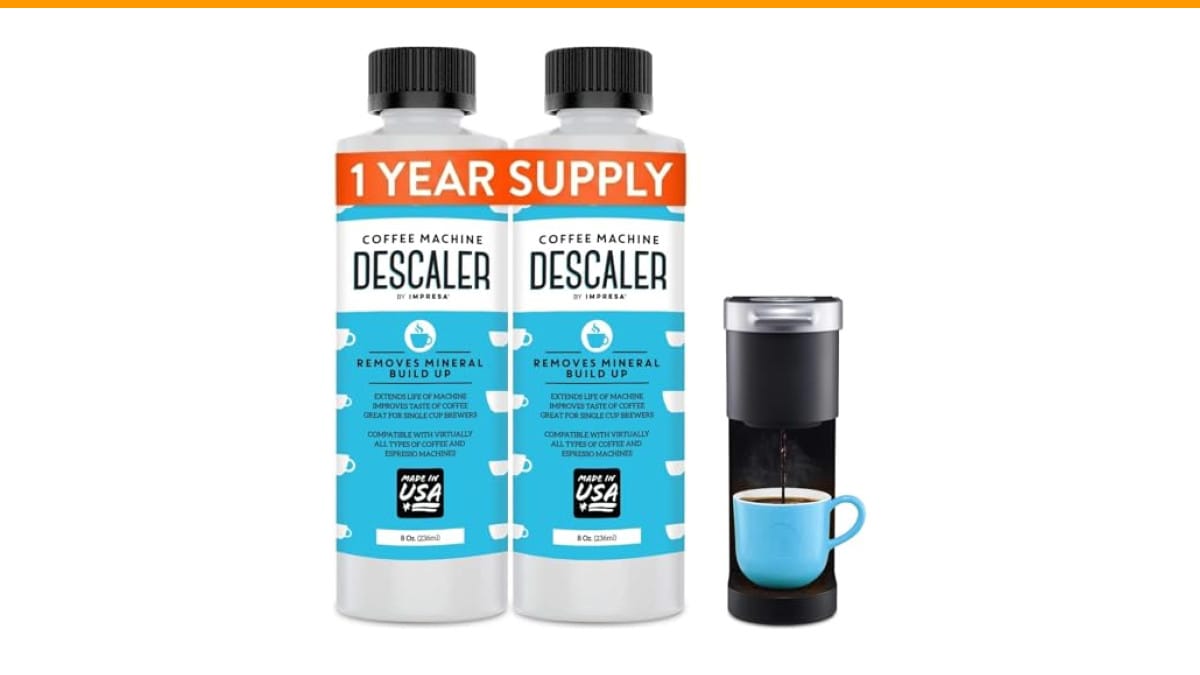
Cleaning Tablets vs. Descalers: Two Different Jobs
People often confuse these two products, but they do completely different things. Cleaning tablets remove coffee oils. Descalers remove mineral scale (calcium, lime) from your boiler and heating element.
You need both. A clean machine can still be scaled up. A scaled machine can still be oily. They’re separate problems with separate solutions.
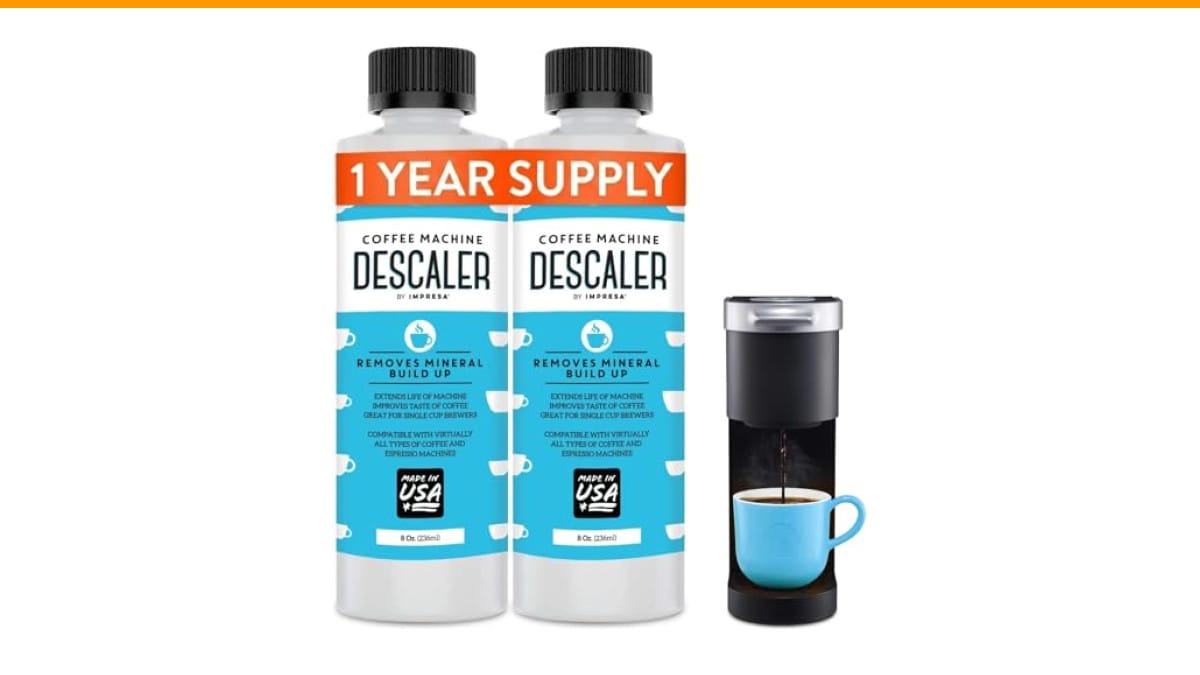
Descaling frequency depends on water hardness. With soft water, descale every 3 months. With hard water, every 1-2 months. If you use a water softener or filtered water, you can stretch it to 4-5 months. Never use a descaling solution in place of a cleaning tablet, and never use a cleaning tablet to descale. They’re not interchangeable.
Running a descaling cycle too often can damage your machine’s seals and gaskets. The acid in descalers is harsh. Running it too rarely lets scale build up and reduce heating efficiency. Find the balance based on your water report, not a generic calendar reminder.
If you’re unsure about your water, check out our guide on removing limescale for a more detailed breakdown. And for the broader picture, our maintenance guide covers the full routine.
Signs Your Machine is Begging for a Clean (Even If It’s Not on the Schedule)
Schedules are useful, but your machine will tell you when it’s dirty if you pay attention. Here are the five warning signs I look for:
- Bitter, harsh taste: Rancid oils add a burnt, unpleasant flavor that masks the coffee’s natural sweetness.
- Slow flow: If the shot takes longer than 30 seconds and the stream looks like drips, the oils are restricting the flow.
- Visible oil film: Look at the back of the group head after removing the portafilter. If you see brown streaks or a shiny film, it’s time.
- Burnt smell: The machine smells like old coffee or burnt plastic when it heats up.
- Uneven extraction: The puck comes out muddy, or the shot channeling produces a sour, unbalanced cup.
Any one of these signs means clean now, regardless of when you last did it. Waiting for the calendar date will only make the problem worse. The tablet is cheap; the damage from neglect is not.
If you’re also dealing with scale buildup, check our guide on descaling at home to handle that separately.
Common Mistakes That Ruin Your Machine (and How to Avoid Them)
Over years of testing machines, I’ve seen the same errors repeated. Here’s what to avoid.
Using dish soap. Dish soap creates too many suds and leaves a residue that’s hard to rinse out. It can also damage the internal seals. Use only purpose-made cleaning tablets.
Crushing the tablet. Some people break tablets in half to save money. Don’t. The dosage is calibrated for a full cleaning cycle. A half tablet won’t clean effectively, and you’ll end up cleaning twice as often anyway.
Forgetting the blind basket. The tablet needs the blind basket to create pressure and force the solution through the group head. Using a regular basket just lets the water drain through, and the group head never gets cleaned.
Skipping the backflush on super-automatic machines. Many super-automatics have a cleaning cycle that uses a tablet placed in a special drawer, not the portafilter. Check your manual. The principle is the same—clean the brew unit—but the method is different.
Cleaning too often. Yes, it’s possible. Over-cleaning with tablets every day can wear down the group head gasket and shower screen faster than normal use. Once a week is plenty for most home users. You’re not adding value by cleaning more; you’re just adding wear.
Final Checklist for a Pristine Espresso Machine
Here’s the short version you can stick on your fridge.
- Clean with a tablet every 7 days for 3-4 daily shots. Adjust for usage and water hardness.
- Descale every 1-3 months, depending on water hardness. Don’t confuse this with cleaning.
- Always run a full rinse cycle after cleaning. Two to four empty brew cycles.
- Wipe the group head and shower screen daily with a damp cloth.
- Clean the steam wand after every use to prevent milk residue buildup. See our steam wand cleaning guide.
- Use a fresh blind basket and one full tablet per cleaning cycle.
- Trust your senses. If it tastes bitter or smells burnt, clean now.
Your espresso machine is a precision instrument. Treat it like one, and it will reward you with consistent, delicious shots for years. The few minutes a week you spend cleaning is nothing compared to the cost of a repair or a bad cup of coffee.
For a deeper dive into overall upkeep, our deep cleaning guide covers the full teardown process. And if you’re comparing machine types, our automatic vs. semi-automatic comparison helps you understand the maintenance differences.
Products related to this article
Sponsored / affiliate links. As an Amazon Associate I earn from qualifying purchases. I may earn additional commission from eligible campaigns.