You pull a shot that looks perfect. Rich crema, golden streaks. Then you taste it. Sour, bitter, or just flat. Most home baristas blame the beans or the grind. Nine times out of ten, the real problem is a dirty machine. Old coffee oils go rancid inside the group head. Scale builds up in the boiler. Your espresso tastes like yesterday’s mistakes.
This guide walks through the full cleaning routine for a home espresso machine. You’ll learn the daily habits, the weekly backflush, the monthly deep clean, and the descaling schedule. Each step has specific numbers and conditions so you know exactly when to act. No vague advice. No guesswork.
Before we start, one honest note: cleaning takes about 10 minutes a week. Descaling takes 30 minutes every few months. It’s not exciting, but it’s the difference between a machine that lasts 10 years and one that dies at year three. I’ve seen both.
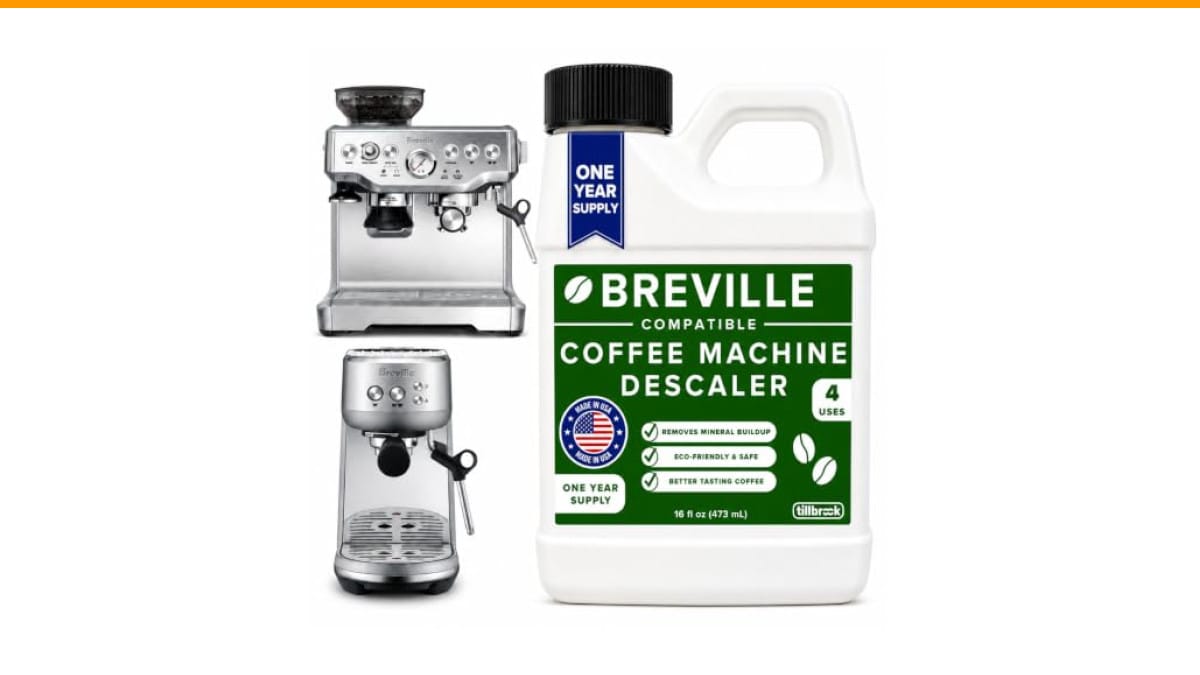
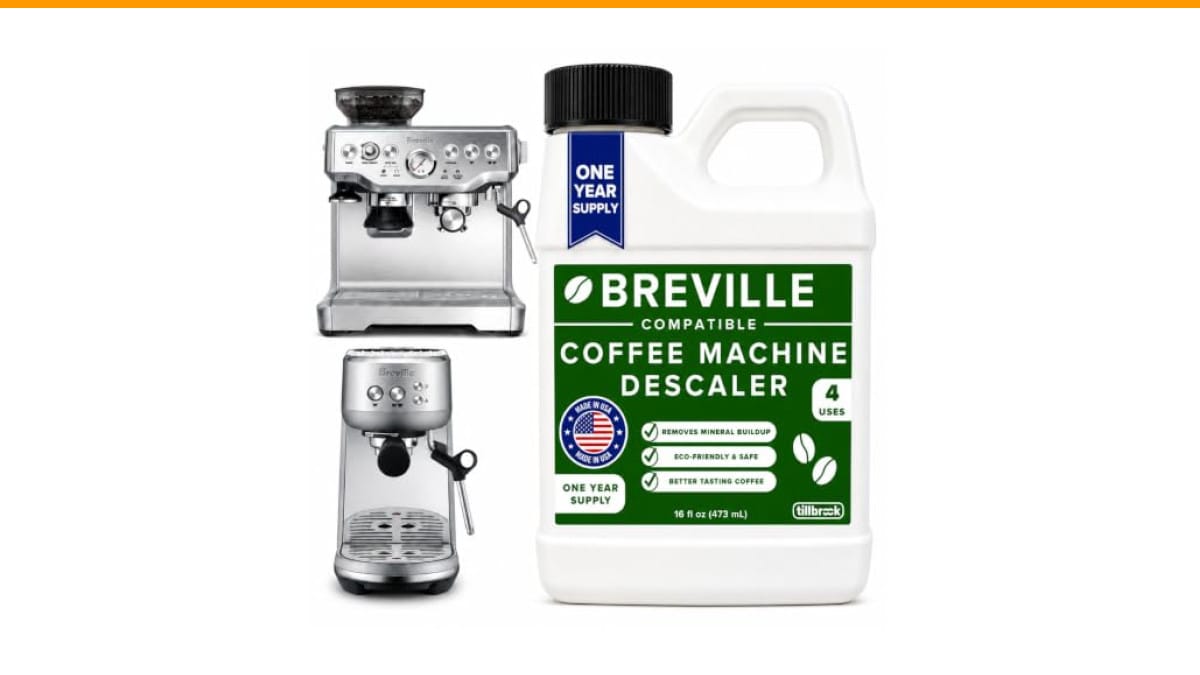
Tillbrook Breville-Compatible Descaler
When it’s time to descale, the Tillbrook espresso machine descaler gets the job done without fuss. It’s formulated for Breville machines but tested on nearly every home coffee maker out there. One 16 oz bottle gives you four full descaling cycles, which works out to a year’s worth of maintenance for most households. The concentrated formula is all-natural and leaves no chemical aftertaste.
Daily Maintenance: The 60-Second Rule
Every day, after your last shot, do three things. First, knock out the spent puck and wipe the group head gasket with a dry cloth. Coffee oils stick to that rubber seal and harden into a black crust. Second, purge the steam wand for 2 seconds into a damp cloth to blow out any milk residue hiding inside the tip. Third, wipe the wand itself with the same damp cloth immediately after purging. Milk protein sets like glue when it dries.
That’s it. Sixty seconds. If you skip this daily routine, you’ll need a deeper clean within a week. The steam wand is the first thing to suffer. Burnt milk smells terrible and ruins the texture of your next latte.
One detail most people miss: empty the drip tray daily. Stagnant water breeds mold and bacteria. A quick rinse under the tap prevents that musty smell you sometimes notice near the machine.
Weekly Backflushing: The Real Flavor Saver
Backflushing pushes hot water and cleaning solution backward through the group head to dissolve coffee oils you can’t see. These oils accumulate inside the brew chamber and the three-way solenoid valve. If you don’t backflush, those oils turn rancid and coat every subsequent shot with a bitter, ashy flavor.
- Remove the blank basket (the one with no holes) from your portafilter.
- Add a quarter teaspoon of espresso machine cleaning powder to the basket.
- Lock the portafilter into the group head.
- Run a 10-second brew cycle. Stop it manually.
- Wait 30 seconds for the solution to soak.
- Run another 10-second cycle. Let it sit for 30 seconds.
- Repeat steps 4 through 6 five times total.
- Remove the portafilter, rinse the basket, and run two blank cycles with just water to flush out the cleaning solution.
Do this every week if you pull more than two shots a day. Every two weeks if you’re a weekend-only brewer. The difference in crema color and flavor clarity is noticeable within the first shot after a backflush.
Monthly Deep Clean: Steam Wand and Group Head
The steam wand needs more than a wipe once a month. Fill a tall cup with hot water and a drop of dish soap. Submerge the wand tip and run steam for 30 seconds. This flushes milk residue from inside the tip and the shaft. Then wipe the wand exterior with a clean cloth.
Next, remove the shower screen from the group head. Most machines let you unscrew it with a flathead screwdriver or a coin. Soak the screen in hot water with a drop of dish soap for 15 minutes. Scrub it gently with a soft brush to remove stuck-on coffee grounds. Rinse thoroughly and reinstall.
While the screen is off, check the group head gasket. If it looks cracked, brittle, or flat, replace it. A worn gasket causes water to leak around the portafilter and reduces pressure during extraction. That’s a common cause of sour espresso that people misdiagnose as a grinder problem.
For a complete walkthrough of the deep cleaning process, our deep clean guide covers every component in detail.
Descaling: Every 3-4 Months, No Exceptions
Hard water leaves calcium and magnesium deposits inside your boiler and pipes. These deposits insulate the heating element, making it work harder and longer. That wastes energy, slows heat-up time, and eventually kills the boiler. Descaling dissolves these minerals with an acid solution.
How often? Every three to four months for typical tap water. If you use softened water or filtered water, stretch it to six months. If your water is very hard, descale every two months. You’ll know it’s time when the machine takes noticeably longer to heat up or the steam wand produces weak steam.
- Empty the water tank and fill it with a mix of 4 oz descaling solution and 12 oz fresh water. The Tillbrook descaler uses a half-cup concentrate per cycle.
- Place a large container under the steam wand and another under the group head.
- Run the machine’s descaling cycle if it has one. If not, run a brew cycle until the tank is half empty.
- Pause for 15 minutes to let the solution soak.
- Finish the remaining solution through the group head and steam wand.
- Refill the tank with fresh water and run two full tanks through the machine to rinse completely.
Never skip the rinse phase. Residual descaling solution tastes bitter and acidic. It can also irritate your stomach if you don’t flush it completely. Run clean water until you can’t smell any vinegar-like odor from the steam wand.
For a broader look at descaling different machines, check our descaling guide for coffee makers. The principles are the same, but the specific steps vary by machine type.
Cleaning Method Comparison
Not every cleaning task needs the same approach. Here’s how the three main methods stack up against each other.
| Method | Frequency | Time Required | What It Removes | Best For |
|---|---|---|---|---|
| Wipe-down and purge | Daily | 1-2 minutes | Surface oils, milk residue, loose grounds | Preventing buildup before it hardens |
| Backflush with detergent | Weekly | 5-7 minutes | Embedded coffee oils, residue in group head and solenoid valve | Flavor clarity and consistent extraction |
| Descaling with acid solution | Every 3-4 months | 30-45 minutes | Calcium, limescale, mineral deposits | Heating performance and machine longevity |
Each method targets a different type of buildup. Daily wipes stop surface grime. Weekly backflushing protects flavor. Quarterly descaling protects the boiler. Skipping one doesn’t make the others more effective. They work together as a system.
Common Mistakes That Ruin Machines
Three errors show up repeatedly in home espresso maintenance. Avoid these and your machine will outlast your patience.
Mistake 1: Using dish soap to backflush. Dish soap creates foam that can damage the solenoid valve and leave a soapy aftertaste. Use only espresso-specific cleaning powder designed for backflushing. It’s cheap and formulated to dissolve coffee oils without foaming.
Mistake 2: Descaling too often with cheap vinegar. White vinegar works in a pinch, but it’s harsher on rubber seals and gaskets than commercial descalers. If you use vinegar, dilute it 50/50 with water and don’t leave it in the machine longer than 20 minutes. Commercial descalers like the Tillbrook solution are pH-balanced for coffee equipment and safer on internal parts.
Mistake 3: Forgetting to rinse after cleaning. Whether you backflush or descale, residual cleaning agents ruin the next few shots. Run at least two full tanks of fresh water through the system after any cleaning procedure. Taste a blank shot of hot water before brewing coffee to confirm it’s clean.
If your machine is already making strange noises or leaking, those are separate issues. See our guides on loud espresso machines and water leaks for troubleshooting steps.
Frequently Asked Questions
How often should I clean my espresso machine?
Wipe down the steam wand and group head after every use. Backflush weekly if you make two or more shots daily. Descale every three to four months. If you use hard water, descale more often. If you use filtered water, you can stretch it to six months.
Can I use vinegar to descale my espresso machine?
Yes, in an emergency. Mix equal parts white vinegar and water and run it through the machine. But vinegar is more acidic than commercial descalers and can degrade rubber seals over time. It also leaves a lingering smell that takes multiple rinses to remove. Commercial descalers are formulated specifically for coffee equipment and work faster with less risk.
Why does my espresso taste bitter or sour after cleaning?
You probably didn’t rinse thoroughly enough. Cleaning solutions and descalers leave residue that contaminates the next shot. Run two full tanks of fresh water through the group head and steam wand after any cleaning procedure. Taste a cup of plain hot water before brewing coffee.
Do I need to backflush if I use a single boiler machine?
Yes. Single boiler machines still accumulate coffee oils in the group head and solenoid valve. The backflush process is the same. Just make sure the machine is at operating temperature before you start. Cold backflushing can damage the pump.
What happens if I never descale my espresso machine?
Scale builds up on the heating element and inside the boiler. The machine takes longer to heat up, produces weaker steam, and eventually the heating element burns out from the extra work. Replacing a boiler costs more than a new machine in many cases. Descaling every few months is the cheapest insurance you can buy for your equipment.
What to Remember When You’re Done
- Wipe the steam wand and group head after every session. Sixty seconds now saves an hour later.
- Backflush weekly with dedicated espresso cleaning powder. Never use dish soap.
- Descale every 3-4 months with a commercial descaler. The Tillbrook solution gives you four cycles per bottle.
- Always rinse with two full tanks of fresh water after any cleaning procedure.
- Replace the group head gasket when it looks cracked or flat. A worn gasket ruins extraction pressure.
- Check your water hardness. Hard water means more frequent descaling.
- If shots taste off, clean before you blame the beans. Dirty equipment causes more flavor problems than stale coffee.
Cleaning your espresso machine isn’t glamorous, but it’s the single highest-impact maintenance task you can do. A clean machine extracts better, lasts longer, and makes coffee that actually tastes like the beans you paid for. Set a recurring reminder on your phone for descaling. Your future self will thank you.
Products related to this article
Sponsored / affiliate links. As an Amazon Associate I earn from qualifying purchases. I may earn additional commission from eligible campaigns.
 Coffee Espresso Machine Handle Replacement Parts, Cafe Bracket Handle for Lidl Silvercrest CM4621 CM4218 KF5002 KF500S Barista (for 51mm Portafilter Basket - Not included)
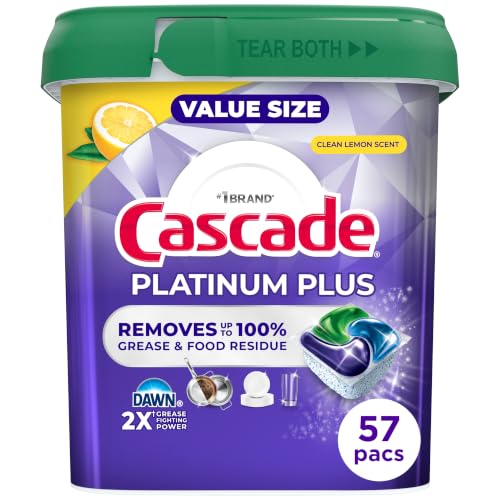 Cascade Platinum Plus Dishwasher Detergent Pods Dish Soap Lemon 57 Count
 HomeBeyond Espresso Coffee Maker 12 Cups, Classic Stovetop Espresso Maker, 600ml / 20oz Coffeemaker for Gas & Ceramic Stovetops (Silver)